
Used Freightliner Bus Trucks For Sale
Browse used Freightliner bus trucks, including school bus and shuttle-style models, with Cummins diesel power and commercial-duty chassis.
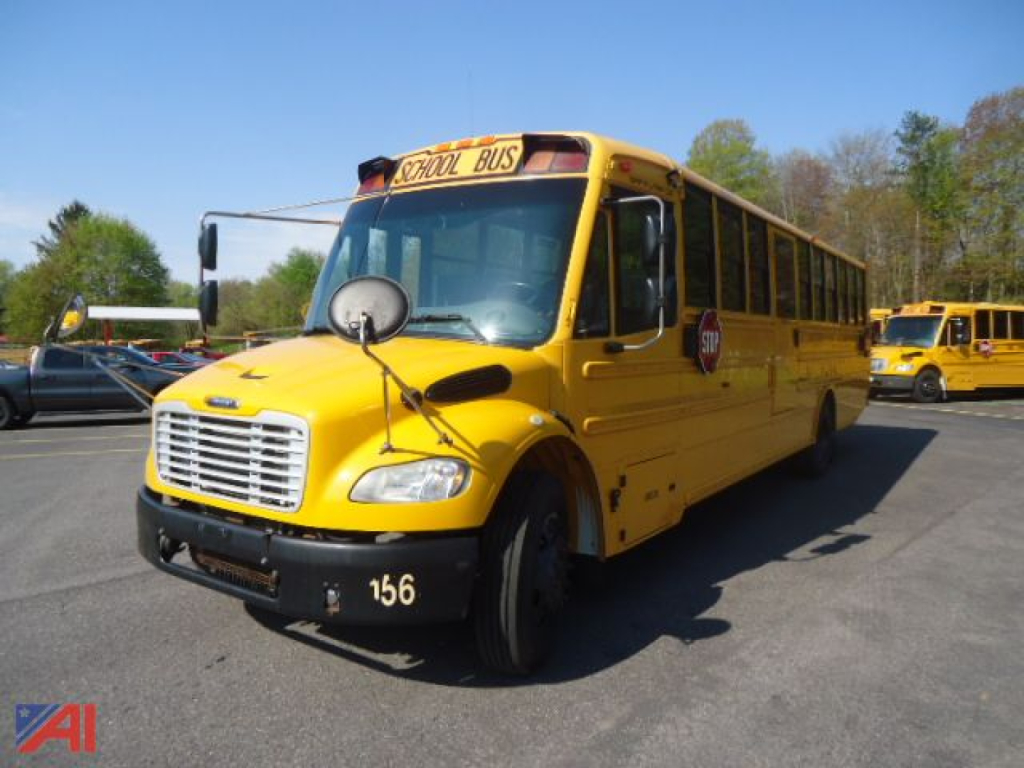
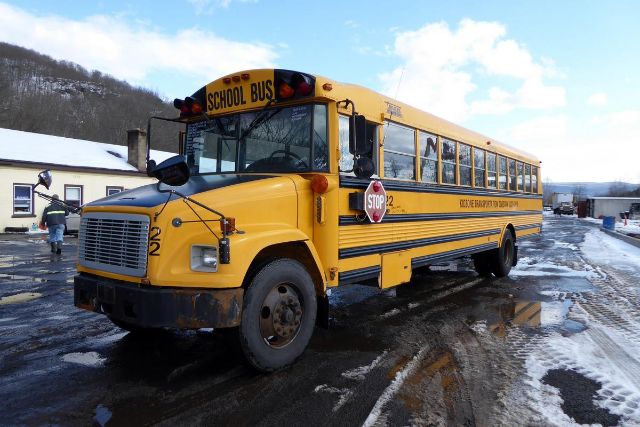
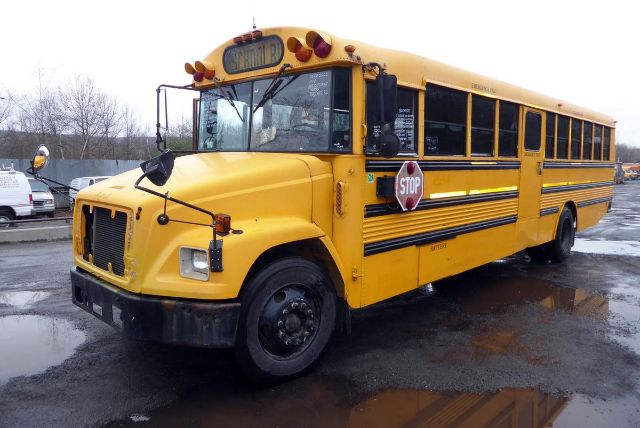
Selling a used freightliner bus truck? List your used freightliner bus truck for sale and reach thousands of commercial buyers.
Used Freightliner Bus Trucks
A key buying decision is capacity versus operating environment. Full-size Freightliner bus trucks in this class often seat roughly 60 to 70 passengers depending on body length and interior layout, with wheelbases commonly stretching into the 250-inch to 280-inch range. GVWR commonly falls around 29,000 to 30,000 pounds, and rear axle ratings in the 19,000 to 20,000 pound range are typical. Suspension can vary between spring and air ride, and that difference matters. Spring suspension is simple and durable for route work, while air suspension can improve ride quality and body stability. Brake configuration also varies by unit, with some buses equipped with hydraulic disc brakes and others with full air brakes.
On used Freightliner bus trucks, drivetrain specs tell you a lot about intended use. Rear axle ratios such as 5.57 are common on school bus applications where low-speed acceleration, stop-and-go routing, and gradeability matter more than highway cruise speed. Tire sizes like 10R22.5 or 11R22.5 are standard commercial sizes, which helps with replacement availability and cost control. For buyers comparing listings, pay attention to engine hours as much as odometer miles, especially on school buses that spend long periods idling. Frame condition, underbody corrosion, brake system type, seat count, emergency exit compliance, and the condition of the electrical system are all important on aging bus platforms.
Freightliner bus trucks are often purchased for more than pupil transportation. Depending on local regulations and how the body is equipped, they can be repurposed for church transport, crew hauling, mobile training units, RV or skoolie conversions, and specialty commercial applications. For conversion buyers, chassis details matter more than paint and seating. Check overall length, interior height, single-frame versus double-frame construction, axle ratings, and available payload after conversion weight is added. The best used Freightliner bus truck for sale is usually the one with documented maintenance, a clean structural condition, and a driveline spec that matches the route, terrain, and passenger or conversion demands.
Frequently Asked Questions about Used Freightliner Bus Trucks
What engine and transmission are common in used Freightliner bus trucks?
Many used Freightliner bus trucks, especially older school bus models like the FS-65, are equipped with Cummins 5.9L diesel engines such as the ISB or ISC family and Allison automatic transmissions, often from the 2000 series. This combination is popular because it is widely supported, familiar to technicians, and generally well suited to stop-and-go bus duty. When comparing listings, confirm horsepower, transmission model, and service history because similar-looking buses can be spec'd very differently.
What should I inspect first on a used Freightliner bus?
Start with structural condition and maintenance history. Check frame rails, crossmembers, stepwell areas, floor integrity, body mounts, and underbody corrosion. Then review engine hours, transmission operation, brake type and condition, suspension wear, tire date codes, and electrical accessories such as warning lights, heaters, and wheelchair equipment if installed. On ex-school buses, idle time and seasonal use can affect condition as much as mileage.
Are Freightliner bus trucks good for conversion projects?
Freightliner bus trucks can be a strong platform for skoolie, mobile office, or specialty transport conversions because they use commercial truck chassis components that are widely recognized in the service market. Buyers should verify interior dimensions, overall length, axle ratings, GVWR, and the amount of remaining payload after build-out. Air brake familiarity, wiring complexity, and any title or registration requirements should also be reviewed before purchase.
What is the difference between air brakes and hydraulic brakes on a bus truck?
Air brakes are common on heavier commercial applications and are often preferred by fleets for durability and braking consistency under load, but they may require a driver with the proper licensing and endorsement depending on state rules. Hydraulic brakes are simpler for some operators and can be easier for buyers moving from lighter commercial vehicles, but service procedures and parts costs still need to be evaluated unit by unit. The right choice depends on fleet experience, regulatory requirements, and vehicle weight class.
How important is axle ratio on a used Freightliner bus truck?
Axle ratio has a major effect on launch performance, hill-climbing ability, and cruising speed. Ratios like 5.57 are common on school bus specs because they favor low-speed pulling power in urban routes and frequent stops. The tradeoff is higher engine rpm at road speed, which can limit highway comfort and fuel economy. Buyers planning longer-distance or mixed-use operation should compare axle ratio closely with engine output and transmission gearing.