
Used Freightliner Bus Trucks For Sale in New York
Browse used Freightliner bus trucks for sale in New York, including school bus models with Cummins engines, Allison automatics, and full-size seating.
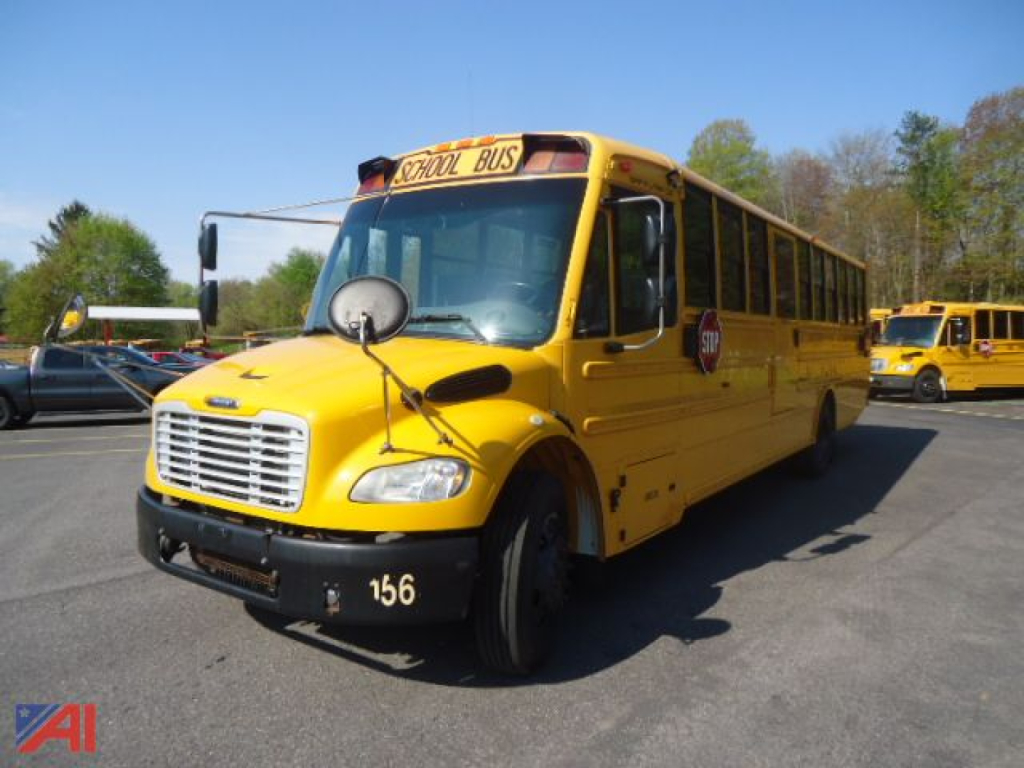
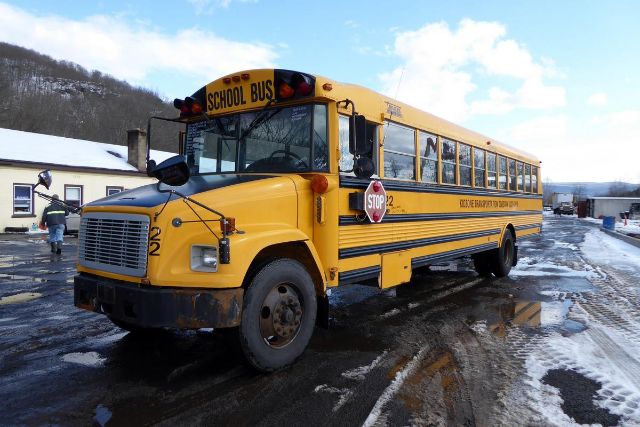
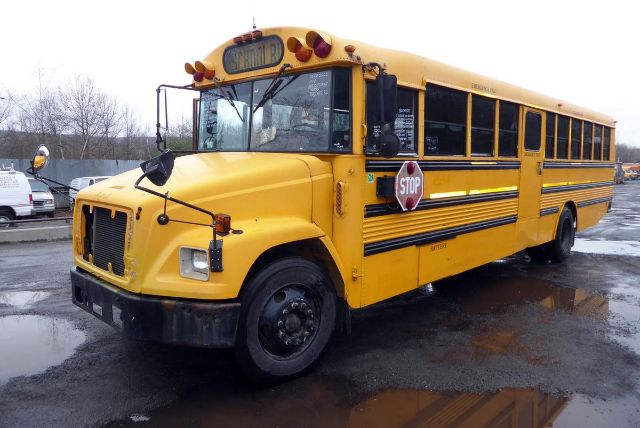
Selling a used freightliner bus truck? List your used freightliner bus truck for sale and reach thousands of commercial buyers.
Used Freightliner Bus Trucks in New York
A buyer comparing used Freightliner buses should start with body style, seating count, and brake and suspension configuration. Full-size school buses in this class often run from roughly 35 to 38 feet, with seating capacities that can exceed 65 passengers depending on row spacing and seat specification. Common setups include spring suspension or Freightliner Airliner air suspension, 10R22.5 or 11R22.5 rubber, and single-frame chassis construction. On older units, engine hours can matter as much as odometer miles because many buses spend long periods idling in route service.
For New York buyers, corrosion and underbody condition deserve close attention. State and municipal service often means winter road salt exposure, so frame rails, crossmembers, step wells, brake lines, fuel tank mounts, and body supports should be inspected carefully. It is also smart to verify the condition of warning light systems, stop arms, heaters, wheelchair equipment if equipped, and emergency exits, especially if the bus will remain in pupil transportation or be repurposed for private shuttle, church, contractor crew, or conversion use. If the intended use is not school transportation, buyers should confirm local requirements for decommissioning school bus equipment and repainting.
Freightliner bus trucks remain popular on the used market because the driveline combinations are familiar to many fleet shops and independent diesel technicians. The Cummins ISB and related 5.9L platforms are widely recognized for straightforward maintenance, and the Allison 2000 series is a known quantity for stop-and-go duty. The best unit is not always the newest one. Service history, rust level, idle time, transmission behavior, cooling system condition, and overall body integrity usually matter more than model year alone when evaluating a used Freightliner bus.
Frequently Asked Questions about Used Freightliner Bus Trucks in New York
What are the most common engines and transmissions in used Freightliner buses?
Many used Freightliner buses are equipped with Cummins diesel engines, especially the ISB or similar 5.9L platforms, paired with Allison automatic transmissions such as the 2000 series. That combination is common because it handles repetitive stop-and-go route work well and is familiar to school bus technicians, municipal shops, and independent diesel repair facilities. Buyers still need to confirm horsepower rating, emissions equipment, and maintenance records on each unit because specifications can vary by year and body builder.
What should I inspect first on a used Freightliner bus in New York?
The first priority should be rust and structural condition. New York service often exposes buses to heavy road salt, so frame rails, crossmembers, suspension mounts, floor structure, step wells, brake components, and body supports deserve close inspection. After that, evaluate engine hours versus mileage, transmission shift quality, brake type and condition, tire age, heater performance, and the function of passenger safety equipment. A solid driveline can be outweighed by severe corrosion in a bus application.
Are Freightliner school buses suitable for uses other than student transportation?
Yes. Many used Freightliner buses are repurposed for church transport, private shuttle work, mobile training, work crew hauling, or specialty conversions. The key issue is regulatory compliance. If a former school bus will no longer carry students in school service, warning lights, stop arms, school bus markings, and paint requirements may need to be changed to meet state and local rules. Buyers should confirm registration class, CDL requirements, and insurance considerations before purchase.
How important are engine hours on a used bus?
Engine hours are very important because buses often spend substantial time idling during loading, unloading, warm-up, and route stops. A bus with moderate mileage but very high engine hours can show wear comparable to a higher-mileage unit. Hours help you assess engine life, cooling system strain, alternator use, and overall duty severity. When possible, compare mileage, hours, maintenance records, and idle history together rather than relying on odometer reading alone.
What size and capacity range is typical for a used Freightliner bus truck?
Full-size Freightliner buses commonly fall in the mid-30-foot range up to nearly 40 feet, with seating often in the 65 to 71 passenger range depending on layout and body spec. GVWR is often around 29,000 to 30,000 lbs on school bus applications, but exact ratings depend on axle configuration, suspension, brakes, and body length. Buyers should match wheelbase, overall length, and seating layout to the route, lot access, and licensing requirements they expect to handle.