
Bus Trucks For Sale
Explore used buses for sale including shuttle, school, transit and motorcoach models. Compare seating, diesel or gas power, ADA lifts, air ride and specs.
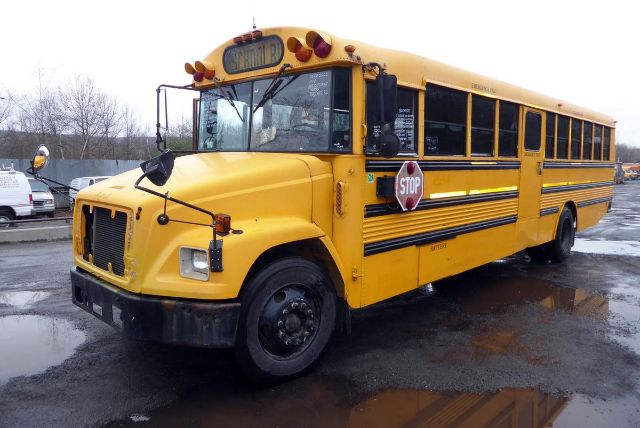
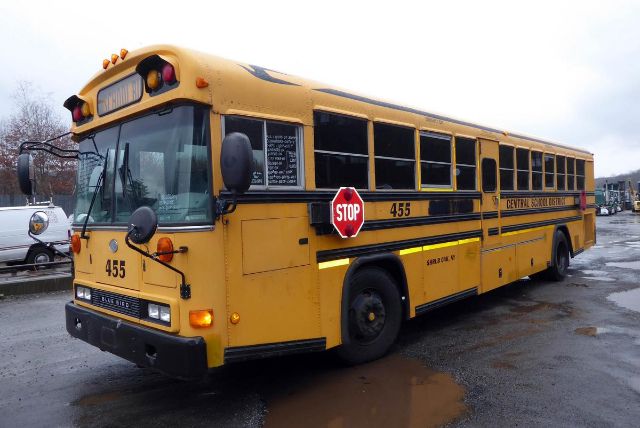
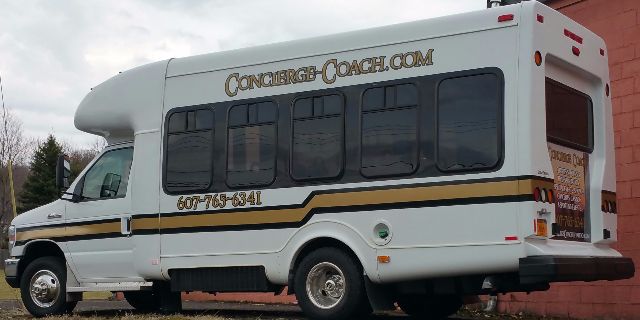
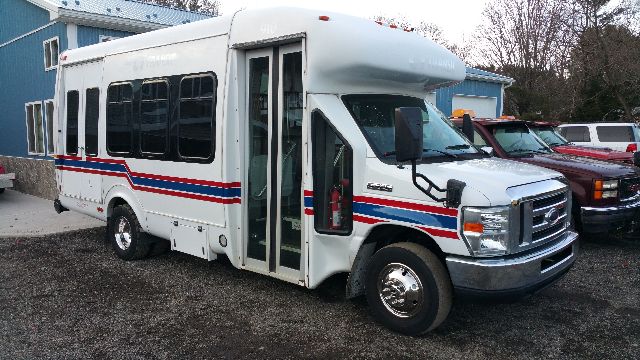
Selling a bus truck? List your bus truck for sale and reach thousands of commercial buyers.
Bus Trucks
Powertrain and chassis choices drive total cost of ownership. Gas V8 platforms like Ford 7.3 and GM 6.6 simplify emissions and suit low to medium annual miles, while diesel options such as Cummins 6.7/ISB, L9 and Detroit or Volvo coach engines offer higher torque, engine braking and longevity for heavy loads. Allison 2200/2500/3000 series automatics are common for smooth duty-cycles, and you will see hydraulic brakes on lighter cutaways and air brakes with 22.5-inch rubber on heavier transit and coach applications. Typical GVWR spans from 12,500 to 19,500 on cutaways, 26,000 to 33,000 on Type C/D school buses and 40,000-plus on 40- to 45-foot coaches. Consider DPF and DEF systems on later-model diesels, or CNG for municipalities with fueling infrastructure; battery-electric transit buses are emerging but require route planning, charger investment and climate-range analysis.
Layout and passenger flow matter as much as horsepower. Low-floor transit designs with kneeling front suspension and ramps speed boarding and are ideal for ADA-heavy routes; high-floor coaches and most cutaways use Ricon or Braun lifts with Q’Straint or L-track securement for 2-6 wheelchair positions. Seat style ranges from vinyl bench in school service to reclining cloth or leather with three-point belts in coaches, plus options like parcel racks, underfloor luggage, rear luggage trunks and integrated restrooms. Size HVAC to climate and ridership; 120k-200k BTU multi-evaporator systems with roof condensers are common, and poor airflow shows quickly in southern routes or high-altitude markets. Specify scuff liners, school-bus rub rails and corrosion protection in snow-belt operations.
Evaluate lifecycle and route fit before you commit. Stop-and-go urban buses accumulate engine hours that can exceed what the odometer suggests, so hour meters and idle ratios are as important as miles. Inspect for frame and subfloor corrosion, roof seam leaks, lift cycle counts, air system leaks, brake lining condition and recent aftertreatment service or regens. Verify tire sizes and costs, from 19.5 on cutaways to 22.5 on coaches, and look for air-ride drive axles, electronic stability control, retarder options and disc brakes if ride quality and brake fade are concerns. Check state CDL thresholds, ADA requirements and any CARB or local emissions rules that may affect registration and resale value.
Frequently Asked Questions about Bus Trucks
How do I choose between a shuttle, school, transit bus and a motorcoach?
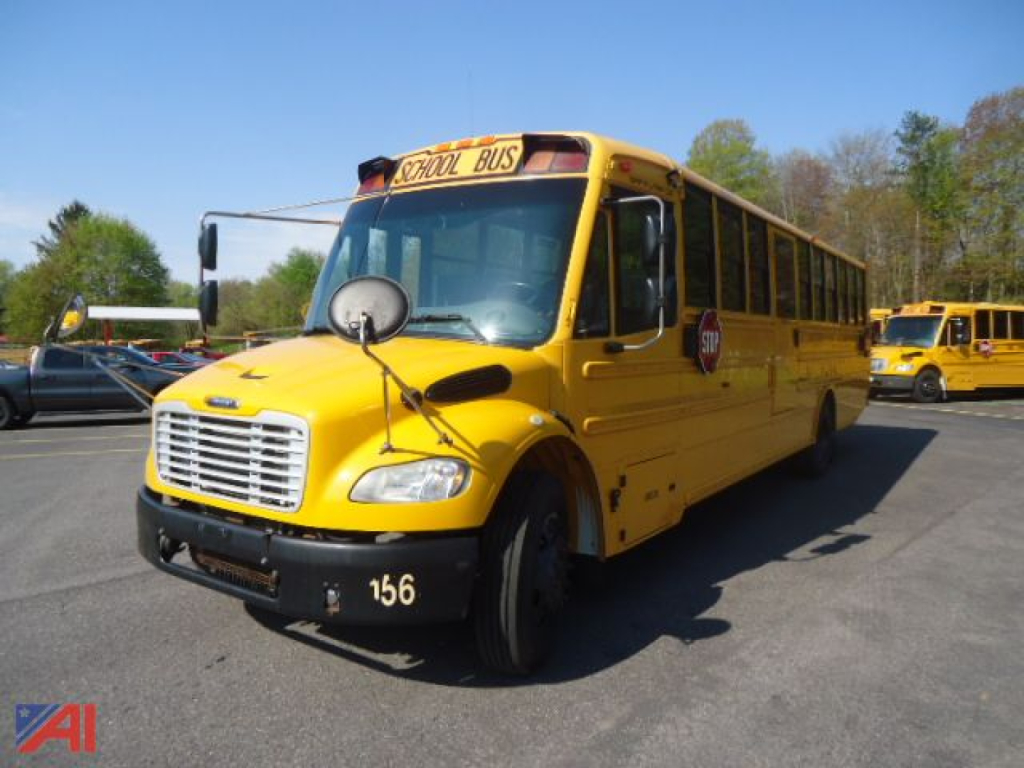
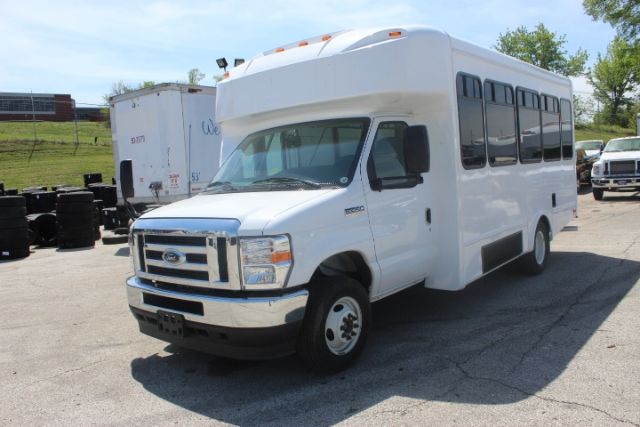
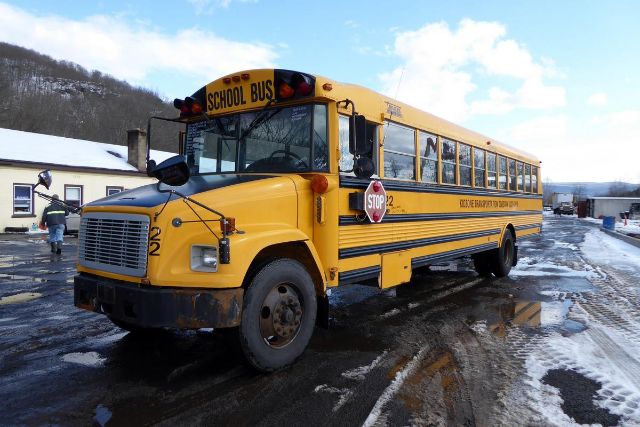
Match passenger count, luggage needs and duty cycle. Shuttles on cutaway chassis are compact, easier to service and ideal for 12-33 passengers on short routes. School buses prioritize capacity and durability for frequent stops. Transit buses offer low-floor access and rapid boarding for city service. Motorcoaches are built for highway comfort with underfloor luggage and restrooms for long-distance charters.
Gas, diesel, CNG or electric bus — which is best for my operation?
Gasoline buses have lower upfront and maintenance costs and work well for shorter routes with moderate annual miles. Diesel provides higher torque, better fuel economy under load and longer life for heavy or highway duty but adds DPF and DEF systems. CNG suits fleets with depot fueling and emissions goals. Battery-electric fits fixed, shorter routes with depot charging and incentives, but requires charging hardware, route modeling and HVAC range planning in hot or cold climates.
Do I need air brakes and air ride, or are hydraulic brakes enough?
Hydraulic brakes are common on lighter cutaways and are cost-effective for lower GVWR and moderate speeds. Air brakes dominate in heavier transit and coach applications for better heat management and serviceability, and they pair well with options like engine brakes or transmission retarders on steep terrain. Air-ride suspensions improve passenger comfort and protect interiors, especially on longer runs or rough roads, but add complexity and cost.
What should I inspect on a used bus before purchase?
Look beyond miles to engine and PTO hours, regen history on diesels and recent aftertreatment service. Inspect frame rails, crossmembers and subfloor for corrosion, check roof seams and window gaskets for leaks, verify HVAC performance at idle and high RPM, and cycle the wheelchair lift or ramp under load. Review brake lining thickness, air system leak-down, suspension bushings, tire date codes and alignment wear. Confirm VIN data for GVWR, axle ratings and seating or ADA configurations to ensure it matches your route requirements.
Can a shuttle bus be reconfigured for ADA or more luggage capacity?
Often yes, within GVWR limits. Seats mounted on L-track can be re-spaced to create wheelchair positions with Q’Straint hardware, and lifts can be added if structure and door width allow. For luggage, rear trunks or interior racks can be installed, but you must account for axle weights, emergency egress and HVAC airflow. Always confirm compliance with FMVSS, ADA rules and state inspection requirements after modifications.