
2018 Bus Trucks For Sale
Have 2018 bus truck to sell? List it here to reach thousands of buyers.
2018 Bus Trucks
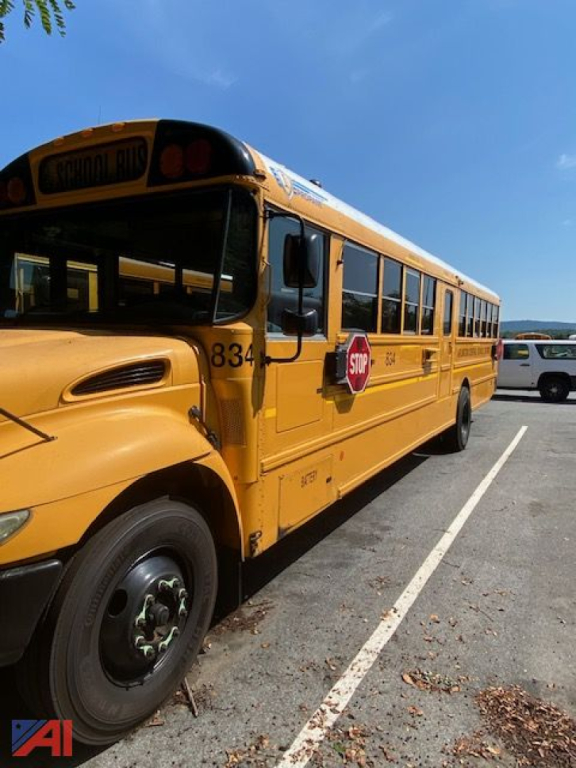
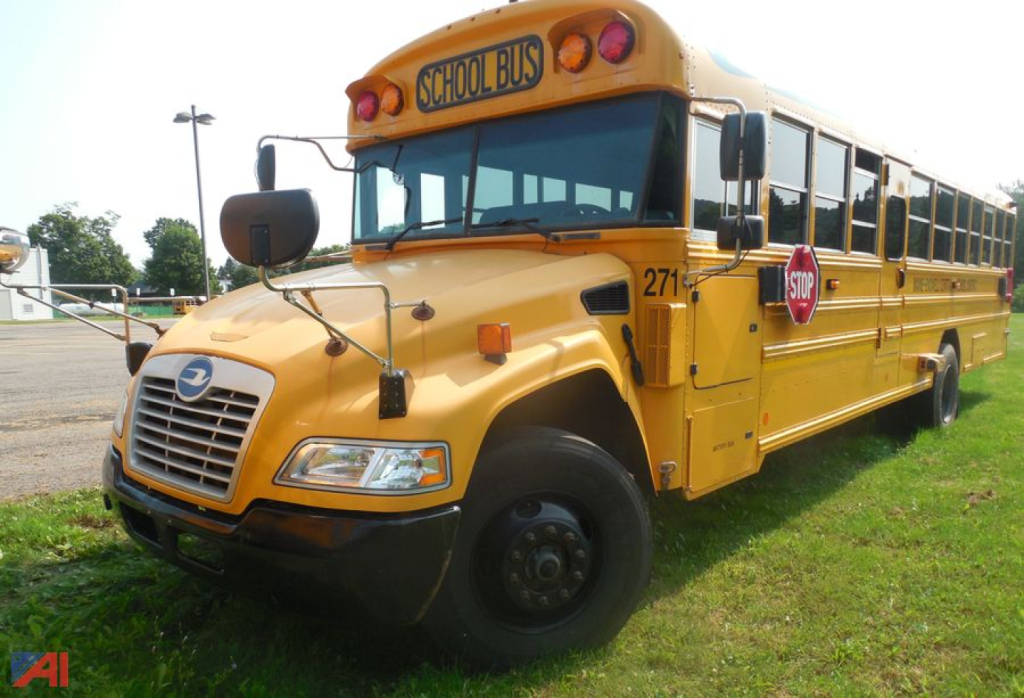
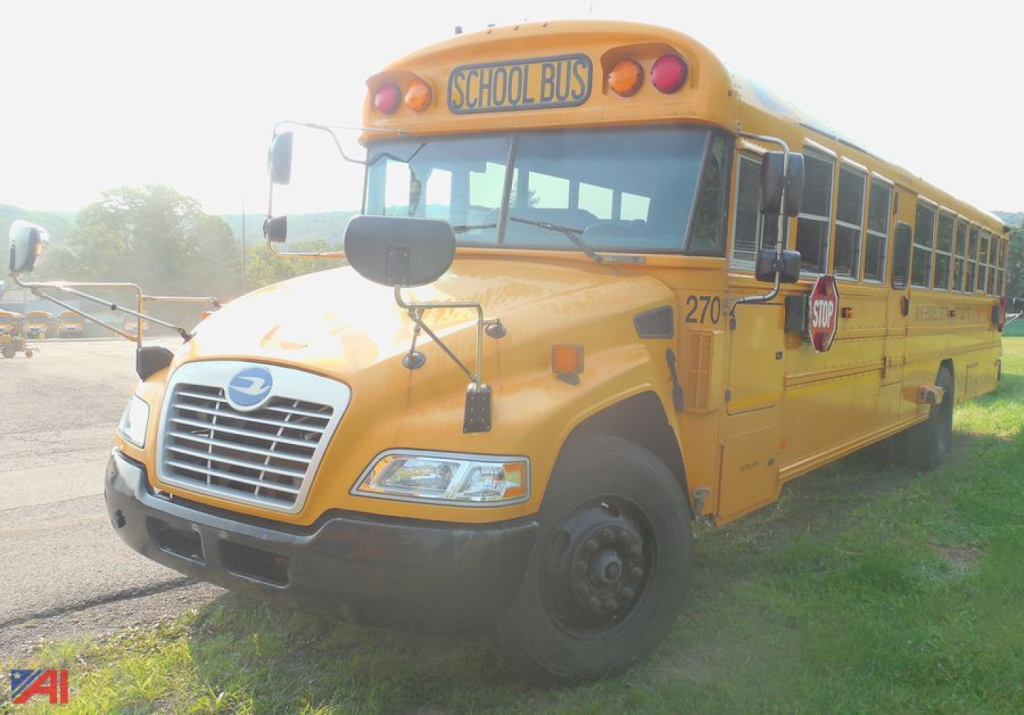
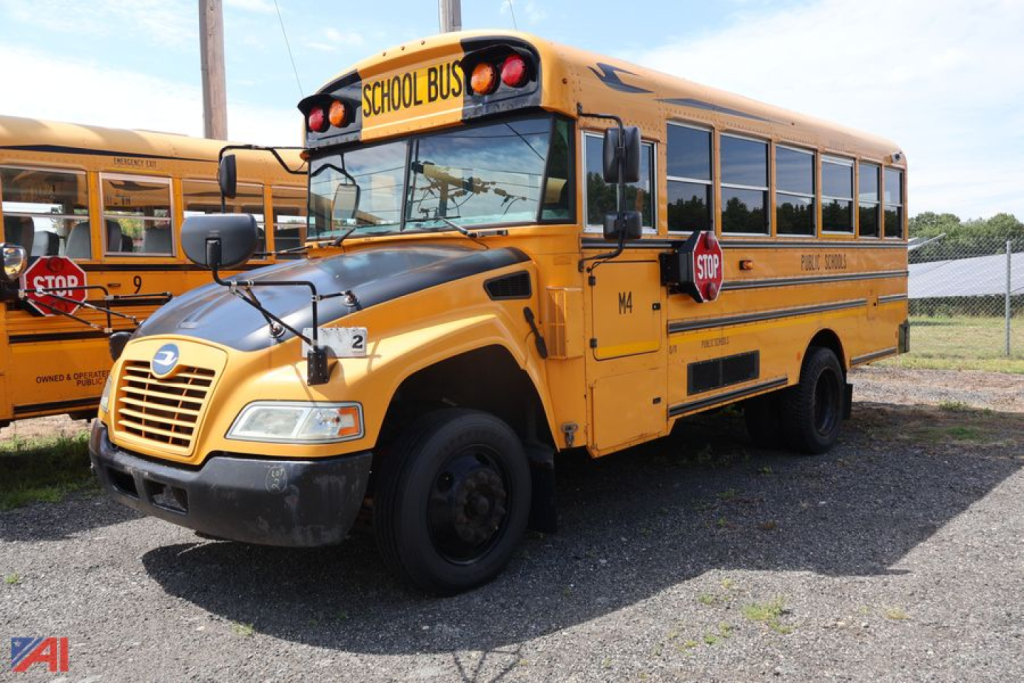
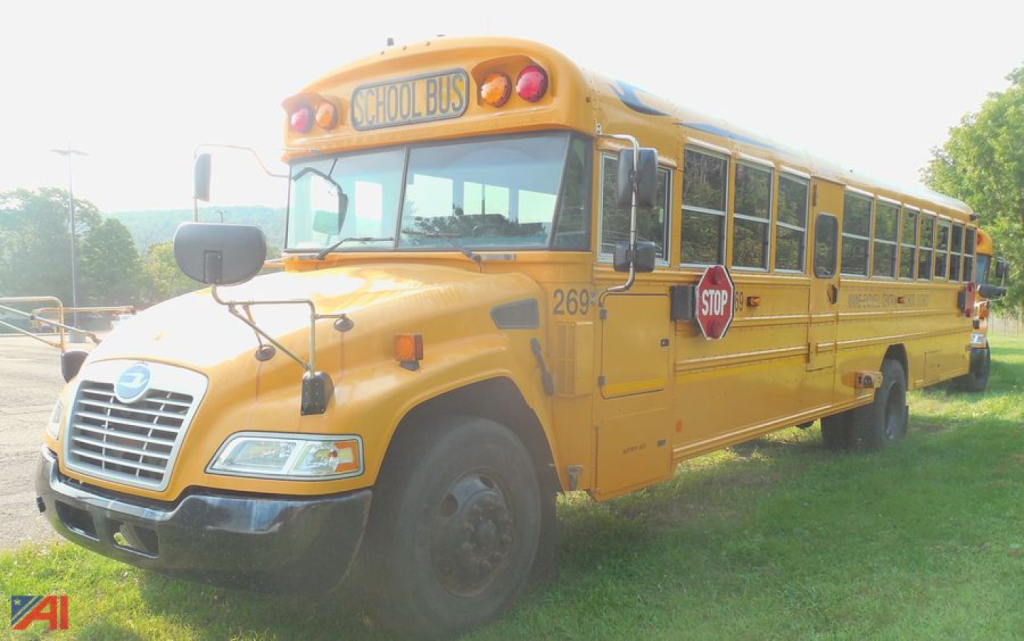
For many buyers, accessibility equipment is the key spec. A 2018 wheelchair bus may include a rear or side-entry lift, tie-down positions, grab rails, low-step entry, and seating layouts designed for ambulatory and non-ambulatory passengers. Lift condition, cycle count, interlock operation, and door function matter as much as engine or mileage because downtime often starts with body and accessibility equipment rather than the chassis itself. If the bus will be used for school or public service work, confirm ADA compliance features, passenger restraint setup, emergency exits, and the condition of the flooring, stepwell, handrails, and seat mounts. On school bus units, buyers should also inspect crossing arms, warning light systems, stop arms, and any state-specific spec requirements.
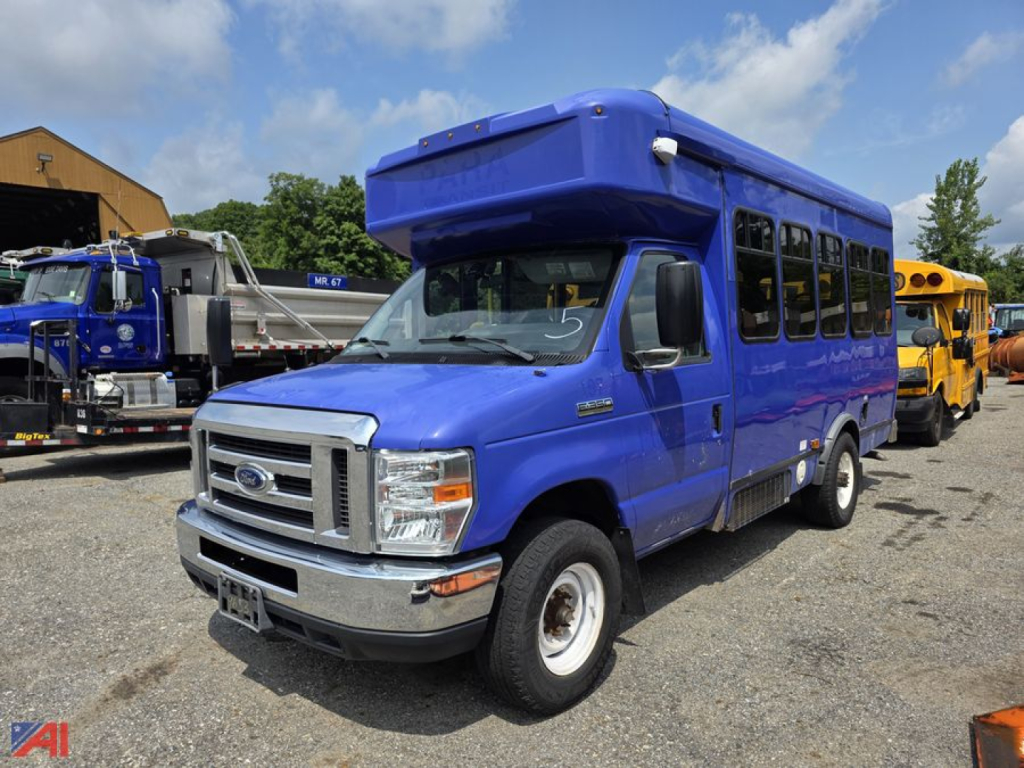
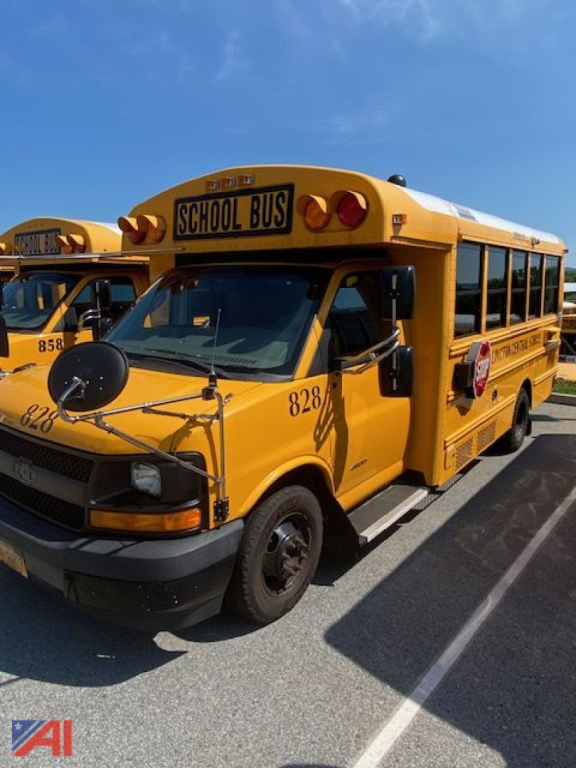
Powertrain choices in 2018 buses vary by GVWR and application, but common setups include gasoline V8 cutaway chassis and medium-duty diesel conventional buses paired with automatic transmissions. A smaller gas bus can be a practical fit for lower annual mileage and less specialized service support, while a diesel bus generally makes more sense for heavier passenger loads, hill country, longer daily routes, or frequent stop-and-go operation on a full-size body. Brake type, axle rating, suspension layout, wheelbase, and tire size all affect ride quality and operating cost. Buyers comparing units should pay close attention to idle hours, maintenance records, emissions system history, cooling system service, and signs of corrosion around body mounts, skirt panels, wheel openings, and step areas.
A 2018 model often sits in a useful value range for fleets that want modern safety and accessibility features without paying late-model pricing. The best unit depends less on badge and more on route profile, passenger count, loading needs, service access, and body condition. Interior wear tells a lot on buses. Check heater performance, A/C output if equipped, roof hatch seals, window operation, electrical accessories, and evidence of leaks around seams or lift openings. For school and shuttle buyers alike, a thorough pre-purchase inspection should cover chassis diagnostics, body integrity, door and lift systems, and any local certification requirements before the bus goes back into passenger service.
Frequently Asked Questions about 2018 Bus Trucks
What should I look for first when buying a 2018 bus truck?
Start with the intended use, because body size, seating layout, and accessibility equipment matter more than brand alone. A school route, senior shuttle, church bus, and wheelchair transport unit all need different floorplans and entry configurations. After confirming capacity and layout, inspect the lift or door system if equipped, then review mileage, idle hours, maintenance records, brake and tire condition, and signs of rust or water intrusion in the body.
Are 2018 buses available as both school buses and wheelchair shuttle buses?
Yes. The 2018 model year includes both conventional school buses and cutaway-style shuttle or wheelchair buses. School buses are typically built for higher seating capacity and route durability, while wheelchair buses focus on ADA access, lift systems, securement positions, and easier entry for mixed-mobility passengers. The chassis, body manufacturer, and interior setup can differ significantly even when the model year is the same.
Is a gas or diesel 2018 bus better?
It depends on route length, passenger load, and service support. Gas-powered cutaway buses are often easier to maintain for lighter-duty use and lower annual mileage. Diesel buses are usually better suited for full-size bodies, heavier daily loads, and higher route intensity. Buyers should also consider emissions system history, local technician support, and fuel cost trends in their operating area before choosing between the two.
How important is lift condition on a used 2018 wheelchair bus?
Lift condition is critical because accessibility equipment can be one of the highest-cost repair areas on a passenger bus. Check for smooth operation under load, proper interlock function, platform integrity, hydraulic or electrical reliability, and the condition of tie-down stations and restraint hardware. A strong chassis does not offset a weak lift system if the bus is being purchased for ADA transport.
What inspections matter most on a used 2018 school or shuttle bus?
The most important inspections cover both the chassis and the body. Engine diagnostics, transmission operation, brake performance, suspension wear, tires, and cooling system condition are core mechanical checks. On the body side, inspect floor integrity, door seals, emergency exits, heater and A/C operation, roof seams, electrical accessories, warning systems on school buses, and corrosion around stepwells, body mounts, and lower panels. Passenger equipment issues can create as much downtime as drivetrain problems.