
2017 Bus Trucks For Sale
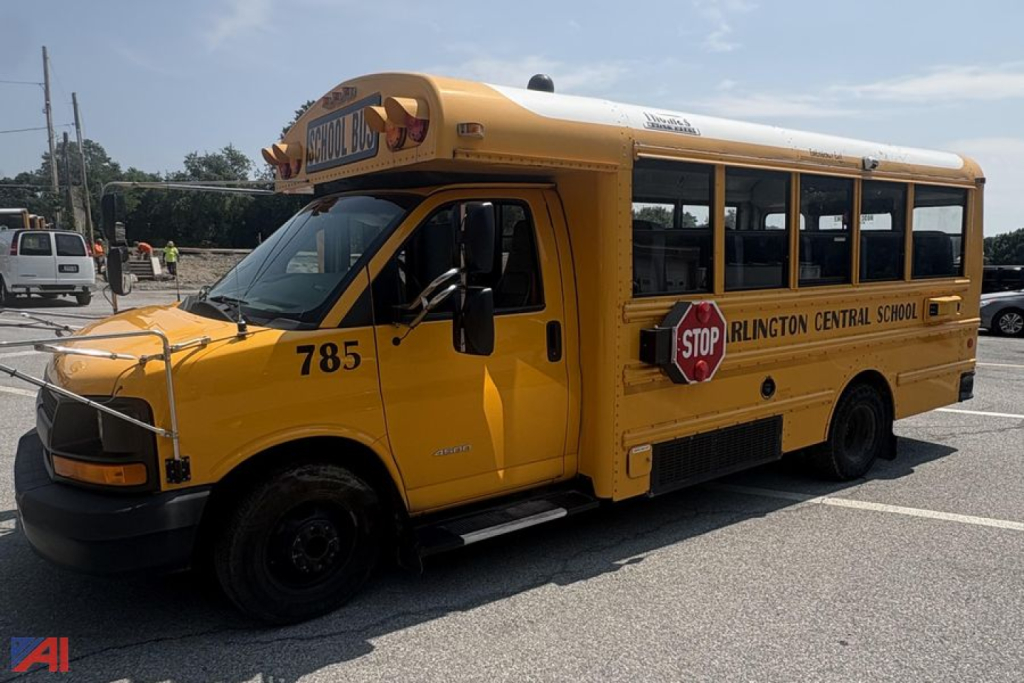
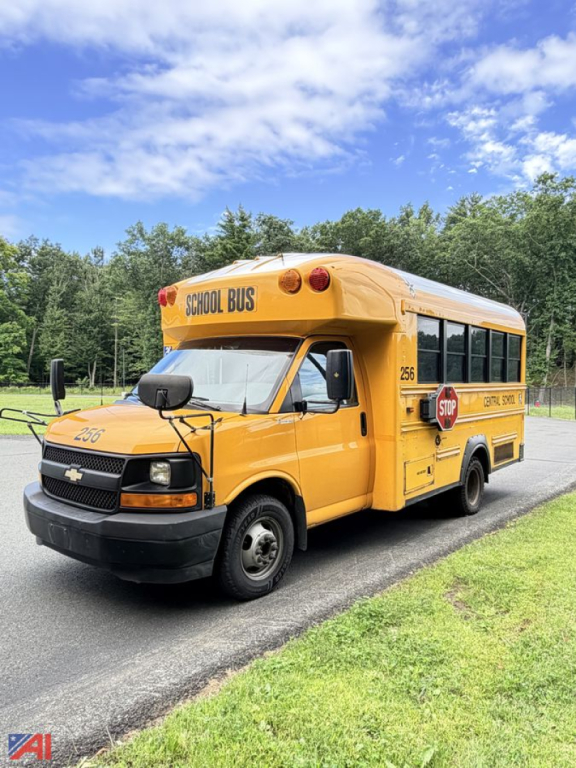
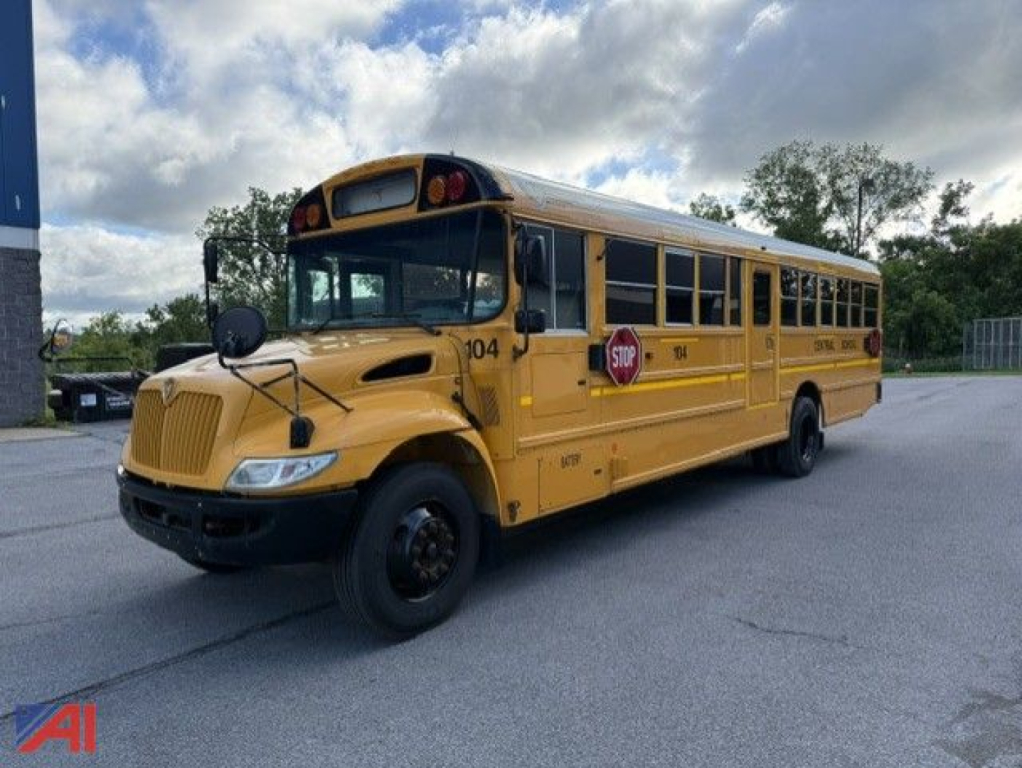
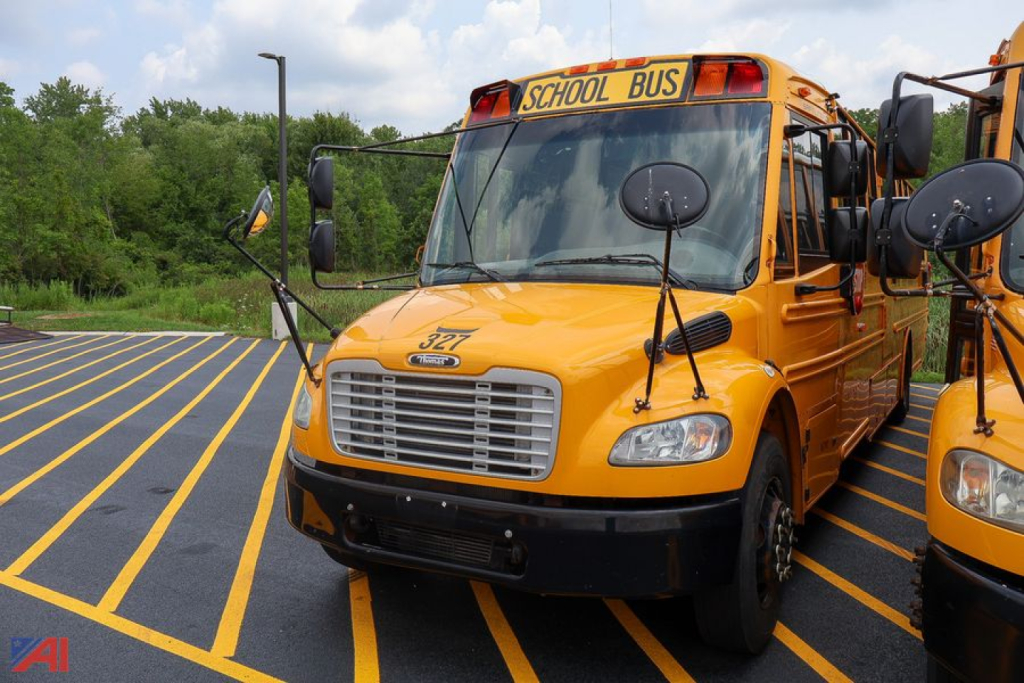
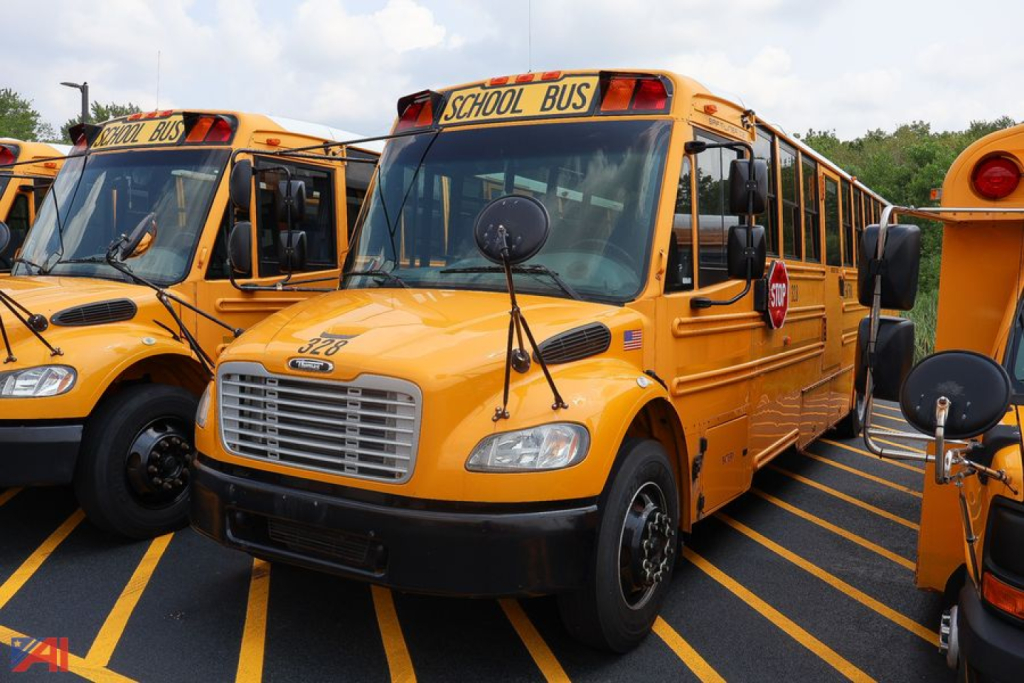
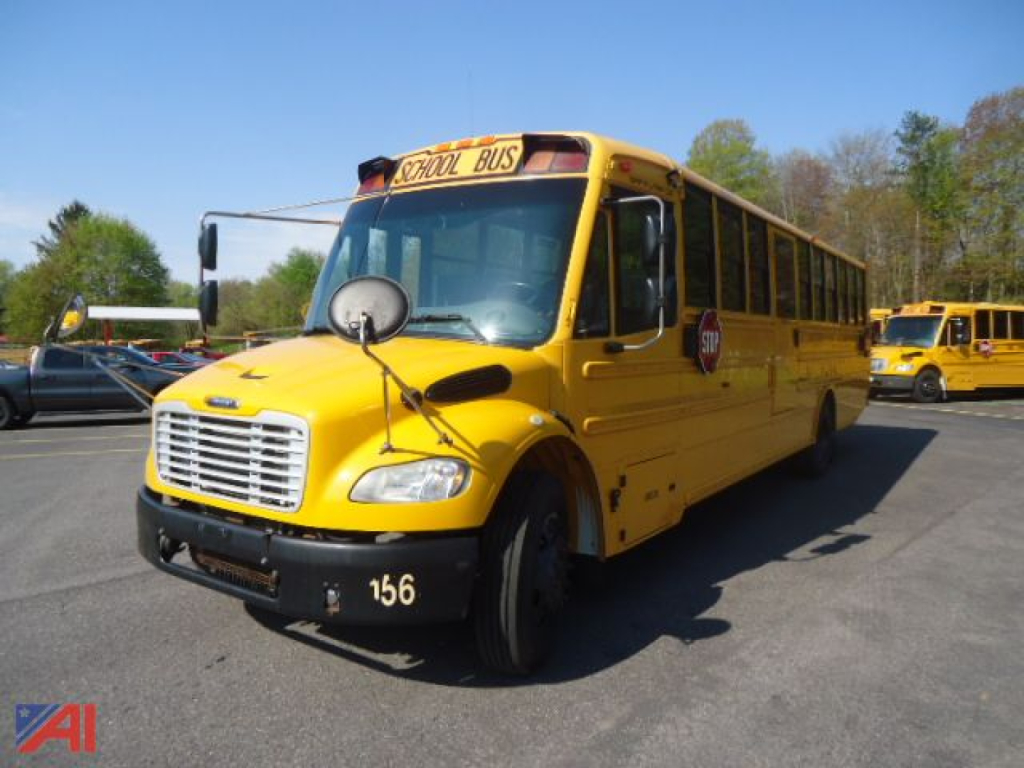
Have 2017 bus truck to sell? List it here to reach thousands of buyers.
2017 Bus Trucks
Body layout and access equipment matter as much as the chassis. Common 2017 configurations include standard passenger seating, perimeter seating, luggage or rear storage, and wheelchair-accessible setups with lifts or ramps, Q'Straint-style tie-down positions, and lowered floor sections. Buyers should confirm seated capacity, standing room if applicable, door configuration, aisle width, and HVAC performance front to rear. Dual A/C systems, auxiliary heaters, backup alarms, and camera systems are especially important on shuttle and non-emergency transport work. If the bus will stay in commercial passenger service, inspect ADA equipment cycle counts, interlock operation, and the condition of the lift, handrails, threshold areas, and securement hardware.
Powertrain selection on a 2017 bus truck often comes down to gasoline versus diesel, GVWR, and service environment. Gas cutaway buses can be simpler for lighter-duty local use, while diesel platforms tend to make more sense for heavier bodies, higher annual mileage, and route work that demands torque and durability. Check axle ratings, brake type, suspension setup, tire date codes, and the body manufacturer's build quality around sidewalls, entry steps, roof seams, and corrosion-prone areas. On school bus and municipal units, electrical condition is a major buying point because warning lights, stop arms, wheelchair systems, heaters, and multiplex wiring can add repair cost quickly if neglected.
A 2017 model can offer a useful balance between acquisition cost and modern safety or emissions-era equipment, but the best value depends on prior use. School district buses may show high idle hours and frequent stop cycles, while private shuttle buses may have lighter loading but more cosmetic wear. Maintenance records, engine hours, transmission behavior, roof and floor integrity, and seat mounting condition should all carry more weight than odometer reading alone. For buyers comparing multiple 2017 bus trucks, the strongest candidates are usually the ones with a clear service history, a body configuration that matches the route, and accessibility or passenger features that fit the job without adding unnecessary complexity.
Frequently Asked Questions about 2017 Bus Trucks
What is the difference between a cutaway bus and a full-size bus truck?
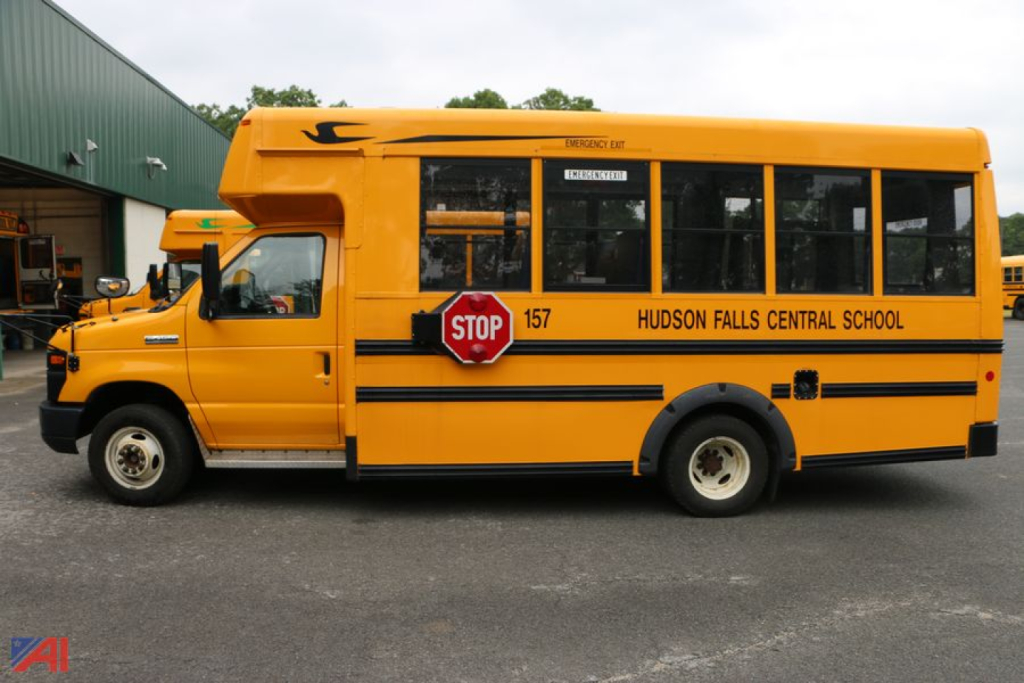
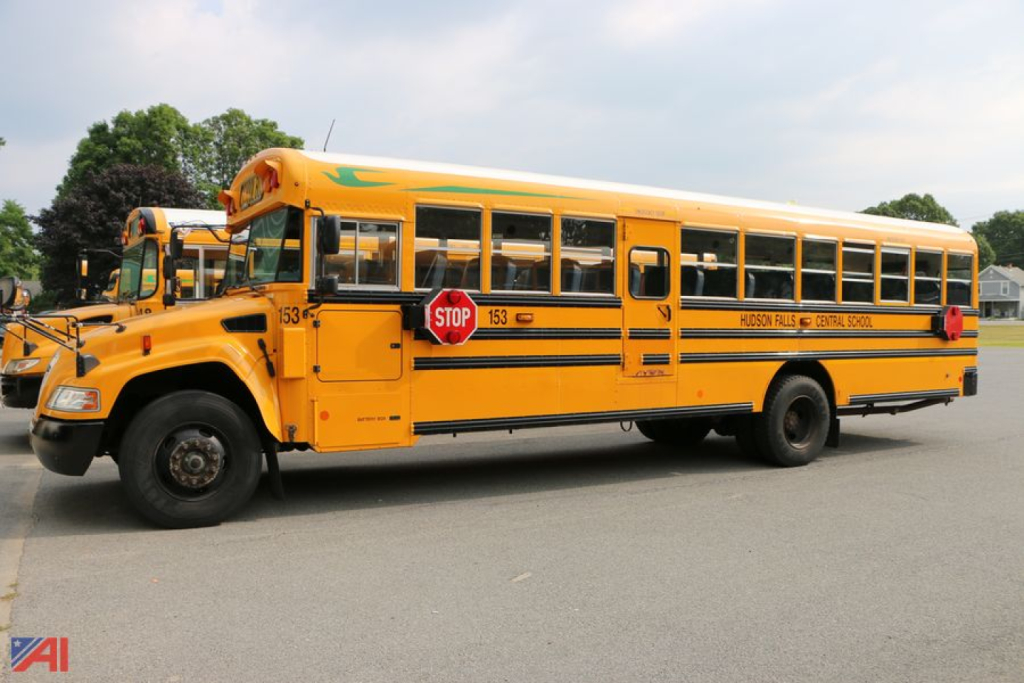
A cutaway bus uses a van-based chassis with a bus body added behind the cab, which makes it common for shuttle, church, hotel, and paratransit work. A full-size bus truck is built on a heavier conventional or purpose-built bus platform and is generally better for school routes, larger passenger counts, and more demanding stop-and-go service. The cutaway is easier to maneuver and usually less expensive to maintain in lighter service, while the full-size platform typically offers higher capacity, stronger components, and longer life in severe-duty use.
What should I check first on a 2017 wheelchair-accessible bus?
Start with the lift or ramp system, wheelchair interlocks, tie-down tracks, shoulder belts, and door operation. The ADA equipment should cycle properly, lock securely, and show no structural damage or excessive corrosion around the threshold and floor. It is also important to inspect handrails, kneeling features if equipped, warning buzzers, and the condition of the electrical system supporting the accessibility equipment. A wheelchair bus with poor lift maintenance can become expensive quickly, even if the engine and transmission are sound.
Is mileage or engine hours more important on a used bus truck?
Both matter, but engine hours often tell the better story on a bus because many units spend long periods idling for passenger loading, climate control, and route staging. A bus with moderate mileage but very high hours may show wear similar to a much higher-mile unit. Hours help explain engine wear, charging system use, HVAC runtime, and the total workload placed on the chassis. The best evaluation combines odometer reading, engine hours, maintenance records, and evidence of how the bus was actually used.
Are 2017 bus trucks better suited for gas or diesel operation?
That depends on route length, passenger load, and maintenance support. Gas buses are often a good fit for lighter local shuttle work and fleets that want simpler service routines. Diesel buses are usually preferred for heavier bodies, higher annual mileage, and routes where low-end torque and durability matter more. Buyers should also consider emissions-system history, parts availability, and whether their technicians are better equipped to support gas or diesel platforms.
What body and interior areas usually need the closest inspection on a used bus?
Pay close attention to the entry door area, stairwell, wheelchair lift compartment, floor under the seats, roof seams, sidewall joints, and rear body corners. These are common areas for corrosion, water intrusion, and structural fatigue. Inside the cabin, seat frames, seat mounts, aisle flooring, heaters, A/C evaporator housings, and emergency exits should all be checked carefully. Cosmetic condition matters less than evidence of leaks, rust, loose mounting points, and repairs that suggest long-term structural issues.