
Chevrolet Bus Trucks For Sale
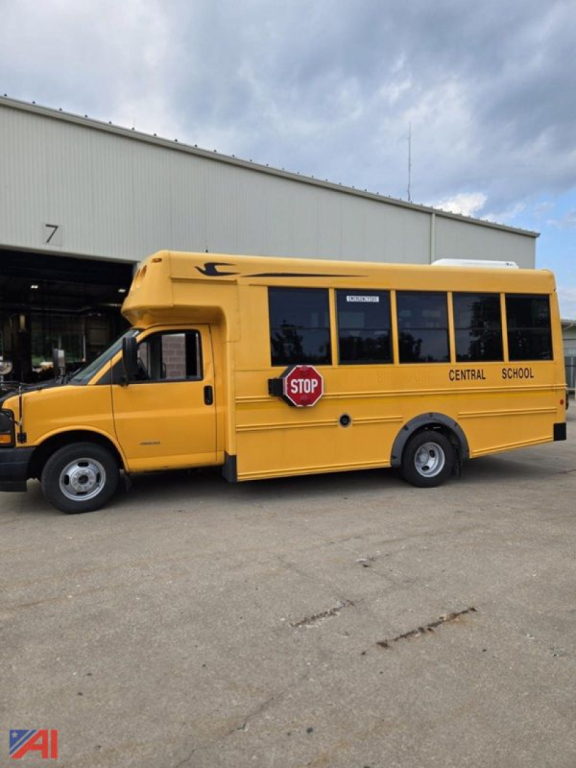
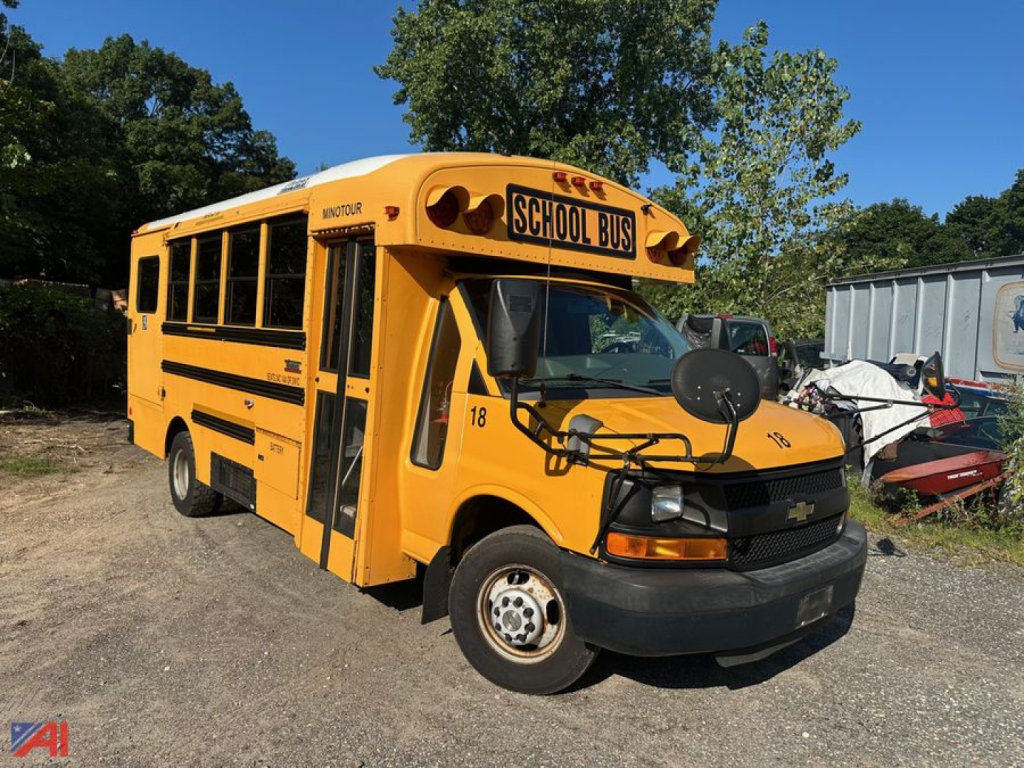
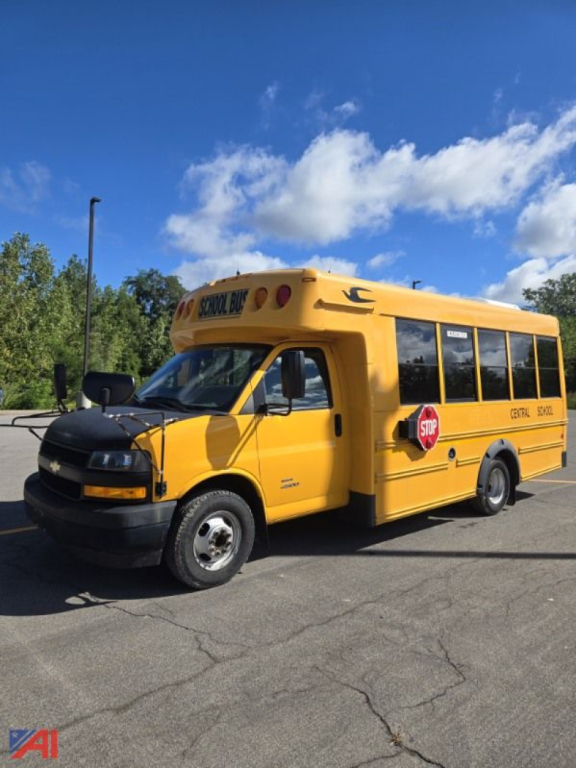
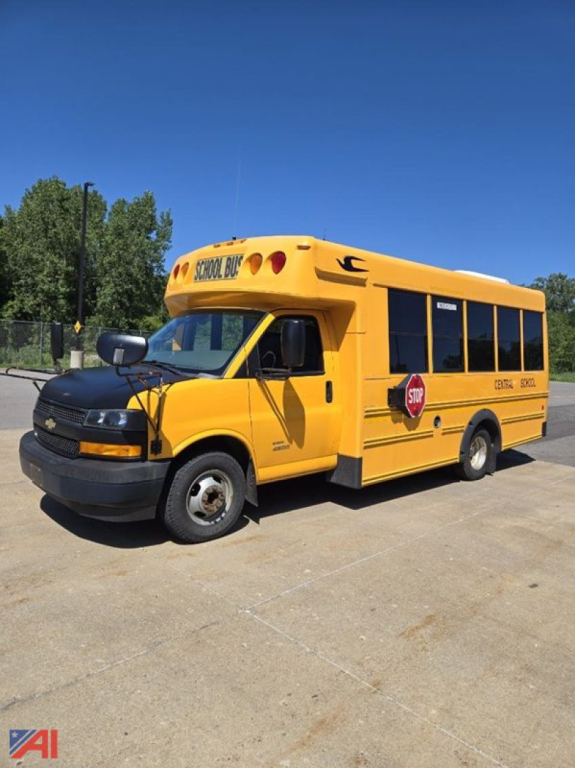
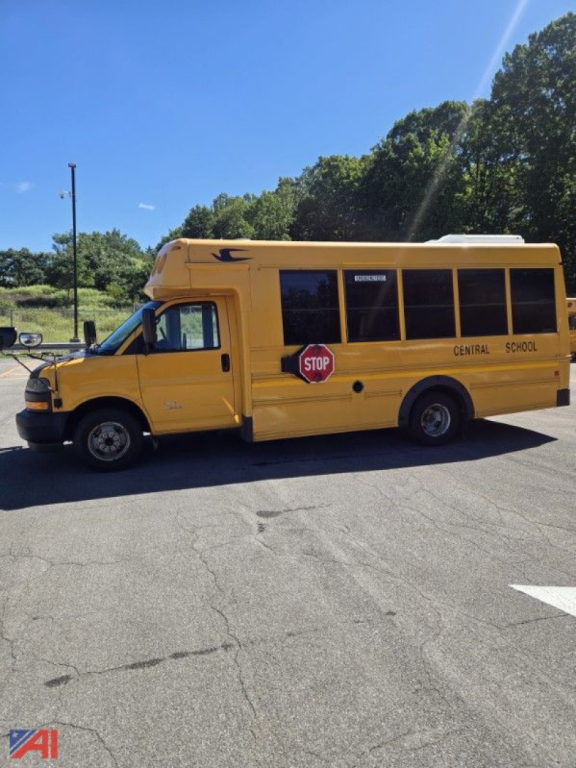
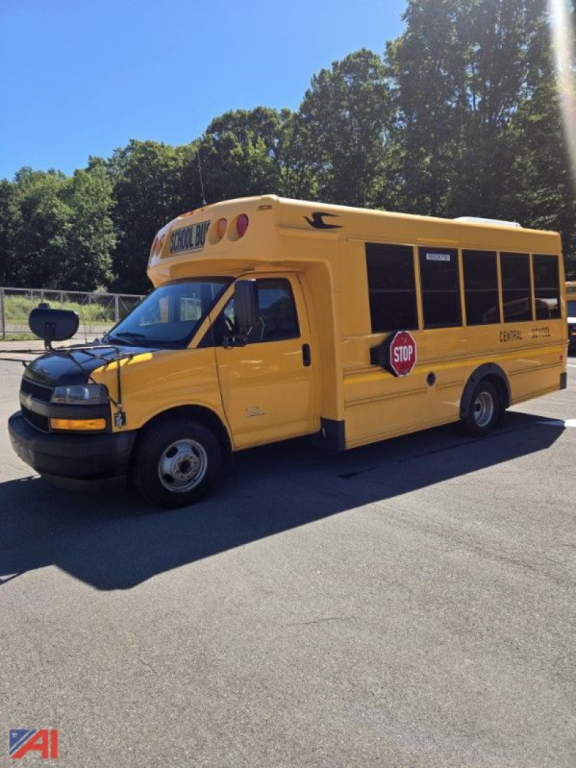
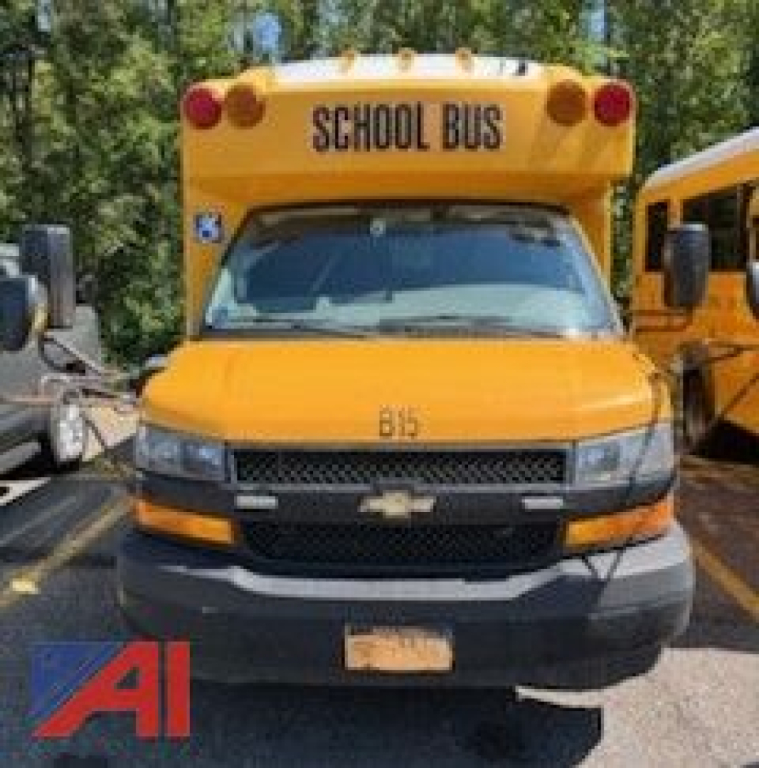
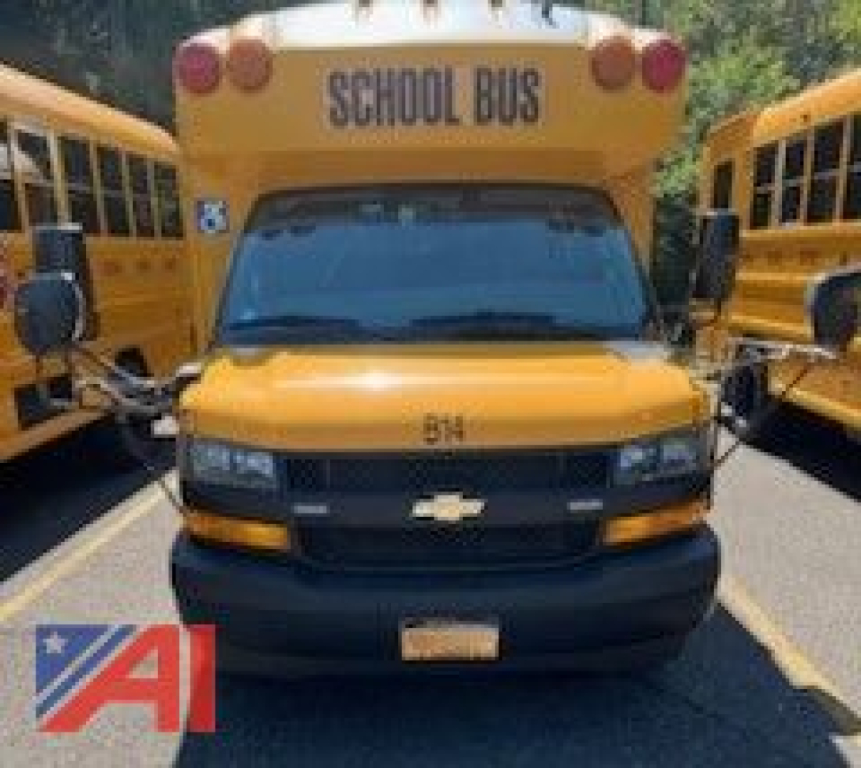
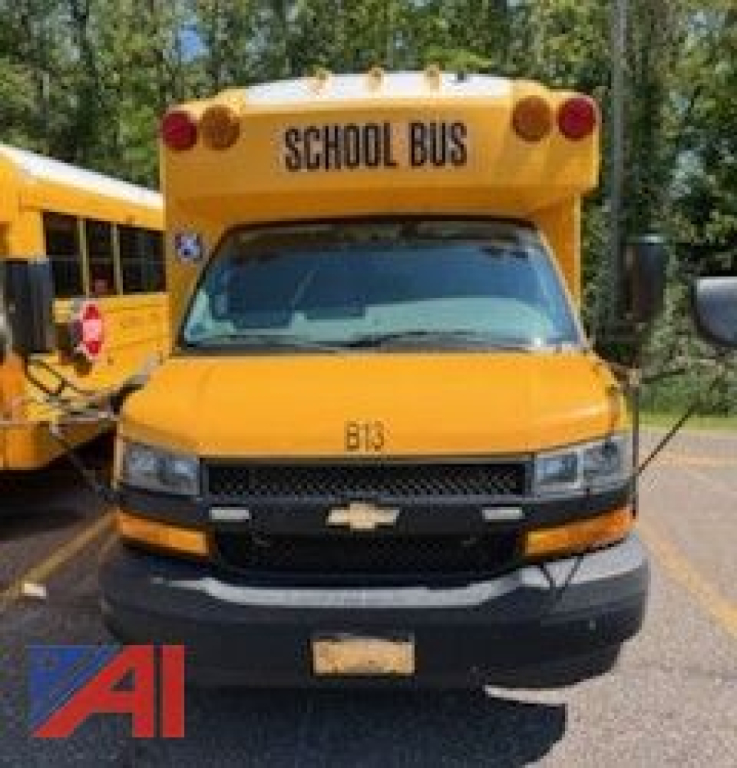
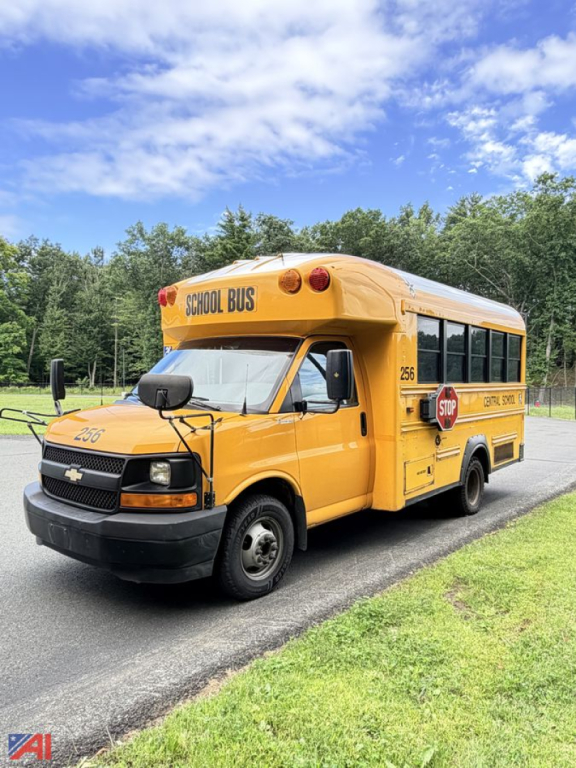
Shop Chevrolet bus trucks for sale, including Express and G-series mini buses with school, shuttle, and wheelchair-accessible configurations.
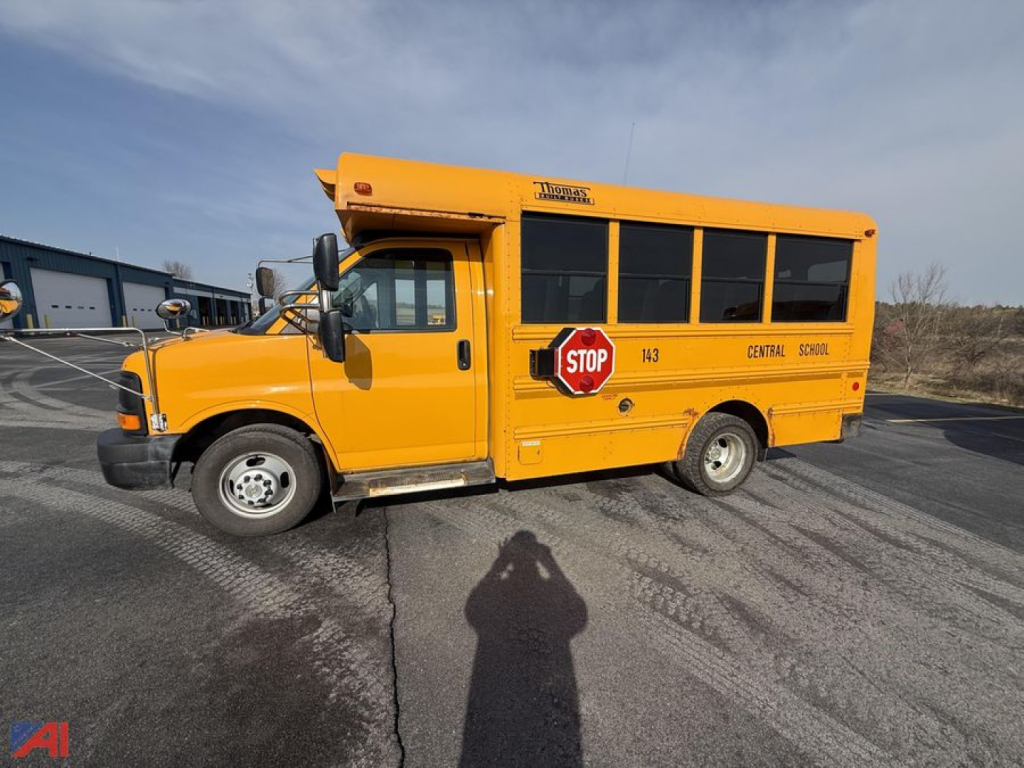
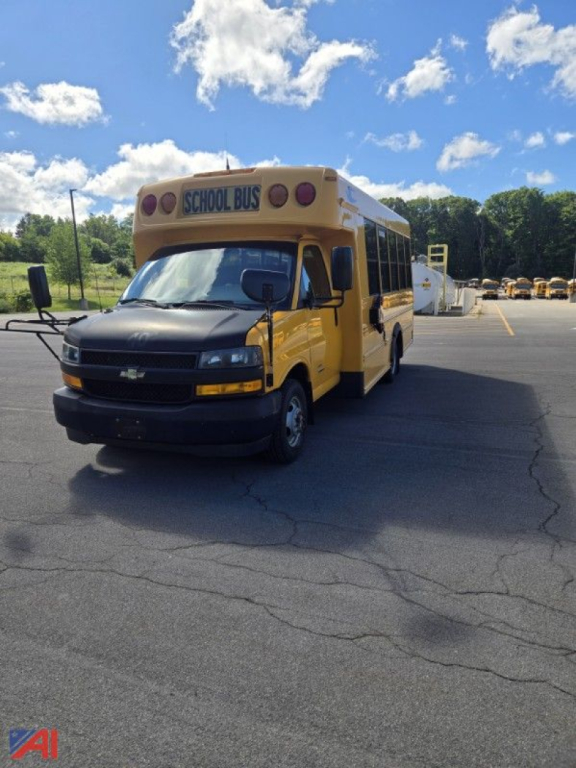
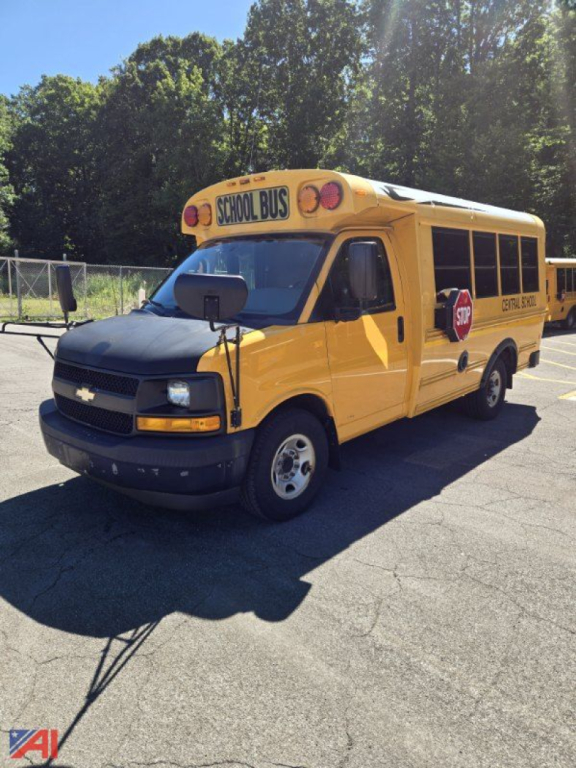
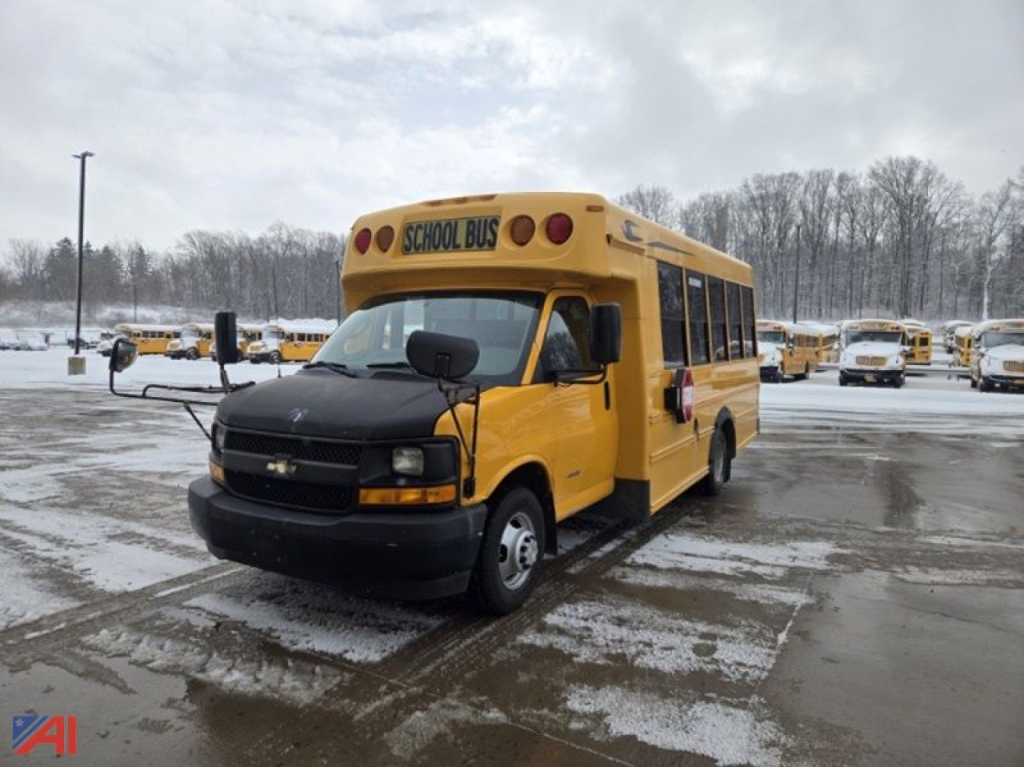
Have chevrolet bus truck to sell? List it here to reach thousands of buyers.
Chevrolet Bus Trucks
Chassis rating matters more than many buyers expect. A G3500-based bus can be a practical fit for lighter passenger counts and shorter routes, while a G4500 typically gives more margin for heavier bodies, wheelchair lifts, and higher occupant loads. Key specs to compare include GVWR, wheelbase, seating capacity, entry door style, rear HVAC, luggage or storage provisions, and whether the bus has a gas or diesel powertrain. On used Chevrolet buses, buyers should pay close attention to idle hours, transmission behavior, rear suspension wear, brake condition, and signs of body corrosion around step wells, skirt panels, and lift openings.
For school or institutional use, body equipment is just as important as the Chevrolet chassis underneath. Many buses in this class include stop arms, crossing gates, warning lights, seat belt configurations, and ADA equipment such as wheelchair lifts and tie-down stations. If the bus will be repurposed from school service to private shuttle or commercial passenger use, confirm local compliance requirements before purchase. Door width, aisle layout, headroom, and lift operation can affect daily usability as much as engine and axle specs.
Chevrolet bus trucks appeal to buyers who want a smaller footprint than a full-size conventional bus without giving up commercial-grade durability. They are well suited for tight campuses, urban routes, medical transport, and mixed-duty passenger service where maneuverability is important. A good buyer will match seating and accessibility needs to the chassis rating, then evaluate body condition and maintenance history with the same scrutiny used on any medium-duty truck.
Frequently Asked Questions about Chevrolet Bus Trucks
What is the difference between a Chevrolet G3500 bus and a G4500 bus?
The main difference is chassis capacity. A Chevrolet G3500 bus is generally better suited to lighter passenger loads and smaller body configurations, while a G4500 bus is typically chosen for higher GVWR, larger passenger counts, wheelchair equipment, and heavier-duty service. Buyers should compare actual door sticker ratings, body manufacturer specs, and completed bus weight because upfit design can change how much payload margin remains.
Are Chevrolet bus trucks good for shuttle and paratransit use?
Yes. Chevrolet bus trucks are widely used for shuttle, church, medical, senior, and ADA transport because the cutaway chassis is maneuverable, easy to service, and available in multiple body lengths. Many units are equipped with wheelchair lifts, tie-down positions, and flexible seating layouts. The best fit depends on route length, passenger volume, and how often the bus will run fully loaded.
What should I inspect on a used Chevrolet mini bus?
Focus on both chassis and body condition. Inspect engine performance, transmission shifts, brake wear, steering play, suspension condition, tire age, and service records. On the body side, check for corrosion, water intrusion, floor softness, step well damage, lift function, warning light operation, HVAC performance, and seat mounting integrity. School-use units can have low mileage with high idle time, so operating history matters.
Can a Chevrolet school bus be converted to non-school commercial use?
It can, but buyers need to verify state and local rules before putting the bus into service. School bus lighting, stop arms, color requirements, and interior equipment may need to be removed or modified depending on the intended use. Insurance, passenger licensing, ADA compliance, and DOT registration requirements can also change once the bus is reassigned from school duty to private shuttle or commercial transport.