
Chevrolet Bus Trucks For Sale in New York
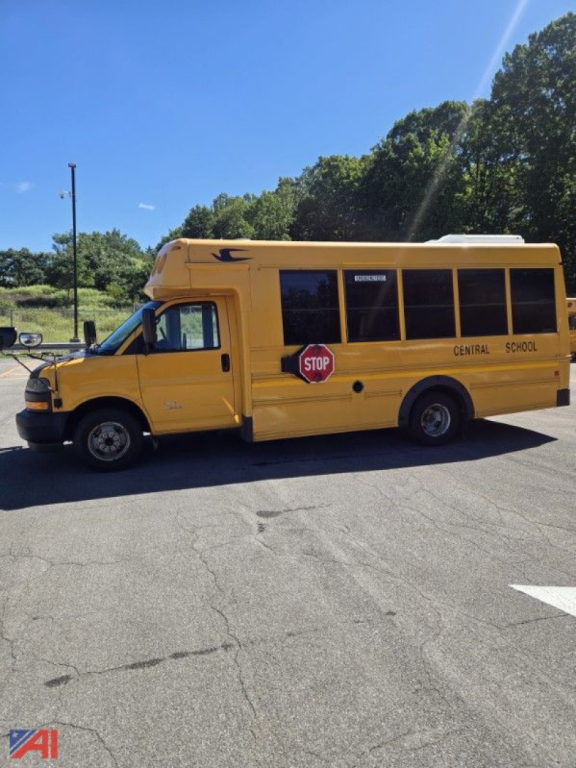
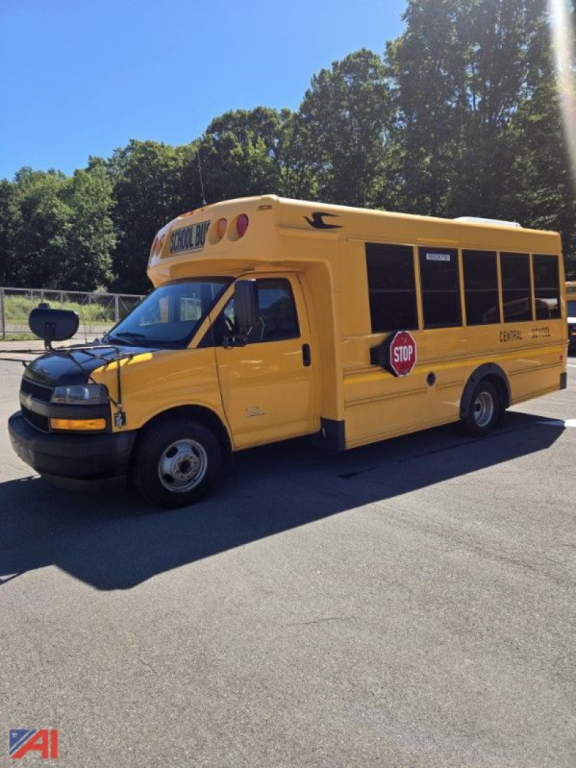
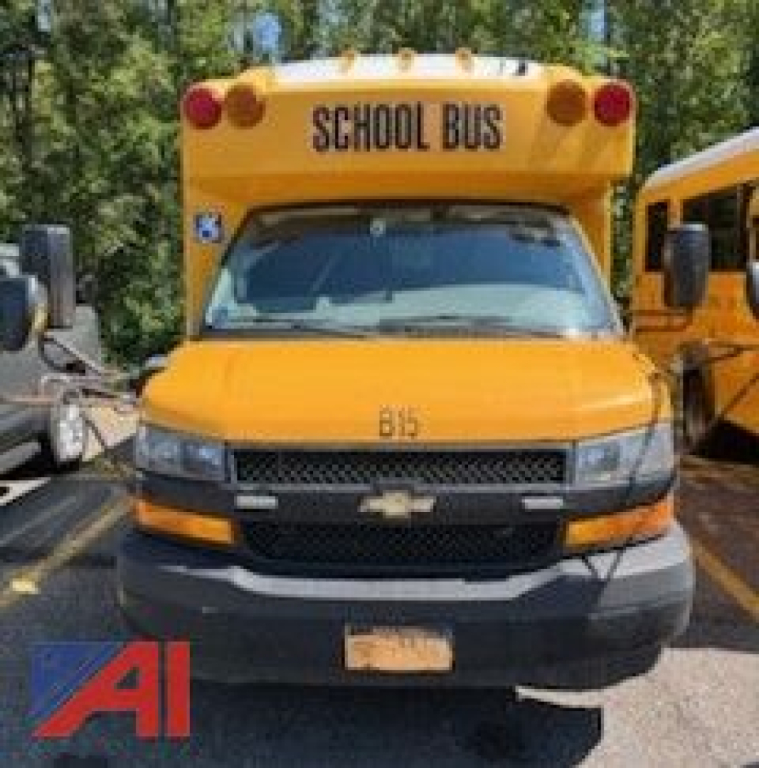
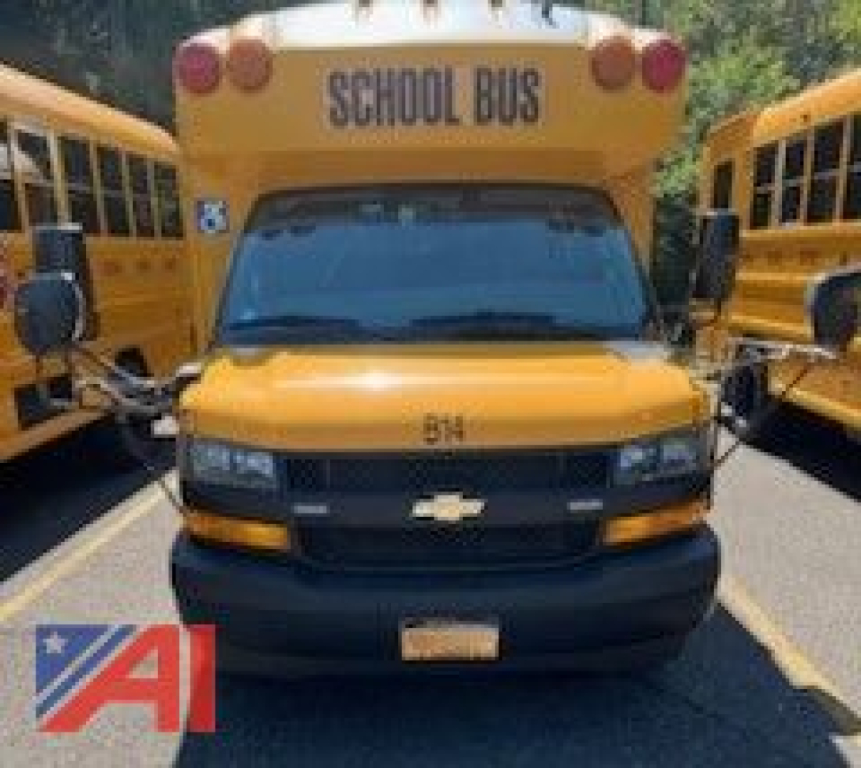
Shop Chevrolet bus trucks for sale, including Express G3500 and G4500 mini buses with school, shuttle, and wheelchair transport setups.
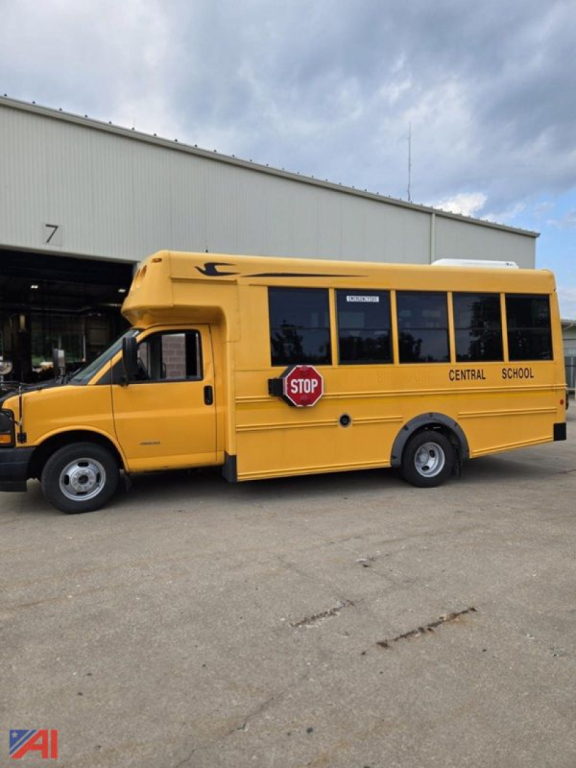
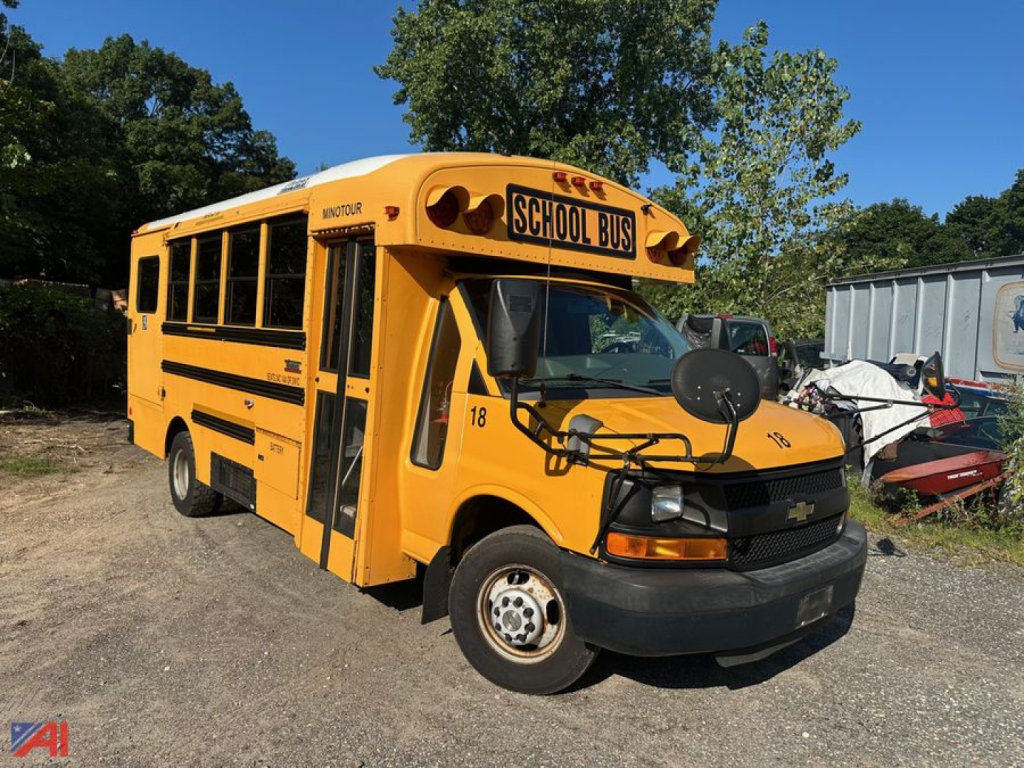
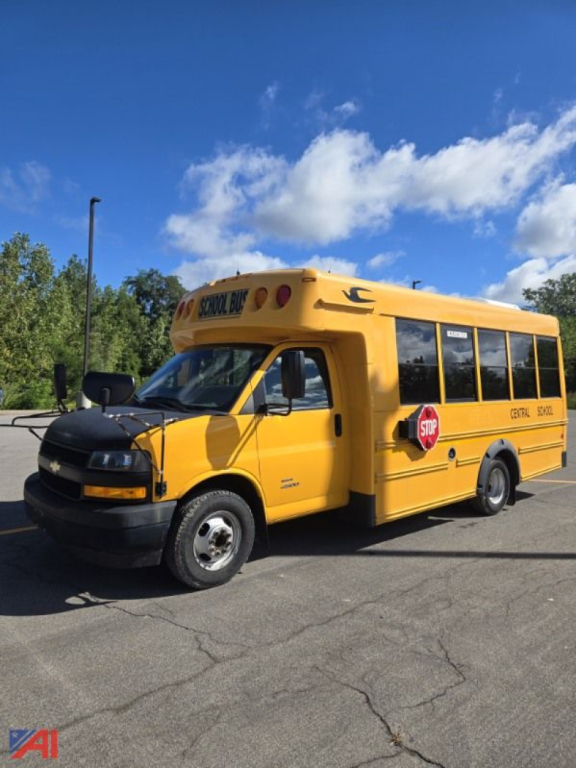
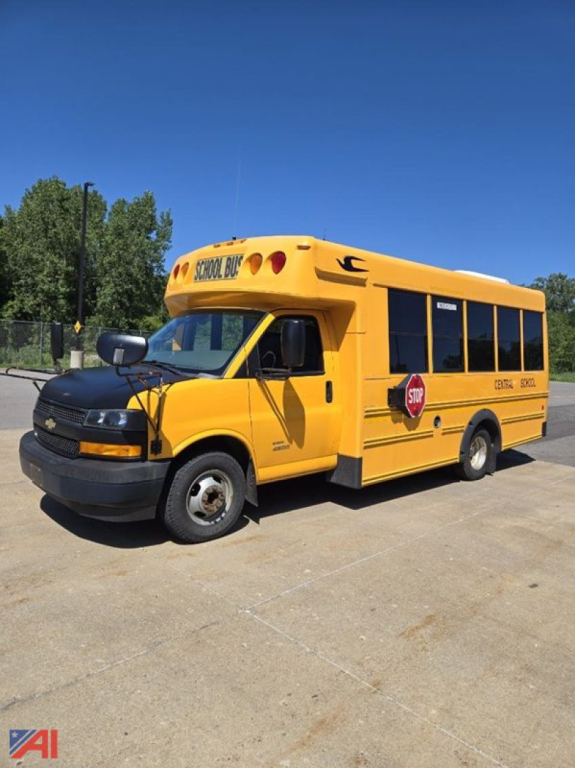
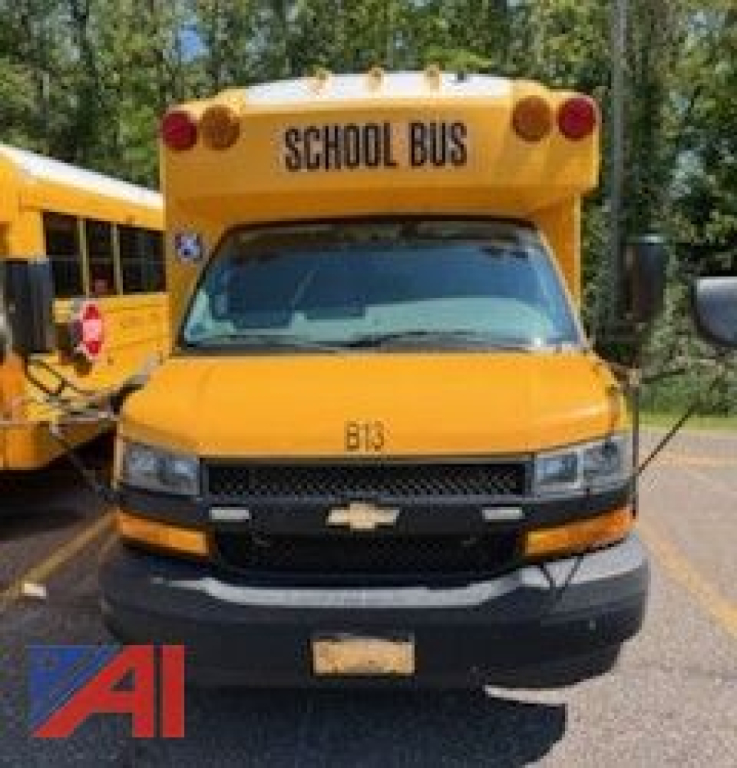
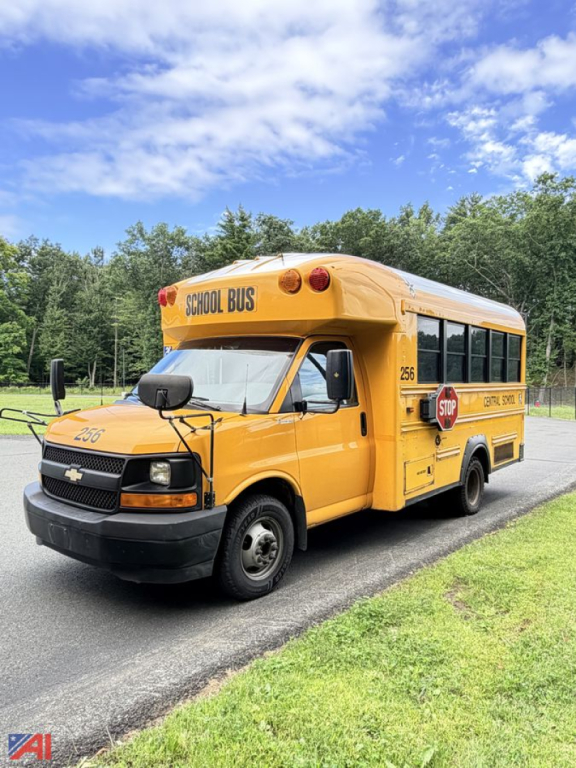
Have chevrolet bus truck to sell? List it here to reach thousands of buyers.
Chevrolet Bus Trucks in New York
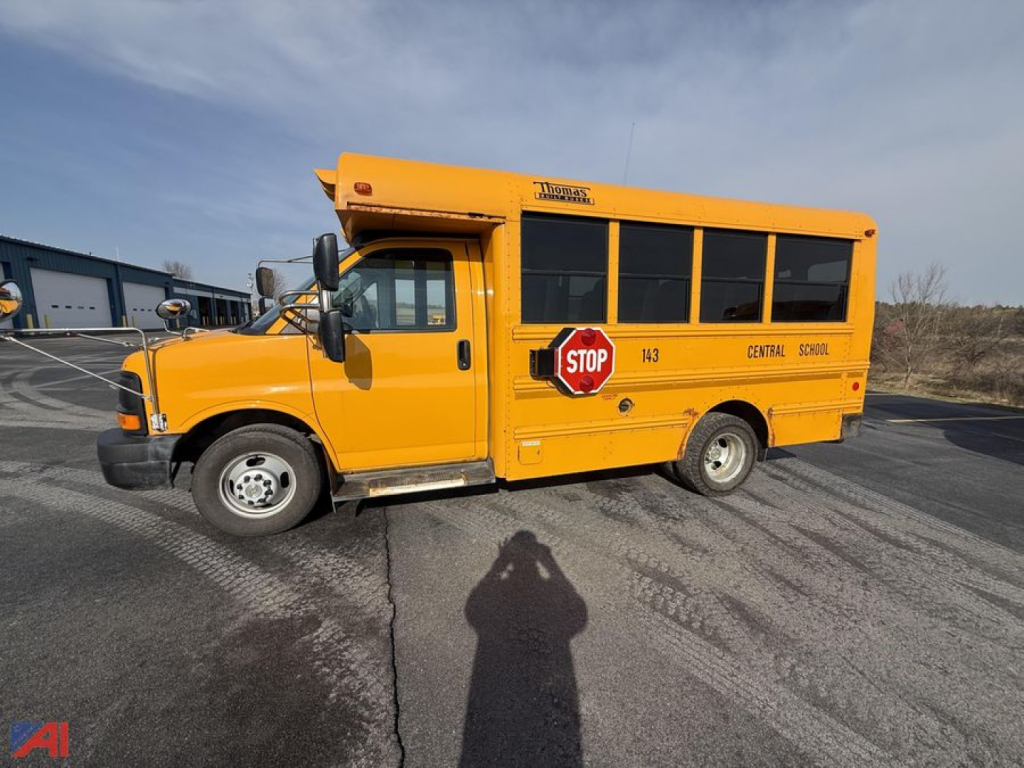
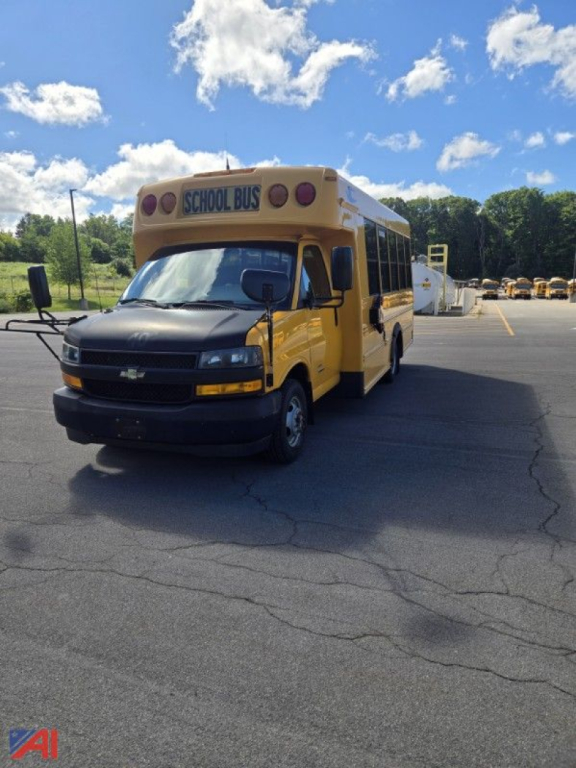
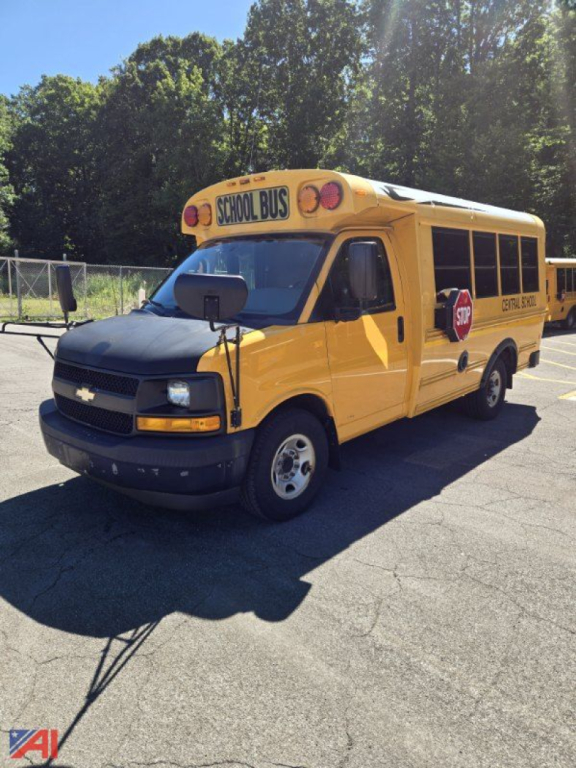
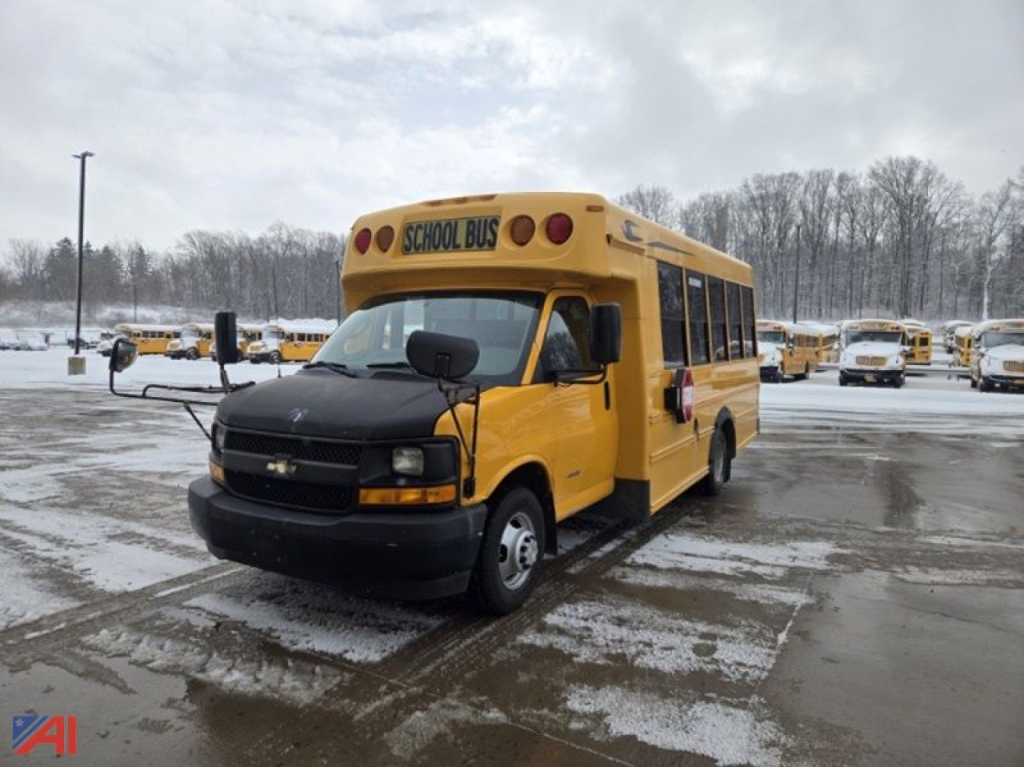
For most buyers, the critical decision starts with passenger load, body length, and door configuration. Chevrolet bus bodies are commonly built by Collins, Thomas, Starcraft, Goshen, or other body manufacturers on the GM cutaway chassis, so two buses with the same Chevrolet badge can differ significantly in roof height, aisle width, luggage space, and interior materials. Wheelchair-accessible units need close attention to lift brand, cycle count, interlock operation, tie-down track condition, and the actual number of ambulatory seats remaining when mobility positions are in use. On school bus applications, check warning light systems, crossing equipment, stop arm condition, seat mounting, and whether the unit still matches state and district compliance requirements after retirement from pupil transportation.
Powertrain and serviceability are strong points on Chevrolet bus trucks, especially for fleets that already run GM vans or cutaways. Buyers should still verify engine type, emissions equipment, transmission history, cooling system condition, and rear axle rating because passenger buses spend a lot of time in stop-and-go duty. A clean maintenance record matters more than odometer alone on this category. Idle hours, repeated cold starts, door-cycle wear, lift operation, and body corrosion can tell you more than mileage. In New York, underbody rust, brake line condition, floor integrity, and stepwell corrosion deserve special attention due to road salt exposure. If the bus was used in school service, expect frequent short routes and long idle periods. If it was used as a shuttle, interior wear and HVAC performance may be bigger concerns.
A well-matched Chevrolet bus truck can be a cost-effective option for buyers who need maneuverability, lower operating costs than a full-size transit-style bus, and straightforward parts support. The category covers everything from basic school route units to wheelchair mini buses with rear or side lifts, dual rear wheels, and higher-capacity HVAC systems. Before buying, compare seating capacity, GVWR, body manufacturer, entrance and emergency exit layout, and any remaining compliance equipment you need for your operation. On used units, the best value usually comes from a bus with a sound body structure, documented service history, properly functioning passenger safety systems, and a chassis specification that still leaves enough payload margin for your intended route.
Frequently Asked Questions about Chevrolet Bus Trucks in New York
What is the difference between a Chevrolet G3500 bus and a G4500 bus?
The Chevrolet G3500 and G4500 are both common Express cutaway bus chassis, but the G4500 typically offers a higher gross vehicle weight rating and is better suited for heavier passenger loads, longer bus bodies, or wheelchair-accessible upfits. A G3500 can work well for lighter shuttle or small school bus duty, but a G4500 usually provides more capacity margin for lifts, passengers, and cargo. Buyers should confirm the actual GVWR on the door label because body configuration can vary by manufacturer and application.
Are Chevrolet bus trucks good for school and shuttle use?
Chevrolet bus trucks are widely used in school, church, senior, and shuttle service because the Express cutaway platform is easy to service and parts availability is generally strong. They are especially practical for routes that need tighter turning, lower acquisition cost, and easier operation than a full-size conventional or transit bus. The right fit depends on passenger count, route length, stop frequency, and whether the bus needs wheelchair access or specialty seating.
What should I inspect on a used Chevrolet mini school bus in New York?
In New York, rust and structural condition are major inspection points. Check the frame, brake lines, fuel and transmission lines, floor, wheel wells, stepwell, and lower body panels for corrosion. Also inspect school bus warning systems, passenger seats, emergency exits, heaters, air conditioning, tires, suspension, and service brakes. If the bus has a wheelchair lift, test lift operation, interlocks, tie-downs, and door seals. Service records and any state inspection history are valuable on retired school or municipal units.
How many passengers does a Chevrolet bus truck usually carry?
Passenger capacity depends on the chassis, body manufacturer, interior layout, and whether the bus includes wheelchair positions. Chevrolet bus trucks in the mini bus category commonly range from small shuttle layouts to higher-density school seating configurations. Wheelchair buses often trade some seated capacity for mobility positions and lift access. The published seating number should always be reviewed alongside GVWR and axle ratings so the bus remains legal and practical when fully loaded.
Who builds the bus body on a Chevrolet bus chassis?
Chevrolet supplies the cutaway chassis, but the passenger body is typically built by a specialty bus body manufacturer such as Collins, Starcraft, Thomas, Goshen, or another commercial body builder. That matters because body construction, parts sourcing, electrical layout, roof design, and interior quality can vary significantly between manufacturers. When comparing buses, buyers should evaluate both the Chevrolet chassis and the body builder's design, support, and replacement parts availability.