
Bus Trucks For Sale in Massachusetts
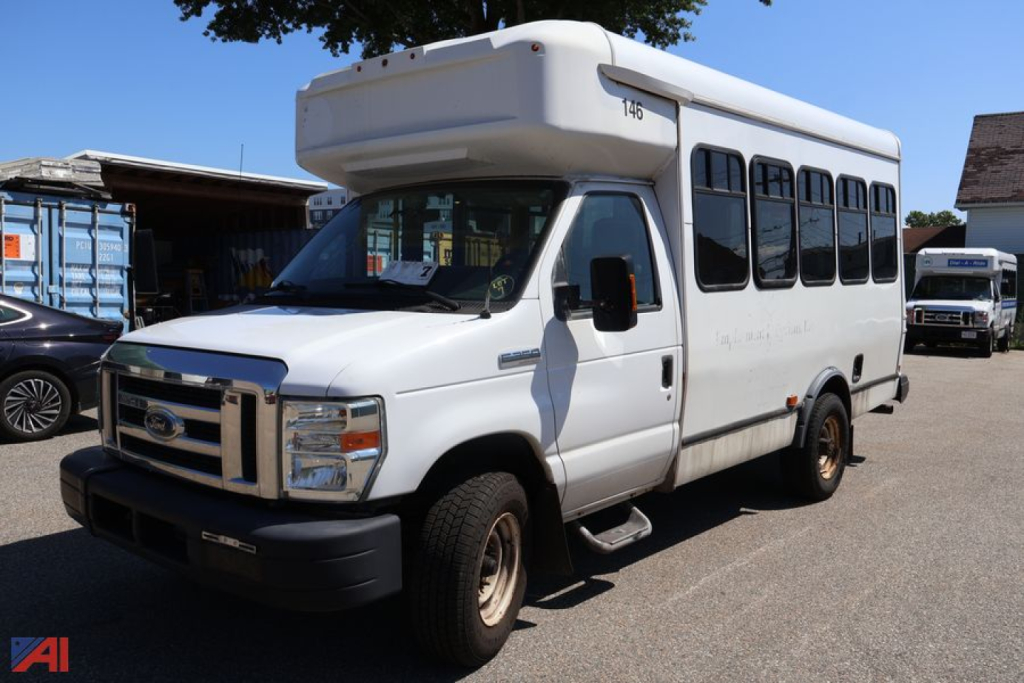
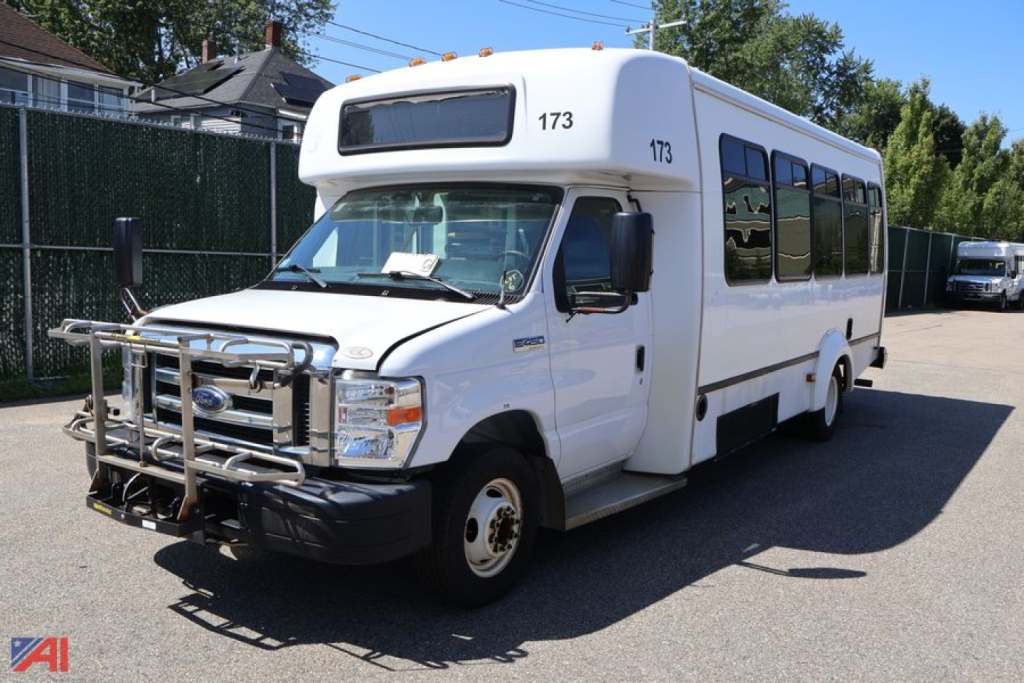
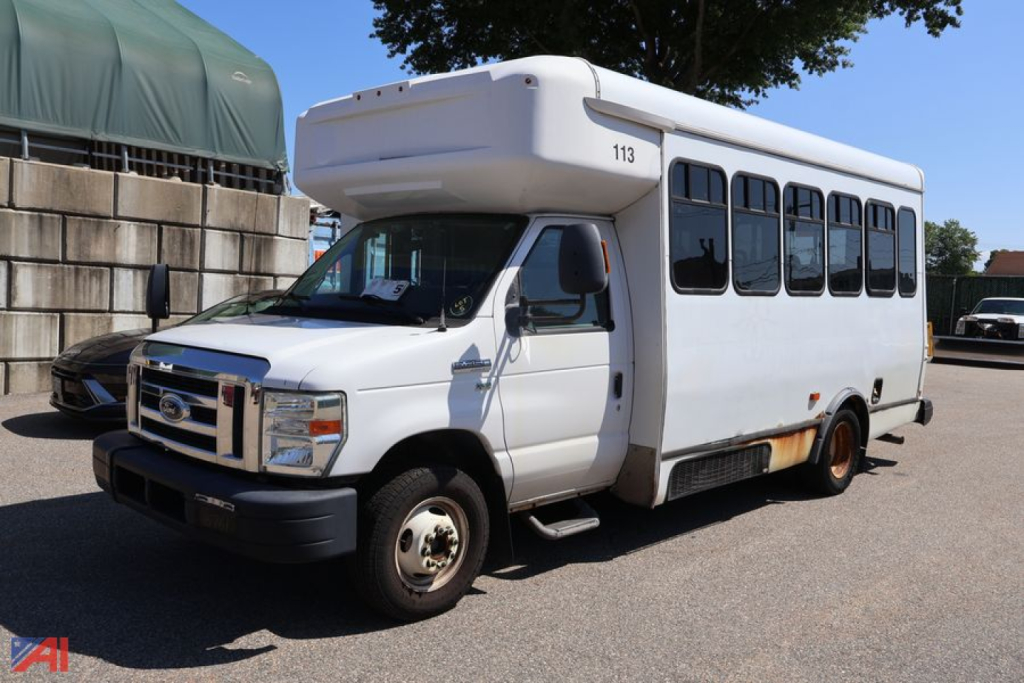
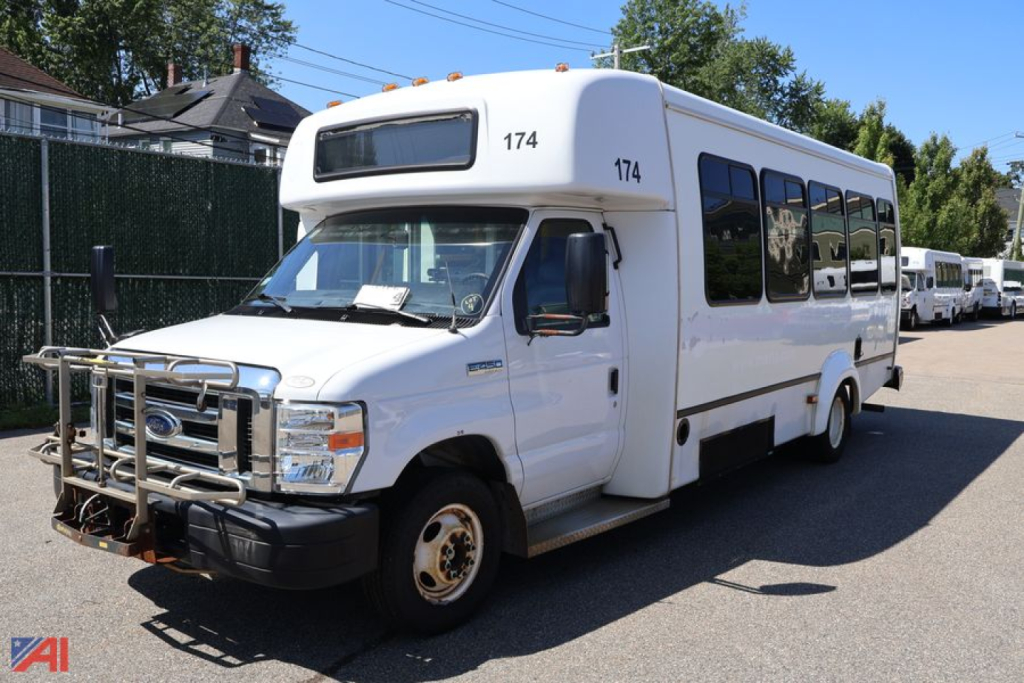
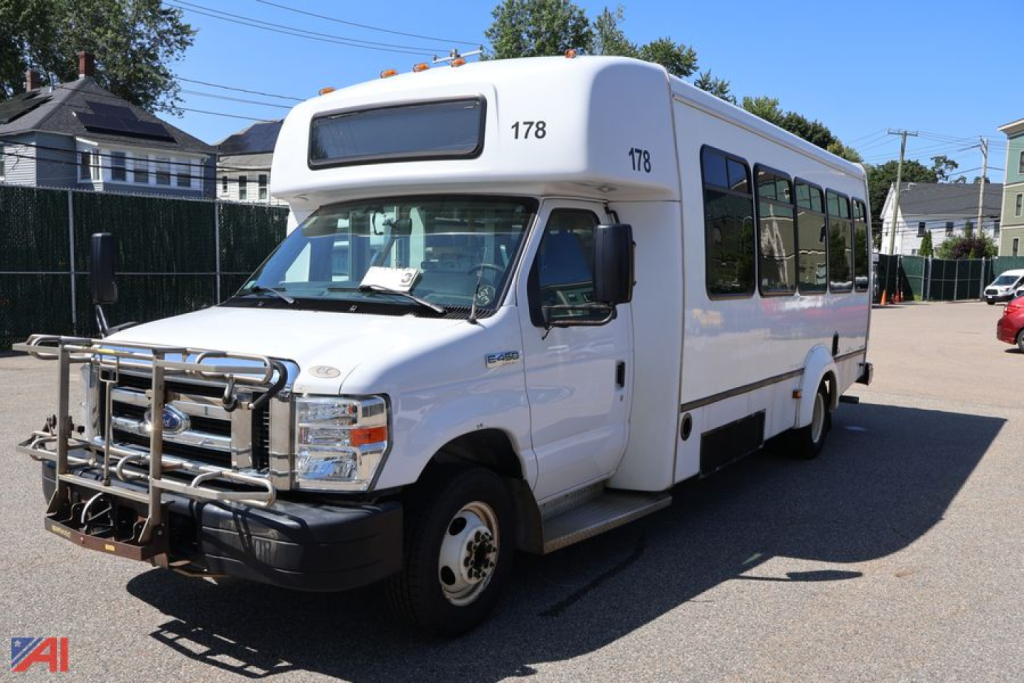
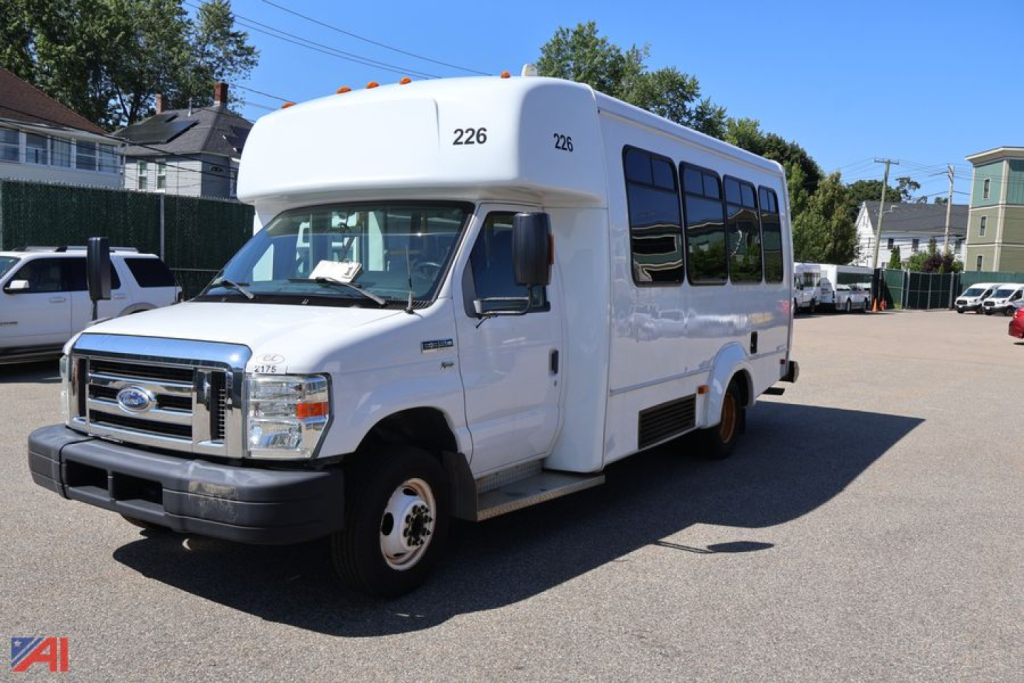
Have bus truck to sell? List it here to reach thousands of buyers.
Bus Trucks in Massachusetts
For many buyers, GVWR, seating capacity, and door configuration are the first real decision points. An E-350 based bus may suit lighter passenger counts and shorter urban or suburban routes, while an E-450 often makes more sense when you need additional passenger capacity, wheelchair positions, or heavier duty suspension and brake capacity. Common spec items include gas engines, automatic transmissions, dual rear wheels, rear HVAC, passenger heat, tinted coach windows, and rubber or transit-style flooring for easy cleaning. On wheelchair buses, check the lift brand, cycle count if available, interlock operation, and the condition of the tie-down tracks and retractors. A bus that looks clean cosmetically can still need expensive accessibility or HVAC work.
Massachusetts operating conditions make corrosion and cold-weather performance especially important. Buyers should pay close attention to underbody rust, brake and fuel lines, step wells, lift frames, rocker panels, rear door surrounds, and the condition of floor structure around wheelchair securement points. Frequent stop-and-go service also puts wear on transmission components, door motors, alternators, and AC systems. If the unit came from a transit authority, school-related fleet, healthcare operator, or municipality, maintenance records can tell you a lot about idling hours, preventive service intervals, and recurring electrical issues. On older shuttle buses, water intrusion around roof caps, side windows, and rear seams is another item worth checking because interior damage can stay hidden under wall panels and flooring.
The right bus depends on route length, passenger mix, storage needs, and compliance requirements. Some buyers need a simple shuttle body with perimeter seating, while others need a wheelchair bus with multiple securement stations and enough aisle space for attendants. Pay attention to overall body length, turning radius, interior headroom, luggage or rear cargo area, and the availability of local service for both the chassis and the bus body manufacturer. A well-matched bus should be easy to maintain, legal for the intended passenger service, and configured for the boarding speed and passenger flow your operation actually sees every day.
Frequently Asked Questions about Bus Trucks in Massachusetts
What is the difference between a Ford E-350 bus and a Ford E-450 bus?
The main difference is capacity and duty rating. A Ford E-450 bus typically offers a higher GVWR, more payload, and a heavier-duty suspension and brake package than an E-350, which makes it a common choice for larger passenger loads, wheelchair positions, and more demanding stop-and-go service. An E-350 can still be a practical option for lighter-duty shuttle work, but buyers should match the chassis to actual passenger count, body size, and equipment weight rather than choosing by price alone.
What should I inspect first on a used wheelchair bus?
Start with the wheelchair lift, securement system, and floor structure. The lift should cycle smoothly, deploy correctly, and operate with its interlocks functioning as designed. Inspect tie-down tracks, shoulder belts, retractors, and anchoring points for wear, missing hardware, or corrosion. After that, check the floor around securement stations, step well condition, door operation, rear HVAC performance, and any signs of water intrusion or rust under the body.
Are shuttle buses in Massachusetts prone to rust?
Yes. Massachusetts road salt and winter moisture can accelerate corrosion on bus chassis and body structures. Pay close attention to the undercarriage, brake lines, fuel lines, body mounts, wheel arches, rocker areas, lift frames, and step wells. Surface rust is common on older units, but structural corrosion around the floor, suspension mounts, or wheelchair securement areas deserves much closer scrutiny because repairs can be extensive and costly.
What is a cutaway bus?
A cutaway bus is a bus body mounted on a chassis-cab platform, usually with the original front cab retained and a passenger body added behind it. This design is common in shuttle buses, church buses, senior transport buses, and paratransit buses because it combines familiar serviceability with flexible body layouts. Ford E-Series based units are a common example in this category.
Which features matter most for shuttle or paratransit service?
The most important features usually include door configuration, wheelchair accessibility, seating layout, HVAC capacity, interior durability, and ease of maintenance. In real-world fleet use, fast passenger loading, reliable air conditioning, clean flooring, and dependable lift operation often matter more than cosmetic appearance. Buyers should also consider turning radius, visibility, driver ergonomics, and whether local shops can support both the chassis and the body systems.