
2019 Bus Trucks For Sale in Massachusetts
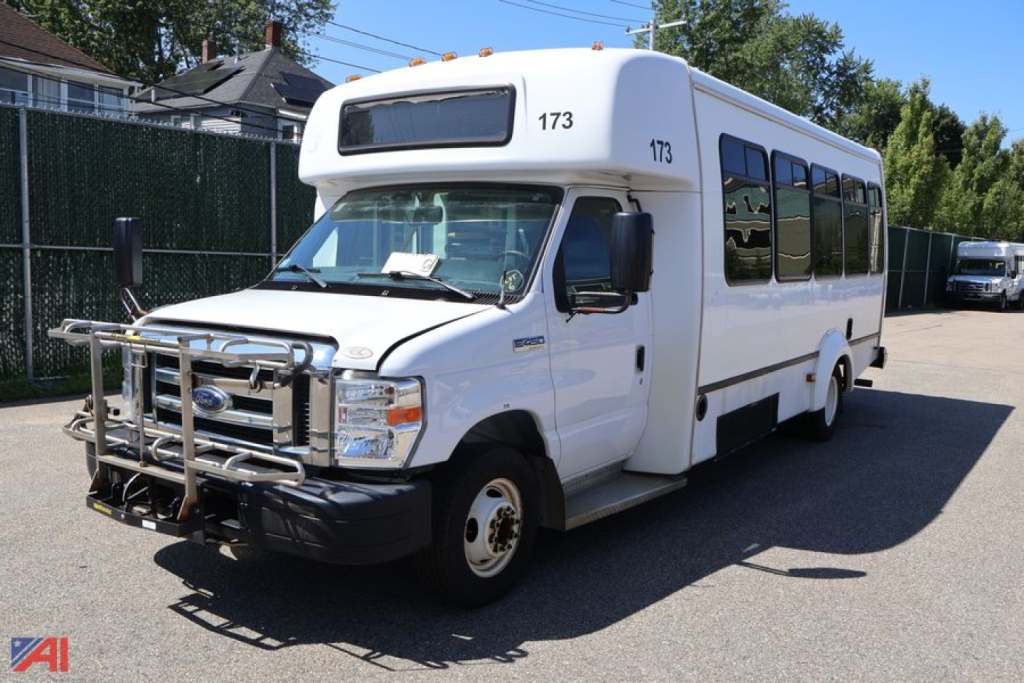
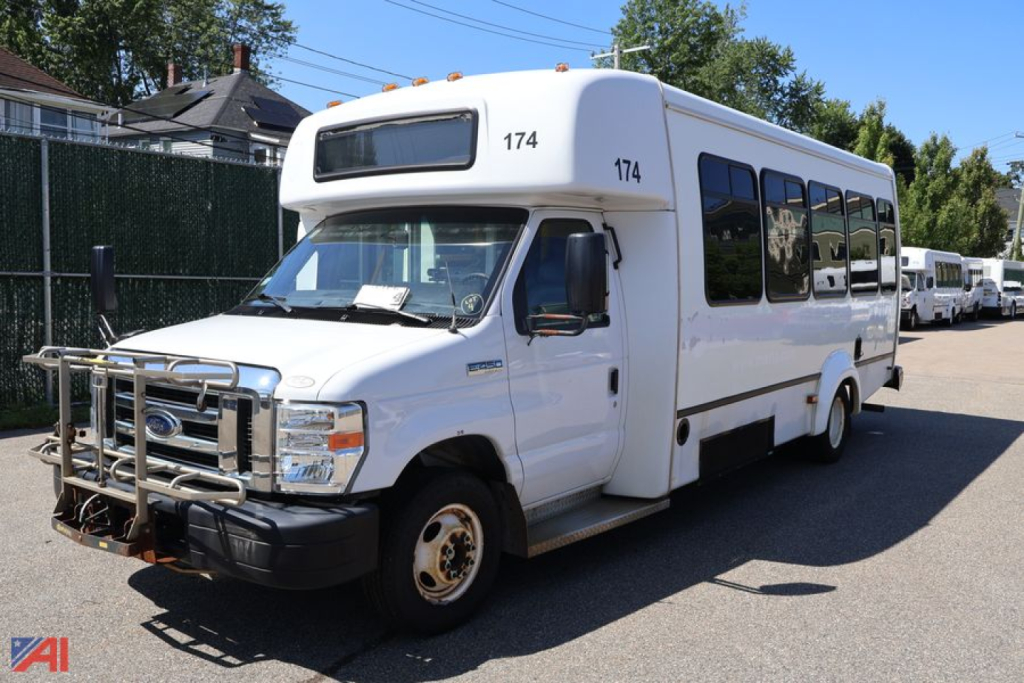
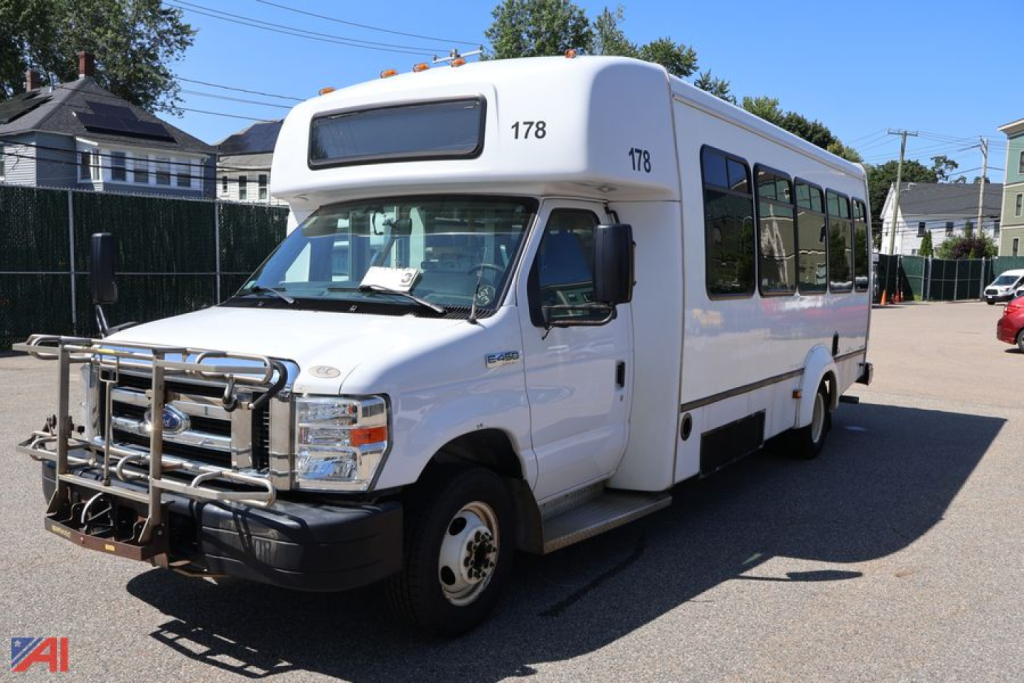
Have 2019 bus truck to sell? List it here to reach thousands of buyers.
2019 Bus Trucks in Massachusetts
For many buyers, the key decision is E350 versus E450. A 2019 Ford E350 bus typically suits lighter passenger counts and lower gross vehicle weight needs, while an E450 usually gives more payload margin, heavier-duty suspension components, and better support for larger wheelchair bus bodies. Common features in this category include ADA-compliant wheelchair lifts or ramps, Q'Straint-style tie-down positions, side or rear passenger entry, auxiliary HVAC, high-roof interiors, and multiple seating layouts. If the unit is a wheelchair bus, inspect the lift cycle count, door seals, kneeling function if equipped, and the condition of floor tracks and securement hardware.
Fuel type is another major consideration in 2019 bus trucks. Some Massachusetts fleet units from this period were spec'd with compressed natural gas, which can reduce fuel cost exposure for operators with access to CNG infrastructure. A natural gas bus can make sense for fixed-route or depot-based service, but buyers should confirm tank age, fuel system inspection records, station access, and technician familiarity before committing. Gasoline-powered cutaway buses remain attractive for simpler fueling and easier deployment across mixed-use routes. In either case, review idle hours, transmission performance, cooling system condition, brake wear, and the operation of wheelchair interlocks, warning buzzers, and emergency exits.
A used 2019 bus should also be evaluated as a passenger-service asset, not just a chassis. Body condition, rust around step wells, roof seams, underbody corrosion, window seals, heater performance, and A/C output all affect uptime and rider satisfaction. In Massachusetts, winter exposure makes corrosion inspection especially important on frame rails, brake lines, door hardware, and lift components. Buyers comparing listings should pay close attention to seating capacity, standing room, GVWR, door configuration, wheelchair positions, and maintenance documentation. The best bus for sale in this class is usually the one with the clearest service history, the right accessibility layout, and a chassis matched to the route it will actually run.
Frequently Asked Questions about 2019 Bus Trucks in Massachusetts
What is the difference between a 2019 Ford E350 bus and a 2019 Ford E450 bus?
The main difference is chassis capacity. A 2019 Ford E450 bus generally offers a higher GVWR, more payload margin, and a heavier-duty suspension and brake package than an E350. That makes the E450 a better fit for larger shuttle bodies, more passengers, or multiple wheelchair positions. An E350 can still be a solid choice for lighter-duty service, shorter routes, and lower passenger counts where acquisition cost and operating weight matter more than maximum capacity.
Are 2019 wheelchair buses a good choice for paratransit and senior transport?
Yes, 2019 wheelchair buses are commonly used for paratransit, senior transportation, municipal dial-a-ride, and medical shuttle service. Buyers should verify the ADA equipment is fully functional and compliant, including the wheelchair lift or ramp, securement stations, interlock systems, and door controls. The most important inspection points are lift operation under load, condition of the floor and tie-down tracks, interior maneuvering space, and the service history of accessibility components.
What should I inspect on a used 2019 bus in Massachusetts?
Rust and corrosion should be high on the list because Massachusetts road salt can affect the underbody, frame, brake lines, electrical connections, and wheelchair lift hardware. Buyers should also inspect roof seams, step wells, door hinges, weather seals, subfloor condition, and HVAC performance. Beyond the body, check engine hours if available, transmission shift quality, brake life, tire date codes, and records for preventative maintenance and state fleet service.
Is a natural gas 2019 bus worth buying?
A natural gas bus can be a strong fleet option if the route structure and fueling setup support it. CNG units are often a practical match for fixed routes or depot-return service where refueling access is predictable. Before purchase, confirm tank certification dates, fuel system maintenance records, parts support, and local technician capability. If fueling access is limited or the bus will run flexible regional assignments, a gasoline-powered model may be easier to operate.
What passenger and body features matter most on a 2019 shuttle or wheelchair bus?
The most important features depend on the route, but buyers usually focus on seating capacity, number of wheelchair positions, entry door configuration, interior headroom, HVAC capacity, and luggage or rear storage layout if applicable. For passenger comfort and uptime, look closely at air conditioning performance, heater output, seat mounting integrity, window condition, and the durability of the flooring and sidewall panels. A well-matched body layout can matter as much as chassis choice because it directly affects loading speed, rider safety, and daily usability.