
2019 Ford Bus Trucks For Sale in Massachusetts
Have 2019 ford bus truck to sell? List it here to reach thousands of buyers.
2019 Ford Bus Trucks in Massachusetts
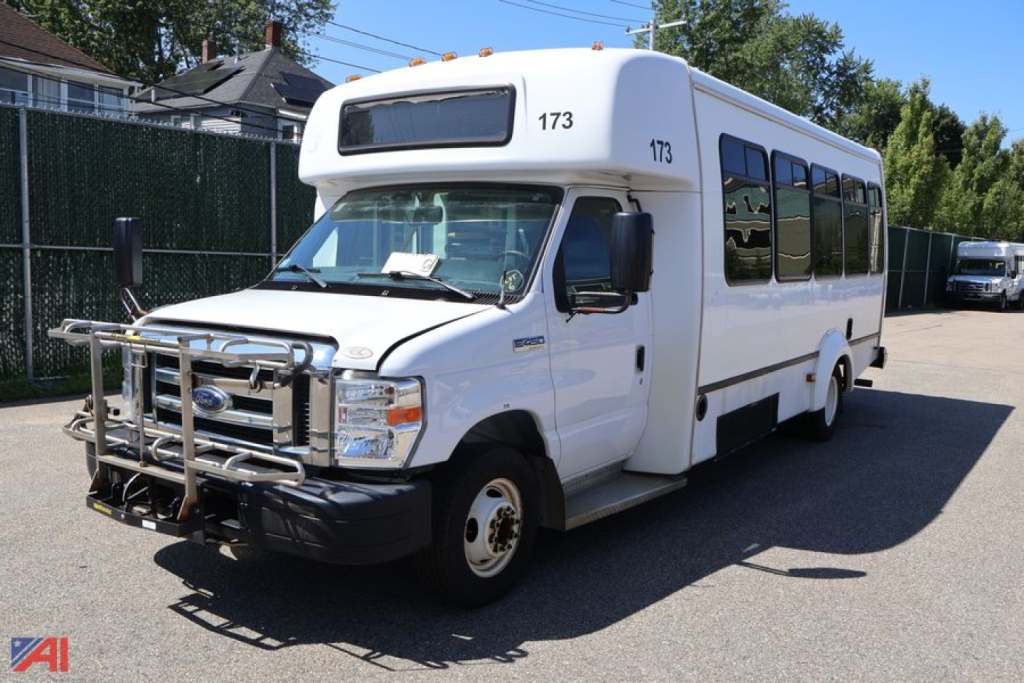
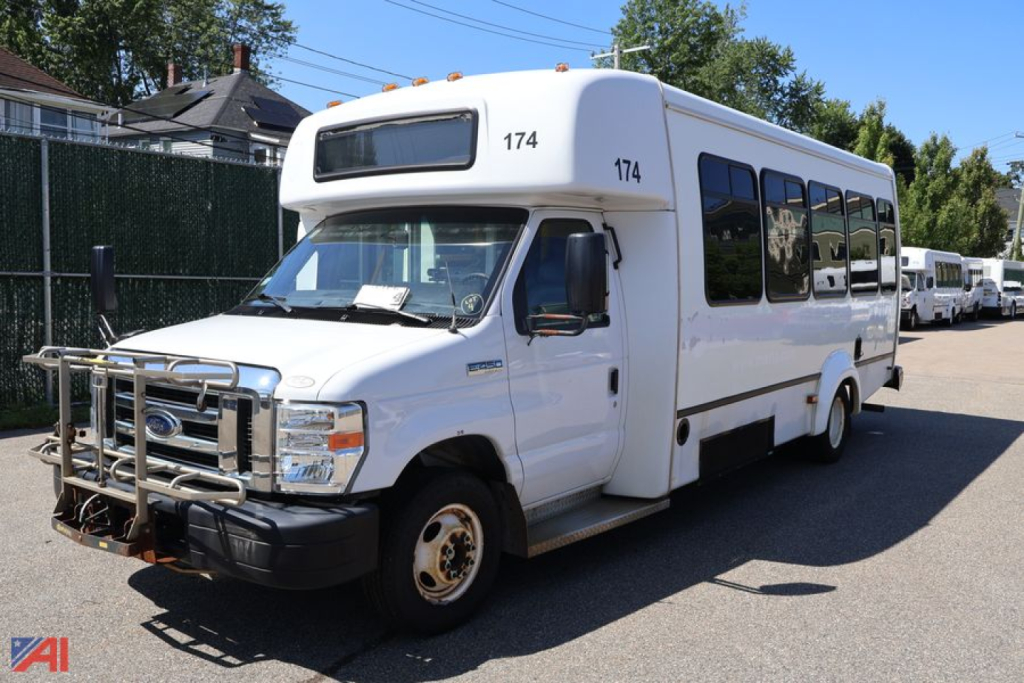
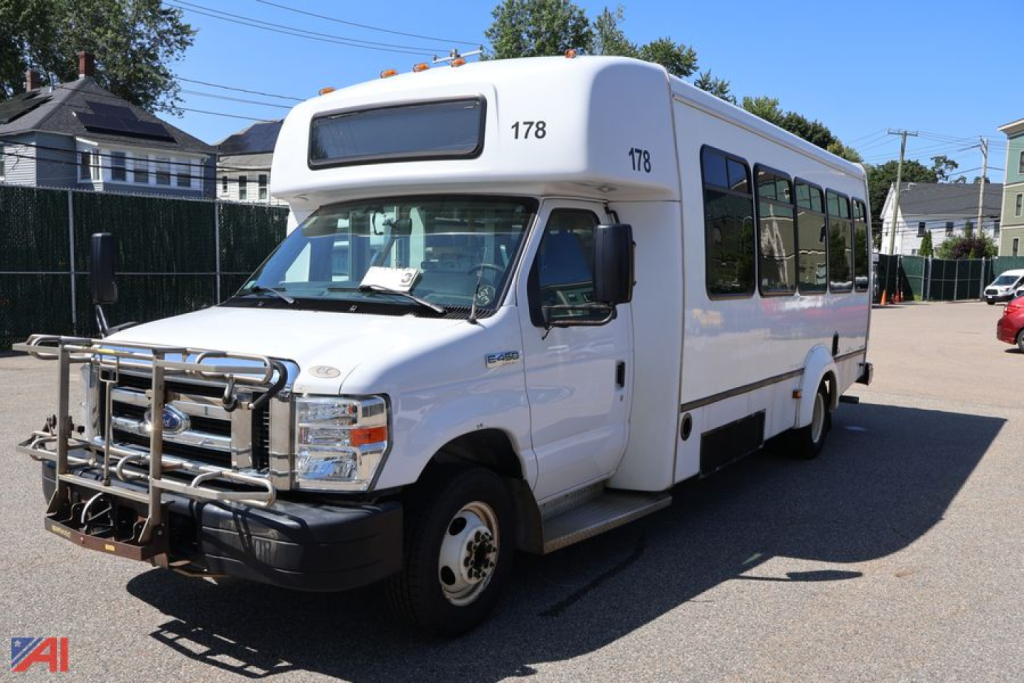
For many 2019 Ford bus applications, the key buying decision is body configuration rather than the Ford cab itself. A wheelchair-accessible unit should be evaluated for lift brand and condition, door cycle wear, wheelchair securement layout, ADA compliance equipment, and interior aisle space. On a shuttle or small transit bus, look closely at seating count, rear luggage or storage arrangement, HVAC performance, and entry step height. If the bus was built for municipal or regional transit duty, expect heavier passenger use and more frequent door, suspension, and brake wear than on a lightly used church or hotel shuttle.
Powertrain and fuel type deserve close attention on 2019 Ford buses. Many use gasoline V10 power, while some fleet units, especially transit or municipal buses, may be configured for compressed natural gas. A natural gas Ford E-450 can offer lower fuel cost in the right operation, but only if your route network has dependable fueling access and your shop is prepared for CNG inspection and maintenance requirements. In Massachusetts, buyers should also account for cold-weather starting performance, underbody corrosion from road treatment, heater output, and the condition of door seals, lift components, and body mounts after winter service.
The strongest used 2019 Ford bus candidates usually show consistent fleet maintenance, clean electrical work, and body integrity around the wheelchair door, rear corners, and roof seams. Check for suspension squat, uneven tire wear, brake life, warning light history, and generator or auxiliary electrical function if equipped. Because these buses are often upfitted by body manufacturers after the chassis leaves Ford, the quality of the body, lift, wiring, and interior fit-out is just as important as the chassis mileage. For buyers comparing multiple listings, the best value often comes from matching the bus's prior duty cycle and capacity to your current route, passenger mix, and service environment.
Frequently Asked Questions about 2019 Ford Bus Trucks in Massachusetts
What is the difference between a Ford E-350 bus and a Ford E-450 bus?
The main difference is chassis capacity. A Ford E-450 bus usually offers a higher GVWR and is better suited for heavier passenger loads, larger shuttle bodies, wheelchair lifts, and frequent stop-and-go service. An E-350 can work well for lighter-duty passenger transport, but buyers should confirm body size, seated capacity, and actual payload before assuming the lower-rated chassis will handle the same work as an E-450.
Are 2019 Ford buses commonly used for wheelchair and paratransit service?
Yes. Many 2019 Ford buses on the used market are wheelchair-accessible shuttle or paratransit units built on E-Series cutaway chassis. These buses often include ADA lifts or ramps, wheelchair securement positions, grab rails, and transit-style door systems. Buyers should inspect lift operation, interlock function, floor condition around securement tracks, and the overall accessibility layout, since those items directly affect safe daily use.
Is a natural gas 2019 Ford bus a good choice for a fleet?
A CNG-configured 2019 Ford bus can be a strong fit for fleets with reliable fueling infrastructure and technicians familiar with natural gas systems. It may reduce fuel costs and align with municipal or sustainability goals. The tradeoff is that fuel availability, tank inspection requirements, and service capability matter more than they do on a standard gasoline unit. If fueling access is inconsistent, the operational savings can disappear quickly.
What should buyers inspect first on a used 2019 Ford bus in Massachusetts?
Start with corrosion, lift or door function, and evidence of prior fleet maintenance. Massachusetts buses often see winter road salt, so underbody condition, brake lines, body mounts, and lower body panels deserve close attention. After that, inspect tires for uneven wear, confirm HVAC performance, check all warning lights, and verify that passenger equipment such as heaters, emergency exits, and securement systems are working properly.
Why does the body manufacturer matter on a Ford bus?
The Ford chassis is only part of the vehicle. Most bus units are completed by an upfitter that adds the passenger body, electrical systems, lift installation, seating, windows, and climate equipment. Body construction quality affects durability, water intrusion resistance, wiring reliability, and ease of repair. When comparing used buses, a well-maintained body with solid interior and electrical workmanship can be more valuable than a similar chassis with lower miles but poorer upfit quality.