
2019 Ford Bus Trucks For Sale
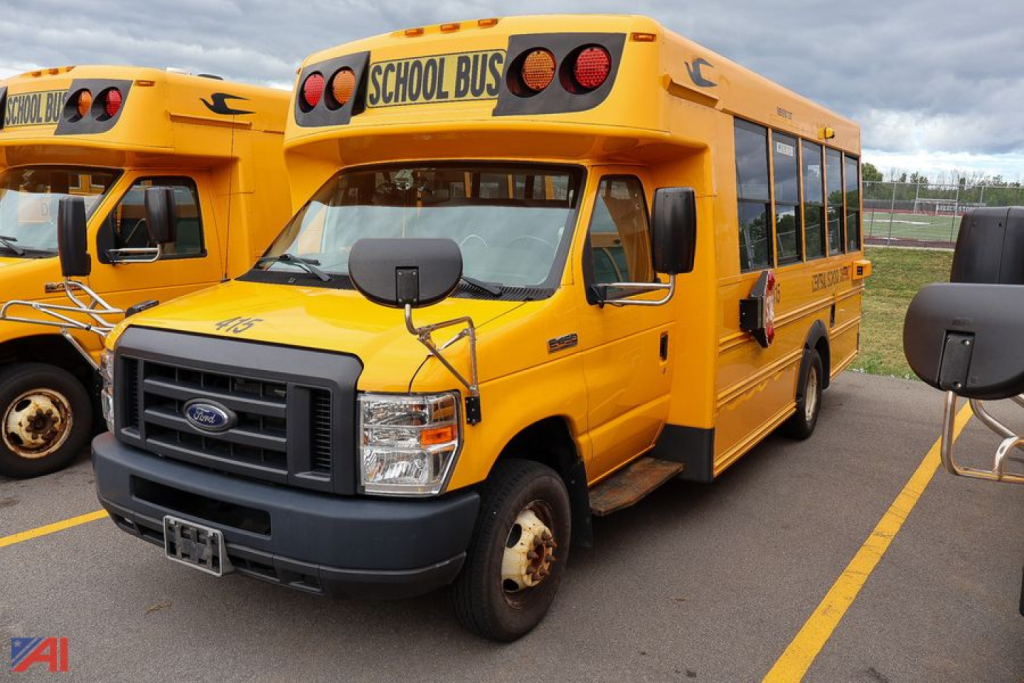
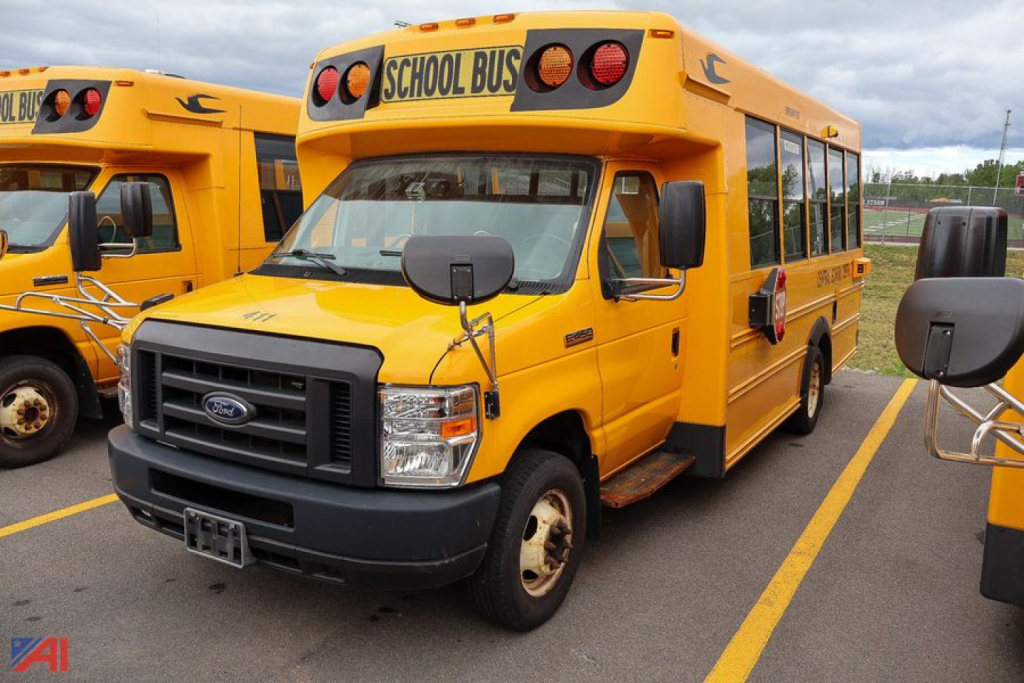
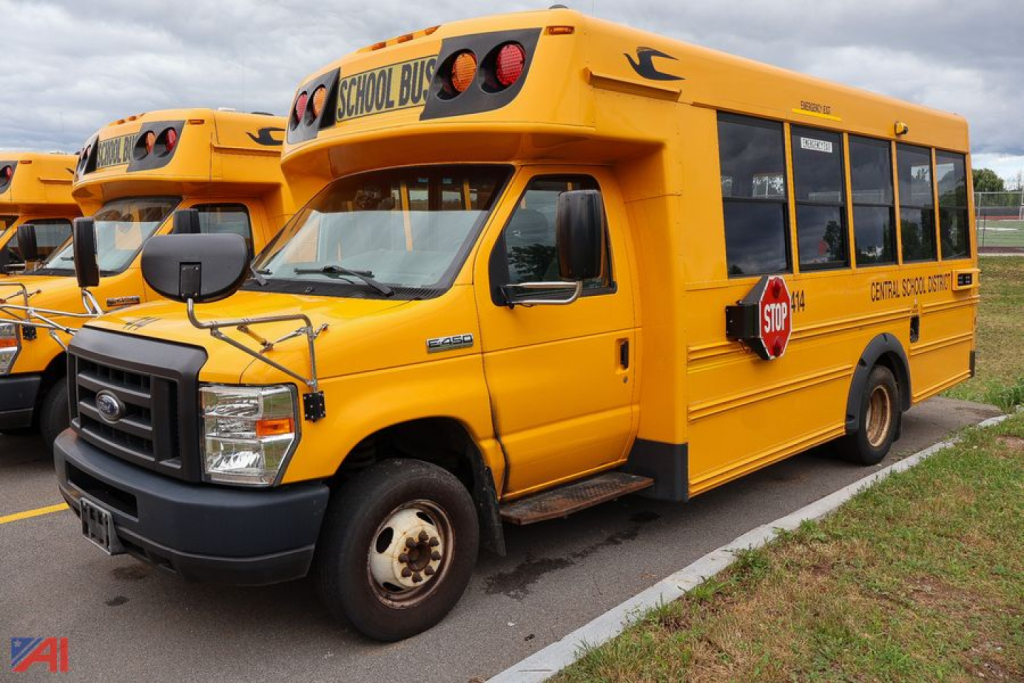
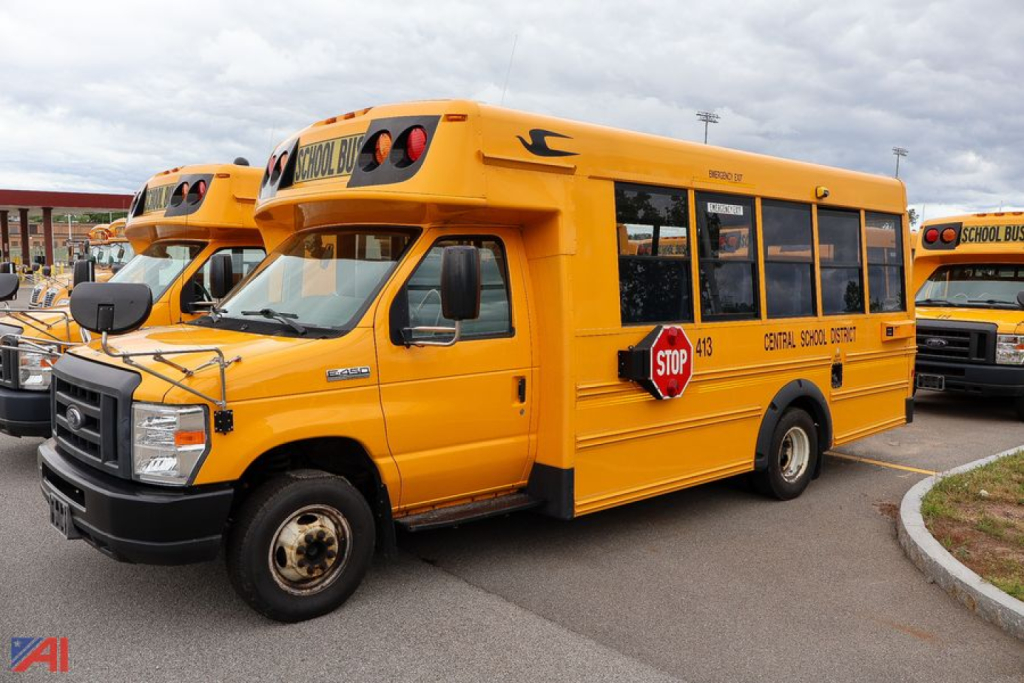
Have 2019 ford bus truck to sell? List it here to reach thousands of buyers.
2019 Ford Bus Trucks
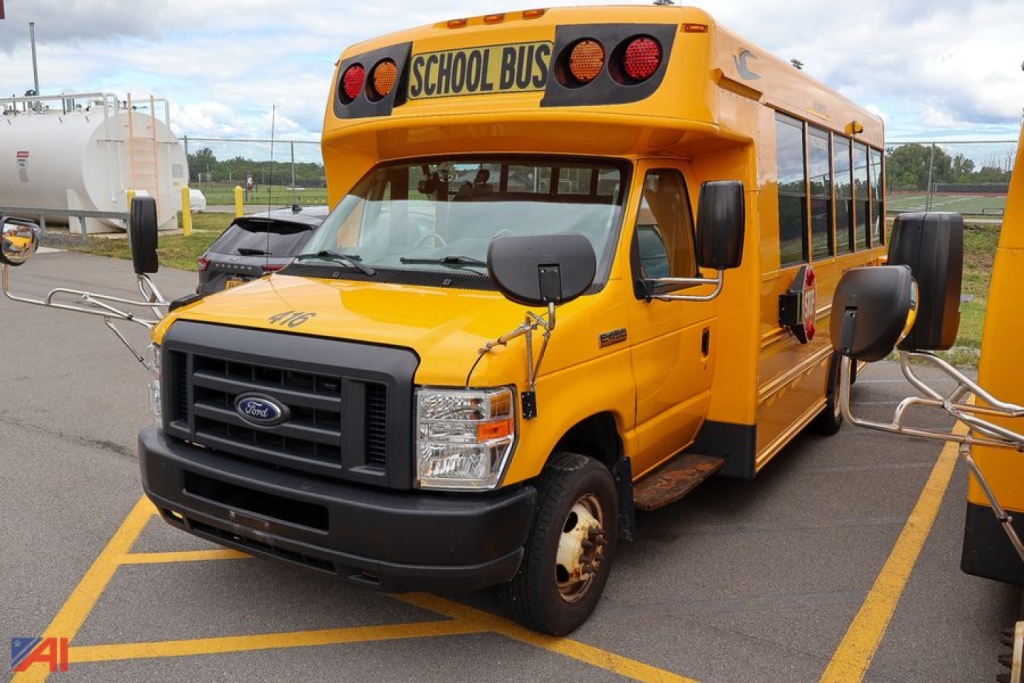
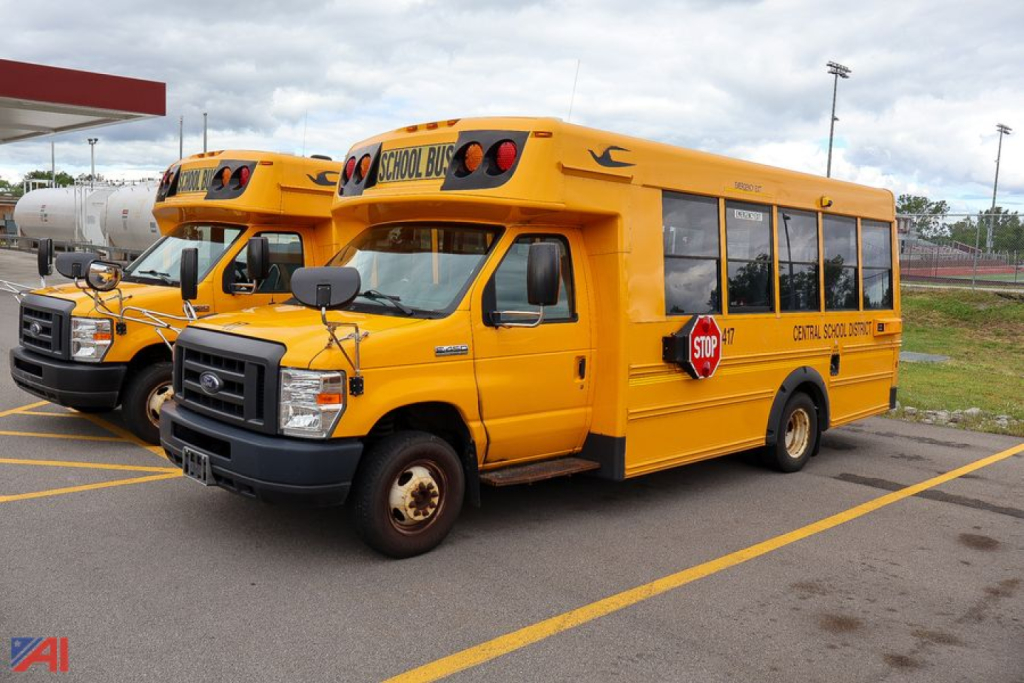
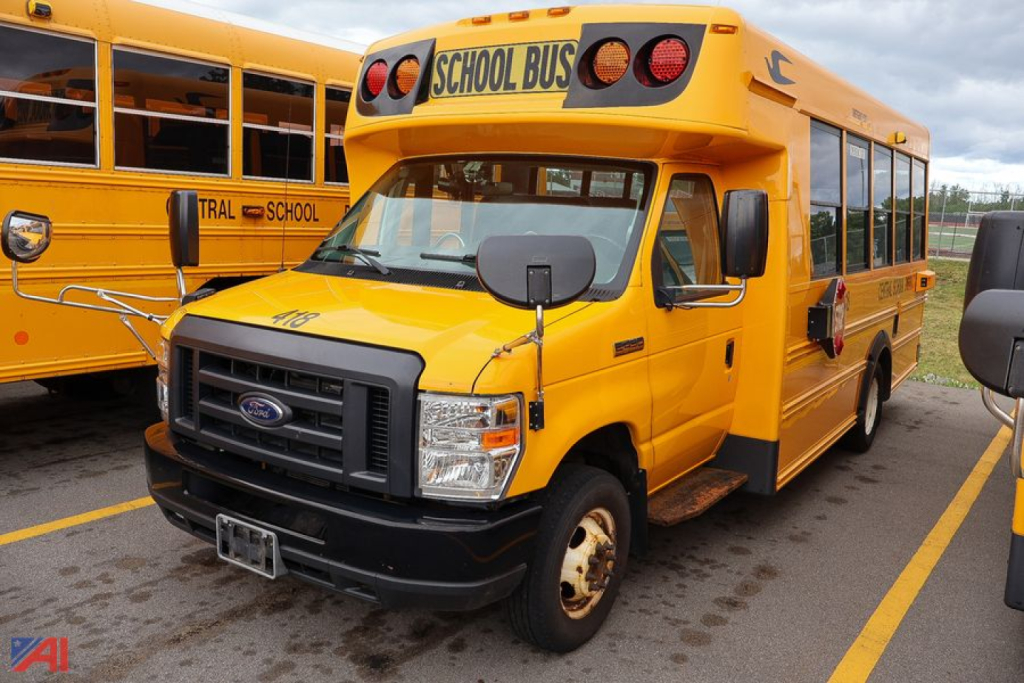
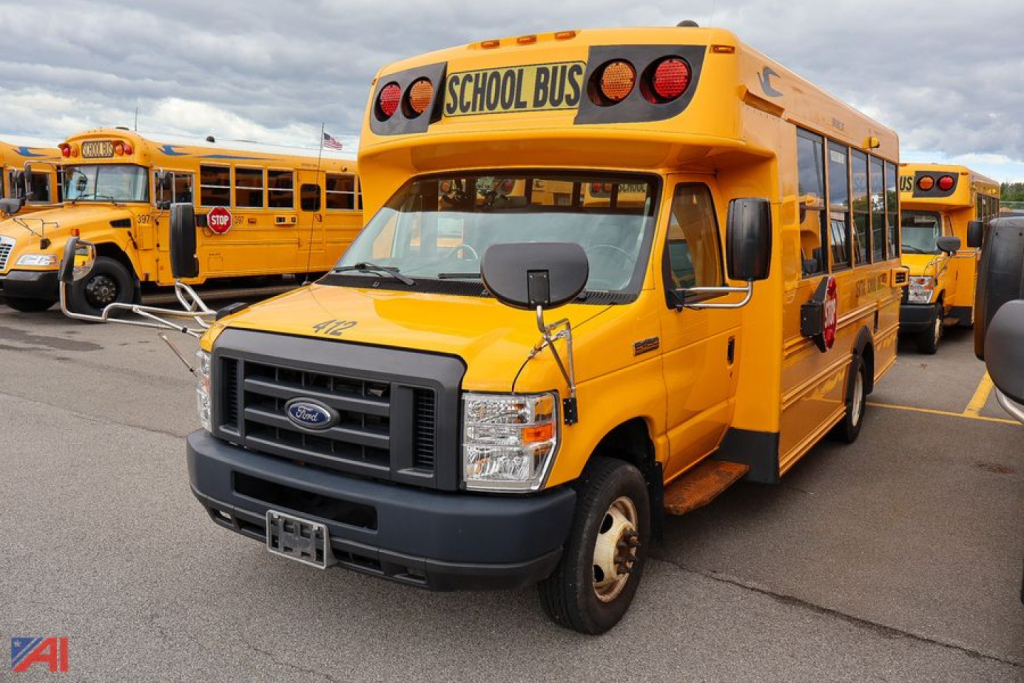
The first buying decision is usually body layout and passenger configuration. Many 2019 Ford bus trucks are built as wheelchair buses or shuttle buses with seating plans that balance ambulatory passengers and ADA access. Common setups include perimeter or forward-facing seating, one or two wheelchair positions, a rear or side-mounted wheelchair lift, Q'Straint style securement systems, and space for caregivers or attendants. Buyers should confirm actual passenger count versus wheelchair capacity because a 14-passenger layout can change quickly once mobility positions are in use. Entry door width, interior headroom, grab rails, step height, and HVAC performance are all important in daily service, especially for senior living, paratransit, non-emergency passenger transport, and municipal routes.
Condition matters more than odometer alone on a used 2019 Ford bus. A low-mile unit that spent years in short-route service may still show wear in the lift, door hardware, seats, flooring, and body seams. Check the maintenance history on the wheelchair lift, inspect tie-down tracks and securement points, and verify that warning buzzers, interlocks, and kneeling or lift functions operate correctly if equipped. On the chassis side, buyers typically look at front suspension wear, brake condition, cooling system service, rear axle performance under load, and corrosion around the body mounts and lower panels. Since many of these buses were used by municipalities, nonprofits, or transit contractors, it is smart to review idle hours, route type, and preventive maintenance records instead of judging the unit by age alone.
For buyers comparing listings, the value in a 2019 Ford bus truck is usually found in how well the body spec matches the route. An E-450 shuttle configured for light church or hotel work is different from an ADA bus cycling through frequent passenger stops all day. Look closely at GVWR, actual seating plus driver, lift brand and capacity, luggage or rear storage space, and whether the bus is non-CDL in its current configuration. Body manufacturers vary in insulation, electrical layout, door systems, and parts availability, so the upfitter matters almost as much as the Ford chassis underneath. A well-maintained 2019 Ford bus can still be a very usable option for accessible transport, senior care fleets, airport parking shuttles, and local group transportation.
Frequently Asked Questions about 2019 Ford Bus Trucks
What engine is commonly found in a 2019 Ford bus truck?
Most 2019 Ford bus trucks in the E-450 class are equipped with Ford's 6.8L Triton V10 gasoline engine paired with an automatic transmission. This powertrain is widely used in shuttle and wheelchair bus applications because it offers solid low-speed drivability, broad service familiarity, and good support for frequent-stop routes. Buyers should still verify the exact chassis spec on each listing, since body builders and fleet buyers can order different configurations.
Is a 2019 Ford E-450 bus usually CDL or non-CDL?
Many 2019 Ford E-450 shuttle and wheelchair buses are configured to stay in non-CDL territory, but that depends on seating capacity, GVWR, and how the bus is used. A common cutoff is passenger count, since carrying 16 or more passengers including the driver can trigger CDL requirements in many operations. Buyers should confirm the door sticker, registered weight, and final seating layout instead of assuming every E-450 bus is non-CDL.
What should I inspect on a used 2019 Ford wheelchair bus?
Focus on the accessibility equipment first, then the chassis. The wheelchair lift should raise, lower, stow, and lock properly, and the interlock system should function as designed. Inspect securement tracks, retractors, shoulder belts, flooring around the lift door, and any corrosion near the body skirt or lift area. On the Ford chassis, review brakes, tires, front-end wear, cooling system history, and signs of hard stop-and-go fleet use.
What are common uses for a 2019 Ford bus truck?
This category is commonly used for paratransit, senior transportation, church groups, hotel or parking shuttles, community programs, medical transport, and small municipal routes. The Ford E-450 cutaway platform is popular because it supports many body styles and accessibility packages. Buyers usually choose this class when they need easier service access and flexible seating rather than full-size transit bus capacity.
Does the bus body manufacturer matter on a 2019 Ford chassis?
Yes. Two buses built on the same 2019 Ford chassis can feel very different depending on the body manufacturer and interior spec. Door systems, insulation, wiring quality, HVAC layout, lift integration, seating hardware, and replacement part availability often vary by builder. A strong chassis is important, but long-term operating cost and downtime can also depend on how well the body was constructed and supported.