
Ford Bus Trucks For Sale in Massachusetts
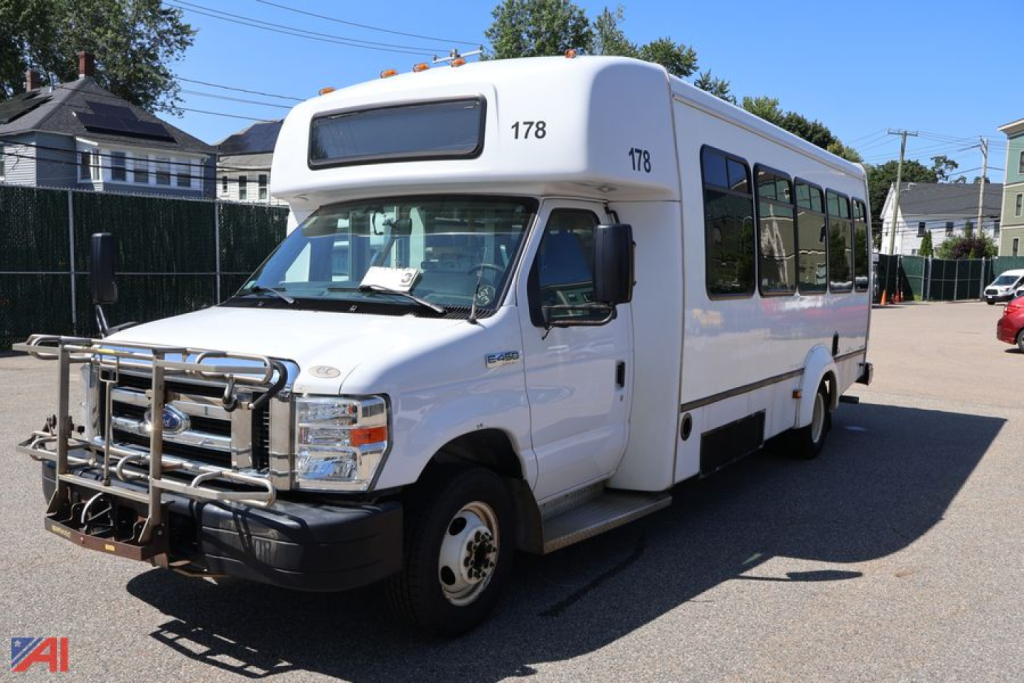
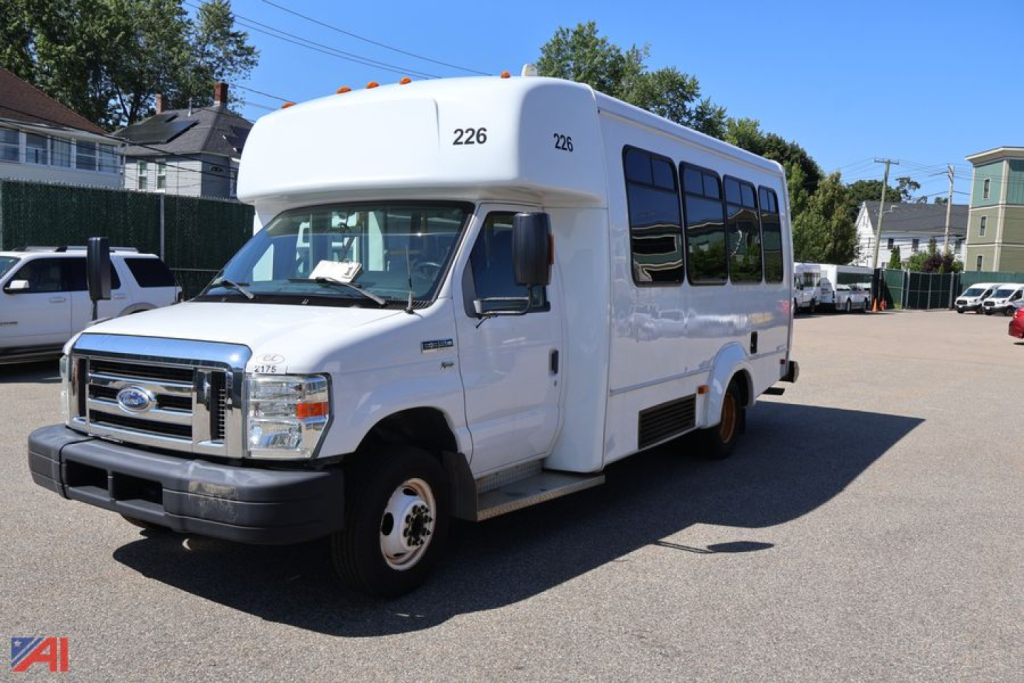
Have ford bus truck to sell? List it here to reach thousands of buyers.
Ford Bus Trucks in Massachusetts
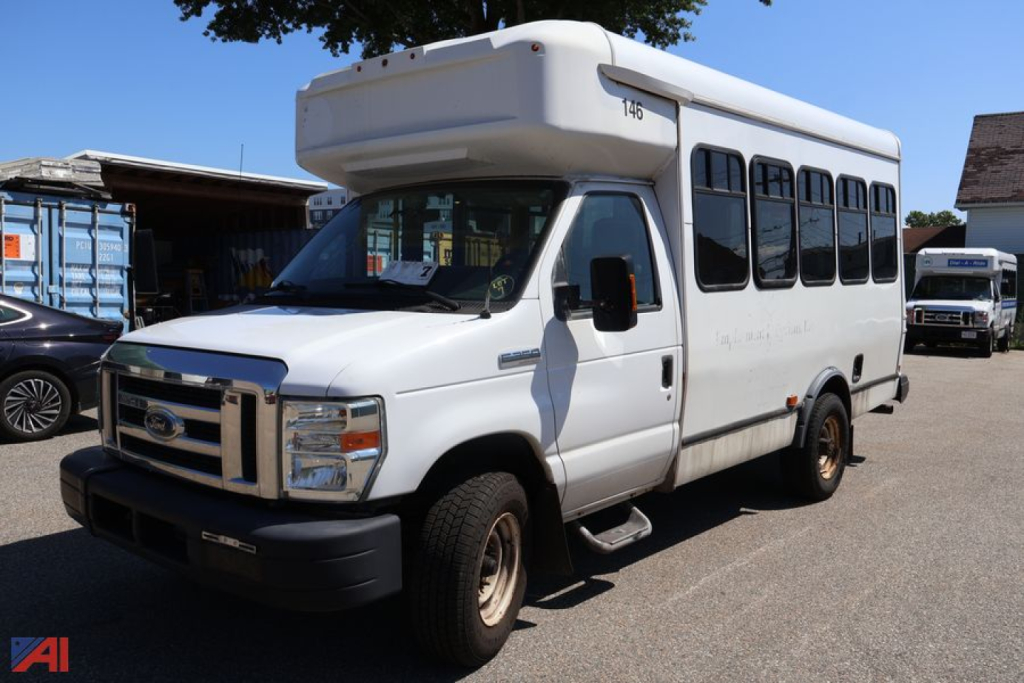
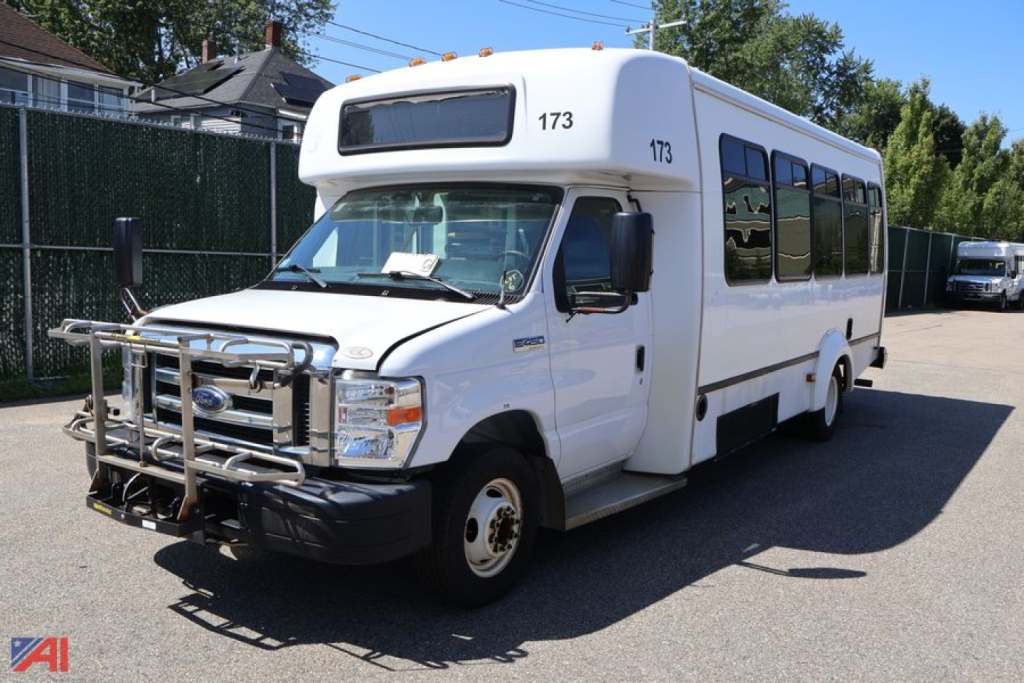
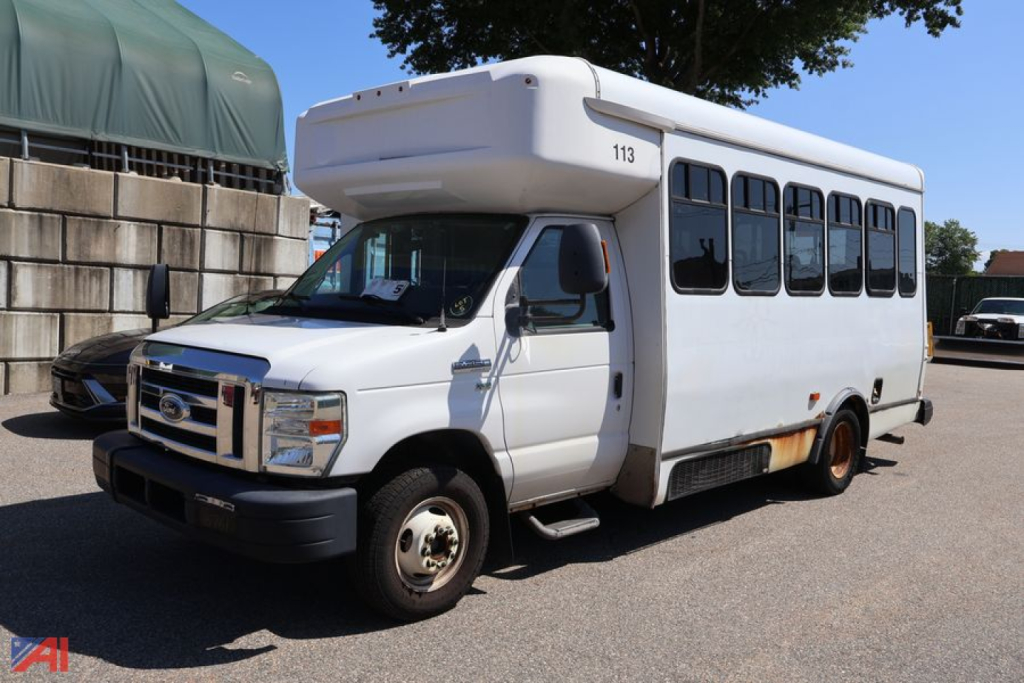
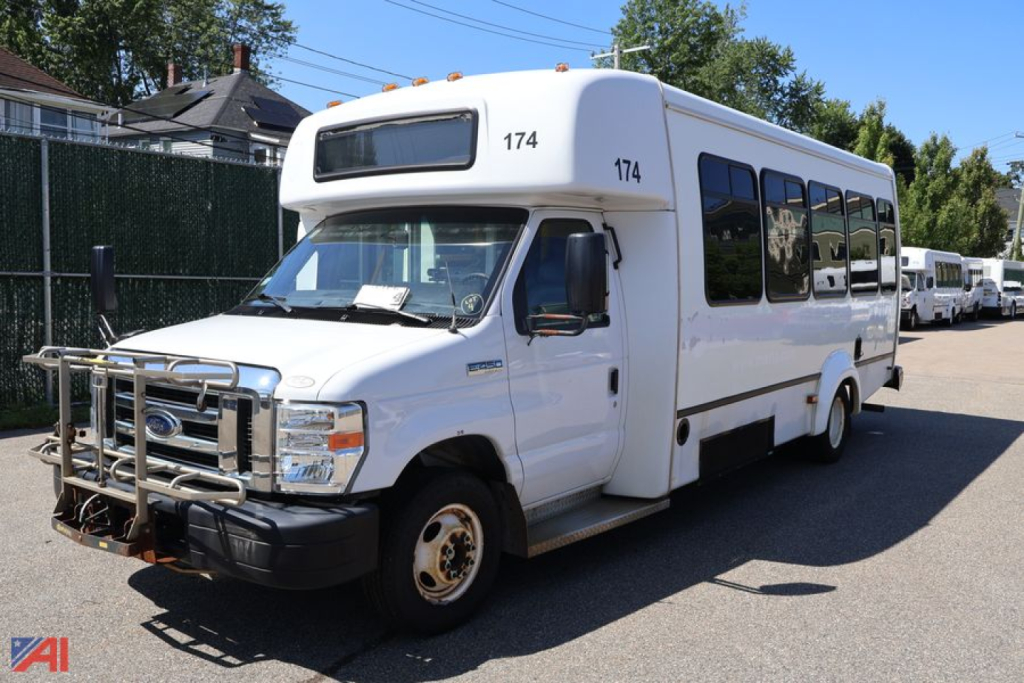
For many buyers, the key decision is accessibility equipment and interior configuration. Ford wheelchair buses often include ADA-style side or rear lifts, Q'Straint or similar tie-down systems, lowered floors in select builds, grab rails, and flexible seating layouts with foldaway seats. A shuttle body may be configured for ambulatory passengers, mixed passenger and wheelchair use, or specialty transport. In Massachusetts, where buses may see snow, road salt, and dense suburban service, it is smart to inspect lift operation, door seals, stepwell condition, underbody corrosion, and the condition of the floor around wheelchair securement points.
Powertrain choice is another practical factor. Many Ford bus trucks in this class use the 6.8L Triton V10 in older E-Series units, while newer examples may carry the 7.3L gas V8 depending on model year and chassis updates. Buyers should compare engine hours, idle time, transmission shift quality, cooling system service history, and maintenance records from transit agencies, schools, churches, or private operators. Because these buses often spend time idling for passenger loading and climate control, seat wear and odometer readings do not always tell the full story. Look closely at brake condition, suspension wear, front-end components, and HVAC performance, especially on buses used year-round.
Body manufacturer and build quality also affect long-term ownership costs. Ford bus chassis are commonly upfitted by shuttle and commercial body builders with fiberglass, aluminum, or composite body sections, transit windows, rear luggage space in some layouts, and dual rear wheels for added stability. A buyer comparing listings should pay attention to overall length, roof height, baggage options, passenger entry design, and serviceability of replacement body parts. For operators running local routes, senior transportation, airport parking shuttles, or non-emergency passenger service, a well-maintained Ford E350 or E450 bus can be a practical platform with widely available chassis parts and familiar service support.
Frequently Asked Questions about Ford Bus Trucks in Massachusetts
What is the difference between a Ford E350 bus and a Ford E450 bus?
The Ford E350 is generally the lighter-duty cutaway chassis, while the Ford E450 is built for higher GVWR, more passenger or mobility equipment weight, and tougher stop-and-go service. In bus applications, the E450 is often preferred for larger shuttle bodies, more wheelchair positions, or heavier daily route use. The right choice depends on passenger count, route length, and how much lift and securement equipment the bus carries.
What should I inspect first on a used Ford wheelchair bus?
Start with the wheelchair lift, securement tracks, floor integrity, and door operation. After that, inspect underbody corrosion, frame condition, brake wear, tire age, suspension components, and HVAC performance. On Massachusetts buses, salt exposure makes rust inspection especially important around the stepwell, body mounts, lower panels, and any steel structure tied to the lift area.
Are Ford E-Series bus parts easy to source?
Chassis service parts for Ford E-Series buses are generally easier to source than body-specific parts because the E350 and E450 platforms are widely used in commercial fleets. Engine, brake, steering, and suspension parts are commonly available through aftermarket and OEM channels. Body panels, windows, lift components, and interior trim depend more on the shuttle body manufacturer and the accessibility equipment brand.
What are Ford bus trucks commonly used for?
Ford bus trucks are commonly used for senior transport, church groups, hotel and airport shuttles, municipal transit, disability transport, adult day programs, and non-emergency passenger movement. The E-Series cutaway platform is popular because it supports many seating and wheelchair configurations while remaining familiar to fleet maintenance departments. Its versatility makes it a common choice for both private operators and public agencies.
Does mileage matter as much as hours on a shuttle or transit bus?
Mileage matters, but engine hours and idle time can be just as important on a shuttle or transit bus. These vehicles often spend significant time idling during passenger loading, wheelchair boarding, and climate control operation. A bus with moderate miles but high idle hours may show more wear in the engine, transmission, cooling system, and HVAC components than the odometer alone suggests.