
IC Corporation Bus Trucks For Sale
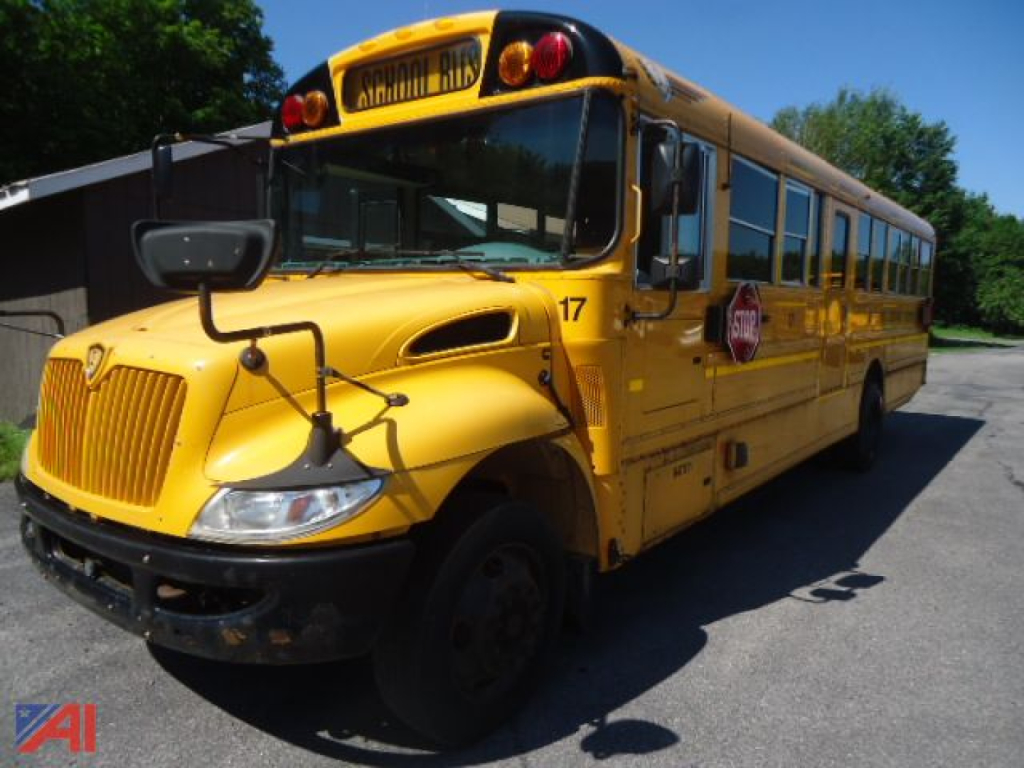
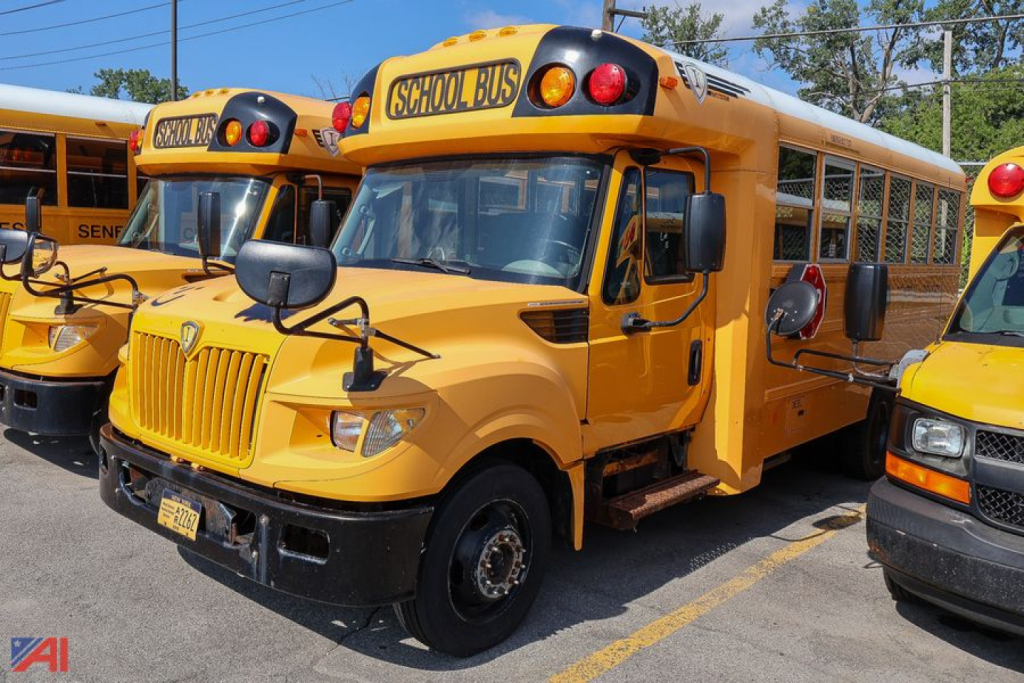
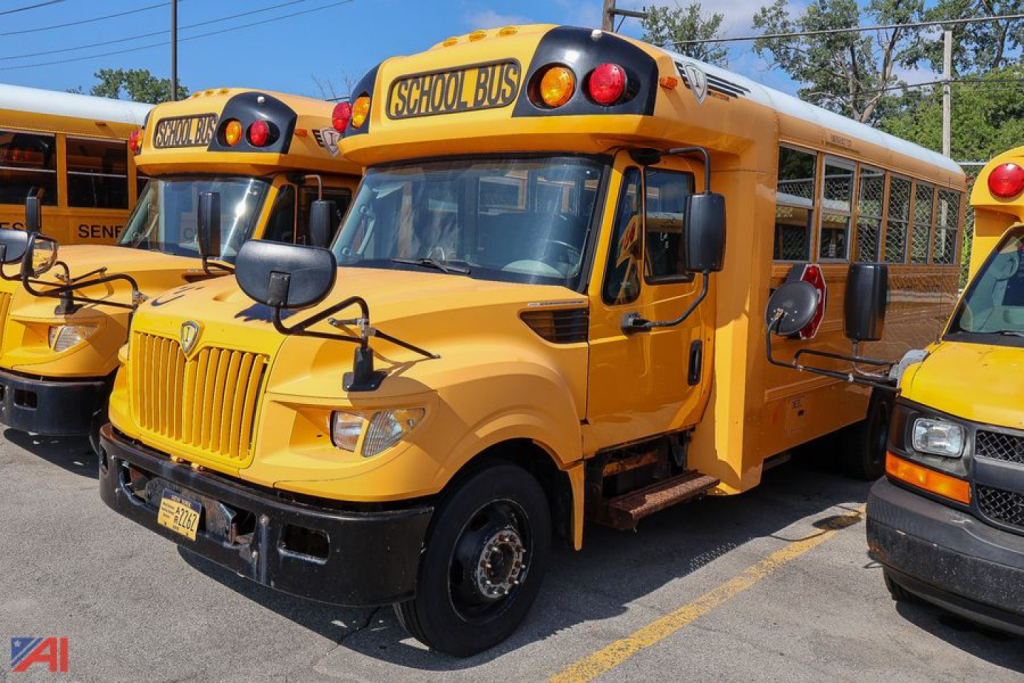
2017 IC Corporation CE Series School Bus
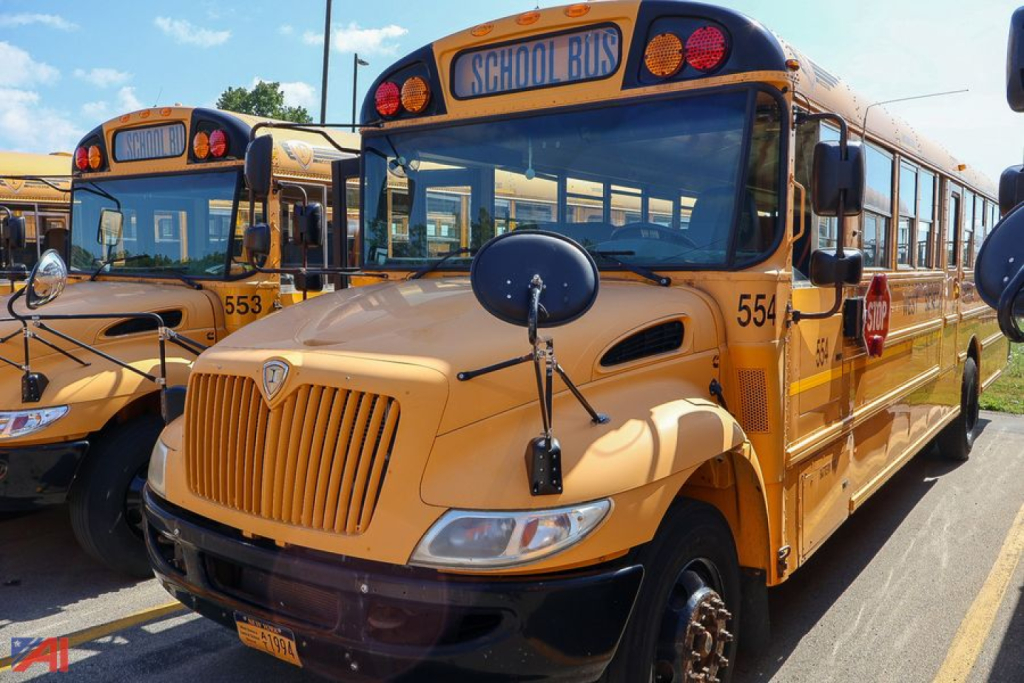
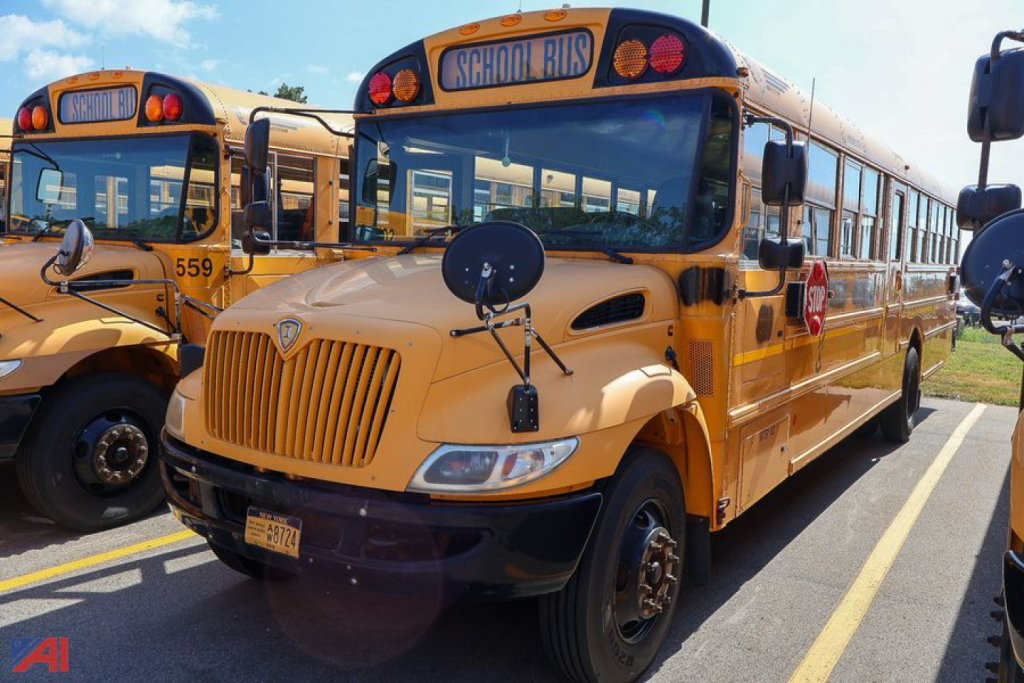
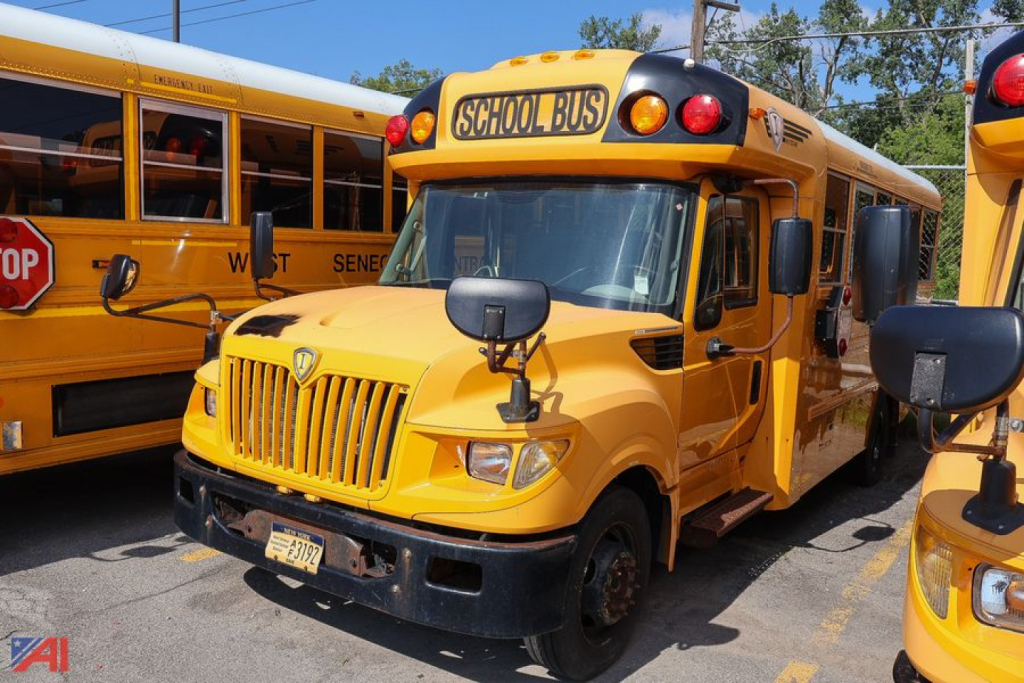
Have ic corporation bus truck to sell? List it here to reach thousands of buyers.
IC Corporation Bus Trucks
For most buyers, powertrain and chassis spec matter more than cosmetics. IC Corporation buses are commonly equipped with Navistar-built diesel engines in conventional front-engine layouts, paired with automatic transmissions suited for stop-and-go duty. Buyers should verify engine model, emissions system generation, transmission series, axle ratio, and GVWR before comparing units. On school bus configurations, it is also smart to check passenger capacity, underbody storage if any, brake type, tire size, and suspension setup. Fleet operators often pay close attention to idle hours, maintenance history, rust around step wells and body mounts, and the condition of electrical systems tied to warning lights, heaters, wheelchair lifts, or HVAC equipment.
Body configuration has a direct impact on operating cost and usability. A shorter IC bus is easier to maneuver in urban routes, private lots, and campus environments, while a full-size conventional school bus gives better seat count and lower cost per passenger. Buyers in snow-belt and rust-belt states should inspect frame rails, crossmembers, floor structure, and emergency door surrounds carefully, since corrosion can turn a low-priced bus into a major repair project. If the bus is intended for conversion, window layout, roof height, wheelbase, and existing interior condition often matter as much as mileage. It is also important to confirm title status, prior municipal or school ownership, and whether any stop-arm, crossing gate, or color requirements apply before the bus can be put into non-school service.
A well-matched IC Corporation bus can be a durable and cost-effective platform when the spec fits the job. Buyers comparing listings should prioritize drivetrain compatibility, seating or conversion layout, structural condition, and service records over paint and trim. The strongest candidates are usually buses with documented maintenance, clean electrical operation, solid floors and body structure, and a configuration that matches the route, passenger load, or planned rebuild without extensive modification.
Frequently Asked Questions about IC Corporation Bus Trucks
What should I check first when buying a used IC Corporation bus?
Start with the engine, transmission, structural condition, and service history. On an IC bus, buyers should confirm the exact engine model, emissions equipment, transmission type, mileage, idle hours if available, and GVWR. Then inspect common wear areas such as frame rails, body mounts, step wells, floors, and electrical components. A bus with a solid structure and documented maintenance is usually a better value than one that looks cleaner but lacks records.
Are IC Corporation buses mainly used as school buses?
Yes, IC Corporation is best known for school bus applications, especially conventional models such as the CE Series. Many used units come from school districts, municipalities, and contracted transportation fleets. These buses can also be used for activity routes, church or private group transport, mobile business builds, and camper conversions, but buyers need to verify local compliance requirements when changing a bus from school use to private use.
What matters most when comparing full-size and shorter IC buses?
The main tradeoff is capacity versus maneuverability. A full-size bus typically offers more seating and a lower cost per passenger on regular routes, while a shorter bus is easier to operate in tighter lots, urban streets, and mixed-use properties. Wheelbase, turning radius, axle rating, and door configuration all affect day-to-day usability, so the best choice depends on route type, parking access, and expected passenger count.
Are IC Corporation buses good candidates for conversion projects?
They can be, especially when the buyer starts with a structurally sound bus that has the right roof height, window spacing, and wheelbase for the planned build. Conversion buyers should pay close attention to rust, floor integrity, leaks, HVAC condition, and the layout of electrical systems before purchase. It is also important to confirm title status and understand state rules for removing school bus equipment and retitling the vehicle for private or recreational use.
How important is emissions-system history on a later-model IC bus?
It is very important because emissions-related repairs can quickly change the true cost of ownership. Buyers should ask about the condition and repair history of components tied to the applicable diesel emissions package, along with regeneration frequency, fault codes, and maintenance records. A later-model bus with a properly maintained emissions system is generally a safer purchase than one with unclear history or signs of repeated aftertreatment problems.