
IC Corporation Bus Trucks For Sale in New York
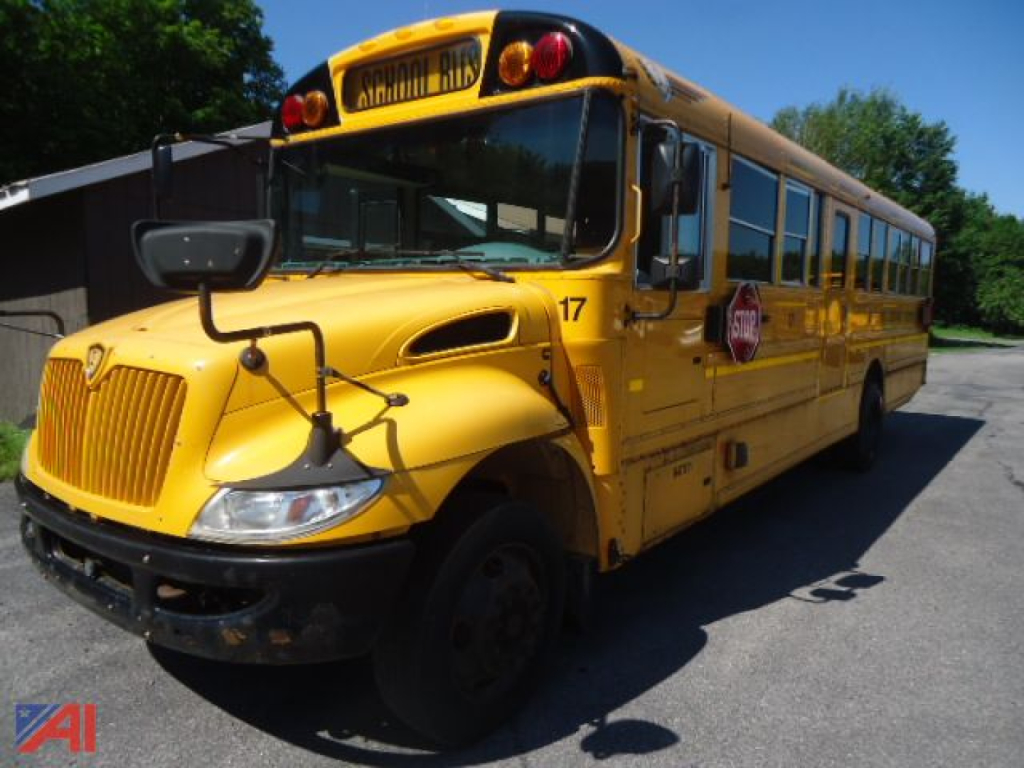
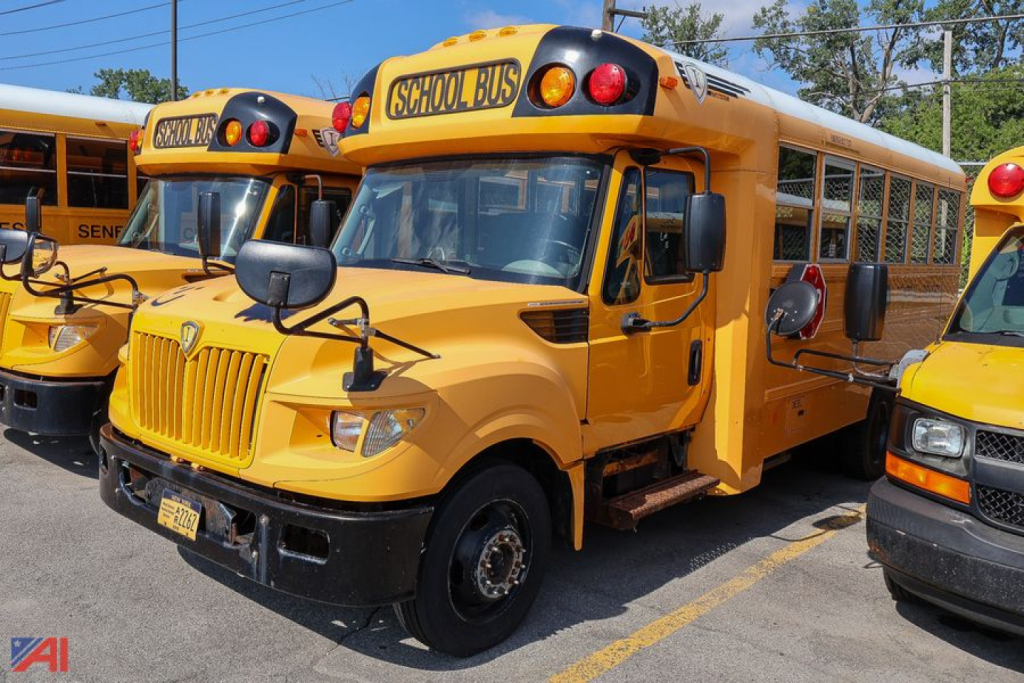
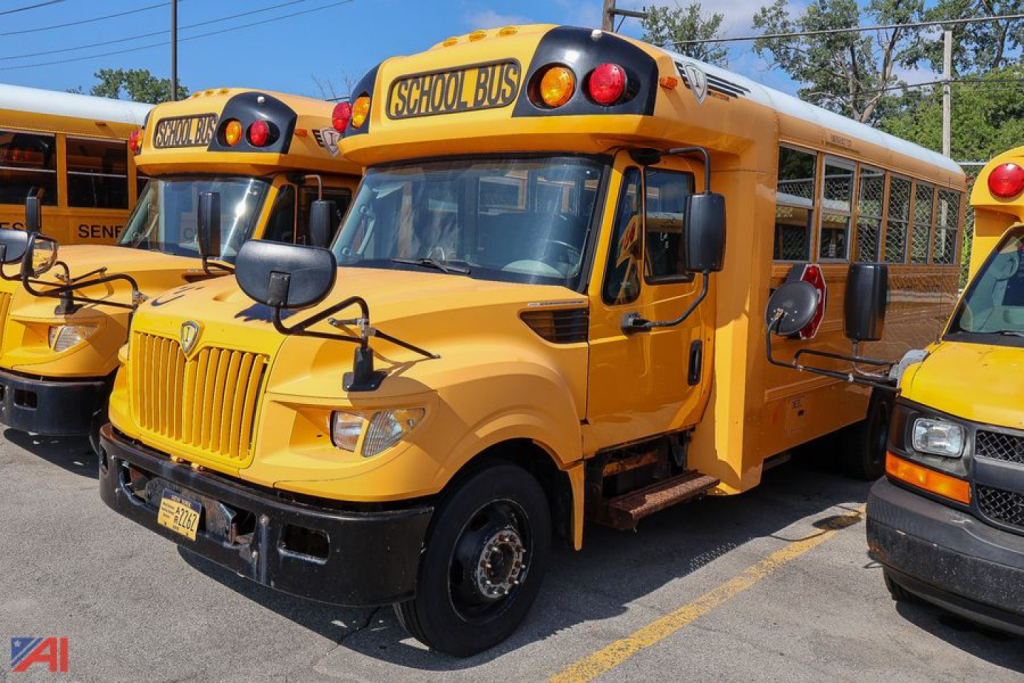
2017 IC Corporation CE Series School Bus
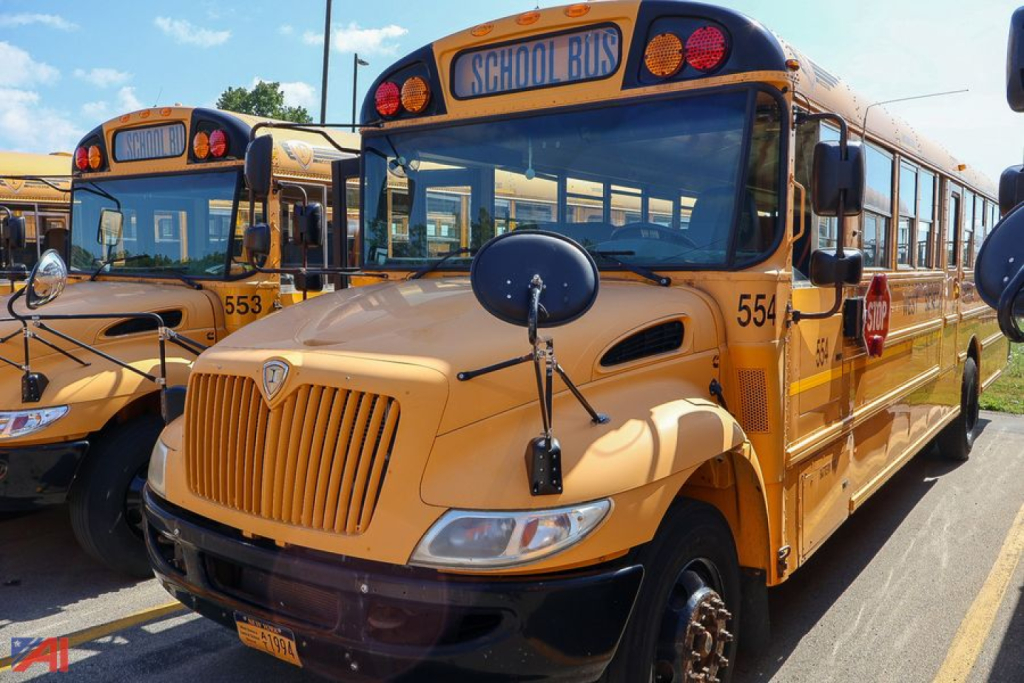
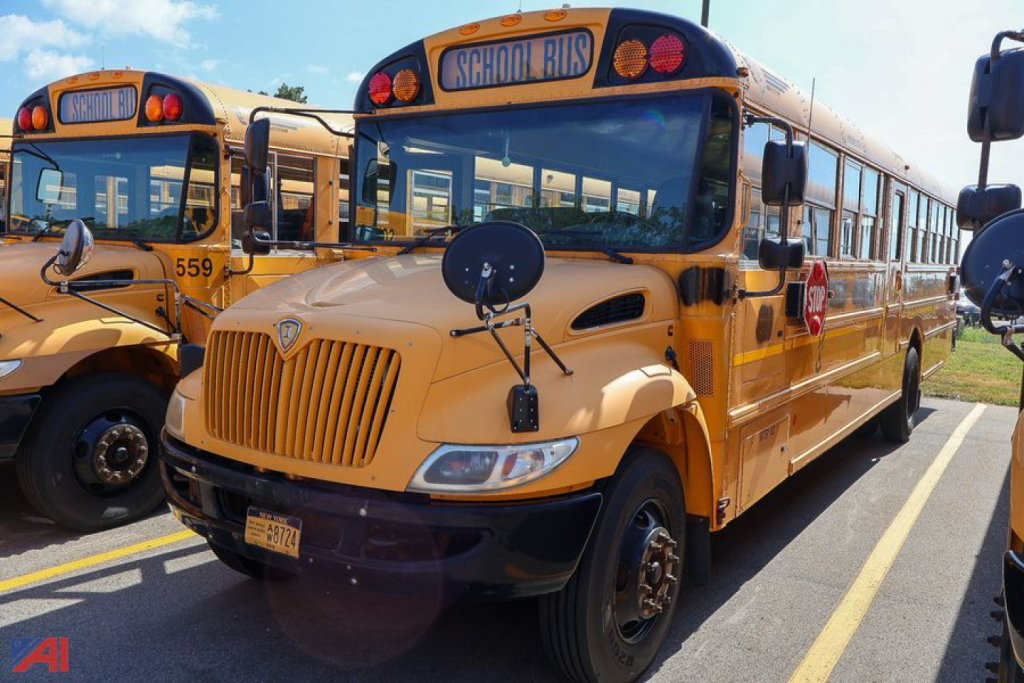
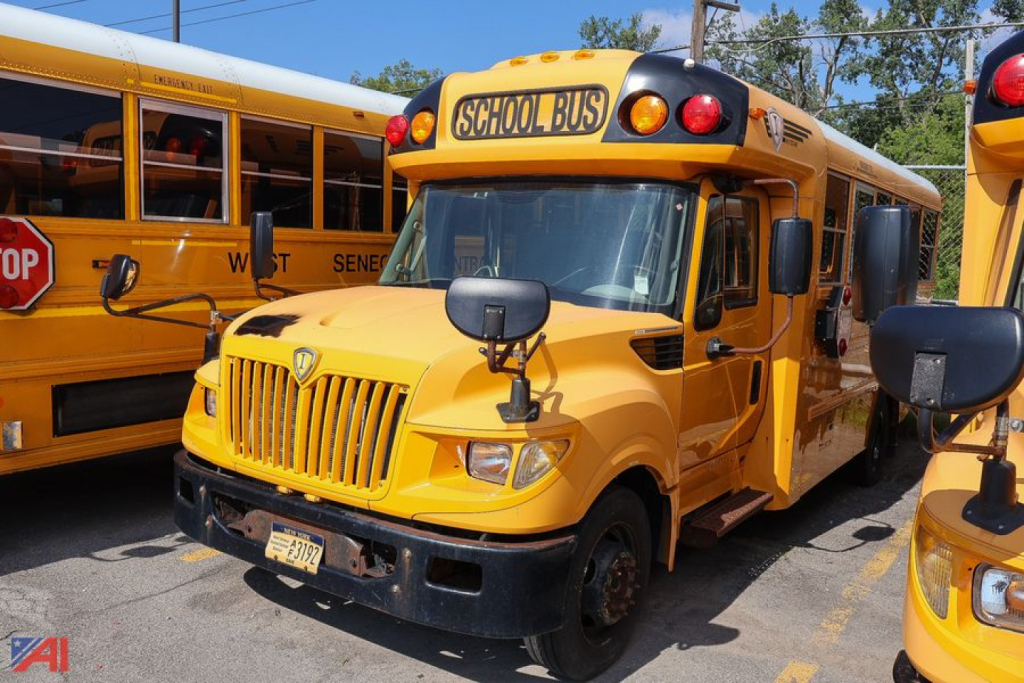
Have ic corporation bus truck to sell? List it here to reach thousands of buyers.
IC Corporation Bus Trucks in New York
The first decision is usually body style and intended use. A conventional school bus with a hood, like the CE Series, is straightforward to service and widely recognized by fleet mechanics. These buses are commonly spec'd with diesel engines from the MaxxForce or Cummins families depending on year, paired to an Allison automatic transmission. GVWR, wheelbase, passenger capacity, luggage or underbody storage, and roof height all affect usability. For school route work, buyers often focus on seating count, stop arm and warning light compliance, and state inspection readiness. For private shuttle or conversion use, interior layout, headroom, HVAC performance, and window configuration become more important than original route equipment.
New York buyers should pay close attention to corrosion points. Floor structure, stepwell, rub rails, body mounts, wheel housings, and frame crossmembers deserve a careful inspection, especially on buses that saw repeated winter road salt exposure. On diesel units, review DPF, EGR, and regeneration history, and confirm there are no active fault codes or hard-start issues. Suspension wear, brake condition, tire date codes, steering play, and door operation all tell you a lot about how the bus was maintained. If the bus has been converted or partially converted, verify wiring quality, weight distribution, title status, and whether any original safety equipment was removed in a way that affects registration or inspection.
A well-matched IC Corporation bus can serve as a route bus, church bus, activity bus, mobile business platform, or skoolie conversion base. The best value usually comes from matching the drivetrain and body length to the job instead of buying purely on seating capacity or low upfront price. Buyers comparing listings should weigh service records, rust exposure, engine and transmission combination, interior condition, and local compliance requirements before narrowing down to a specific unit.
Frequently Asked Questions about IC Corporation Bus Trucks in New York
What are the most common IC Corporation bus models buyers see on the used market?
The CE Series is one of the most common IC Corporation buses on the used market. It is a conventional-style school bus built for daily route service and is widely used by school districts and contractors. Buyers may also find transit-style school buses and converted units, but the CE platform is the model many fleets know best because it is common, serviceable, and supported by a large installed base.
What should I inspect first on a used IC Corporation bus in New York?
Start with rust and structural condition. In New York, winter road salt can affect the frame, floor, stepwell, body mounts, wheel housings, and lower body panels. After that, check the powertrain for fault codes, cold-start behavior, transmission shift quality, brake condition, suspension wear, and steering play. A bus with average cosmetics but solid structure and documented maintenance is usually a better buy than a cleaner-looking bus with corrosion or deferred mechanical work.
Which powertrain details matter most on an IC Corporation bus?
Engine family, emissions equipment, and transmission pairing matter most. Many IC buses are equipped with diesel engines and Allison automatic transmissions, but the exact engine varies by year. Buyers should verify maintenance records for DPF service, EGR work, regeneration history, cooling system repairs, and any injector or turbocharger issues. A bus with a proven maintenance file and clean diagnostic report is generally less risky than one with low miles but limited service documentation.
Are IC Corporation school buses good candidates for camper or specialty conversions?
They can be, especially if the body structure is sound and the drivetrain is still serviceable. Buyers considering a conversion should look beyond the basic shell and inspect roof height, window layout, underbody condition, electrical system integrity, and axle ratings. It is also important to confirm title status and registration requirements after conversion, since changes to seating, lighting, and safety equipment can affect how the vehicle is classified and insured.
How do I choose the right IC bus size and seating layout?
Choose the bus around the job, not just the maximum seat count. A full-size route bus may offer the lowest cost per passenger, but it can be harder to maneuver, store, and convert. Wheelbase, overall length, aisle width, seat spacing, and emergency exit placement all affect daily use. For shuttle or private use, buyers often prioritize interior flexibility, luggage room, climate control, and easier access over maximum passenger capacity.