
Bus Trucks For Sale in New York
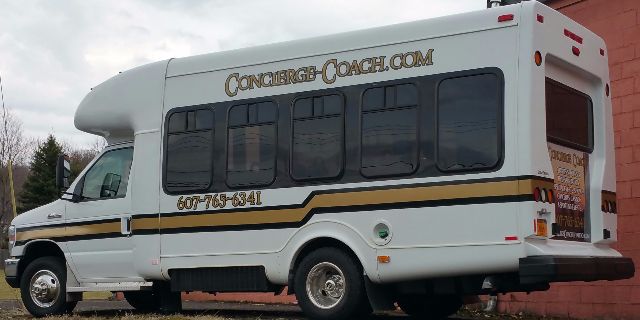
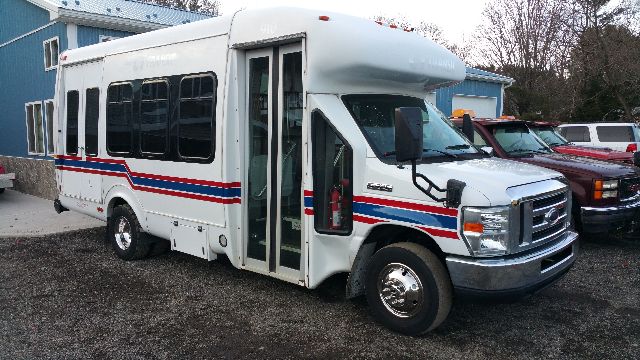
Browse bus trucks for sale in New York, including shuttle, school, and passenger buses with common specs, seating layouts, and drivetrain options.
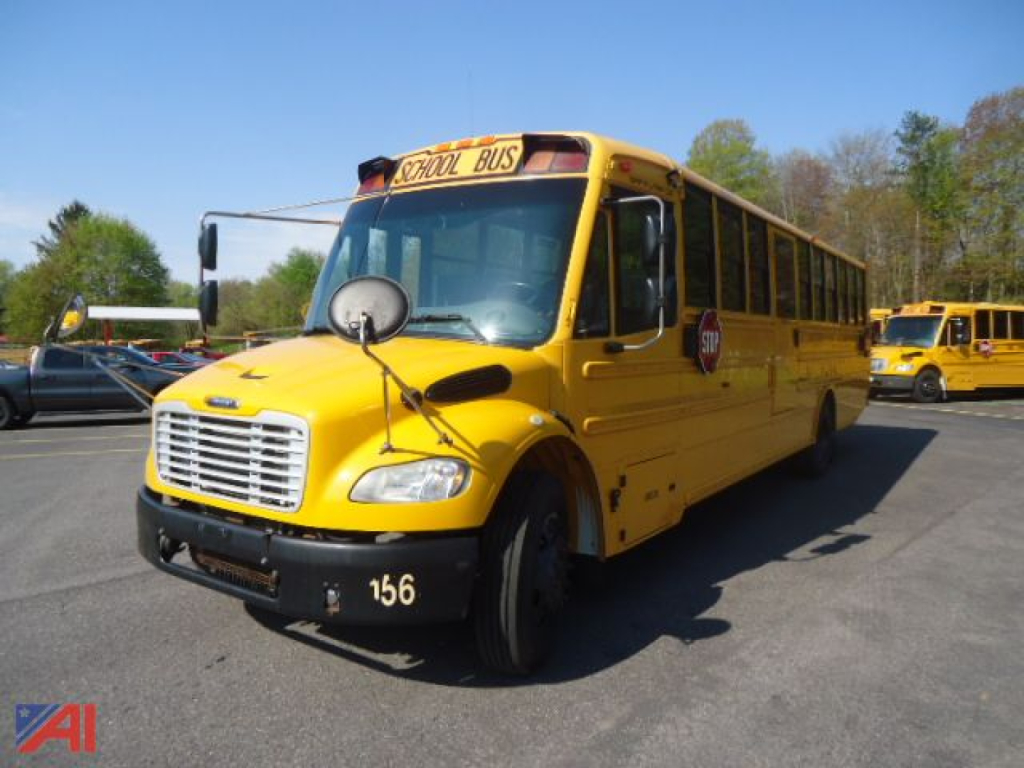
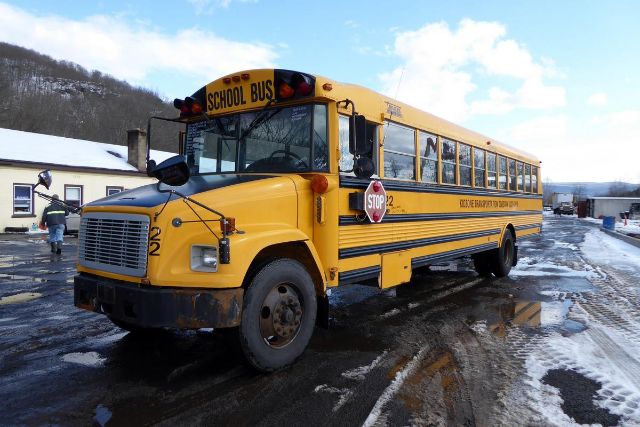
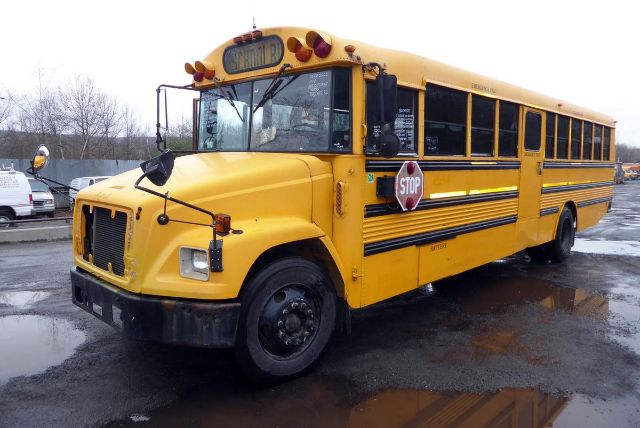
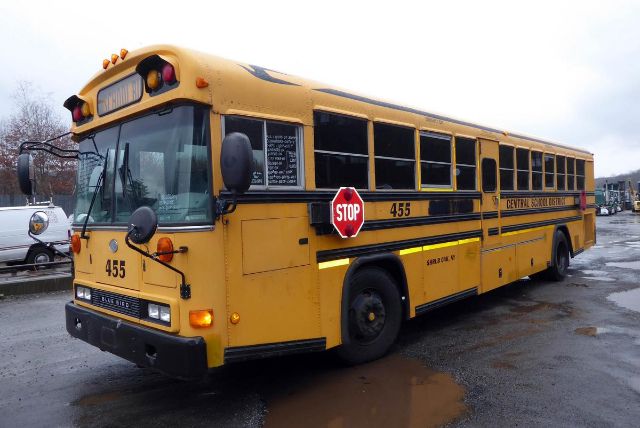
Selling a bus truck? List your bus truck for sale and reach thousands of commercial buyers.
Bus Trucks in New York
The biggest buying decision is usually size versus operating cost. Smaller buses in the 12 to 20 passenger range are easier to place in urban service, simpler to park, and often cheaper to maintain, especially when parts are shared with common Ford or GM chassis platforms. Many also include wheelchair lifts, tie-down positions, dual A/C systems, and passenger comfort upgrades that matter in shuttle and ADA-compliant service. Larger buses typically run in the 30,000 to 34,000 pound GVW range with diesel engines such as the Cummins ISB or Caterpillar C7 paired to Allison automatic transmissions. On these units, pay close attention to seating rows, adult versus child capacity, brake type, suspension design, tire size, wheelbase, and overall length, since those specs directly affect route suitability and maintenance cost.
Condition matters more on a bus than on many other truck categories because body equipment and passenger systems can add significant repair expense. Buyers should inspect wheelchair lifts, door hardware, heaters, air conditioning, warning systems, mirrors, seat mounts, flooring, and corrosion around step wells, skirt panels, and underbody supports. On full-size buses, confirm whether the unit has hydraulic or air brakes, spring or air suspension, and a single or reinforced frame setup. Mileage alone does not tell the whole story. Engine hours, idle time, service records, brake life, tire condition, and any electrical issues can be just as important, especially on older school or transit-style buses.
For buyers comparing bus trucks for sale, the best value usually comes from matching the bus to the job instead of chasing the lowest price. A compact shuttle bus can outperform a larger unit on tight city routes, while a full-size bus may deliver lower cost per passenger on fixed routes or school contracts. In New York, it is also smart to verify local registration class, inspection requirements, emissions compliance, and any CDL or passenger endorsement implications before purchase. A bus that fits the route, passenger count, accessibility requirement, and service environment will usually be the better long-term buy than one with extra capacity or features that go unused.
Frequently Asked Questions about Bus Trucks in New York
What is the difference between a cutaway bus and a full-size bus truck?
A cutaway bus is built on a van or cab chassis with a bus body added behind the driver compartment. These buses are commonly used for shuttle, medical transport, church, and paratransit work because they are easier to maneuver and service. A full-size bus uses a heavier dedicated platform and typically offers higher seating capacity, higher GVWR, and better suitability for school routes, municipal contracts, and longer fixed-route work.
Which engine and transmission combinations are common in used bus trucks?
Common powertrains include Ford diesel engines in smaller cutaway buses and Cummins ISB or Caterpillar C7 diesel engines in larger buses. Allison automatic transmissions are widely used across the category because they are durable and well supported in commercial service. When evaluating a used bus, buyers should look beyond the engine make and confirm service history, cooling system condition, transmission performance, and any active electrical or drivability issues.
What should I inspect first on a used bus in New York?
Start with the systems that can quickly add repair cost or affect compliance. That includes brakes, tires, steering, suspension, lift operation if equipped, entry doors, emergency exits, HVAC, warning systems, and underbody corrosion. In New York, rust around the frame, step wells, body mounts, and lower panels deserves close attention, especially on older school buses and shuttle buses that have seen winter road treatment.
Are wheelchair-accessible buses a separate type of bus truck?
Wheelchair-accessible buses are usually a configuration rather than a separate class. Many cutaway shuttle buses are equipped with a wheelchair lift or ramp, tie-down positions, and modified seating layouts to support ADA-related passenger transport. Buyers should confirm lift brand, weight capacity, manual override function, tiedown hardware condition, and how many wheelchair positions the layout actually supports.
How do I choose the right bus size for my operation?
Choose bus size based on actual passenger load, route constraints, and operating cost. Smaller buses make sense for urban stops, private shuttle work, and operations that need easier parking and lower fuel use. Larger buses are better for school routes, group transport, and applications where cost per seat matters. Wheelbase, overall length, GVWR, seating layout, and adult versus child capacity should all be matched to the route before making a buying decision.