
Ford Bus Trucks For Sale in New York
Browse Ford bus trucks for sale in New York, including E-450 shuttle and wheelchair-accessible buses with passenger, transit, and fleet-ready setups.

Have ford bus truck to sell? List it here to reach thousands of buyers.
Ford Bus Trucks in New York
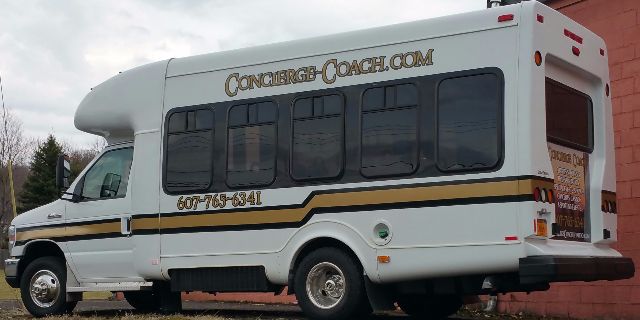
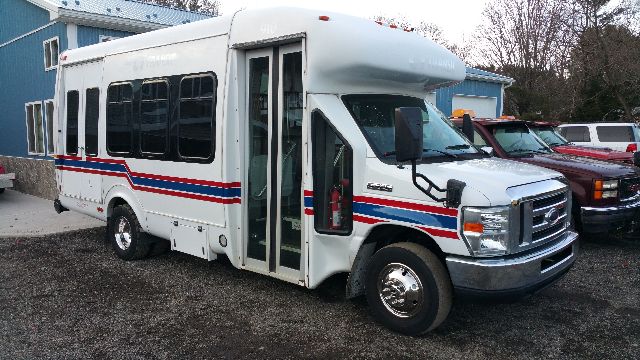
The E-450 is one of the most common Ford bus platforms in this class. Buyers typically see gas or Power Stroke diesel configurations depending on model year, with automatic transmissions, dual rear wheels, and GVWRs that support small to mid-size passenger bodies. Seating can range from compact shuttle layouts up to higher-capacity configurations, and wheelchair-accessible units may trade some seated positions for lift space and securement stations. For stop-and-go work, pay close attention to cooling system condition, front suspension wear, brake life, rear axle rating, and how the transmission shifts under load. On shuttle and ADA buses, door operation, interlock systems, wheelchair lift function, grab rails, rear HVAC performance, and electrical accessories matter just as much as engine specs.
A Ford bus should be evaluated as a people-mover first and a truck second. Body condition, roof seams, stepwell corrosion, floor integrity, and sidewall structure can determine long-term value more than odometer reading alone. In New York, rust exposure from road salt makes underbody inspection especially important around frame rails, brake lines, lift mounts, battery trays, and body mounting points. Check passenger A/C output front and rear, auxiliary heaters, backup alarms, camera or sonar systems, and the condition of seat upholstery, restraints, and emergency exits. If the unit will be used for ambulette or wheelchair service, confirm the lift rating, tie-down hardware, entry door clearance, and compliance items required by your operation.
Ford bus trucks also appeal to buyers who want a platform that can be repurposed for specialty transport, mobile outreach, hospitality shuttle work, or event service. The best unit is usually the one with a documented maintenance history, clean electrical additions, and a body configuration that matches your route and passenger mix. A bus with dual A/C, strong heat, clear sightlines, good mirror coverage, and properly working accessibility equipment will usually outperform a cheaper unit that needs body, HVAC, or lift work. For most buyers, the priority is straightforward: buy for route demands, passenger count, and compliance needs, then verify the chassis and body can handle daily service without creating downtime.
Frequently Asked Questions about Ford Bus Trucks in New York
What is the most common Ford bus platform in this category?
The Ford E-450 Super Duty is one of the most common platforms in the bus category. It is widely used for shuttle buses, church buses, paratransit units, and small passenger buses because it offers a strong cutaway chassis, broad parts availability, and service familiarity for many commercial repair shops. Body builders commonly mount a passenger bus body on the E-450 chassis, so buyers should evaluate both the Ford chassis and the coach body manufacturer.
What should I inspect first on a used Ford bus in New York?
Start with rust, body integrity, and accessibility equipment. New York buyers should inspect frame rails, brake lines, body mounts, stepwells, lift mounts, and underbody structure for corrosion from road salt. After that, check rear and front HVAC performance, door operation, suspension wear, tire condition, brake life, and all bus-specific electrical systems such as warning buzzers, backup alarms, interior lighting, and wheelchair interlocks. On a passenger bus, body and equipment condition often affects operating cost more than the engine alone.
Are Ford E-450 buses good for wheelchair and paratransit service?
Yes, many Ford E-450 buses are well-suited for wheelchair-accessible and paratransit work. The platform is commonly spec'd with ADA-style lifts, securement positions, and flexible seating layouts that can balance ambulatory passengers with mobility-device capacity. The key is to verify the lift brand, platform rating, cycle condition, manual override function, tie-down hardware, and entry dimensions. A bus that is already configured correctly for your passenger mix can save substantial upfit expense.
What matters more on a bus, mileage or body condition?
On a commercial bus, body condition and maintenance history are often just as important as mileage, and sometimes more important. A lower-mile unit with roof leaks, floor damage, weak rear A/C, corroded wiring, or a neglected wheelchair lift can become more expensive than a higher-mile bus with consistent fleet maintenance. Passenger buses carry added systems beyond the drivetrain, so buyers should weigh chassis condition, body build quality, and operational equipment together.
What seating and capacity factors should buyers compare on Ford bus trucks?
Passenger count alone does not tell the whole story. Buyers should compare seated capacity, aisle width, entry door size, luggage or rear storage needs, wheelchair positions, and the effect of ADA equipment on overall layout. Some buses are set up for maximum seated passengers, while others are built for mixed-use shuttle service with fewer seats and more room for mobility devices. The right layout depends on route length, dwell time at stops, rider turnover, and any regulatory or contract requirements tied to your operation.