
Blue Bird Bus Trucks For Sale in New York
Have blue bird bus truck to sell? List it here to reach thousands of buyers.
Blue Bird Bus Trucks in New York
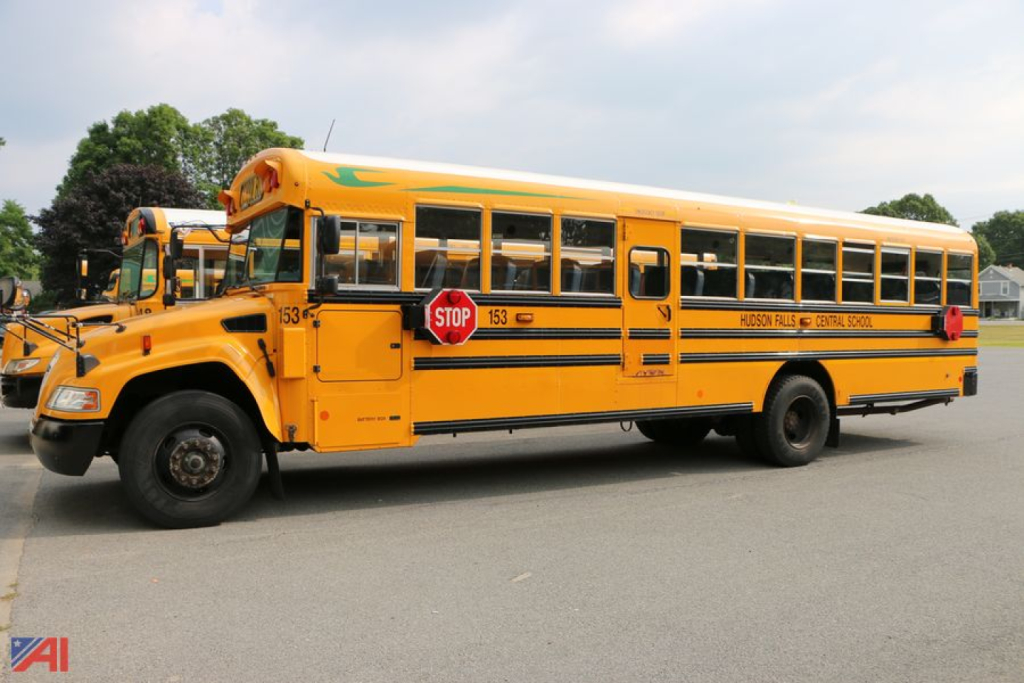
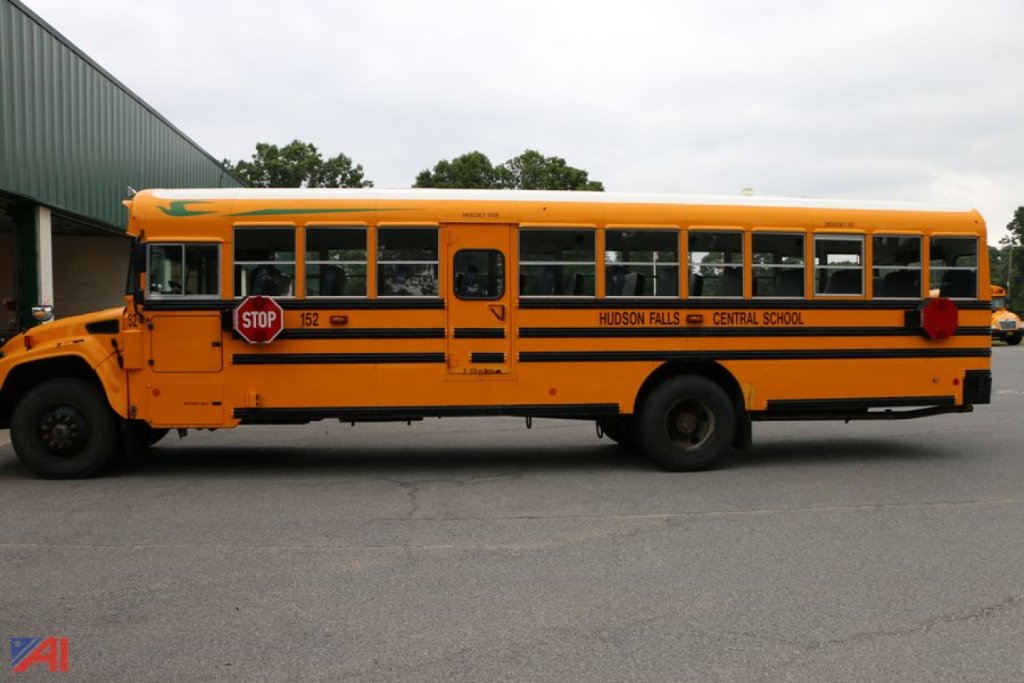
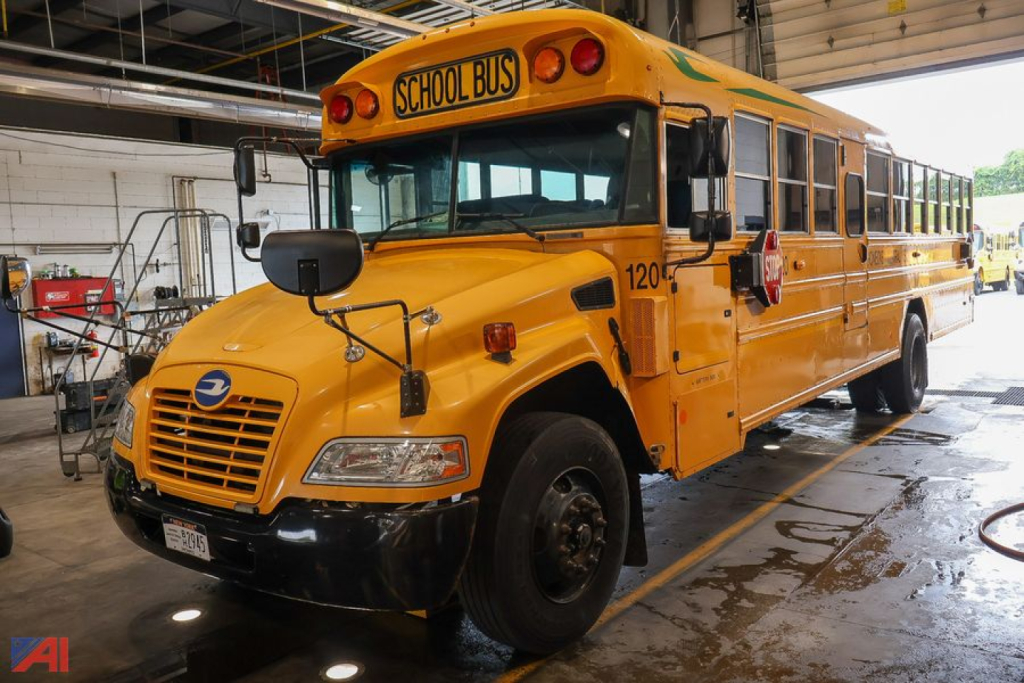
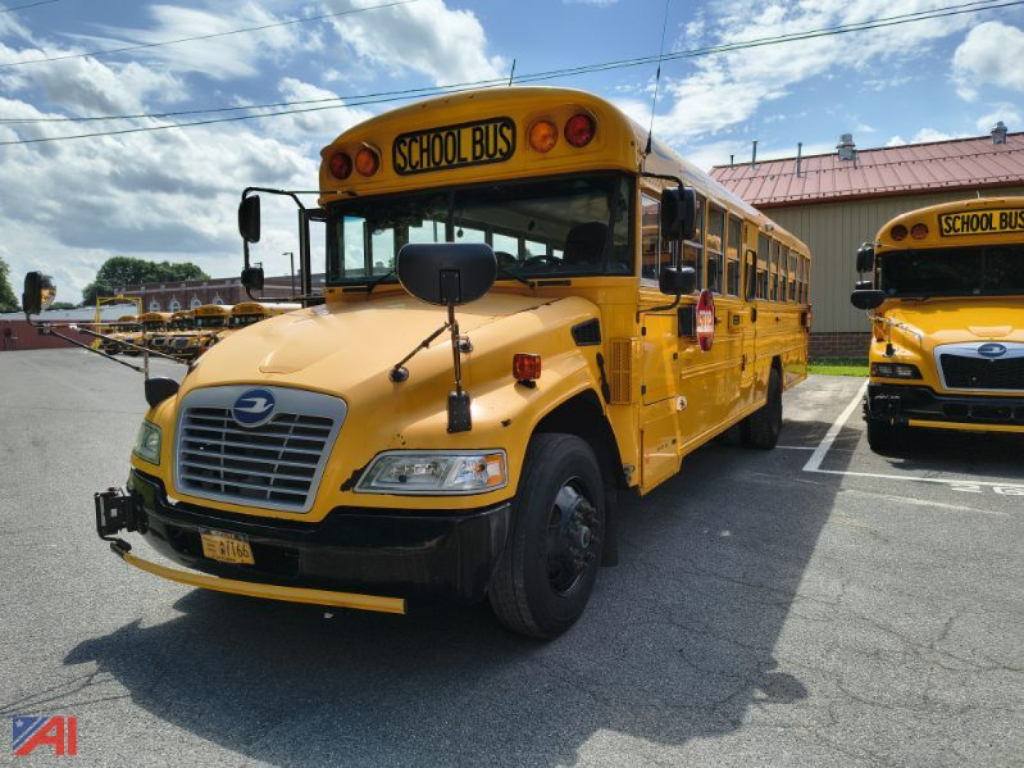
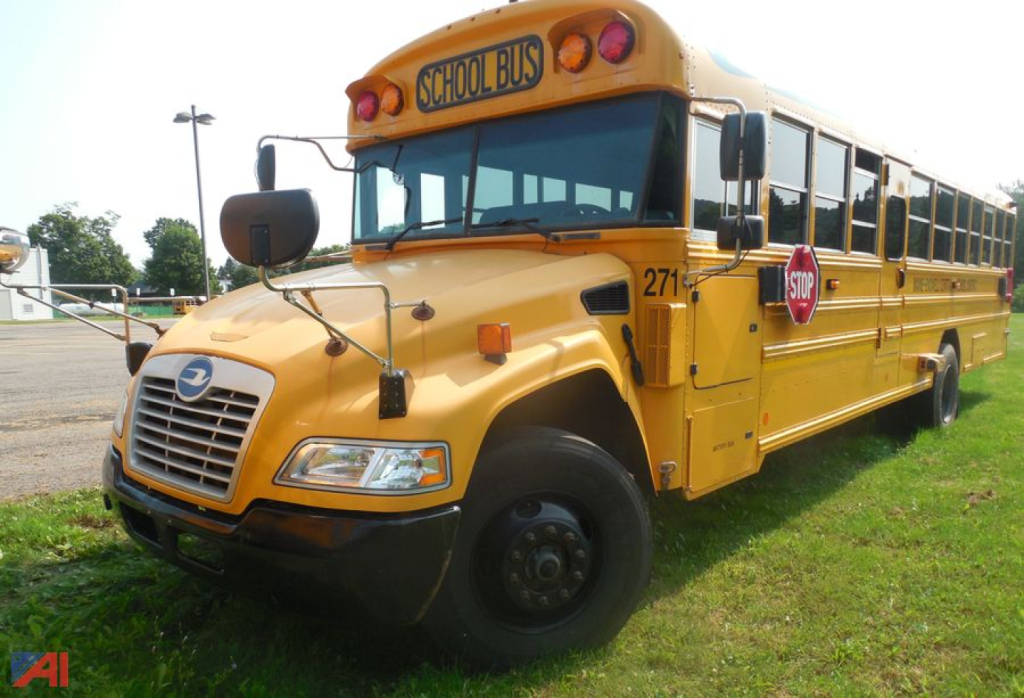
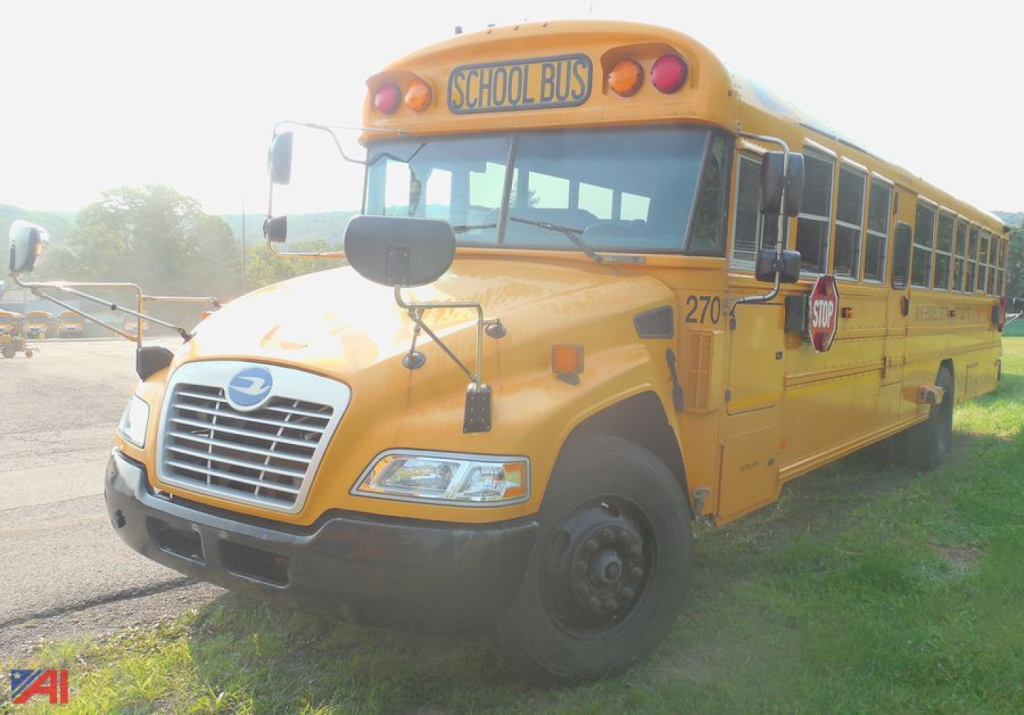
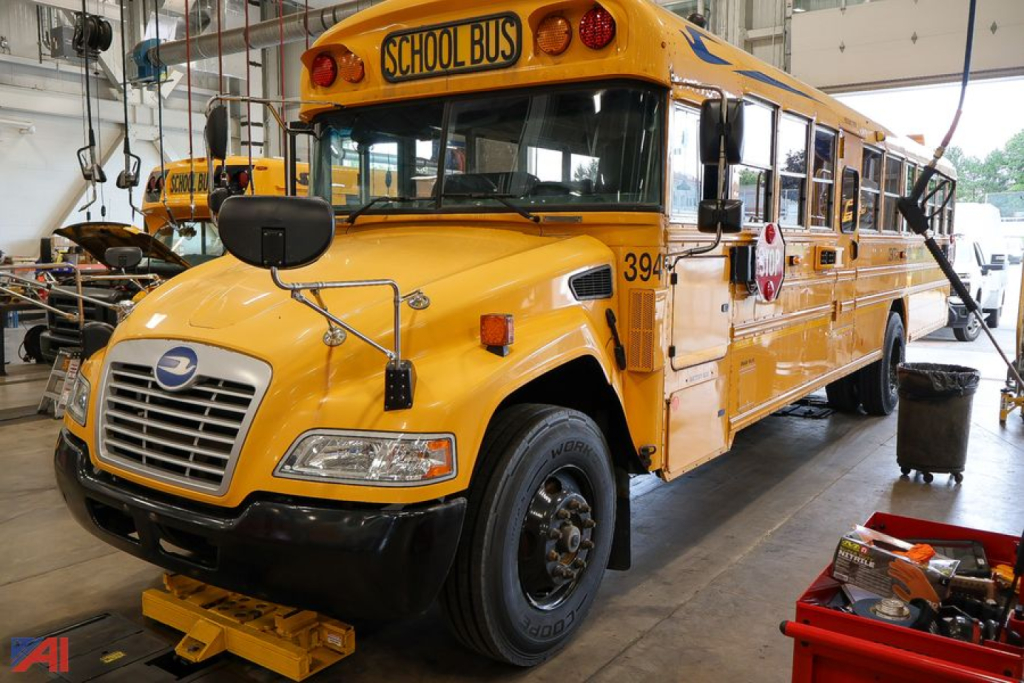
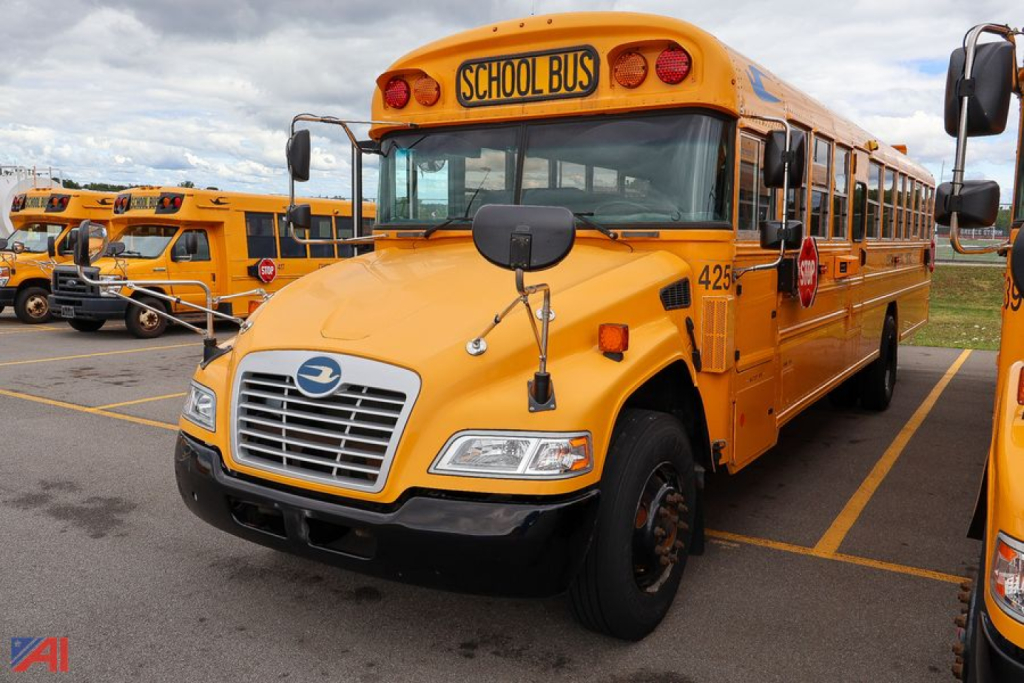
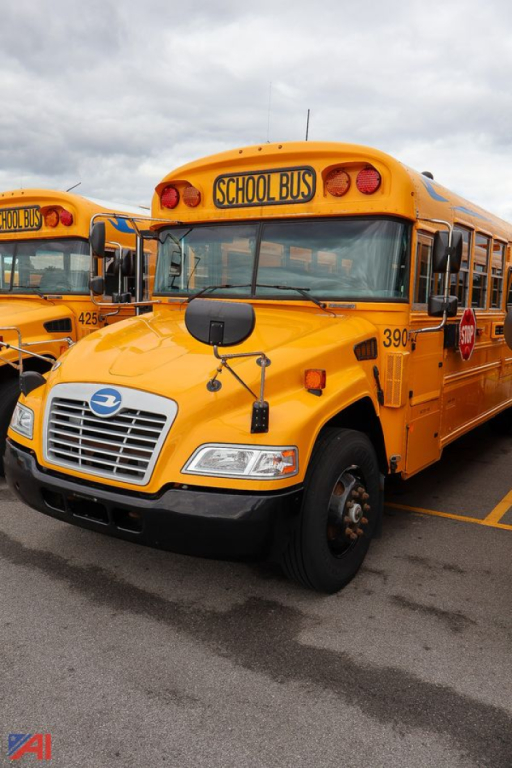
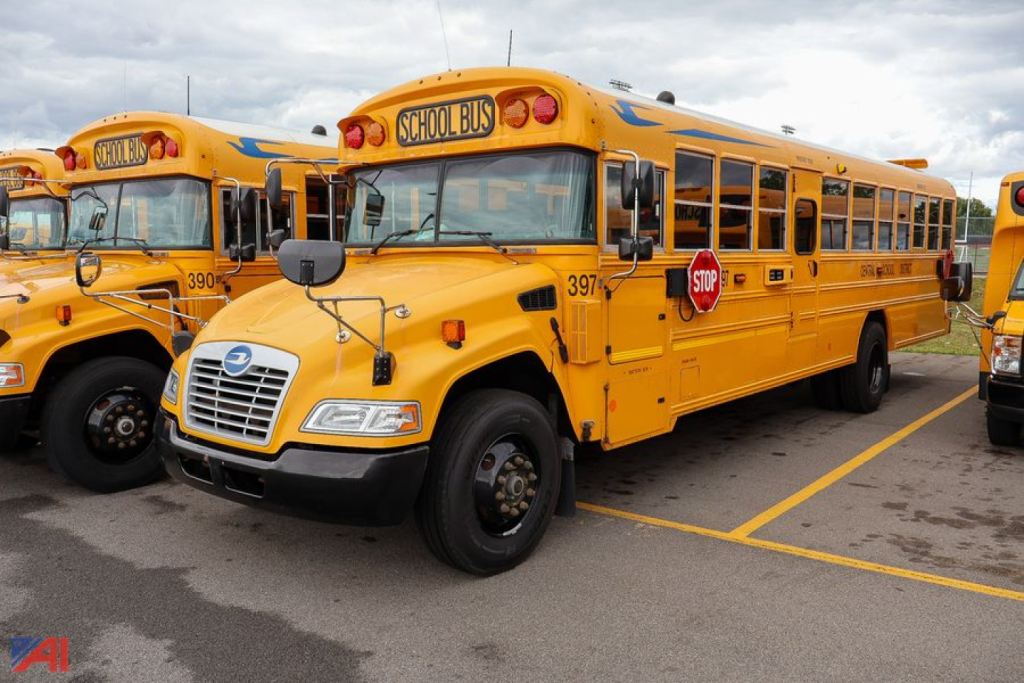
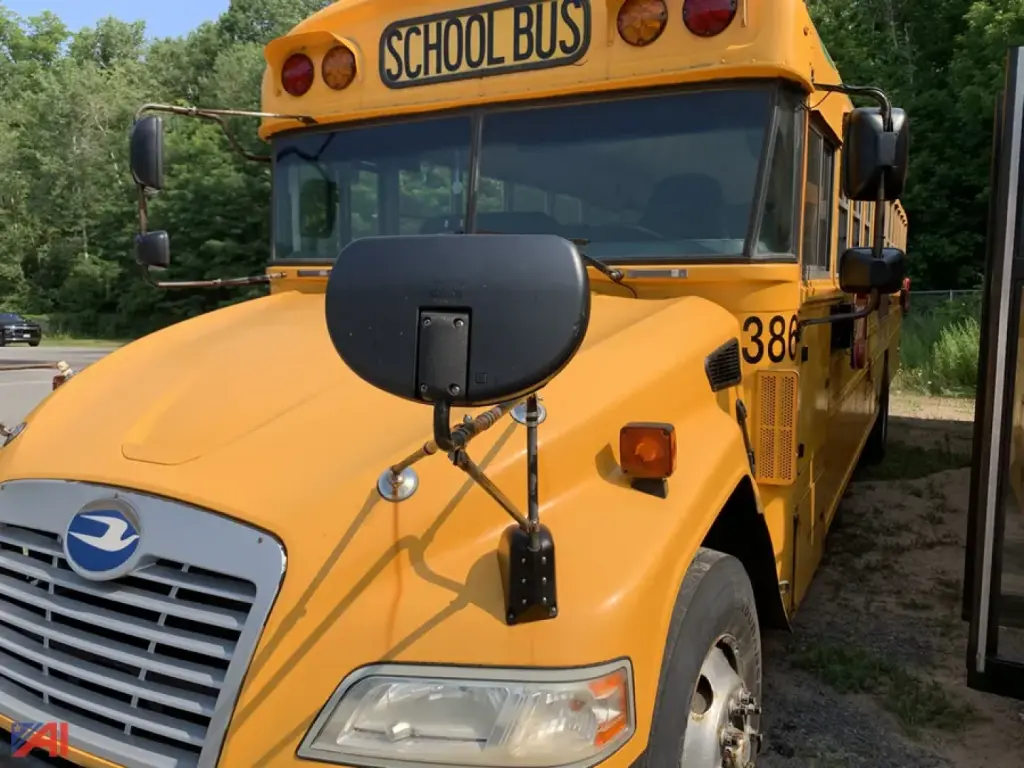
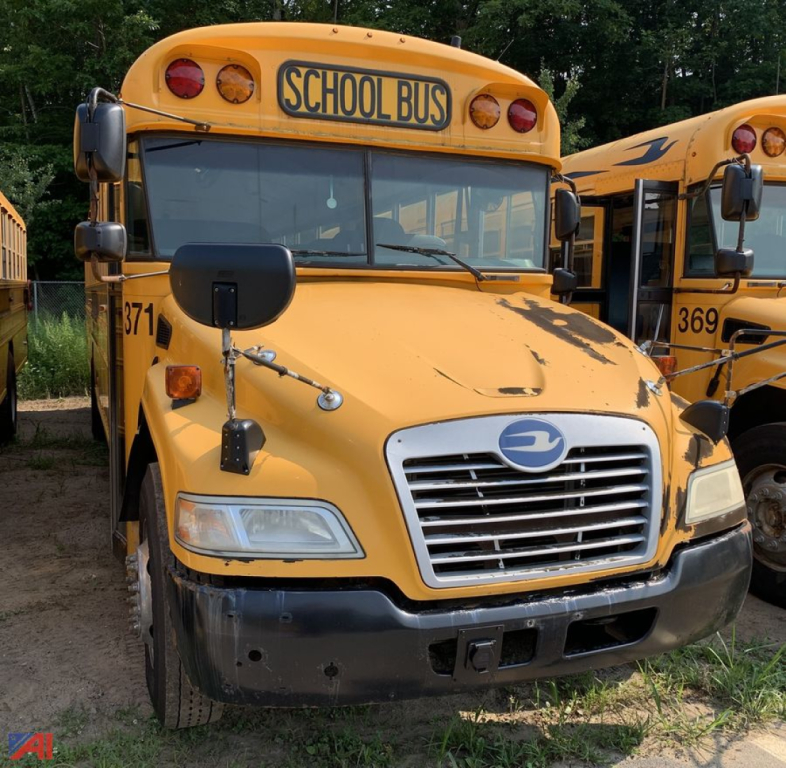
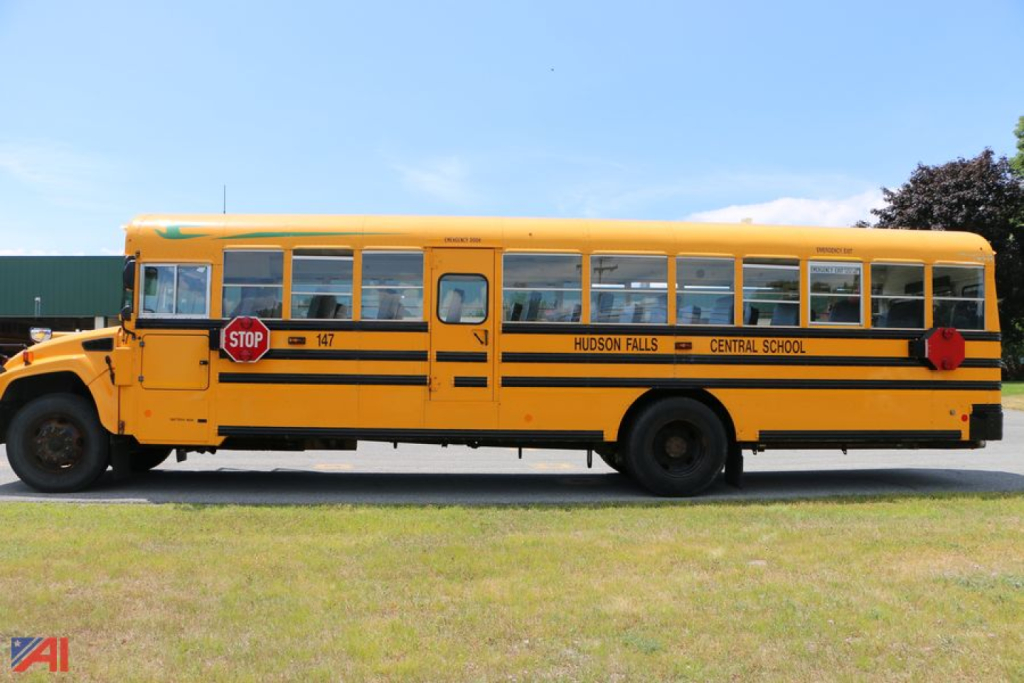
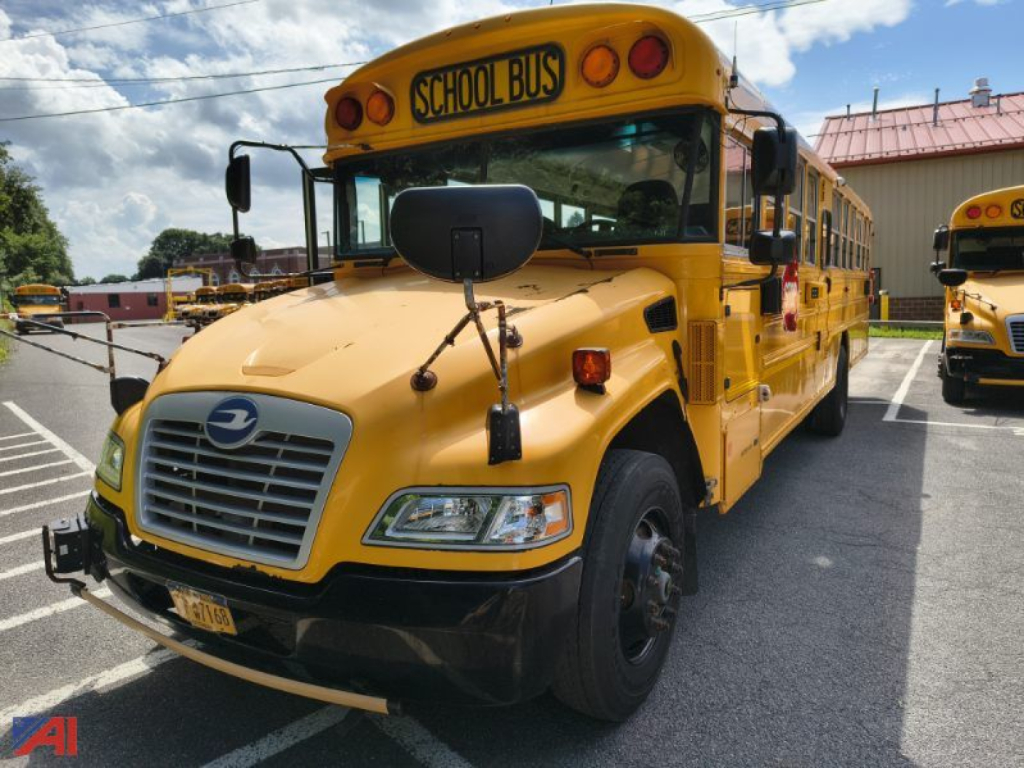
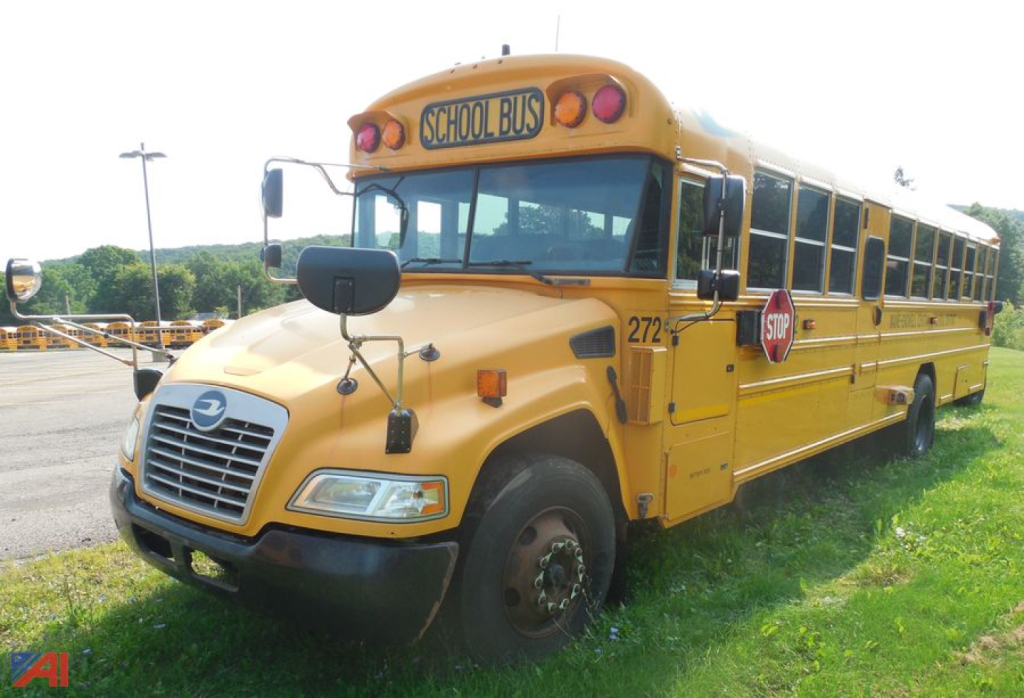
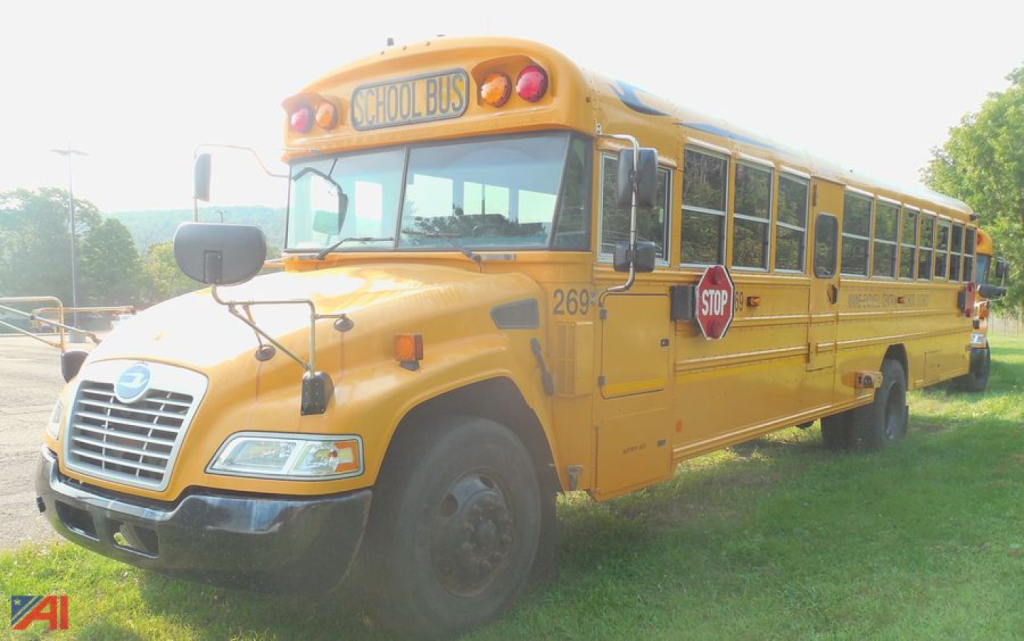
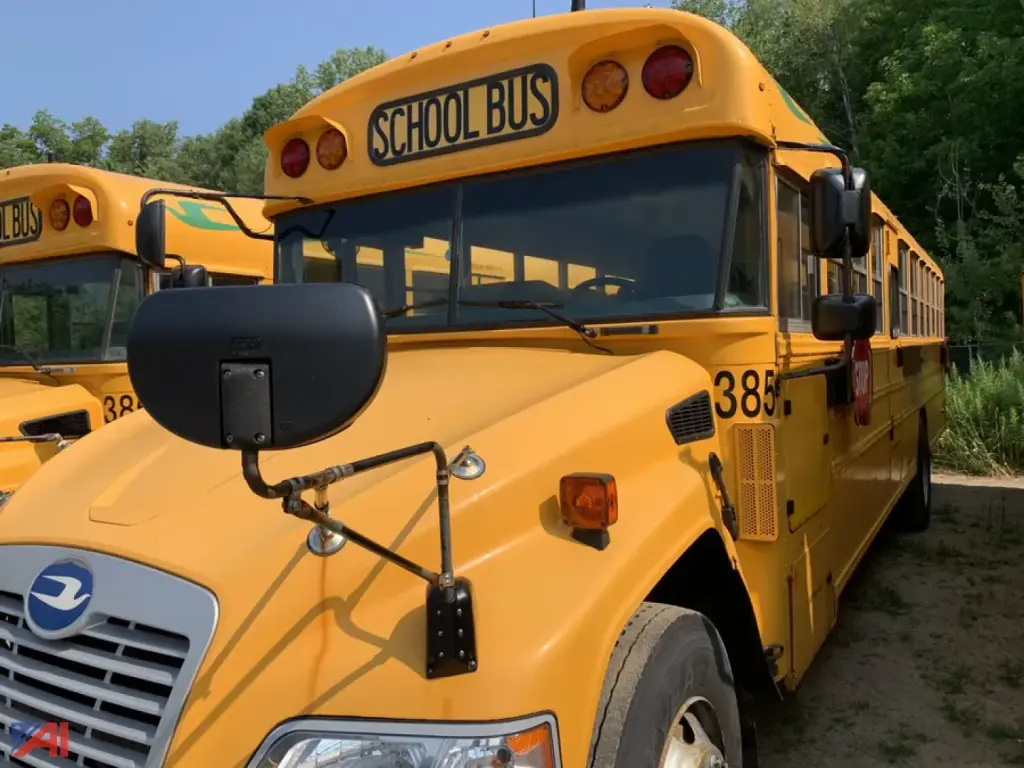
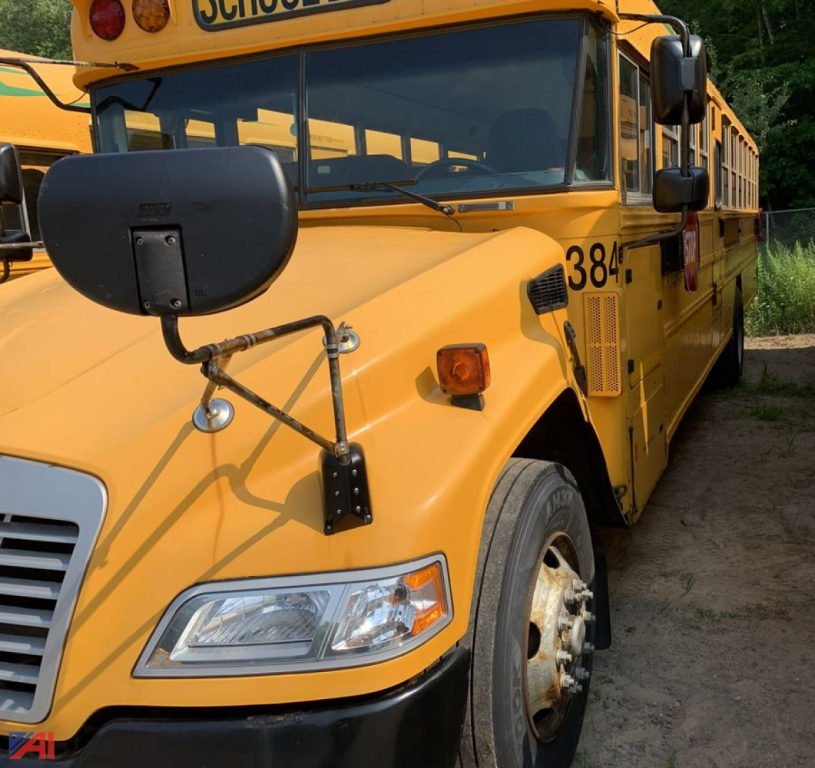
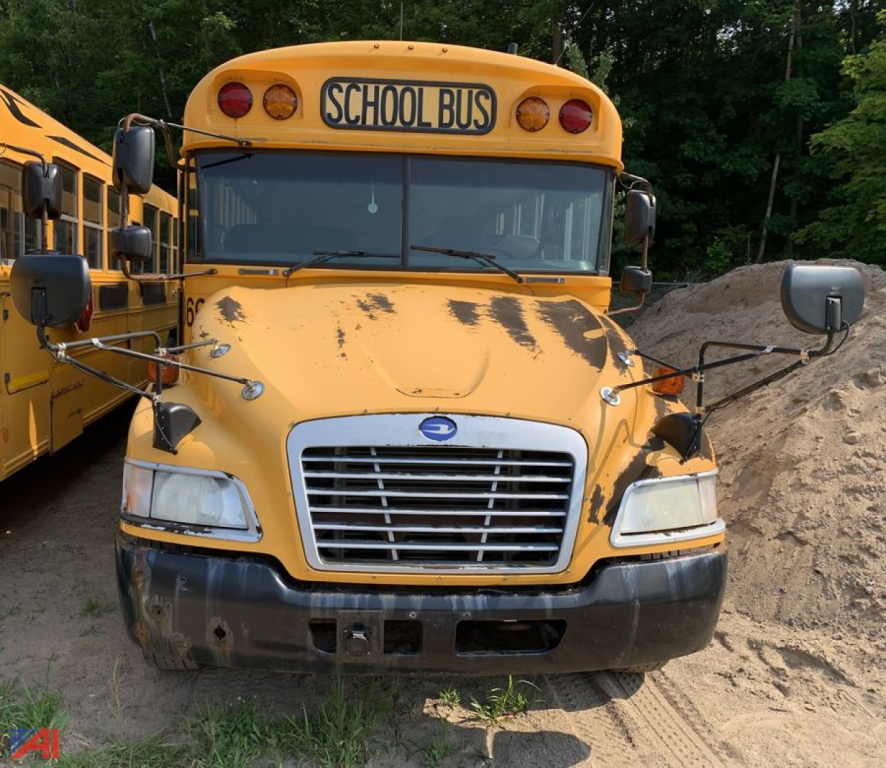
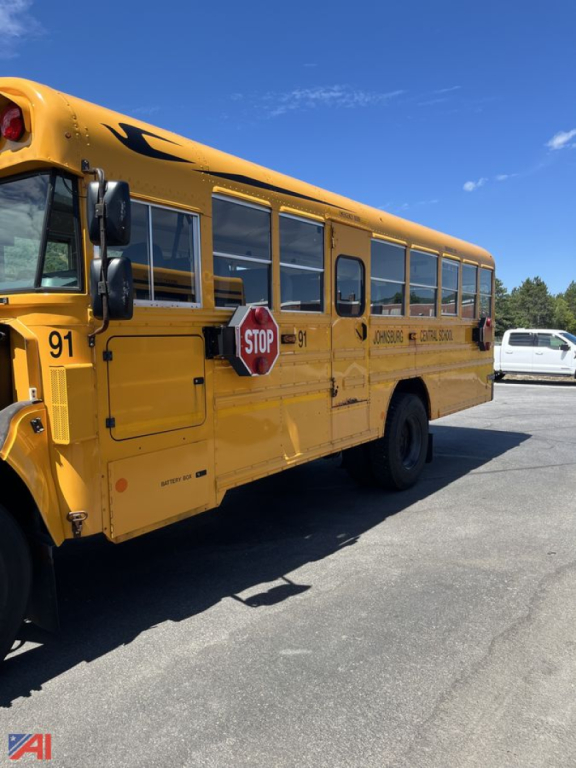
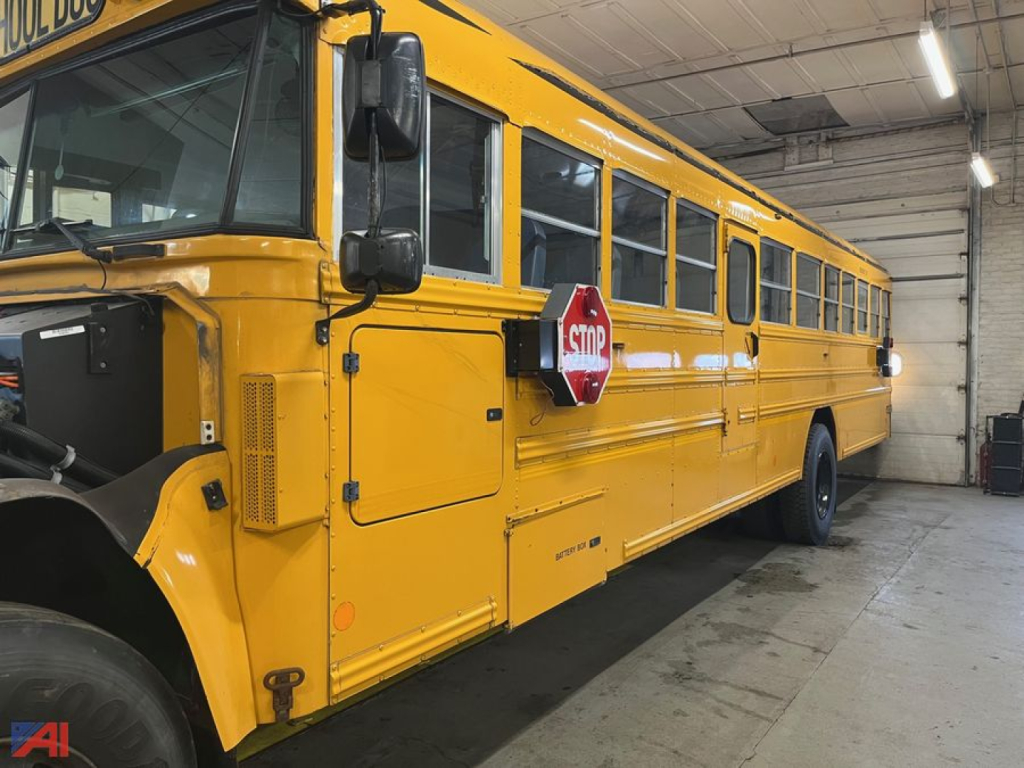
The Blue Bird Vision is a conventional-style bus with a hood-forward layout that many fleets prefer for service access and driver familiarity. Depending on year and spec, you will commonly see gasoline or diesel engines, automatic transmissions, hydraulic or air brakes, and seating layouts ranging from smaller route buses up to full-size school bus capacity. Key checkpoints include engine hours versus mileage, idle time, transmission shift quality, front suspension wear, steering play, and the condition of the entrance door, wheelchair equipment if equipped, heaters, warning lights, and electrical accessories. On school bus units, it is also smart to confirm whether stop arms, crossing gates, and flashers are still installed or have been decommissioned for private use.
In a Northeast market like New York, body and undercarriage corrosion matter as much as drivetrain condition. Pay close attention to frame rails, stepwell structure, floor integrity, wheel housings, rub rails, battery box areas, and emergency exit seals. A bus can present well cosmetically and still need substantial metal work underneath. Tire age, not just tread depth, is worth checking on lower-mileage buses that have spent long periods in fleet service. If the bus is being repurposed for shuttle, church, camper conversion, or contractor transport, verify title status, seating compliance, GVWR, and any state-specific requirements before purchase.
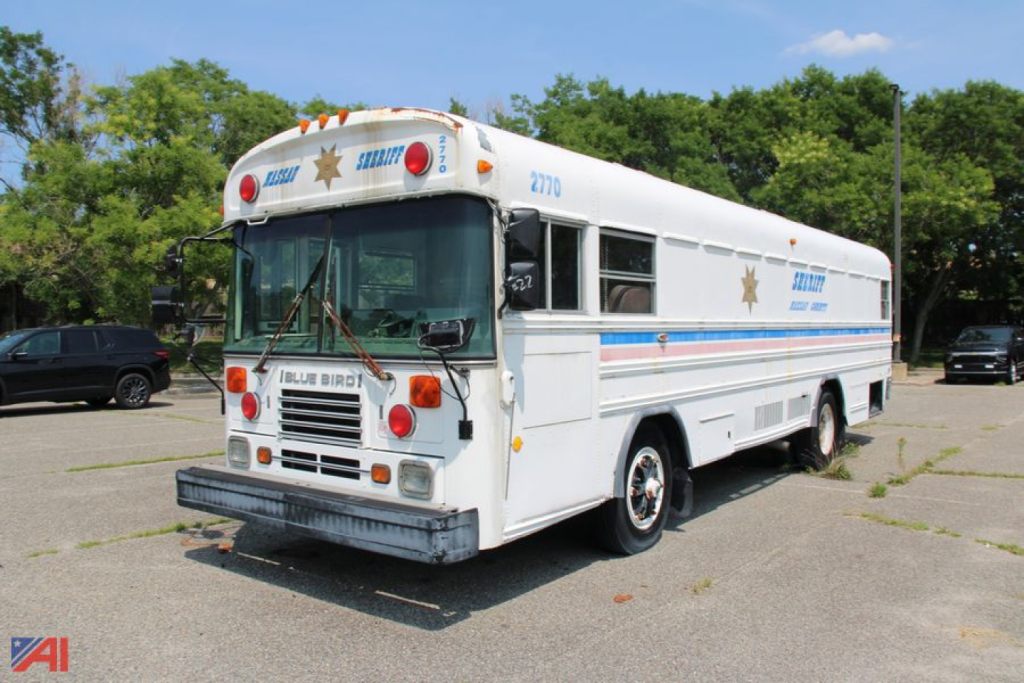
For buyers comparing Blue Bird bus trucks for sale, the main value of the brand is its long service life when maintenance has been documented and structural condition is sound. A well-matched Blue Bird bus can handle frequent stop-and-go duty, daily route cycles, and high passenger turnover better than a lightly built alternative. The best purchase decision usually comes down to matching body size and capacity to the route, then confirming the bus has clean maintenance history, manageable corrosion, and the right brake and powertrain setup for your operation.
Frequently Asked Questions about Blue Bird Bus Trucks in New York
What is the most common Blue Bird bus model on the used market in New York?
The Blue Bird Vision is one of the most common used Blue Bird buses in New York. It is a conventional school bus with a front engine and hood-forward design, which makes it familiar to many drivers and easier for many shops to service than a transit-style bus. Because so many school districts and contractors have run Vision models, buyers can often compare multiple years, seating capacities, and drivetrain combinations within the same model family.
What should I inspect first on a used Blue Bird school bus?
Start with structural condition, drivetrain health, and brake type. On a New York bus, inspect the frame, stepwell, floor, body mounts, wheel wells, and underbody for corrosion before focusing on cosmetic appearance. After that, check engine performance, transmission operation, steering and suspension wear, heater function, electrical systems, and the condition of passenger seats and emergency exits. Maintenance records and any evidence of state inspection history are also important.
Are Blue Bird Vision buses available with both diesel and gasoline engines?
Yes. Depending on the model year and fleet specification, Blue Bird Vision buses have been built with both diesel and gasoline powertrains. Engine choice affects fuel cost, service complexity, cold-weather behavior, and emissions equipment considerations. Buyers should verify the exact engine model, transmission pairing, and emissions system configuration on each bus rather than assuming all Vision units are equipped the same way.
Is a used school bus practical for shuttle or private passenger use?
A used Blue Bird school bus can be practical for shuttle service, church transport, work crew hauling, or other private passenger applications if the bus is correctly titled and legally configured for the intended use. Buyers should confirm seat count, door layout, GVWR, emergency equipment status, and whether school bus warning devices have been removed or disabled where required. Insurance, registration class, and any New York compliance requirements should be reviewed before putting the bus into service.
Why does rust matter so much on used buses in the Northeast?
Rust is a major cost factor because it affects safety, inspection readiness, and repair economics. Surface corrosion is common, but deeper rust in the frame, floor supports, stepwell, and body mounting areas can turn a low-mileage bus into a poor value. In Northeast service, road salt and repeated winter exposure accelerate underbody deterioration, so a thorough chassis and body inspection is often more important than mileage alone.