
International Bus Trucks For Sale in New York
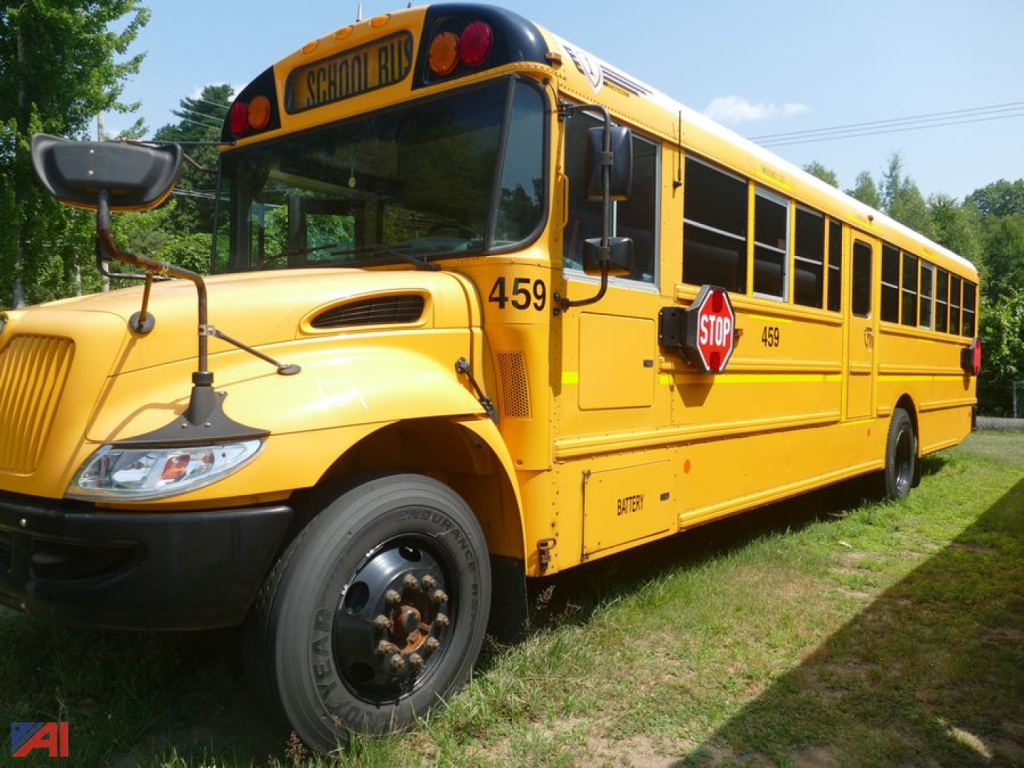
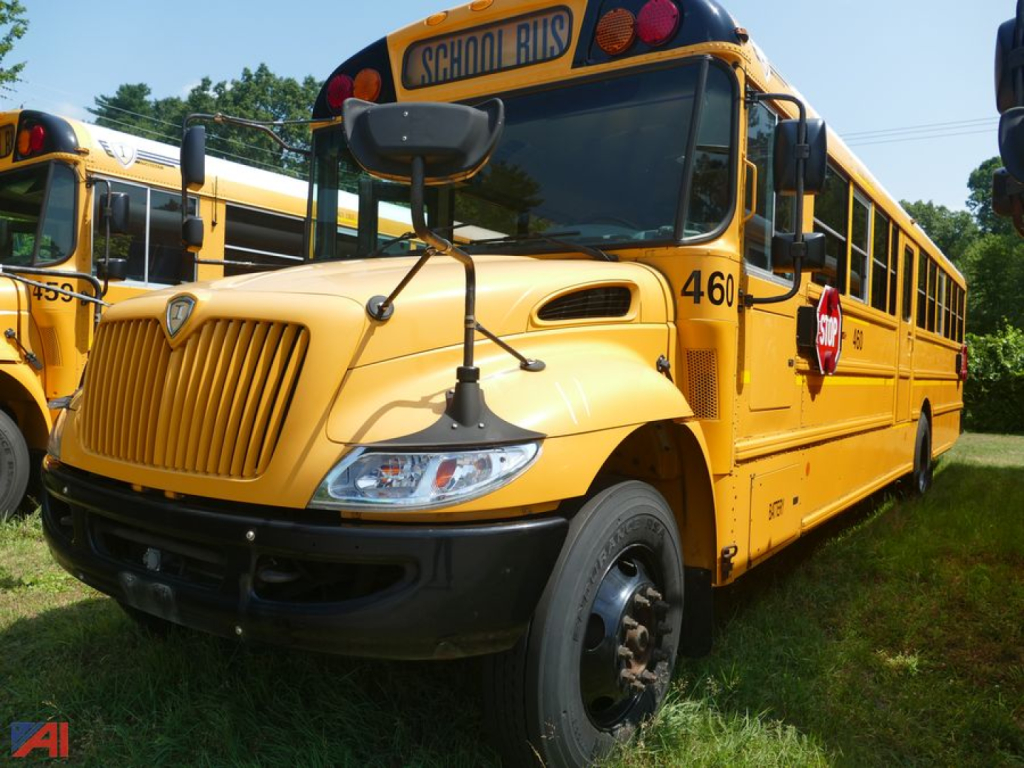
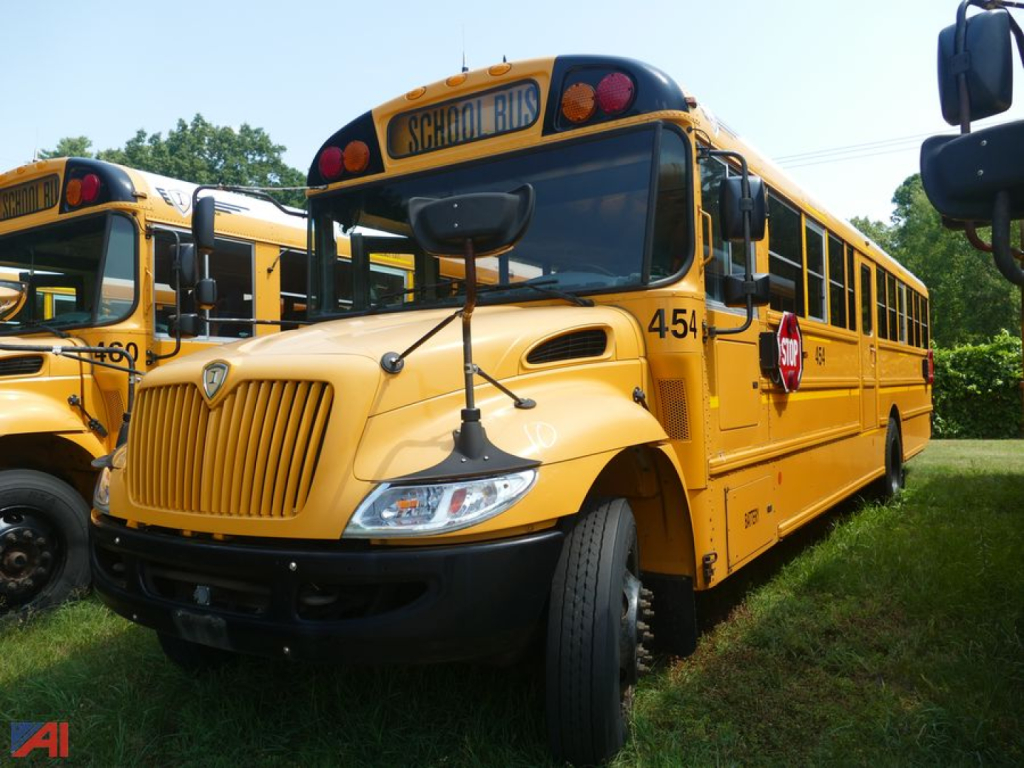
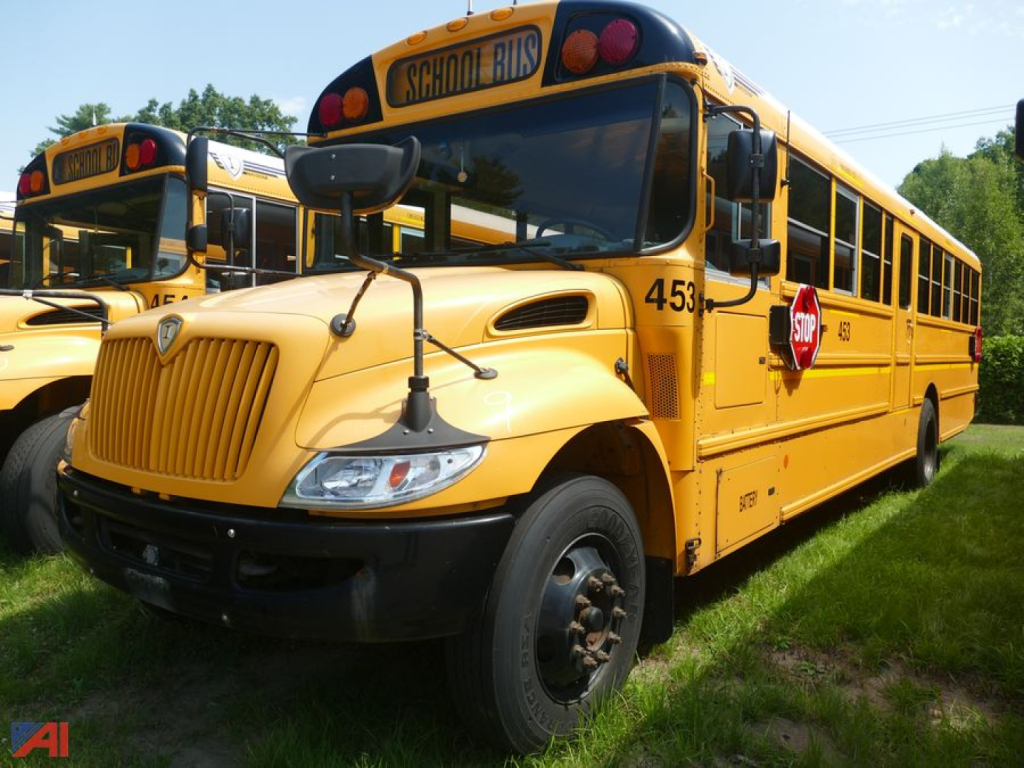
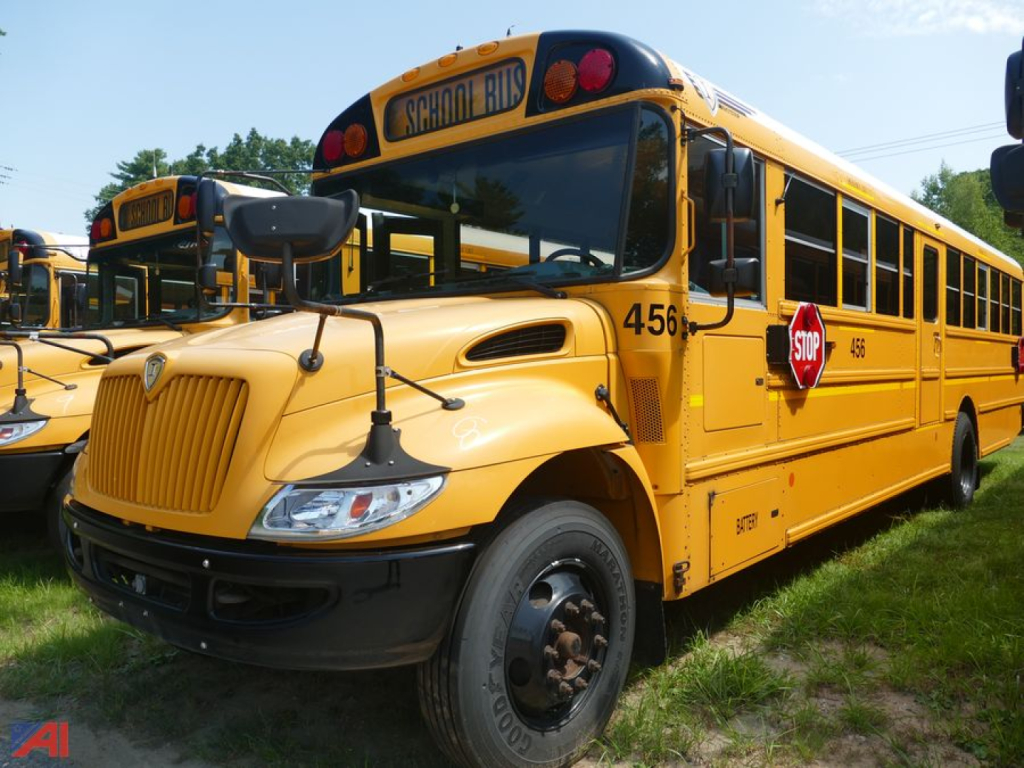
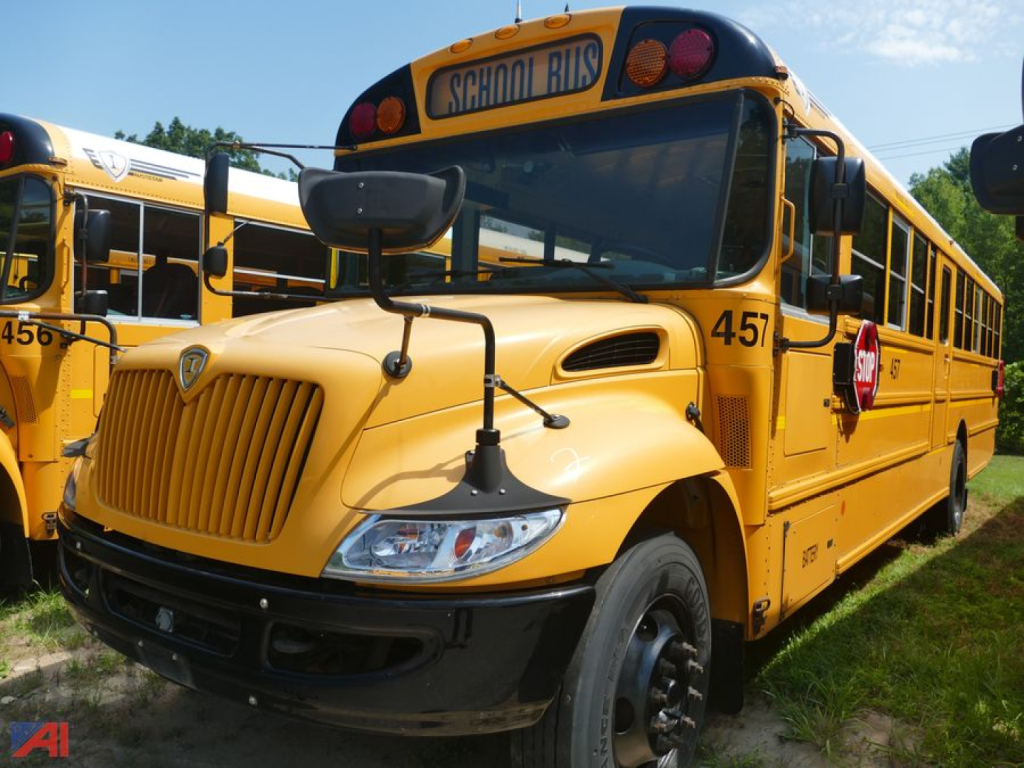
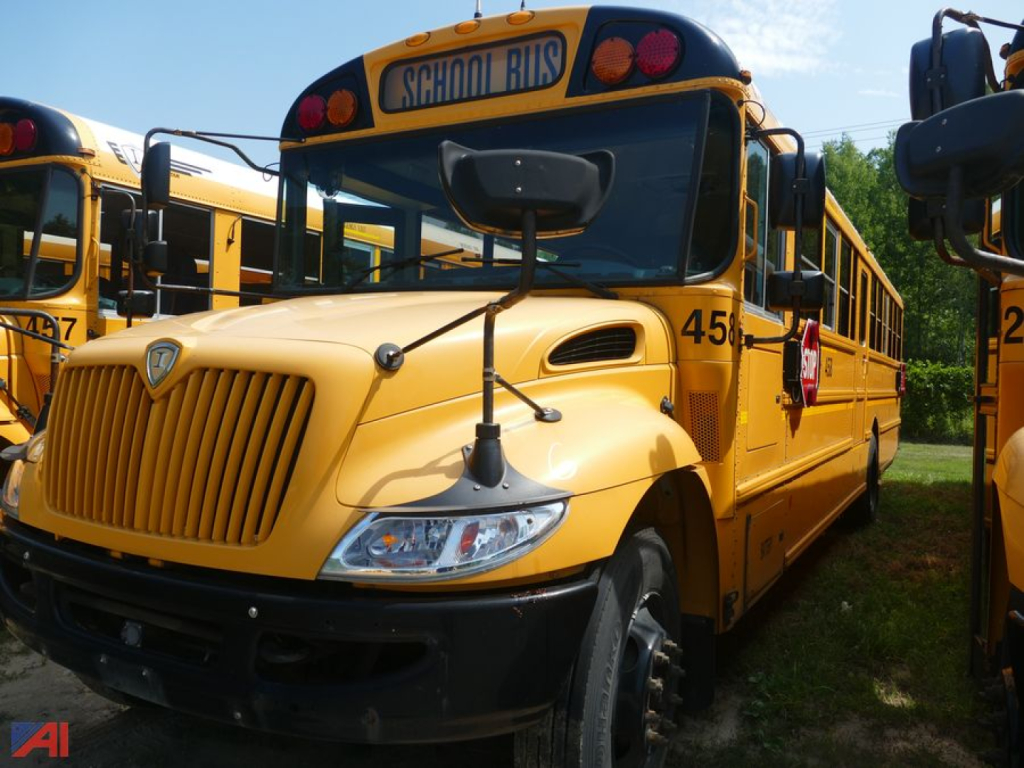
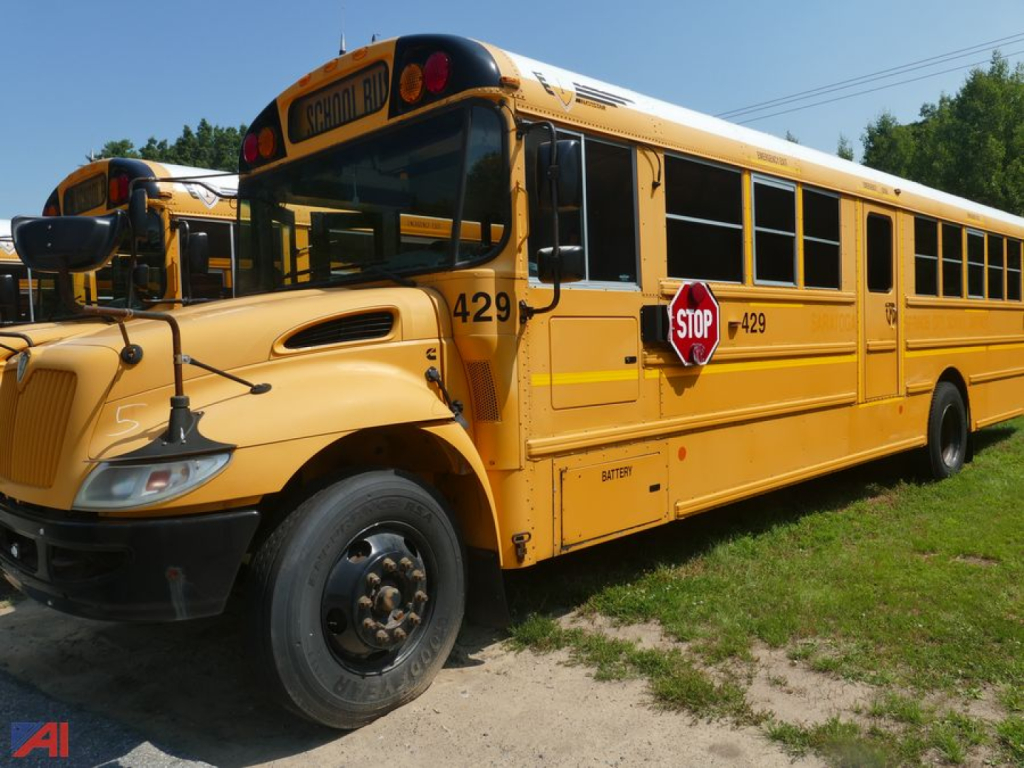
Have international bus truck to sell? List it here to reach thousands of buyers.
International Bus Trucks in New York
A smart buying decision starts with body style and seating layout. Conventional school buses on International chassis are typically selected for route work where durability, visibility, and serviceability matter more than premium coach features. Wheelchair-equipped units add another layer of evaluation, including lift type, lift cycle condition, securement track layout, door operation, and interior floor integrity around tiedown points. Passenger count, aisle width, seat condition, heater performance, and emergency exit configuration should all be checked against the intended duty cycle. If the bus will stay in pupil transportation service, buyers should also verify warning light systems, stop arm function, crossing gate operation, and any required state-specific equipment.
Powertrain and chassis specs vary by year and application, but International buses commonly use diesel engines paired with Allison automatic transmissions. Buyers should review engine hours, idle time, cooling system service history, and emissions equipment condition, especially on newer units with EGR, DPF, and SCR systems. Front axle rating, rear axle ratio, GVWR, brake type, and tire size all affect operating cost and route suitability. In stop-and-go service, suspension wear, steering play, brake condition, and rust around steps, floor pans, wheel housings, and underbody crossmembers deserve close attention. In New York, corrosion can be a major value driver, so underside inspection is essential.
International bus trucks also appeal to buyers converting former school buses for private shuttle use, church transport, mobile programs, or specialty commercial applications. In those cases, electrical layout, HVAC capacity, luggage or equipment space, and title or registration pathway can be just as important as the original seating spec. The best unit is usually the one with a documented maintenance history, clean structural condition, and a configuration that fits the route or conversion plan without major rework. A bus with the right accessibility equipment, passenger capacity, and chassis condition will typically deliver better long-term value than a cheaper unit that needs body, rust, or emissions repairs.
Frequently Asked Questions about International Bus Trucks in New York
What should I look for first when buying a used International bus truck?
Start with the intended application, then match the bus to that job. Passenger capacity, wheelchair access, route length, underbody condition, and maintenance history usually matter more than cosmetic appearance. On an International bus, buyers should pay close attention to chassis rust, floor condition, suspension wear, brake system health, and the status of emissions components. If it is a school bus, confirm that all safety equipment is present and operating if the bus will remain in pupil transportation service.
Are International CE Series buses a good fit for school transportation fleets?
International CE Series buses are widely used in school transportation because they combine a conventional front-engine layout with broad parts availability and service familiarity. Many fleet technicians already know the platform, which can simplify maintenance planning. They are commonly used for daily route service, special needs transport, and substitute route coverage, but actual suitability depends on seating layout, drivetrain, GVWR, and the condition of the body and chassis.
What is important on a wheelchair-accessible International bus?
The key items are lift operation, securement hardware, door seals, interior floor strength, and overall accessibility layout. A wheelchair bus should be inspected for proper lift cycling, corrosion around the lift opening, wear at tiedown tracks, and the condition of restraint systems. Buyers should also verify aisle clearance, seating arrangement, heater performance in the passenger area, and any ADA-related equipment needed for the planned operation.
Do New York buyers need to pay special attention to rust on used buses?
Yes. In New York, road salt and winter conditions can accelerate corrosion on steps, floors, wheel wells, crossmembers, brake lines, body mounts, and frame-related components. Rust can turn an otherwise solid-running bus into an expensive repair project. A thorough underside inspection is important, and buyers should look beyond exterior panels to evaluate structural areas, especially on older school buses and units that spent their lives in upstate service.
What powertrain issues are most common on later-model International buses?
Later-model diesel buses often require closer review of emissions-related systems such as EGR, DPF, SCR, sensors, and associated wiring. Repeated short-route duty cycles and long idle periods can contribute to regeneration issues or fault codes if maintenance has been inconsistent. Buyers should look for documented service records, check for active warnings, and confirm that the engine, transmission, and aftertreatment systems operate normally under load, not just at idle.