
2019 Bus Trucks For Sale in New York
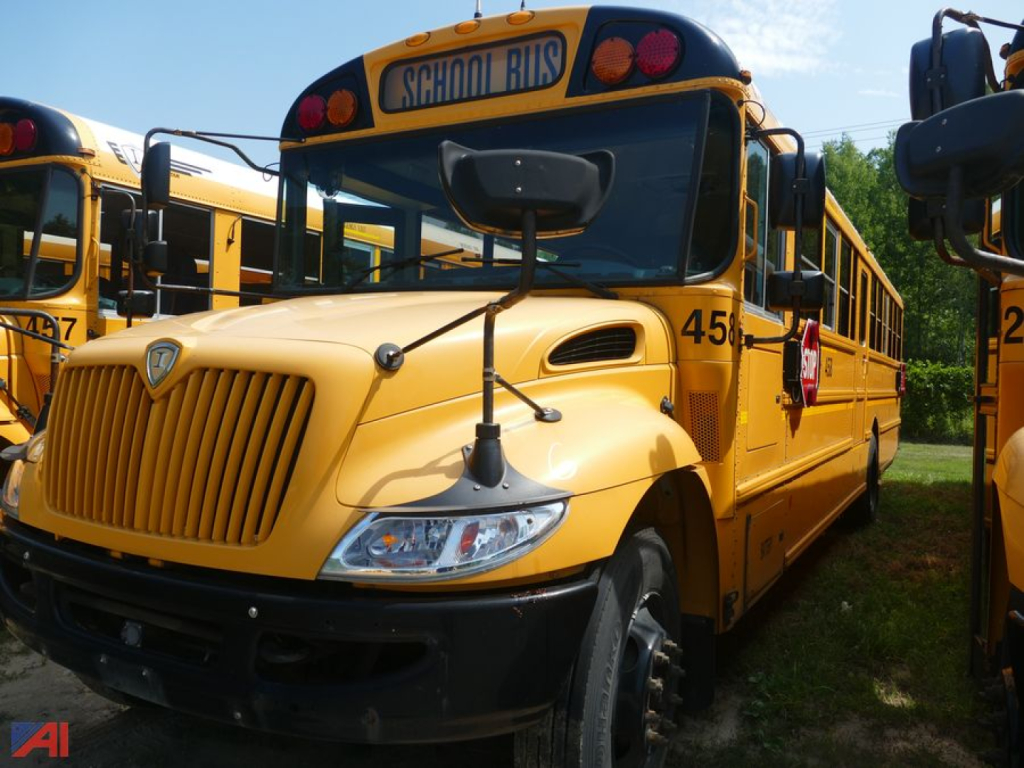
Have 2019 bus truck to sell? List it here to reach thousands of buyers.
2019 Bus Trucks in New York
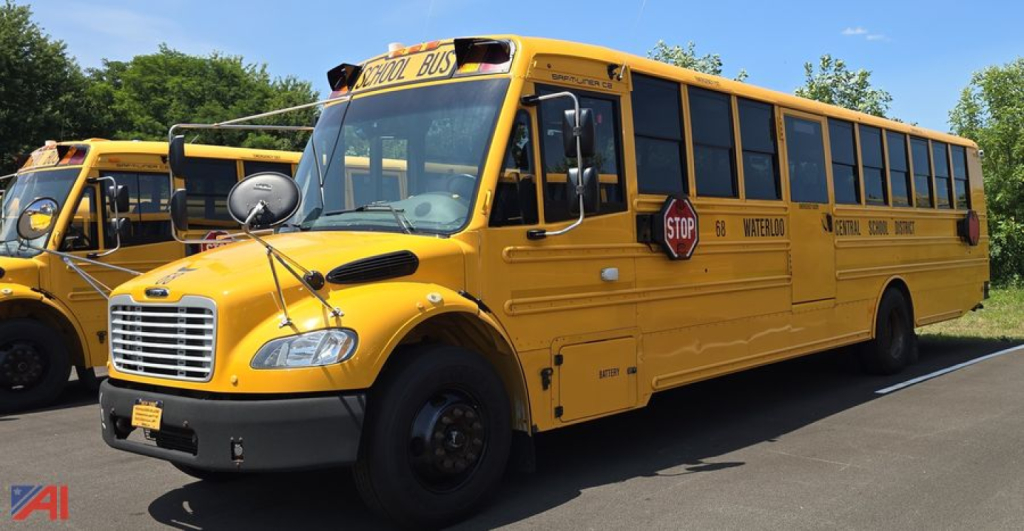
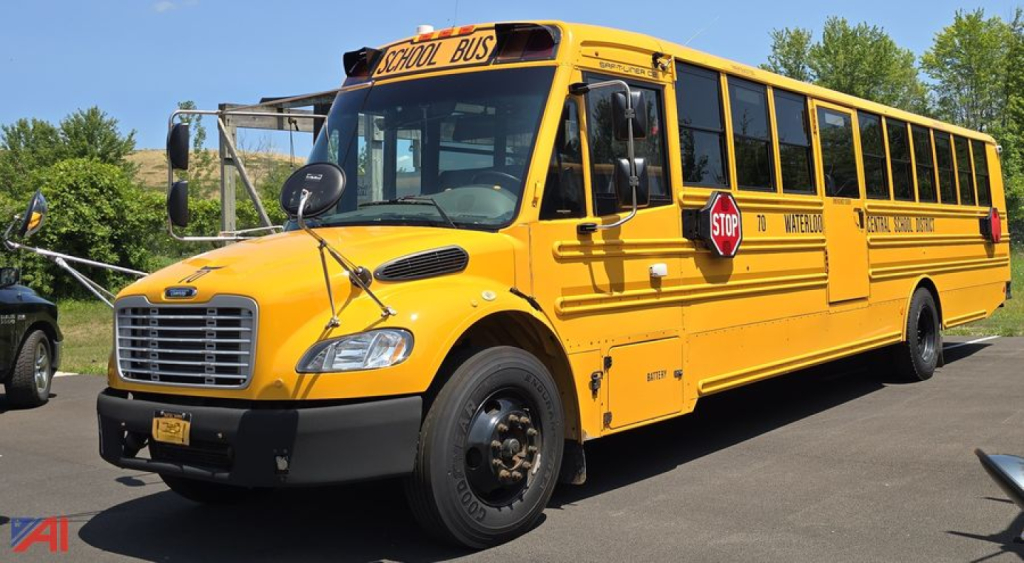
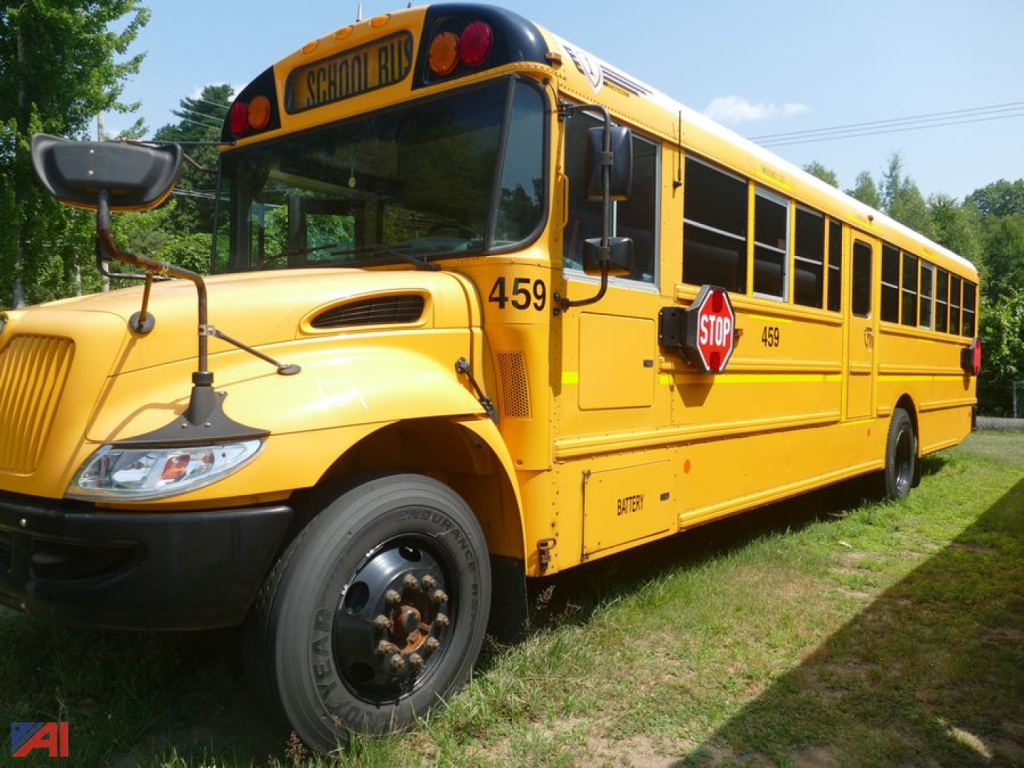
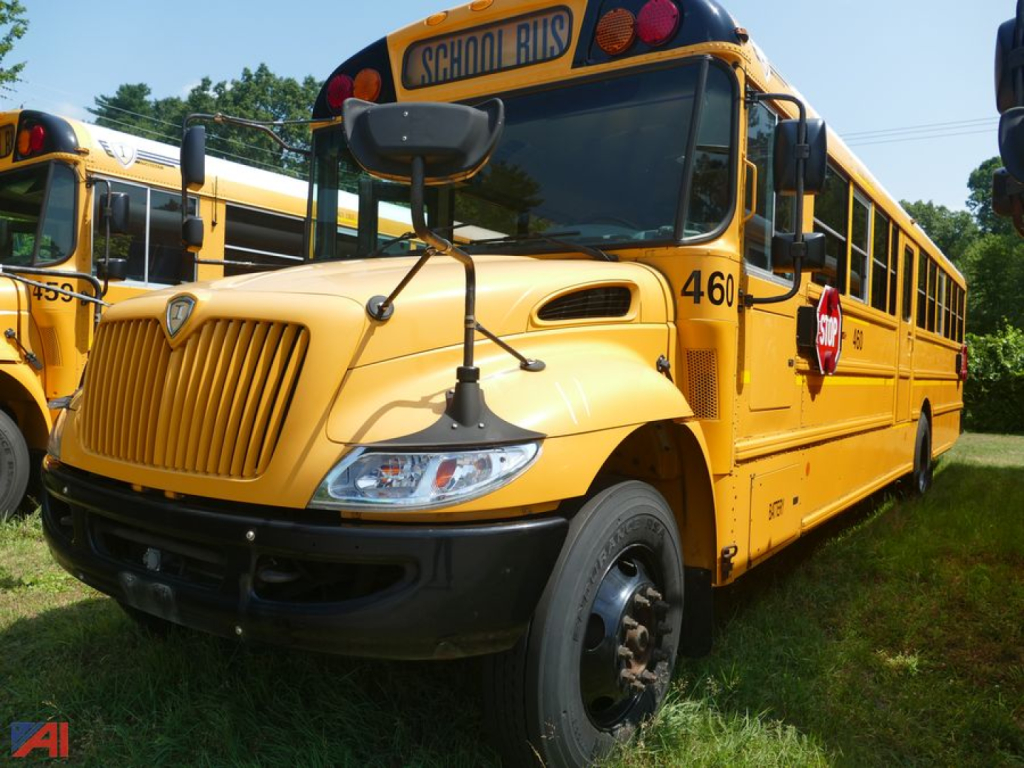
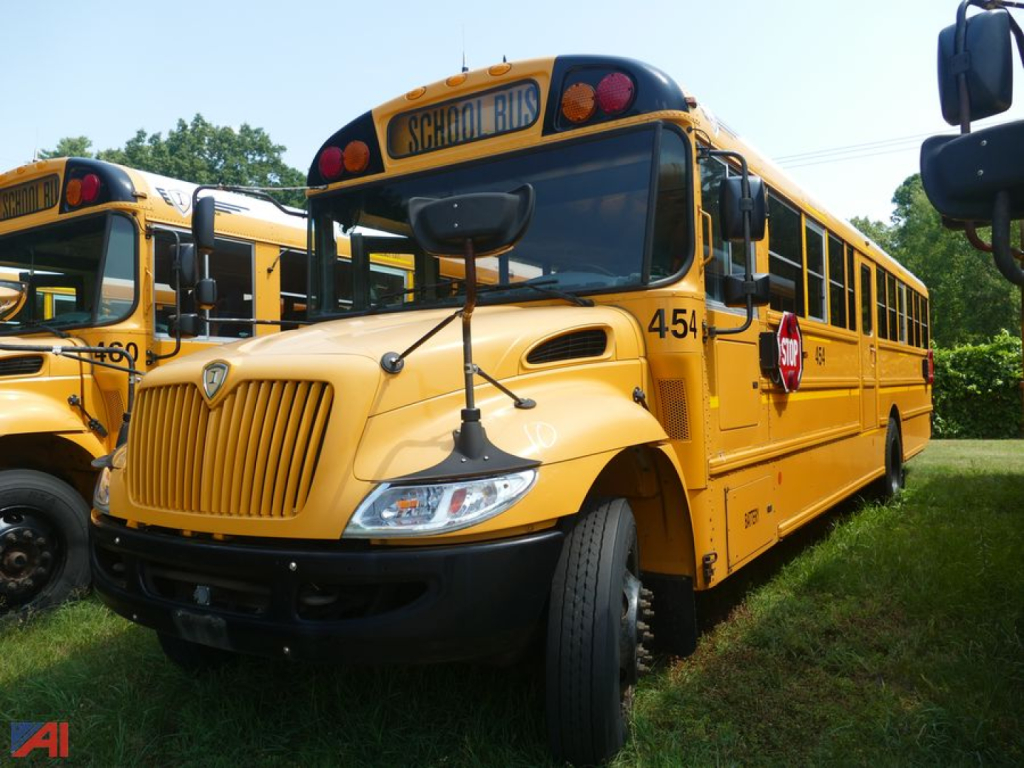
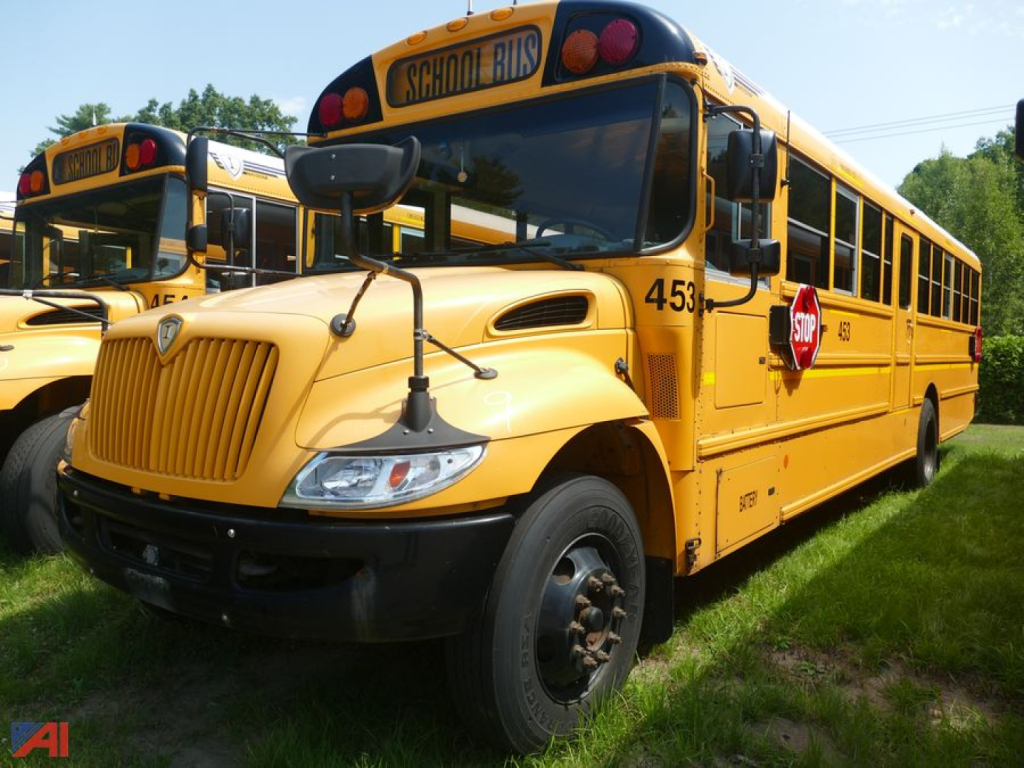
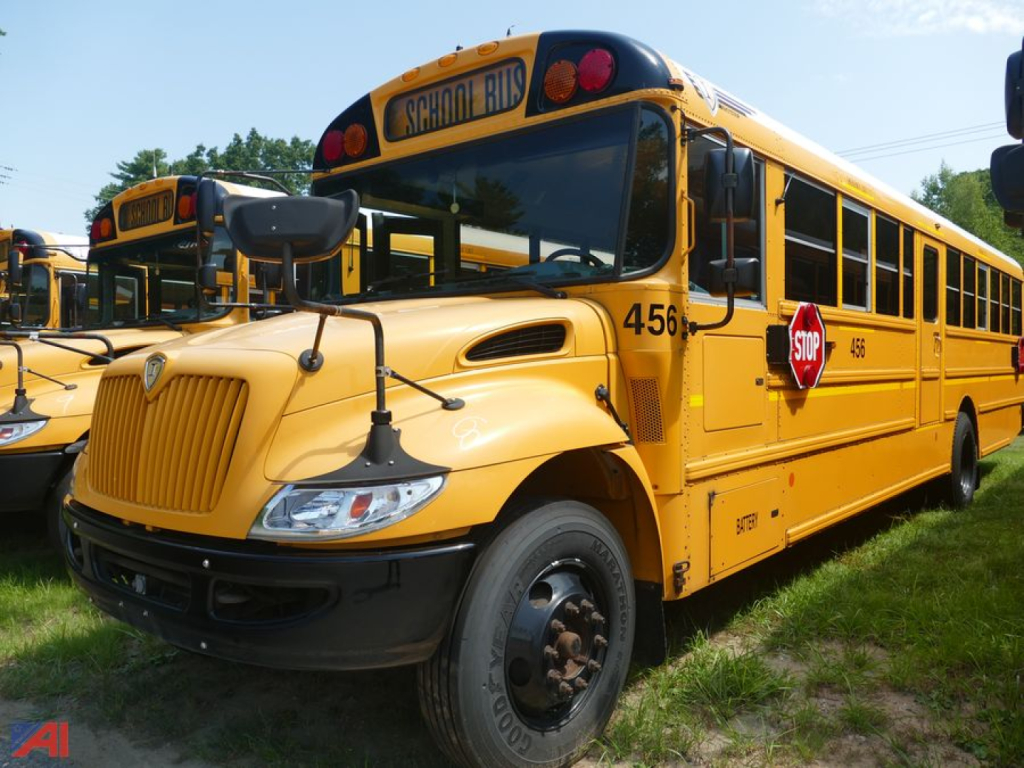
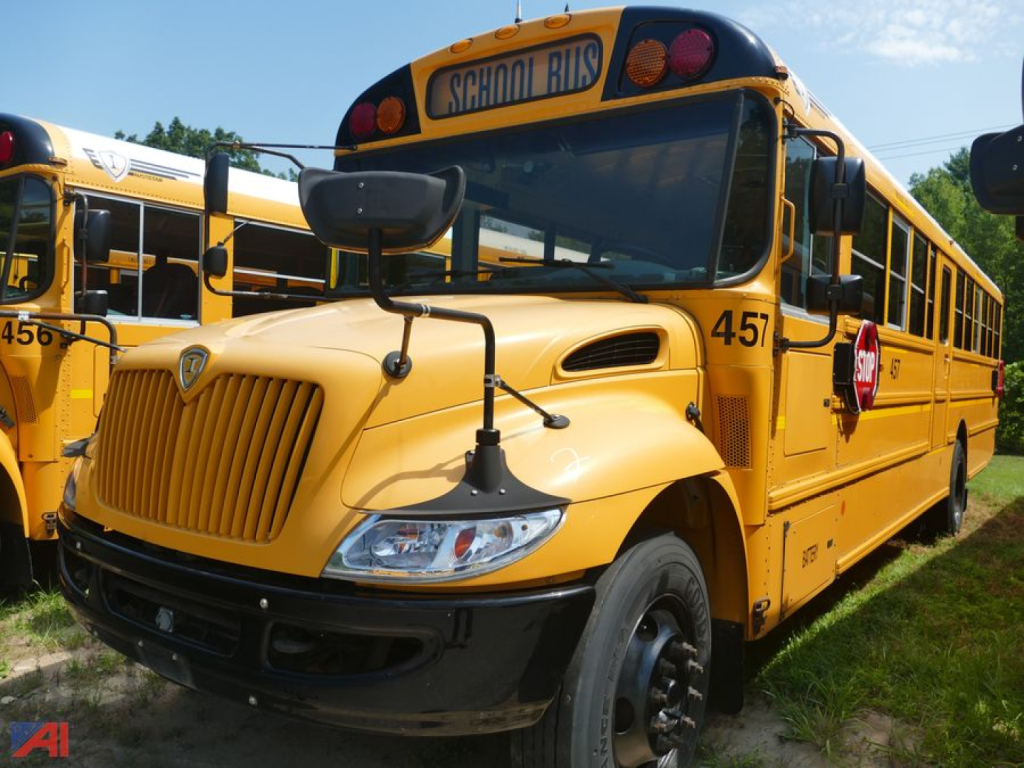
For New York buyers, the first decision is usually application-specific: school route service, shuttle duty, church or nonprofit transport, contractor crew movement, or conversion use. A 2019 school bus typically offers a balance of useful life and serviceability, but spec details matter. Look closely at engine family, transmission model, seating count, wheelbase, GVWR, brake type, and overall body length. Conventional Type C buses are easier to service through medium-duty truck channels, while transit-style buses may offer better passenger flow and standee-friendly layouts for urban work. If the bus will stay in pupil transportation, confirm body condition, warning light system status, wheelchair lift operation if equipped, and any state-specific compliance requirements.
Condition is more important than age alone on used buses. In this category, buyers should pay attention to idle hours, maintenance records, underbody corrosion, stepwell rust, frame scaling, roof seam condition, heater operation, and the status of emissions components such as DPF and DEF systems. New York units can see heavy winter exposure, so crossmembers, brake lines, wiring, and luggage or battery compartment floors deserve a careful inspection. Tire date codes, suspension wear, seat track integrity, emergency exits, and glass condition also affect total cost after purchase. On diesel school buses, service history around injectors, turbochargers, EGR components, and transmission calibration can tell you more than odometer mileage by itself.
A 2019 bus truck can also appeal to buyers planning specialty use, including mobile classrooms, command centers, skoolie conversions, and support vehicles. In those cases, body length, interior headroom, underfloor storage, axle ratings, and electrical capacity become just as important as passenger specs. Buyers comparing listings should weigh intended use against turning radius, parts support, and drivetrain simplicity. The best unit in this class is not just the newest or lowest-mile example. It is the one with the right seating configuration, chassis spec, service history, and structural condition for the work it needs to do.
Frequently Asked Questions about 2019 Bus Trucks in New York
What should I check first on a used 2019 bus truck?
Start with the service records, engine hours, odometer reading, and evidence of rust or corrosion. On a 2019 bus, emissions system health is especially important, so verify the condition of the DPF, DEF system, EGR components, and any recent fault history. Also inspect the frame, stepwell, floor, roof seams, brakes, tires, suspension, and electrical systems because those areas can drive repair costs quickly.
Are 2019 school buses a good choice for non-school commercial use?
Yes, many 2019 school buses are repurposed for shuttle operations, church transport, worker movement, mobile offices, and conversions. The key is matching the bus to the job. A conventional school bus offers straightforward truck-style service access and solid parts availability, but buyers should confirm local registration rules, seating needs, emergency exit requirements, and any modifications needed for the new use.
What drivetrain specs are common on 2019 bus trucks?
Many 2019 bus trucks use medium-duty diesel engines paired with Allison automatic transmissions. Depending on the body and application, you may see hydraulic brakes on lighter units or air brakes on heavier specifications. GVWR, axle ratings, suspension type, and gearing vary by route type and passenger load, so buyers should compare those specs closely instead of assuming all buses in the same year are configured alike.
How important is rust inspection on a bus in New York?
Rust inspection is critical for any bus that has operated in New York. Road salt and winter moisture can affect frame rails, crossmembers, stepwells, wheel housings, brake lines, wiring, and body mounts. Cosmetic rust is common, but structural corrosion can change the value of the bus significantly and may affect inspection compliance, long-term safety, and repair cost.
What is the difference between a conventional school bus and a transit-style bus?
A conventional school bus, also called a Type C bus, uses a truck-style hood and chassis and is generally easier to service through medium-duty truck networks. A transit-style bus has a flat-front design that improves maneuverability, interior flow, and driver visibility in tight urban use. Buyers should choose based on route type, service access, passenger movement, and total operating cost rather than appearance alone.