
2020 Bus Trucks For Sale
Have 2020 bus truck to sell? List it here to reach thousands of buyers.
2020 Bus Trucks
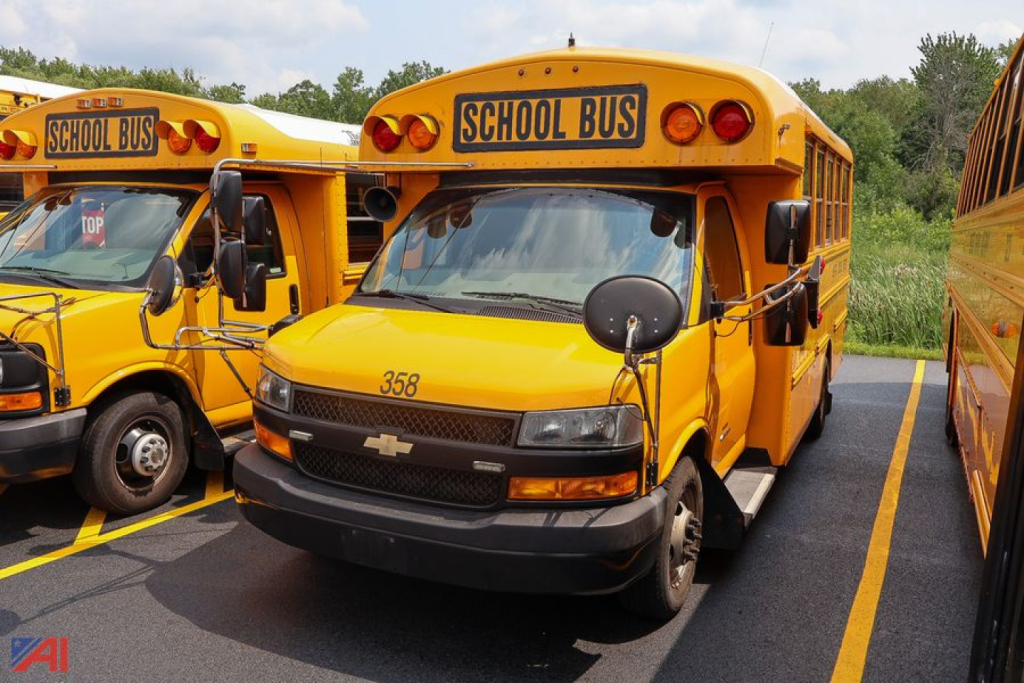
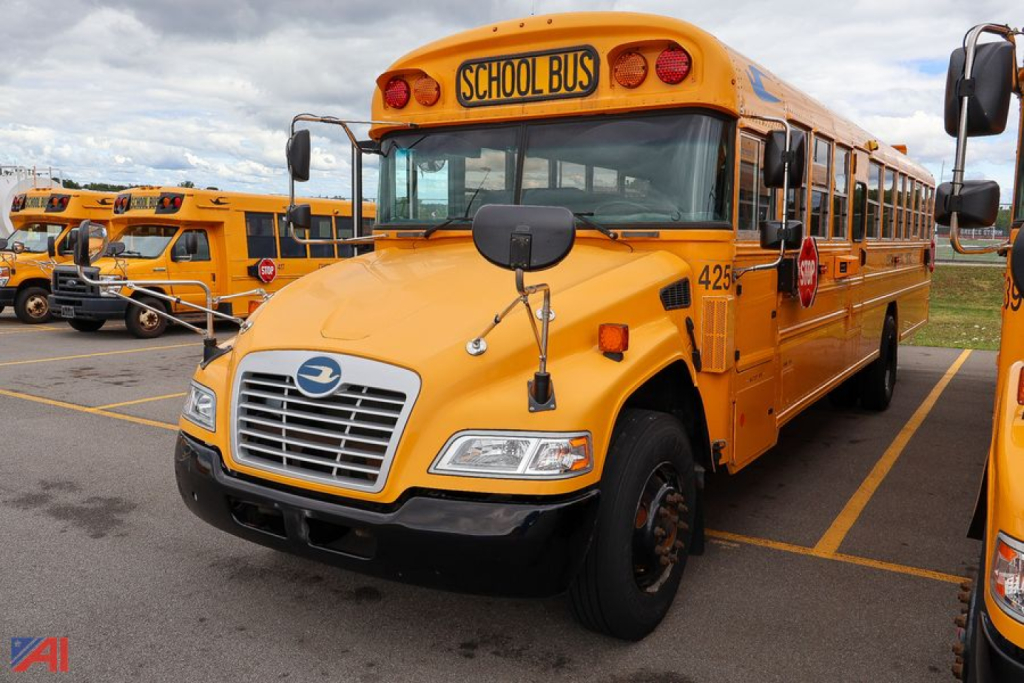
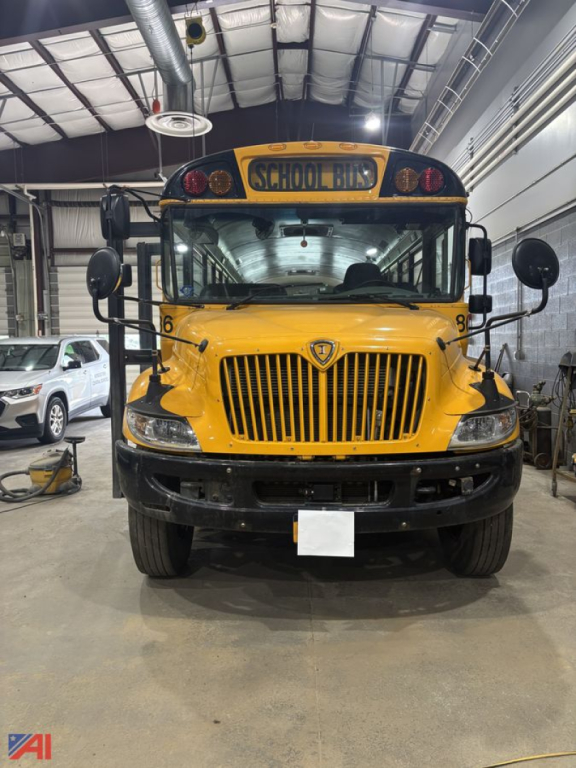
The first decision is body style and passenger mission. A conventional school bus typically gives you higher seating capacity, better parts support in pupil transport fleets, and a heavier-duty chassis built for repeated stop-and-go service. A cutaway bus is usually easier to maneuver, simpler to route in urban or private shuttle work, and may offer wheelchair lift configurations, flexible seating layouts, and lower operating weight. Buyers should verify seated passenger count, wheelchair positions, aisle layout, roof height, luggage space if applicable, and door configuration. On school bus units, look closely at stop-arm equipment, warning light systems, crossing arms, and state-specific specifications if the unit will remain in student service.
Powertrain and service history matter more than badge alone. Many 2020 bus trucks in this class use diesel engines paired with Allison automatic transmissions, although gasoline engines appear in lighter shuttle applications. Check GVWR, axle ratings, brake type, tire size, wheelbase, and overall body length because these directly affect route suitability, maintenance cost, and CDL implications. For diesel buses, emissions system condition is a major inspection point. Review DPF service records, fault history, idle hours, and cooling system maintenance, especially on buses that spent years in short-route duty cycles. Suspension type, turning radius, entrance step height, air conditioning output, heater performance, and electrical accessory load are also worth comparing when buses will run daily.
A 2020 bus can fit several second-life roles beyond school transportation, including employee shuttle, church bus, assisted living transport, nonprofit passenger service, and specialty conversion use. Buyers should inspect floor condition, seat track integrity, corrosion around wheel wells and step areas, and the operation of lifts, interlocks, and emergency exits. If the plan is commercial passenger work, confirm current DOT requirements, state inspection standards, and any title or equipment changes needed after decommissioning. The strongest value usually comes from a bus with documented preventive maintenance, clean electrical systems, and a body specification that matches the route from day one.
Frequently Asked Questions about 2020 Bus Trucks
What should I look for first when buying a 2020 bus truck?
Start with the intended use, because passenger capacity, body style, and accessibility requirements will narrow the field quickly. After that, review chassis type, engine and transmission combination, GVWR, and maintenance records. On a 2020 bus, emissions system history, HVAC operation, brake condition, and electrical accessory function are high-value inspection points because they can affect uptime and repair cost immediately.
Are 2020 school buses and 2020 shuttle buses built for different jobs?
Yes. A 2020 school bus, especially a conventional Type C model, is typically built for heavier daily route cycles, larger passenger counts, and school-specific safety equipment such as stop arms, crossing arms, and warning lights. A 2020 shuttle or cutaway bus is generally better suited for smaller group transport, tighter urban maneuvering, ADA service, church routes, hotel shuttle work, or senior transport. The right choice depends on seating needs, route density, and loading requirements.
Do 2020 bus trucks commonly have diesel engines?
Many do, especially full-size school bus models, and diesel remains common because of torque, service life, and compatibility with medium-duty operating cycles. Cutaway buses may be diesel or gasoline depending on chassis and application. Buyers should confirm not just engine type, but also transmission model, emissions equipment condition, service intervals, and how the bus was operated, since short stop-and-go routes can affect DPF performance and idle-hour totals.
Can a 2020 bus truck be converted to other commercial uses?
Yes, many 2020 buses are good candidates for second-use applications such as private shuttle service, church transportation, workforce movement, mobile offices, or specialty conversions. Before repurposing a former school bus, verify local rules on lighting, signage, seating modifications, emergency exits, wheelchair lift retention, and title changes. The bus should also be evaluated for floor integrity, electrical modifications, and interior layout so the conversion cost stays predictable.
Why is model year 2020 attractive in the used bus market?
A 2020 bus often sits in a useful middle ground. It is modern enough to offer updated controls, newer HVAC and safety features, and current fleet spec components, but it may still be priced below much newer units. For many buyers, that makes 2020 a strong value year if the bus has documented maintenance, solid body condition, and an application-friendly seating and access layout.