
2020 Bus Trucks For Sale in New York
Have 2020 bus truck to sell? List it here to reach thousands of buyers.
2020 Bus Trucks in New York
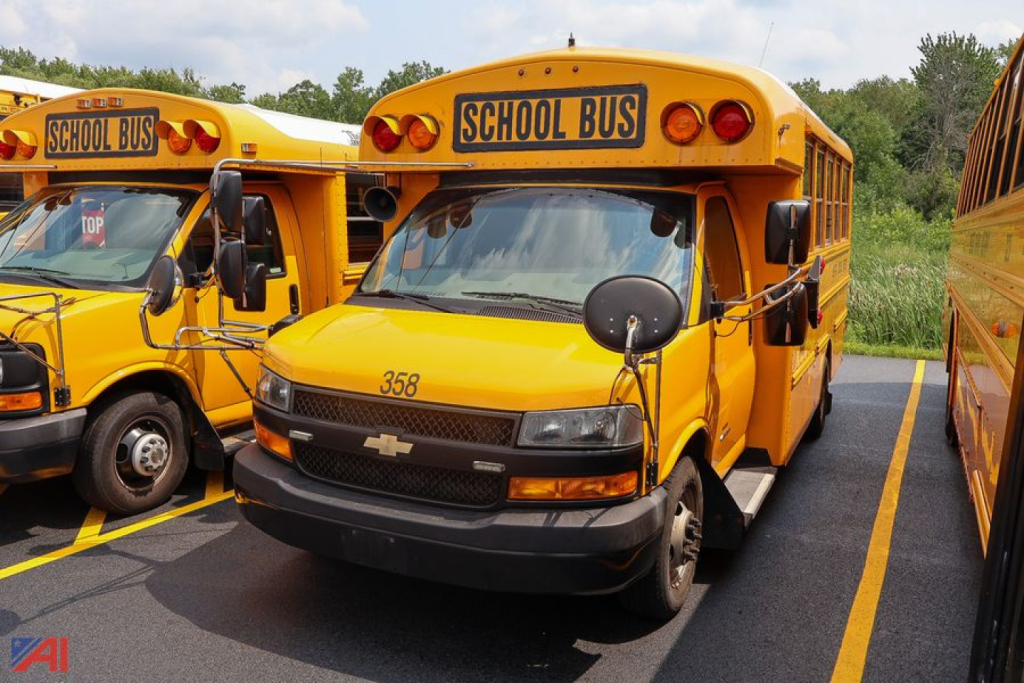
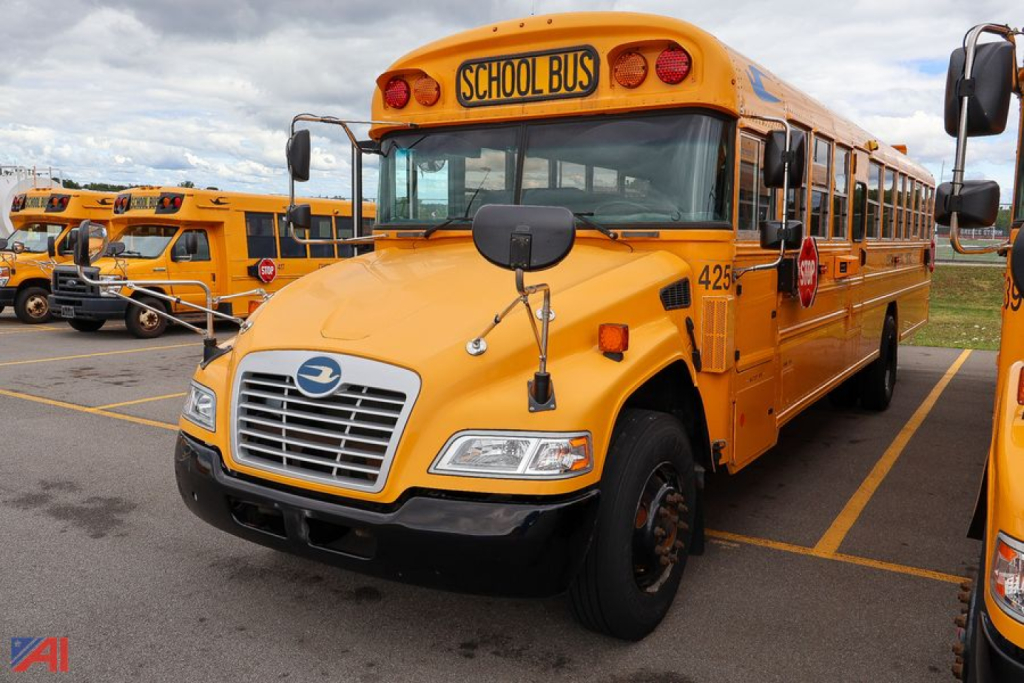
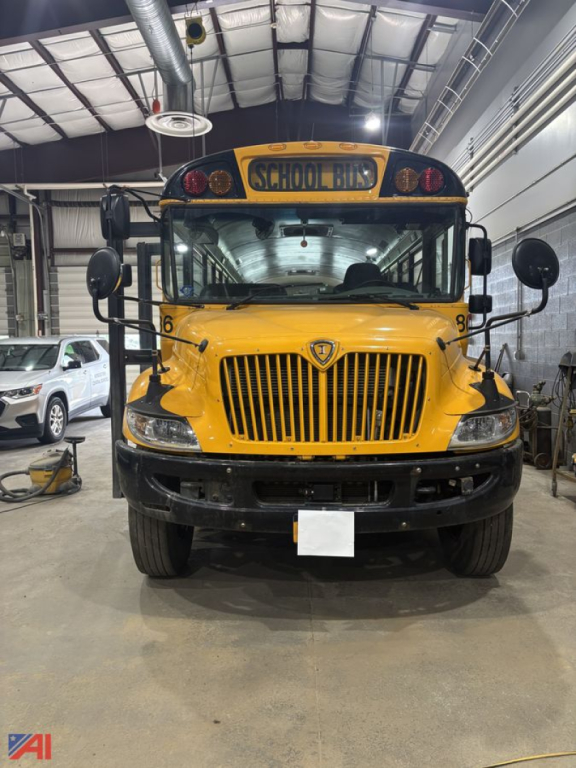
For a 2020 model, expect modern diesel emissions equipment, automatic transmissions, and chassis systems designed around daily route work. Common spec points include hydraulic or air brakes, wheelbases matched to seating count, high-visibility body layouts, and suspension setups tuned for passenger stability rather than freight carrying. Buyers should verify seating capacity, GVWR, axle ratings, tire size, and entry door configuration, especially if the bus may be repurposed for shuttle, church, private school, nonprofit, or conversion use. If the unit remains in school bus configuration, check warning light systems, stop arm equipment, and state-specific compliance items.
Condition matters more than model year alone on a used 2020 bus truck. A buyer should look closely at idle hours, odometer reading, service records, underbody corrosion, DEF and DPF maintenance history, and signs of hard route use such as stepwell wear, seat damage, or repeated body repairs. In New York, rust is a major value factor, so crossmembers, floor structure, wheel housings, and lower body panels deserve a careful inspection. Electrical performance is also important because buses carry more lighting, safety interlocks, heaters, and passenger-related accessories than a typical straight truck.
The strongest 2020 bus purchases usually come down to matching the unit to the job. A shorter conventional bus can be easier to route through tighter urban or suburban areas, while a larger passenger configuration can make more sense for district routes or group transport with fewer trips per day. Buyers comparing multiple listings should weigh engine and transmission pairing, parts availability, CDL requirements, turning radius, and the cost of bringing safety equipment or seating into compliance for the intended use. A well-maintained 2020 bus can still offer strong remaining service life if the chassis, emissions system, and body structure have been cared for properly.
Frequently Asked Questions about 2020 Bus Trucks in New York
What should I check first on a used 2020 bus truck?
Start with the structural and maintenance fundamentals. Confirm the bus has a clean service history, then inspect the frame, floor, stepwell, wheel arches, and lower body for corrosion or collision repair. After that, review engine hours, odometer, transmission operation, brake type, tire condition, and emissions system records for DPF and DEF-related service. On a bus, electrical items also deserve extra attention because warning systems, heaters, interlocks, and passenger lighting can become expensive if neglected.
Are 2020 buses in this category usually diesel with automatic transmissions?
Yes, most 2020 bus trucks in this class are diesel-powered and paired with automatic transmissions. That combination is standard because these units are built for repeated starts, stops, and driver consistency across route work. Buyers should still verify the exact engine make, horsepower rating, transmission model, and emissions equipment because long-term operating cost and serviceability can vary by drivetrain package.
What is the difference between a conventional school bus and other bus body styles?
A conventional school bus has the engine mounted out front on a truck-style chassis with a hood, which makes it familiar to many fleet technicians and often simpler to service. Transit-style buses place the engine differently and may offer different passenger flow, visibility, or packaging advantages. For many used-bus buyers, the conventional layout remains popular because parts sourcing, front-end access, and driver familiarity are strong practical advantages.
Can a 2020 school bus be converted for private or commercial use?
Many buyers do repurpose former school buses for shuttle, church, contractor, nonprofit, or recreational conversion use, but the feasibility depends on title status, state regulations, and how much school bus equipment must be removed or disabled. Items such as stop arms, warning lights, and district-specific safety systems may need modification to comply with non-school use. Before buying, confirm registration requirements, CDL implications, seating plans, and inspection rules in the state where the bus will operate.
Why does New York location matter when buying a used bus?
New York location matters mainly because climate and road treatment can accelerate corrosion. A bus that has spent several winters in heavy salt conditions may show rust in the underbody, body mounts, crossmembers, floor edges, and brake or suspension components even if it looks decent from the outside. For that reason, regional history can affect value just as much as mileage, and a detailed underside inspection is especially important.