
Freightliner Bus Trucks For Sale
Shop Freightliner bus trucks with Cummins power, Allison automatics, school bus and shuttle configurations, and medium-duty chassis specs.
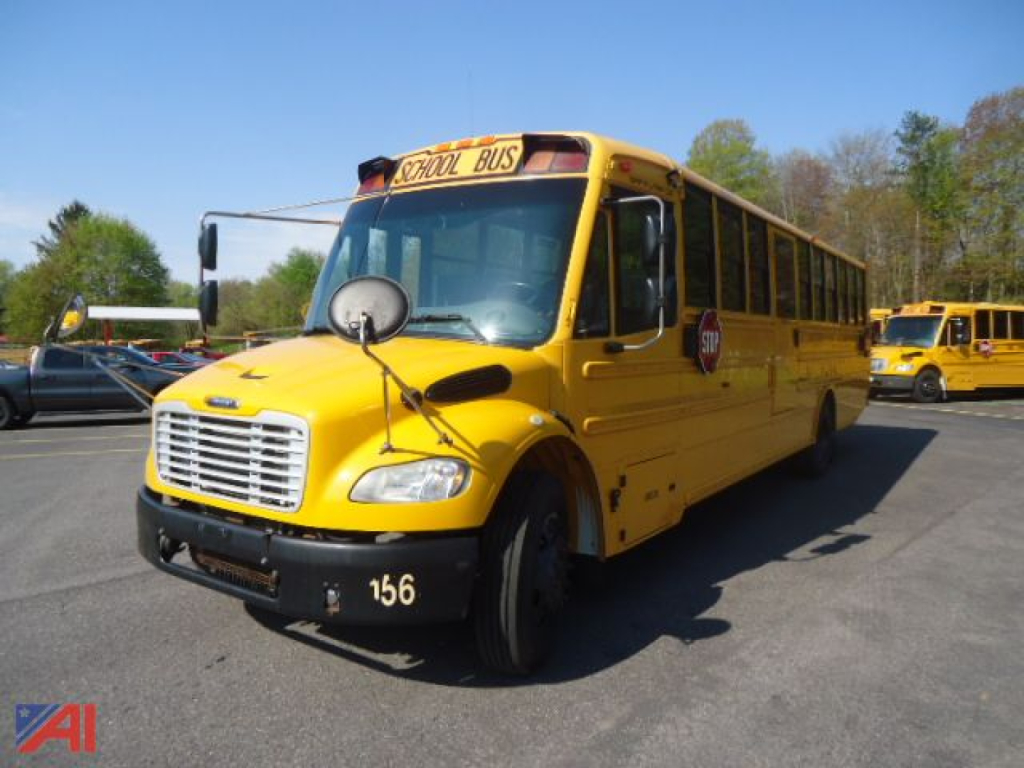
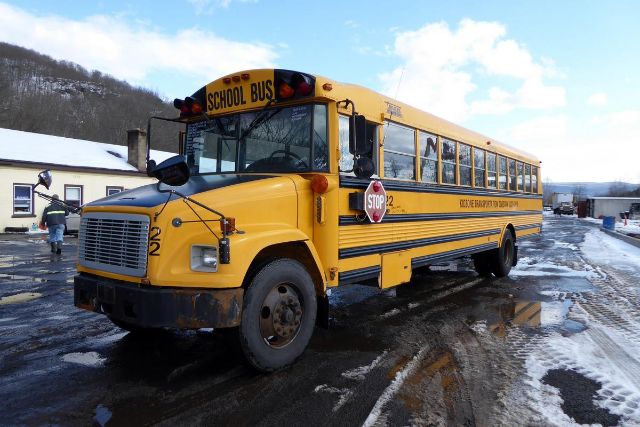
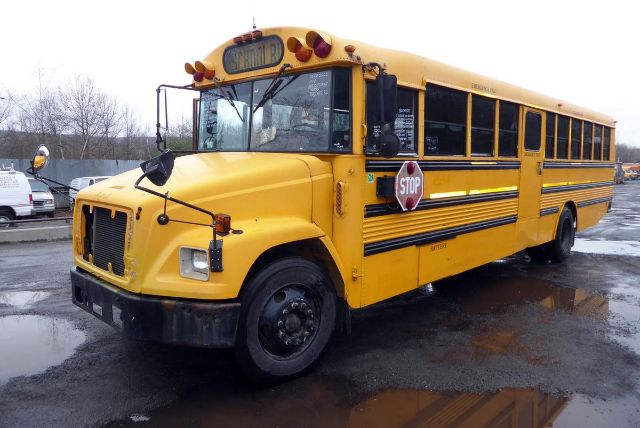
Selling a freightliner bus truck? List your freightliner bus truck for sale and reach thousands of commercial buyers.
Freightliner Bus Trucks
A buyer should pay close attention to GVWR, wheelbase, brake type, suspension, and rear axle ratio because those specs shape how the bus performs in stop-and-go service and how practical it will be for repurposing. Freightliner bus configurations often fall in the 29,000 to 30,000 lb GVWR range with single axle 4x2 setups, 10R22.5 or 11R22.5 tires, and wheelbases that can run from roughly 250 to 280 inches depending on body length. Spring suspension is common on basic school bus spec units, while air ride rear suspension can improve ride quality and help on rougher routes. Hydraulic disc brakes appear on some buses, while others are equipped with full air brakes, so CDL requirements, maintenance practices, and operating preference all need to be matched to the chassis.
Passenger capacity and body dimensions matter just as much as the driveline. Freightliner bus trucks are frequently found in full-size conventional school bus form, often around 35 to 38 feet in length and configured for high-capacity seating. Buyers comparing listings should verify adult versus child seating counts, aisle layout, emergency exits, overall height, and door configuration. If the bus is being considered for non-school use, check local state requirements for title status, seat removal, lighting changes, and any needed equipment decommissioning. For shuttle or private fleet use, look closely at turning radius, step height, HVAC condition, and idle hours in addition to mileage.
Condition evaluation on a used Freightliner bus starts with the same fundamentals as any medium-duty truck, but body and passenger systems add another layer. Look for corrosion in floor structure, entry steps, rub rails, rear body mounts, and underbody crossmembers. Confirm operation of warning circuits, heaters, gauges, wheelchair equipment if fitted, and transmission shift quality under load. On Cummins and Allison-equipped buses, service records for cooling system work, injector or sensor replacement, brake system maintenance, and suspension wear items can tell you more than odometer readings alone. A well-kept Freightliner bus can be a practical choice for schools, contractors, churches, municipalities, and buyers planning a bus conversion on a proven commercial chassis.
Frequently Asked Questions about Freightliner Bus Trucks
What are the most common engines and transmissions in Freightliner bus trucks?
Many Freightliner bus trucks, especially older conventional school bus models like the FS65, are equipped with the Cummins ISB 5.9L diesel and an Allison automatic transmission, often from the 2000 series. That pairing is widely used because it is easy to service, well understood in the medium-duty market, and suited to frequent stop-and-go duty. Exact horsepower, transmission calibration, and rear axle ratio can vary, so buyers should still confirm how a specific bus is spec'd for route speed and load.
What should I check first when comparing used Freightliner buses?
Start with GVWR, seating capacity, wheelbase, body length, brake type, suspension, and rear axle ratio. Those specifications tell you how the bus was intended to operate and whether it fits your route, passenger count, or conversion plan. After that, focus on structural rust, floor condition, service history, engine blow-by, transmission shift quality, brake system condition, tire age, and the function of heaters, warning circuits, and accessibility equipment if present.
Are Freightliner bus trucks good candidates for school, shuttle, or conversion use?
Freightliner bus trucks can work well across several uses because the chassis is based on medium-duty truck components with broad service support. School transportation buyers often value the conventional hood layout and familiar Cummins-Allison driveline. Shuttle and private operators may prioritize air ride, air brakes, and adult seating layout. Conversion buyers typically look for body condition, frame integrity, interior space, and a drivetrain with available parts rather than only low mileage.
What is the difference between hydraulic brakes and air brakes on a Freightliner bus?
Hydraulic brakes are common on some medium-duty bus specs and can be simpler for certain operations, while air brakes are often preferred for heavier commercial service and are familiar to many fleet maintenance programs. The choice affects maintenance procedures, driver qualification requirements, and overall operating feel. A buyer should confirm brake type early because it can influence licensing, inspection routines, and repair costs.
How important are wheelbase and rear axle ratio on a Freightliner bus truck?
Wheelbase affects ride, turning radius, body length support, and how easy the bus is to maneuver in school lots, church parking areas, or urban pickup zones. Rear axle ratio affects launch performance, gradeability, and cruising speed. A shorter wheelbase with the right ratio can be better for tight routes, while a longer wheelbase and route-oriented gearing may suit full-size passenger capacity and steady local service. These specs matter just as much as engine horsepower when matching a bus to its job.