
Used 2014 Freightliner Trucks For Sale
Shop used 2014 Freightliner trucks, including Cascadia, M2, and vocational models. Compare engines, specs, cabs, and applications.
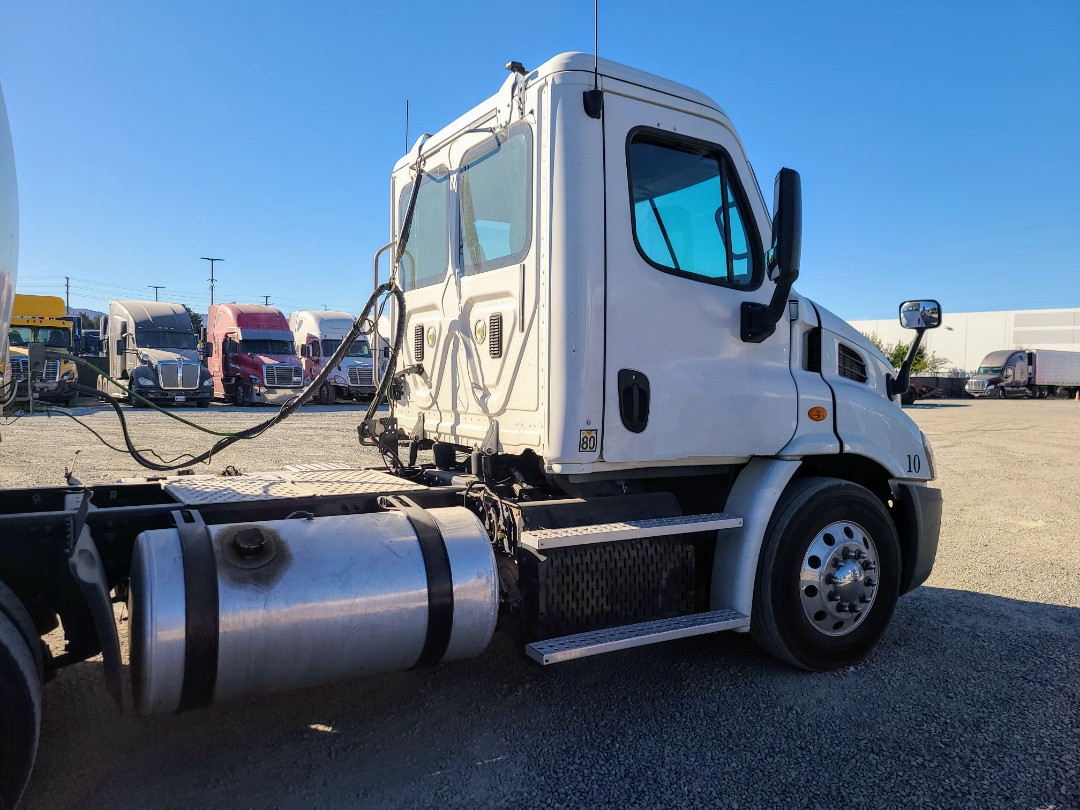
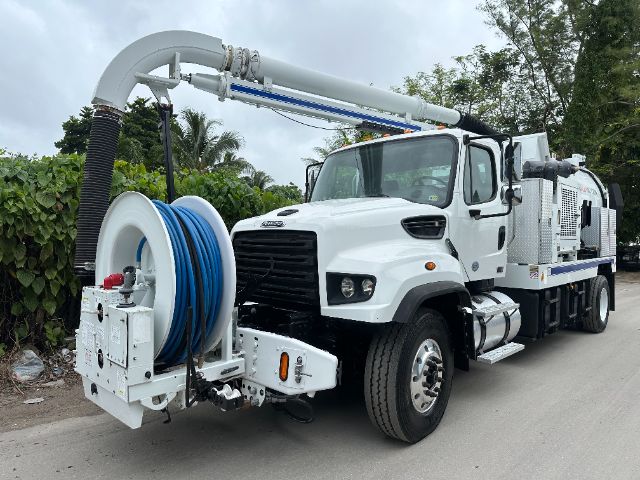
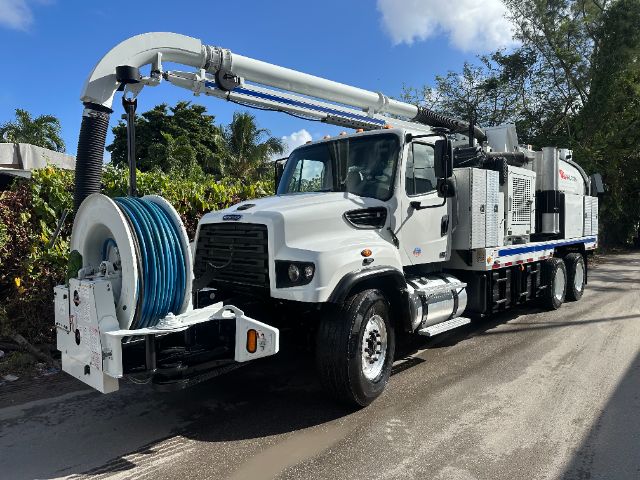
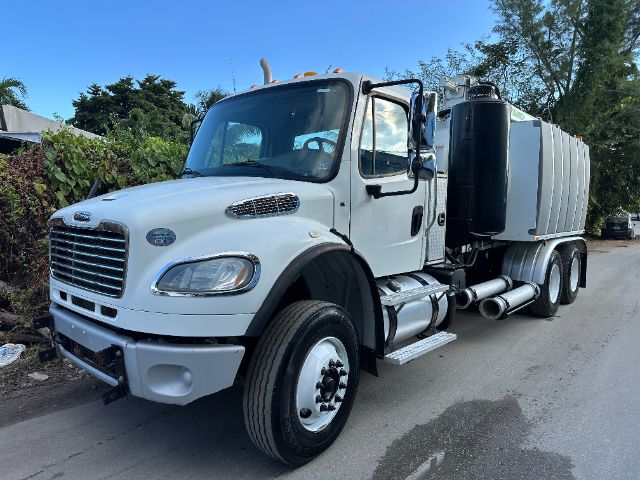
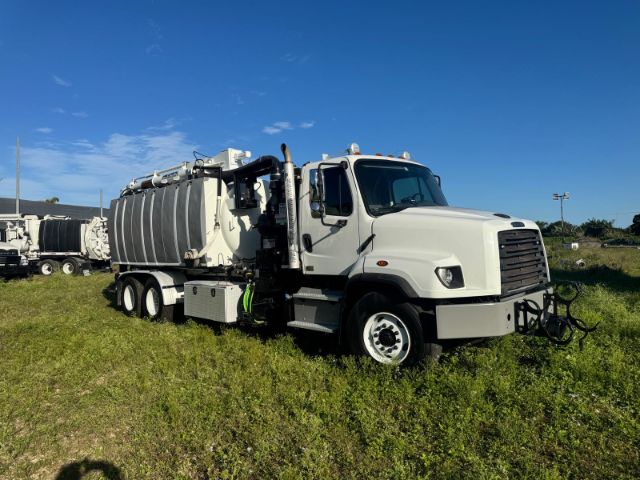
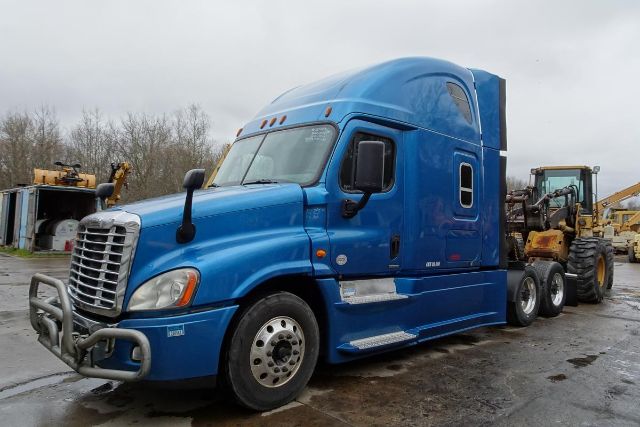
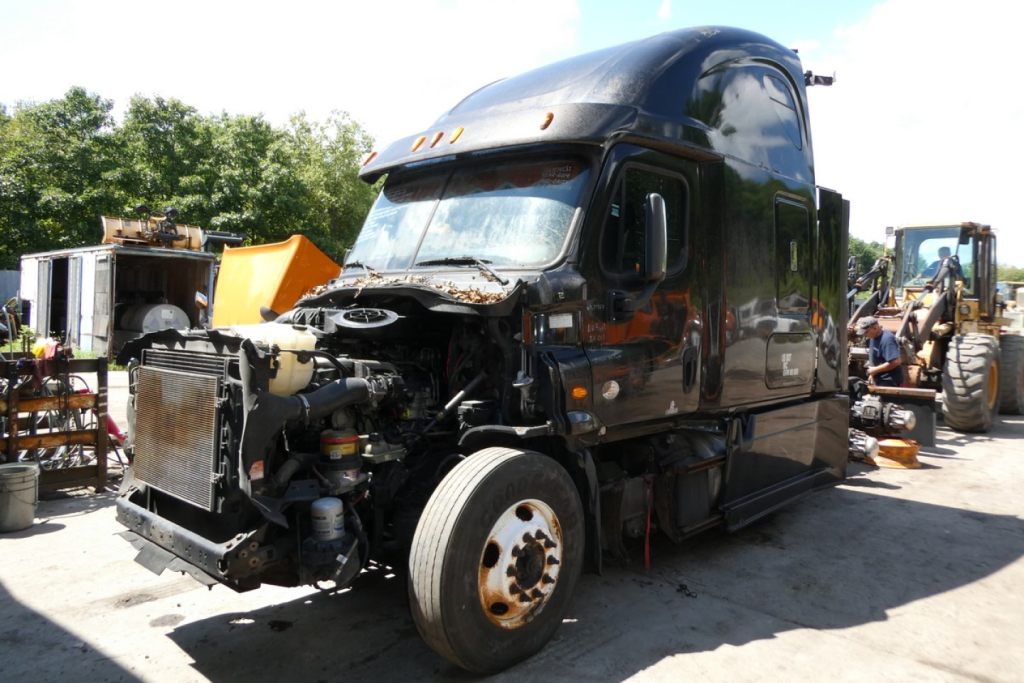
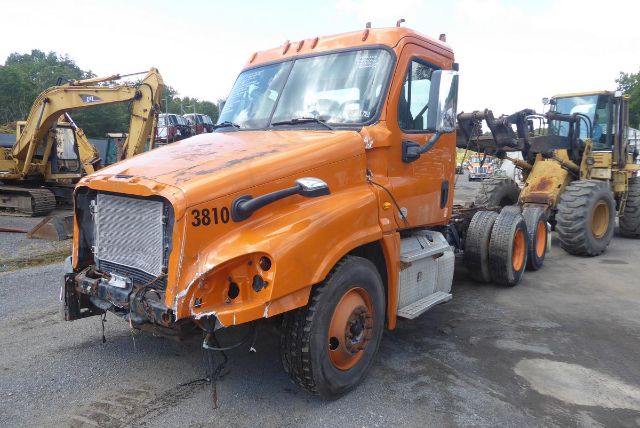
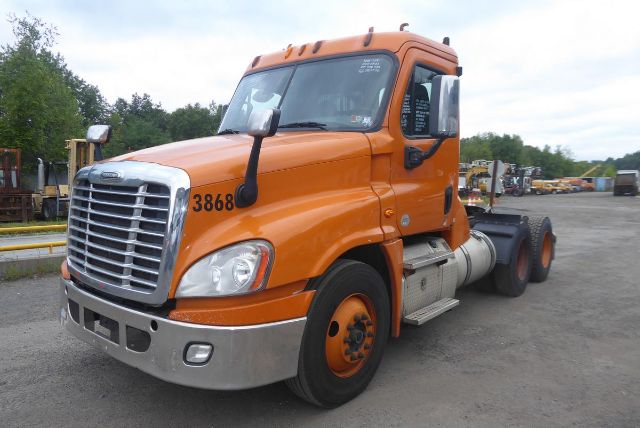
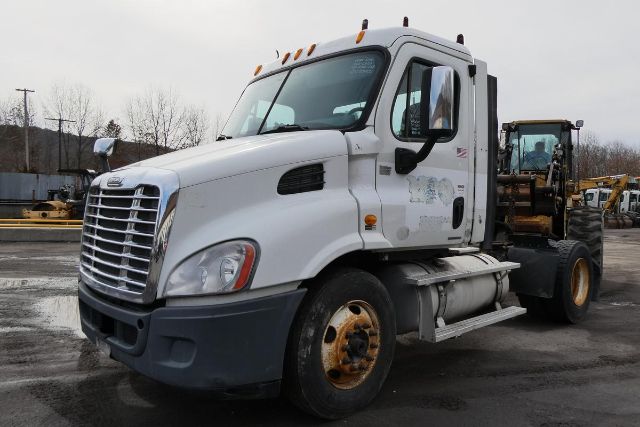
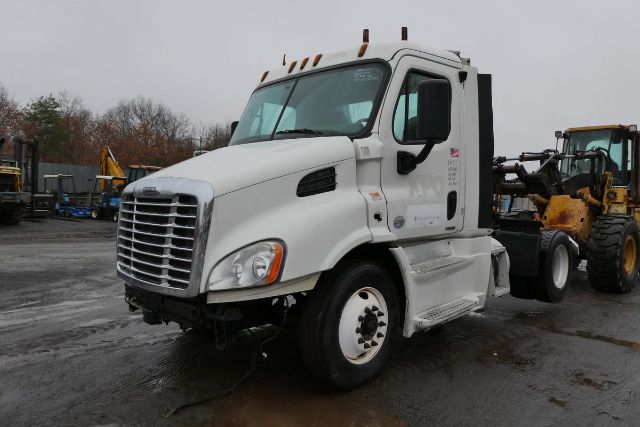
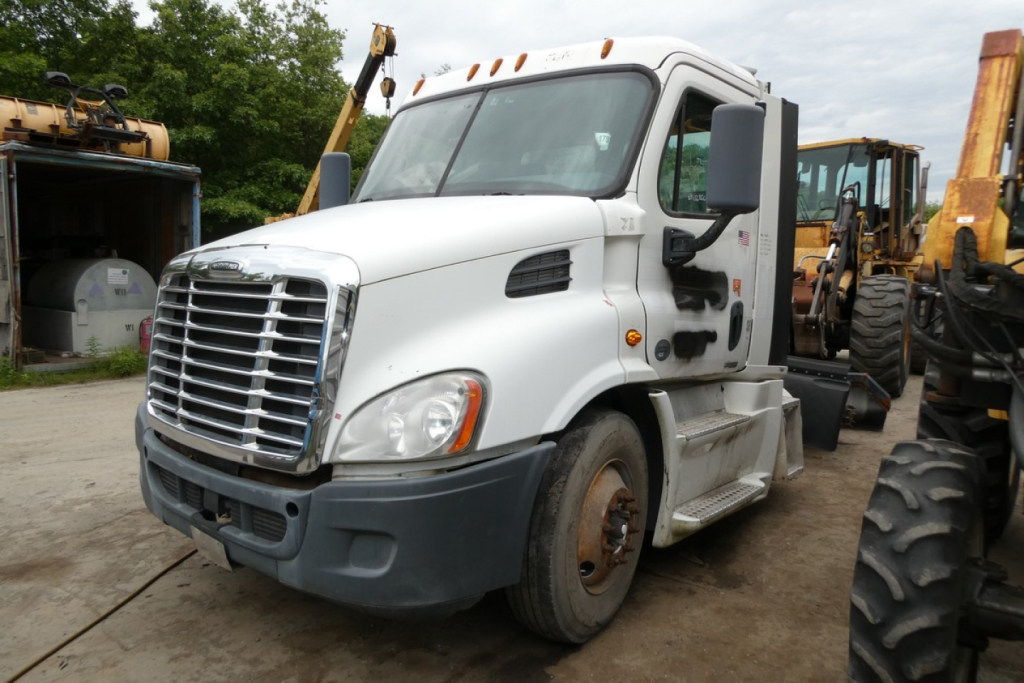

Selling a used 2014 freightliner truck? List your used 2014 freightliner truck for sale and reach thousands of commercial buyers.
Used 2014 Freightliner Trucks
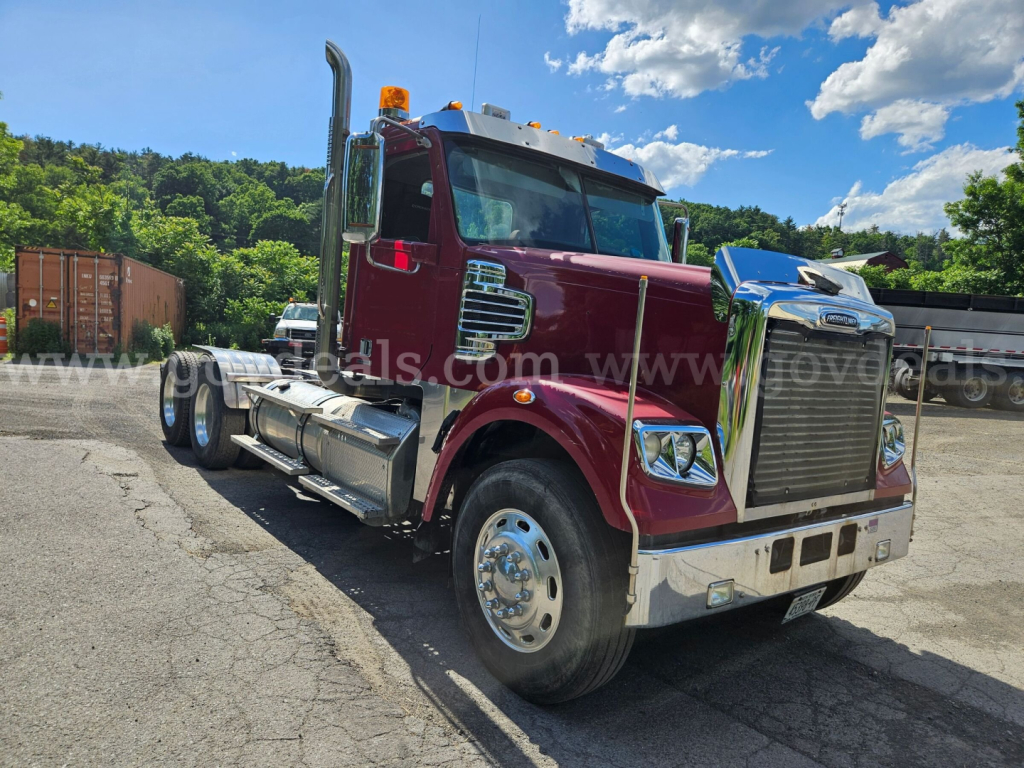
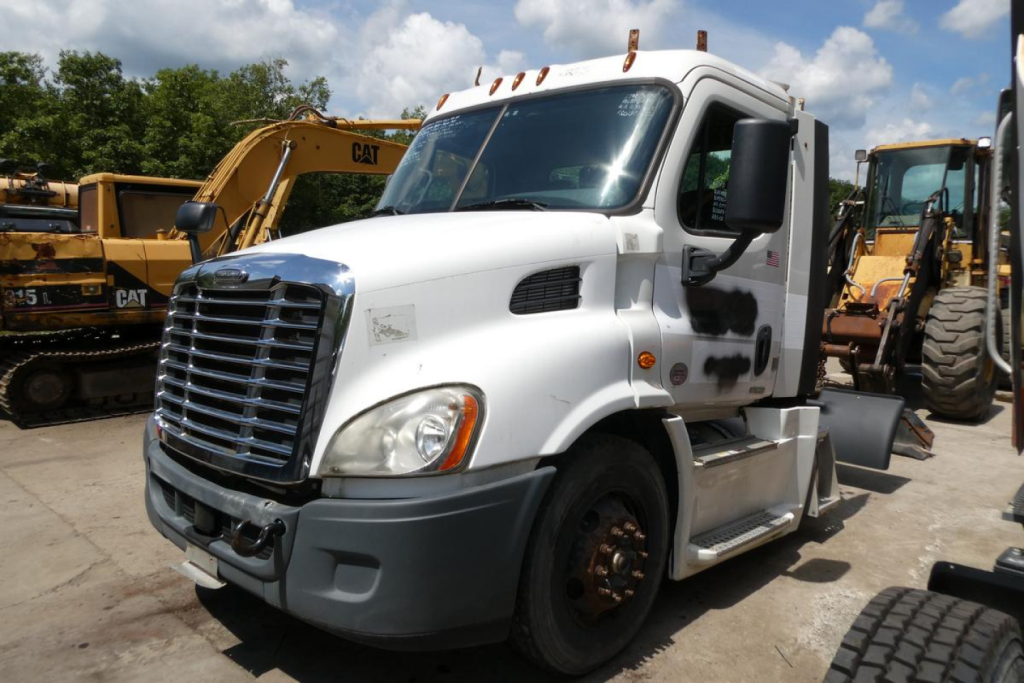
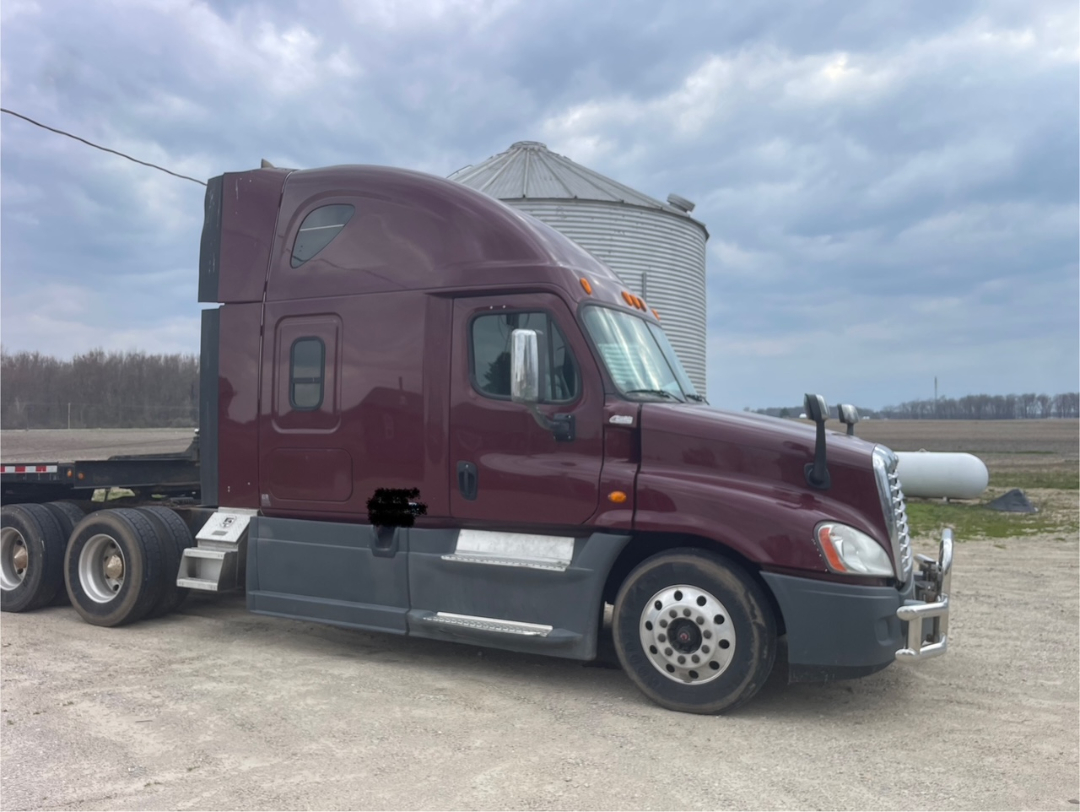
For highway use, many 2014 Freightliner tractors were spec'd with Detroit power, especially DD13 and DD15 engines, paired with manual, automated manual, or automatic transmissions depending on fleet preference. Key buying points include horsepower and torque ratings, rear axle ratio, wheelbase, suspension type, and whether the truck is a day cab or sleeper. A lower rear ratio can favor fuel economy at cruising speed, while a shorter wheelbase and day cab layout can make more sense for regional hauling and tighter yards. On higher-mileage tractors, pay attention to emissions system history, engine brake operation, transmission calibration, suspension wear, and service records for the aftertreatment components.
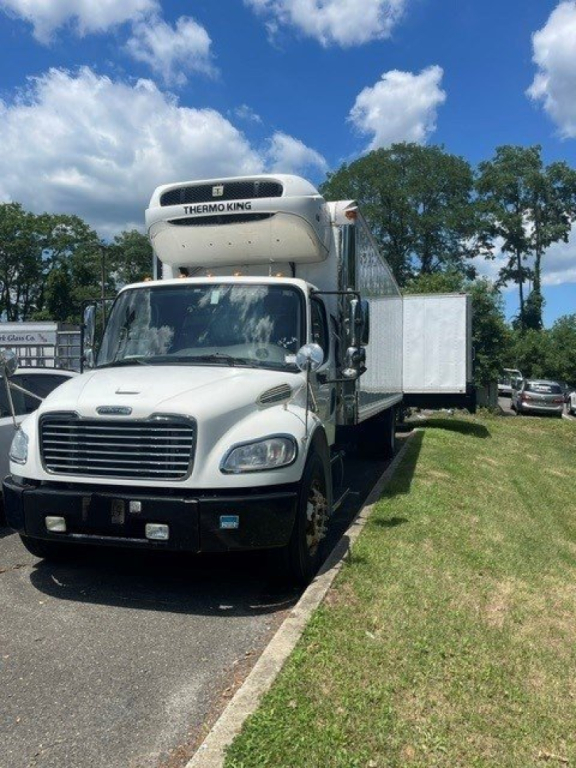
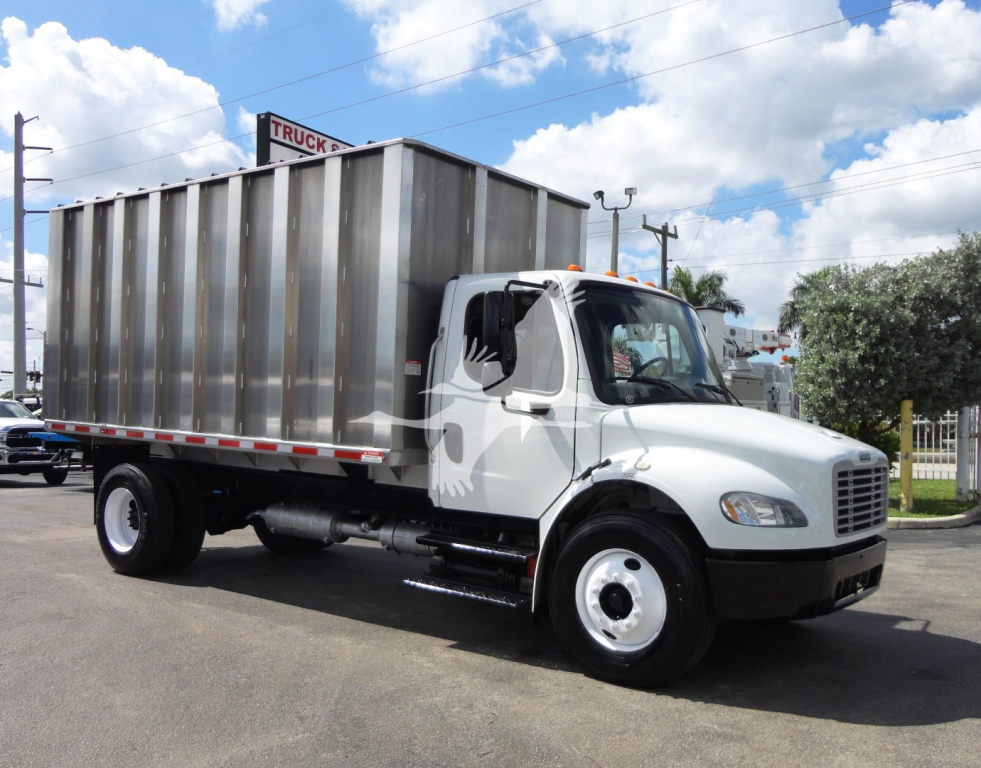
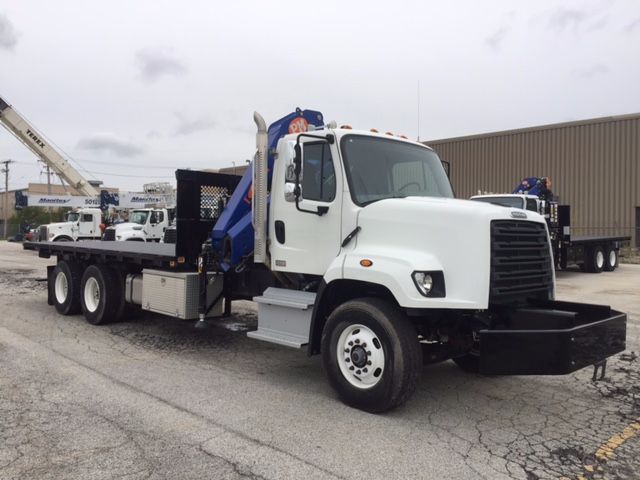
In medium-duty and straight truck applications, a used 2014 Freightliner often shows up as an M2 106 or similar platform with van bodies, refrigerated bodies, flatbeds, hooklifts, utility bodies, or tank setups. Here, GVWR, front axle capacity, rear axle rating, body length, PTO provisions, liftgate condition, and brake type usually matter more than sleeper amenities or highway gearing. If the truck has a reefer body, review the refrigeration unit hours separately from chassis miles. If it has a dump, crane, or service body, check frame integrity, PTO engagement, hydraulic performance, and any signs of upfit fatigue around mounts and crossmembers.
A 2014 Freightliner can be a practical value buy when the spec matches the lane or route. Freightliner parts support is strong, and many shops are familiar with Cascadia and M2 platforms, which helps with uptime planning. The best purchase decisions usually come down to application fit, maintenance history, and remaining life in major components such as the engine, transmission, suspension, tires, and brakes. Buyers comparing used 2014 Freightliner trucks should look closely at cab configuration, axle ratings, emissions equipment condition, and body or fifth-wheel setup so the truck is ready for the work without expensive reconfiguration.
Frequently Asked Questions about Used 2014 Freightliner Trucks
What are the most common 2014 Freightliner truck models on the used market?
The most common used 2014 Freightliner trucks are typically Cascadia highway tractors and M2 Business Class medium-duty trucks. Cascadia models are popular in sleeper and day cab configurations for freight hauling, while M2 models are widely used for box trucks, refrigerated delivery, flatbeds, service trucks, dumps, and other vocational applications. The exact model matters because a Cascadia and an M2 are built for very different duty cycles, axle ratings, and body options.
What should I check first on a used 2014 Freightliner tractor?
Start with the engine and emissions history, transmission type, axle ratio, and wheelbase because those items determine both reliability and job fit. On a 2014 model, buyers should review fault codes, aftertreatment repairs, DPF and DEF system service, clutch or automated manual performance, and suspension condition. Mileage matters, but documented maintenance and component replacement history often tell more about remaining life than the odometer alone.
Are 2014 Freightliner trucks good for vocational and medium-duty work?
Yes, many 2014 Freightliner trucks are well suited for vocational use, especially M2-based chassis. They were commonly upfitted with van bodies, reefers, flatbeds, utility bodies, dumps, and specialty equipment. The important step is confirming that the truck's GVWR, frame spec, PTO capability, wheelbase, and axle ratings match the body and payload requirements. A vocational truck that is correctly spec'd will usually perform better than a cheaper unit that needs major modification.
What engines are common in used 2014 Freightliner trucks?
Detroit engines are very common in 2014 Freightliner trucks, especially the DD13 and DD15 in highway tractors. Medium-duty Freightliners may also have engines matched to delivery or vocational service rather than linehaul work. Buyers should compare horsepower, torque, and maintenance history against the intended application. A fleet spec designed for fuel economy may not be ideal for heavy regional hauling, while a vocational engine setup may be excessive for lighter routes.
How do I choose between a 2014 Freightliner day cab and sleeper?
Choose a day cab if the truck will stay in local or regional service where maneuverability, lower weight, and simpler packaging matter more than driver accommodations. Choose a sleeper if the operation involves overnight routes, team driving, or longer dwell times on the road. Beyond the cab itself, compare wheelbase, fuel capacity, fairings, storage, and fifth-wheel position because those details affect payload balance, turning radius, and operating cost.