
Used 2009 Freightliner Trucks For Sale
Explore used 2009 Freightliner trucks. Compare DD15, Series 60, and ISX, assess tare weight, corrosion, floor strength, and DPF service history.
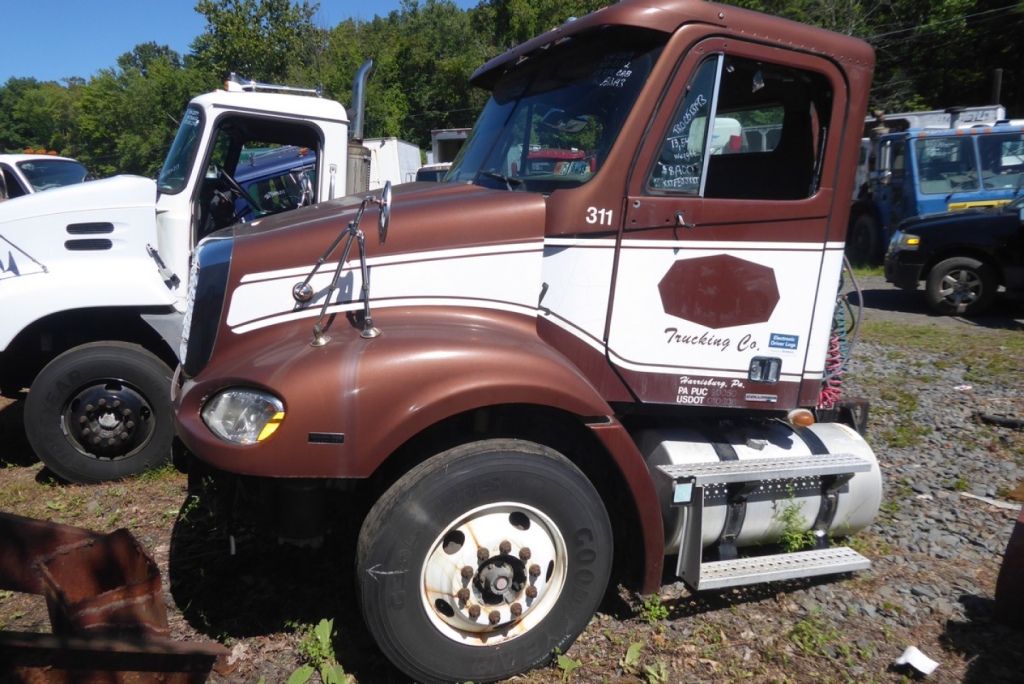
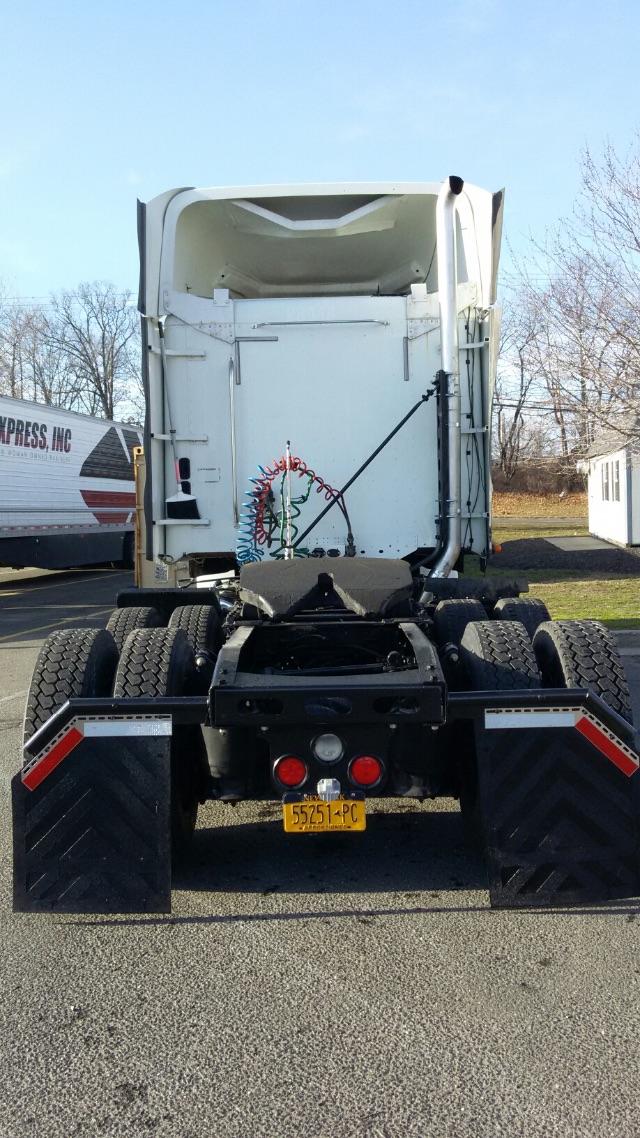
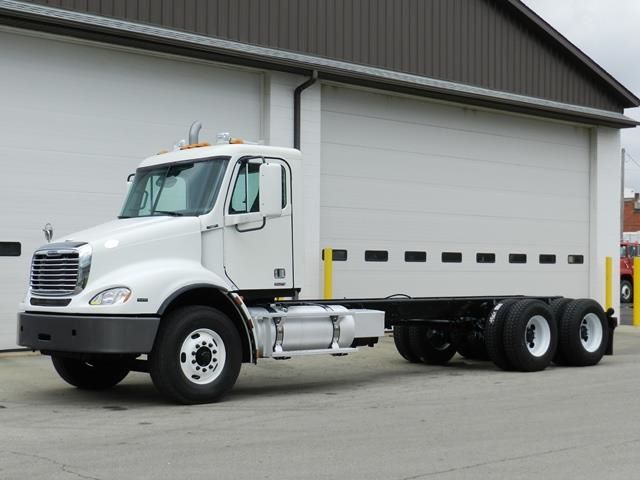
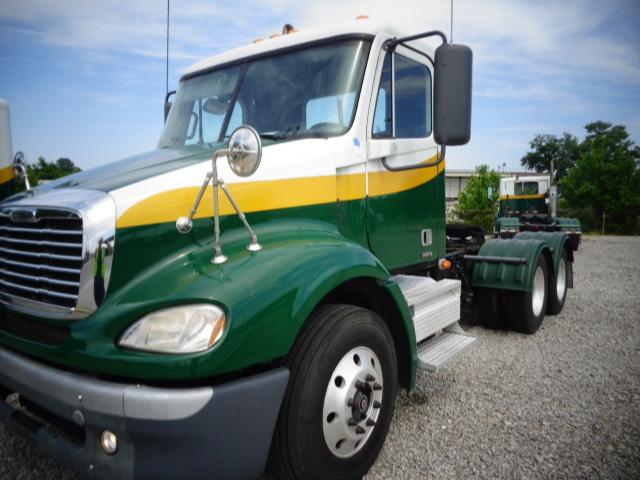
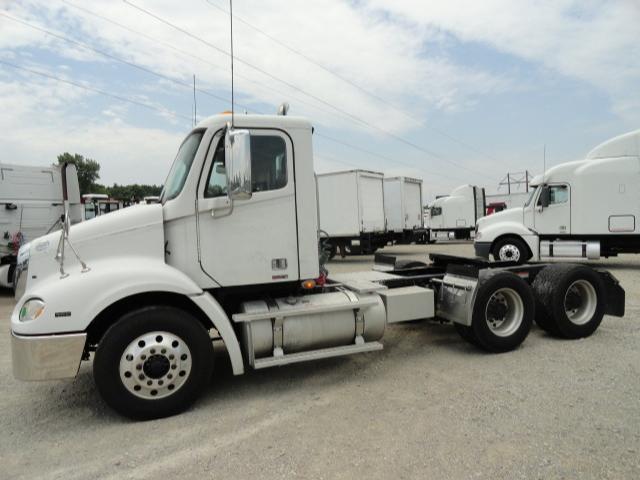

Selling a used 2009 freightliner truck? List your used 2009 freightliner truck for sale and reach thousands of commercial buyers.
Used 2009 Freightliner Trucks
Tare weight varies significantly by spec. Cascadia tractors tend to be lighter than older Columbia or Coronado configurations due to more aluminum content and aero fairings, and many M2 straight trucks benefit from aluminum wheels, smaller fuel tanks, and lighter suspensions. AirLiner air ride rides well and protects cargo, steel leaf and vocational suspensions add weight but increase durability for dump, refuse, and crane bodies. Wide base singles can trim hundreds of pounds but may affect traction and tire sourcing, duals provide redundancy. Verify wheelbase, fifth wheel slide range, and fuel tank placement to protect bridge compliance and keep steer axle weight in check.
Corrosion resistance in this vintage depends on frame coating quality, hardware, and regional exposure. Freightliner aluminum cabs resist rust, but watch for electrolytic reaction around stainless fasteners and cab steps, inspect battery boxes, aftertreatment housings, fairing brackets, and crossmember flanges for blistering or delamination. Frame rails and suspension hangers should be free of scaling at bolt holes, inner frame liners add strength for vocational duty but trap moisture if not sealed. For straight trucks, floor strength matters, look for laminated hardwood or composite floors with tight crossmember spacing, 12 inch on center is common, aluminum thresholds, dock plates, and scuff liners limit forklift damage and racking over time.
Thermal integrity affects both uptime and driver comfort. On tractors, check radiator, charge air cooler, and shroud fit, temperature creep under load often points to plugged cores or fan control faults. Sleeper cabs benefit from intact insulation, APU or bunk heater condition, sealed door and window gaskets, and a clean HVAC box. For refrigerated or insulated straight trucks, confirm foam density, intact vapor barriers, door seals, and drain integrity to maintain setpoint and avoid moisture intrusion. Across all 2009 Freightliner trucks, confirm DPF ash load, regen history, and sensor health, review oil analysis and overhead set intervals, and match brake spec, drum or early disc, and ABS stability systems to route demands for predictable stopping and lower lifecycle cost.
Frequently Asked Questions about Used 2009 Freightliner Trucks
What engines are common in 2009 Freightliner trucks and how do they differ?
Most 2009 Freightliners carry Detroit Series 60 or early DD15, with some Cummins ISX and Mercedes MBE options in medium duty. Series 60 is simple and well known with strong parts availability, DD15 brings improved torque response and fuel economy with more complex EGR and turbo management, ISX offers broad service coverage and strong pulling power. All use the EPA 2007 approach with EGR and a DPF, no DEF. Choose based on service network, maintenance history, and duty cycle.
What should I inspect on the DPF and emissions system on a 2009 model?
Pull the aftertreatment report if available, check ash load percent, forced regen count, and SCR status is not applicable on most 2009. Inspect DOC and DPF canisters for impact damage or leaks, verify differential pressure sensor, EGT sensors, and doser injector function, and confirm that regen triggers at expected intervals. Look for exhaust leaks upstream of the DPF, examine wiring and connectors near heat, and budget for cleaning if ash load is high or backpressure is elevated.
How do I evaluate tare weight and payload potential on a 2009 Freightliner tractor or straight truck?
Review the door tag for GVWR and GAWR, note wheelbase, axle spacing, suspension type, fuel tank capacity, and wheel material. Aluminum wheels, smaller tanks, and wide base singles reduce tare weight, inner frame liners, heavy bumpers, PTOs, and larger sleepers add weight. Weigh the truck full of fluids to confirm an actual tare, then calculate legal payload based on your routes and bridge requirements.
What are key corrosion and structural checks on a 2009 Freightliner?
Inspect frame rails at suspension hangers and crossmember bolt areas for flaking or elongation, look beneath paint for blistering. Check cab mounts, battery boxes, DEF is typically absent for 2009 but DPF housings and heat shields still rust, and fairing brackets for cracking. Aluminum cab panels resist rust but can pit around dissimilar metals. On vocational specs with inner liners, look for trapped moisture lines and missing seam sealer.
How can I assess floor strength and thermal integrity on a 2009 Freightliner straight truck with a van or reefer body?
Confirm floor material and crossmember spacing, hardwood or composite floors with 12 inch on center crossmembers handle forklift point loads better. Look for full length scuff liners, intact rear thresholds, and evidence of racking at posts. For reefers, verify insulation continuity, door seals, drain tubes, and unit performance at setpoint, temperature recovery after door openings indicates good thermal integrity. Moisture stains or soft spots suggest compromised insulation or floor rot.