
Used 2009 Freightliner Trucks For Sale in New York
Browse used 2009 Freightliner trucks for sale in New York, including day cabs, sleepers, vocational chassis, and medium-duty models.
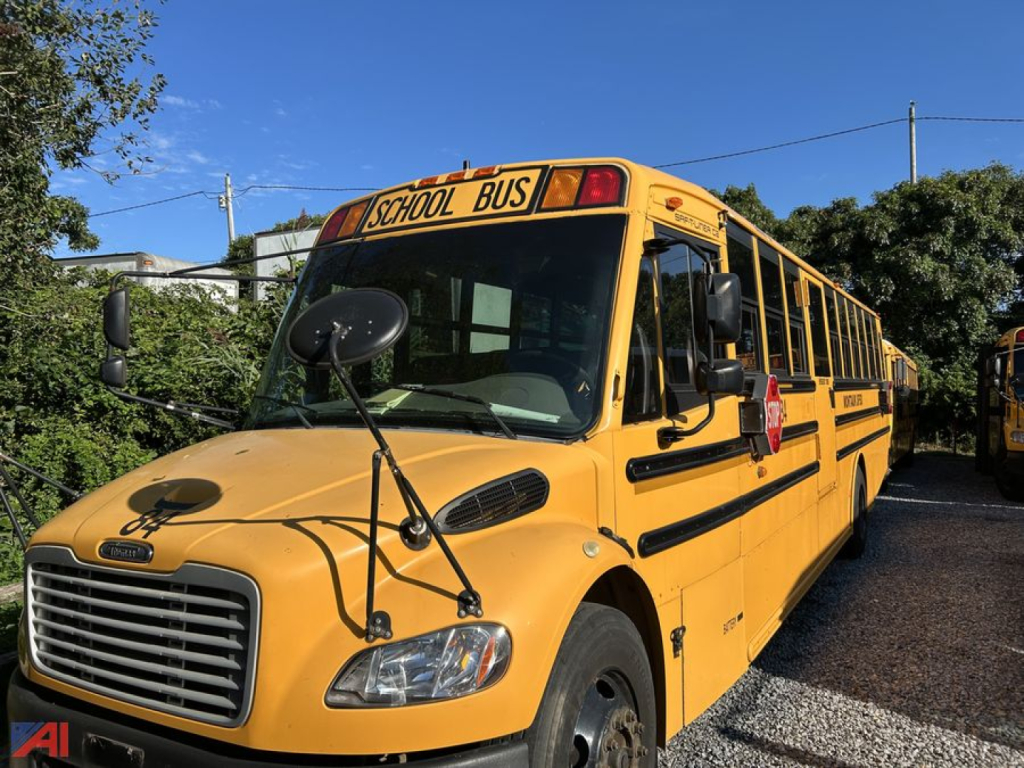
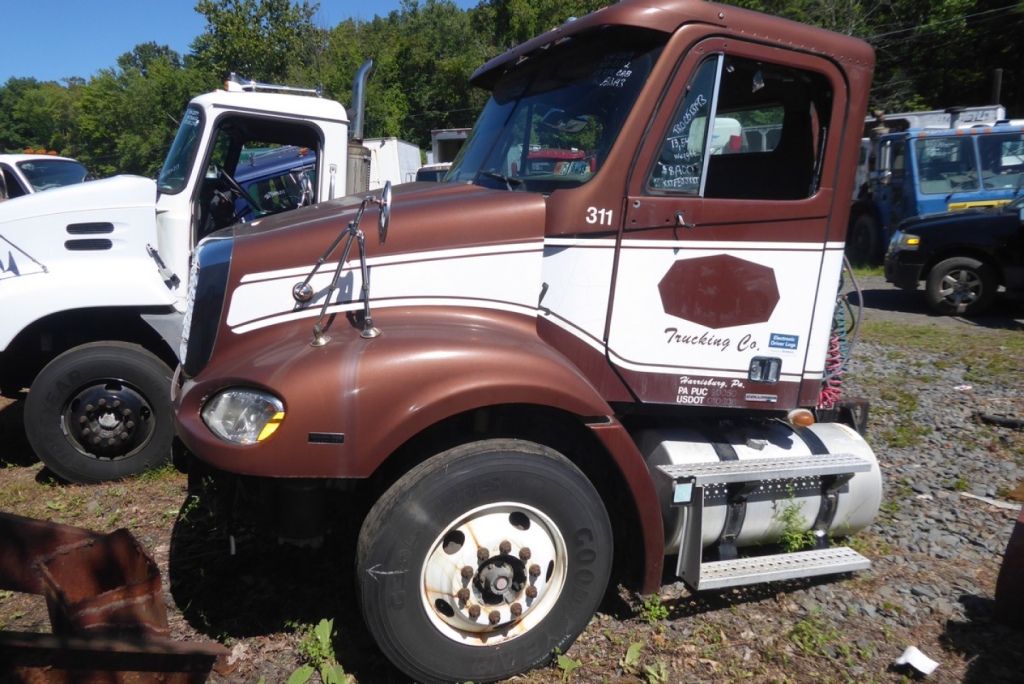
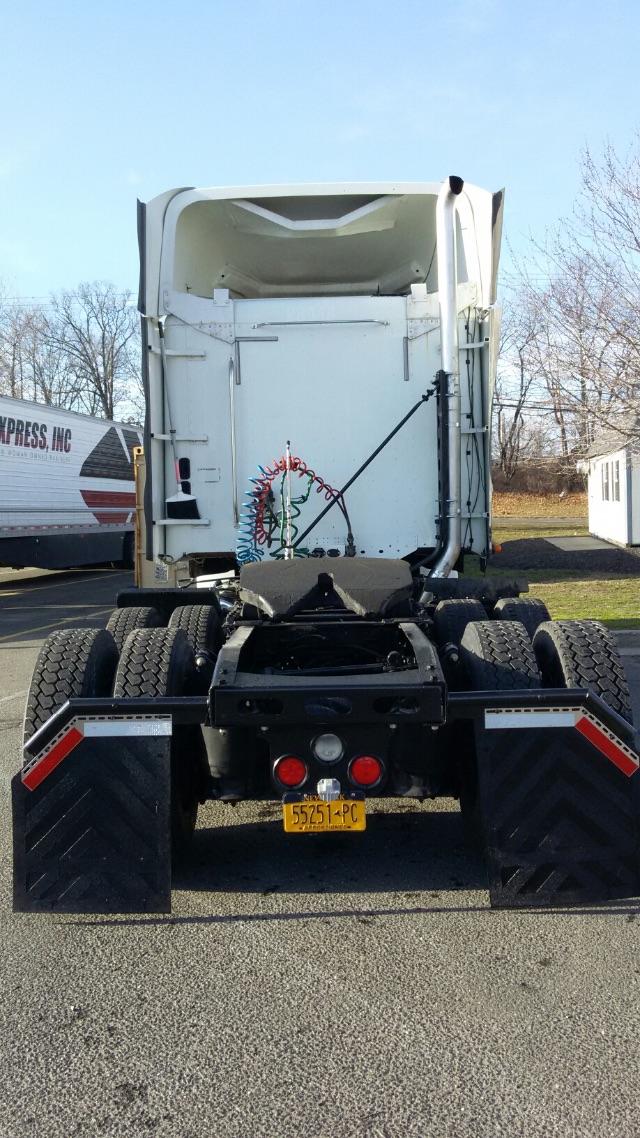
Have used 2009 freightliner truck to sell? List it here to reach thousands of buyers.
Used 2009 Freightliner Trucks in New York
Powertrain selection is a major part of evaluating any 2009 Freightliner. Common engines from this period include Detroit Diesel, Cummins, and Mercedes-Benz options, paired with Eaton-Fuller manual or automated transmissions in many highway units. Buyers should pay close attention to emissions equipment because 2009 trucks sit in an important pre-2010 and early aftertreatment window. That means reviewing DPF service history, fault codes, regen performance, and any evidence of emissions deletes or incomplete repairs. Rear axle ratings, suspension type, and gear ratio also matter more than many buyers expect. A 3.42 or 3.55 ratio may fit linehaul fuel economy goals, while vocational or heavier regional work may benefit from deeper gearing and heavier suspension packages.
In New York, rust and corrosion deserve a close inspection on any used 2009 Freightliner truck. Frame rails, crossmembers, cab mounts, battery boxes, brake components, and electrical connections can all show the effects of road salt and winter service. It is also smart to inspect the underside of the cab, door bottoms, and suspension hangers for scaling or repairs. On tractors, check fifth wheel condition, slider operation, and signs of frame drilling or modification. On medium-duty and vocational trucks, confirm PTO setup, body compatibility, front axle capacity, and wheelbase dimensions before committing to a chassis. Freightliner trucks from this era are common enough that buyers can usually compare multiple configurations, so exact axle ratings, cab-to-axle measurement, and brake type should be matched to the intended body or trailer.
Cab comfort and serviceability still make a difference on older trucks. Freightliner models from 2009 are known for straightforward dash layouts, good parts interchange across many trims, and familiar service points for independent shops. A serious buyer should verify engine hours against odometer readings when available, review ECM data, and inspect for air leaks, steering play, uneven tire wear, and signs of injector, turbo, or EGR-related issues. For highway tractors, sleeper condition, bunk HVAC operation, and fairing integrity affect both usability and operating cost. For medium-duty units, the condition of the body, liftgate, or vocational equipment can matter as much as the chassis itself. A well-spec'd 2009 Freightliner can still serve effectively in regional hauling, local work, municipal service, and specialized vocational applications when the truck's configuration matches the job.
Frequently Asked Questions about Used 2009 Freightliner Trucks in New York
What should I check first on a used 2009 Freightliner truck?
Start with the truck's intended application, then verify the core chassis specs match that use. Engine model, transmission type, rear axle ratio, suspension rating, wheelbase, and brake setup should all be confirmed before looking at cosmetic condition. On a 2009 Freightliner, emissions history is especially important, so buyers should inspect DPF maintenance records, scan for active and inactive fault codes, and look for signs of incomplete repairs or modifications. In New York, corrosion on the frame, cab structure, wiring, and air system components should also be high on the inspection list.
Are 2009 Freightliner trucks good for regional or local hauling?
Yes, many 2009 Freightliner trucks are well suited for regional and local work if the truck is properly spec'd. Day cab configurations with the right wheelbase and axle ratio are commonly used for short-haul freight, container work, and local distribution. Medium-duty Freightliner models from this year are also common in box truck, stake body, dump, and service body applications. The key is matching GVWR, cab-to-axle length, suspension, and PTO capability to the route and payload.
Which engines are common in 2009 Freightliner trucks?
Used 2009 Freightliner trucks commonly appear with Detroit Diesel, Cummins, or Mercedes-Benz engines, depending on the model and original spec. Highway tractors may carry engines aimed at fuel-efficient linehaul service, while vocational and medium-duty units may be built around different torque and duty-cycle priorities. Buyers should review maintenance records, ECM data, oil and coolant condition, and aftertreatment performance rather than relying on brand name alone. Engine condition and emissions system health usually matter more than advertised horsepower on an older truck.
Why does New York location matter when buying a used 2009 Freightliner?
A New York truck may have seen years of winter road treatment, which makes corrosion inspection more important than it would be in many southern markets. Rust can affect frame rails, brake lines, suspension brackets, cab mounts, electrical grounds, and body hardware. This does not automatically rule out a truck, but it does mean buyers should inspect underneath carefully and look for quality of past repairs. A clean frame and solid wiring can be more valuable than a truck with better paint but hidden corrosion.
Is a 2009 Freightliner better as a day cab or sleeper?
That depends on the lane and operating pattern. A day cab usually offers lower empty weight, easier urban maneuverability, and a simpler setup for regional freight or dedicated local routes. A sleeper is the better fit for runs that require overnight stays, longer wheelbases, larger fuel capacity, and more driver amenities. Buyers should compare wheelbase, fifth wheel position, bunk size, storage, and overall axle ratings to the actual freight and trailer they plan to pull.