
Used Freightliner Trucks For Sale in Ohio
Browse used Freightliner trucks for sale in Ohio, from Cascadia sleepers to M2 box trucks, with insights on frames, weight, insulation and corrosion.
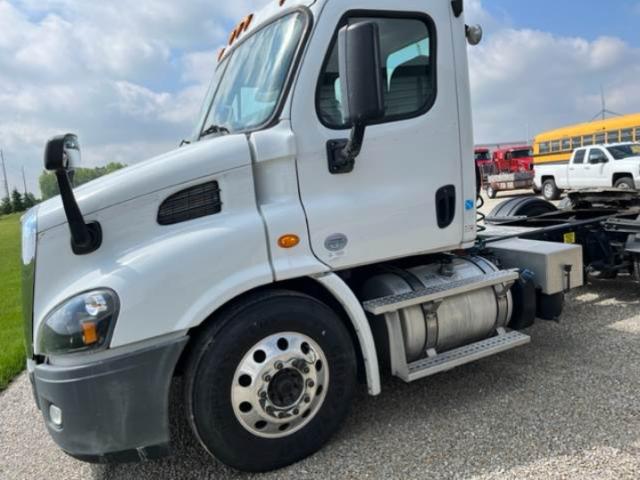
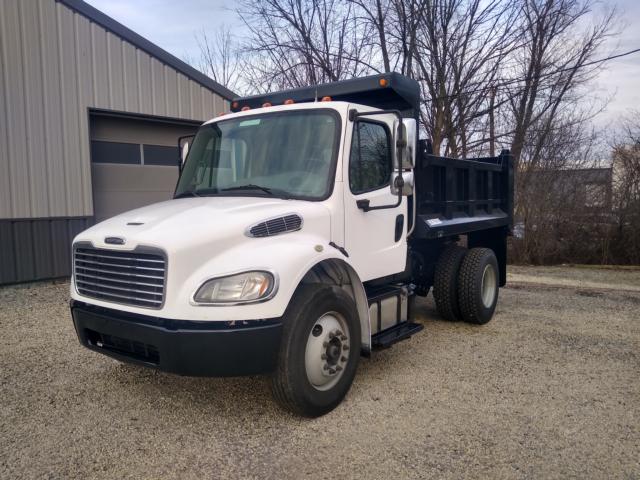
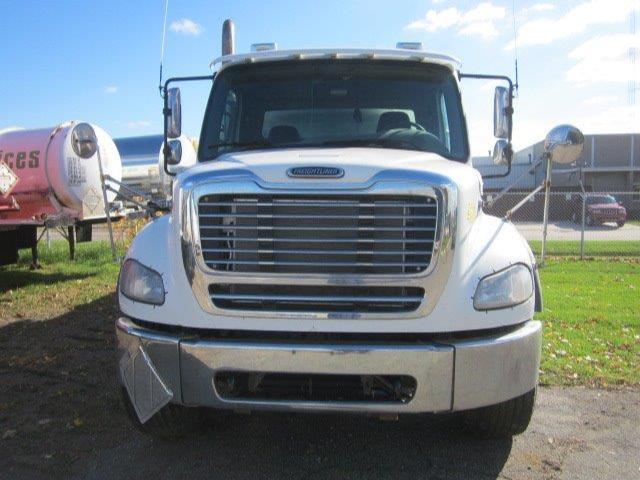

Selling a used freightliner truck? List your used freightliner truck for sale and reach thousands of commercial buyers.
Used Freightliner Trucks in Ohio
Durability starts with the frame, look at rail size, section modulus and RBM rating, plus crossmember spacing and material. Vocational Freightliners may carry double frame or liners, heavy steer axles and steel suspensions for dump or mixer duty, excellent for abuse but heavier. Highway Cascadias typically run aluminum crossmembers and air ride suspensions that reduce tare and improve ride, inspect fifth wheel condition, slider rail integrity and mounting brackets. Cab and sleeper floor panels, seat bases and door thresholds see concentrated loads, check for soft spots, cracked mounts and corrosion around battery boxes, cab mounts and step assemblies.
Thermal integrity matters in Ohio winters and humid summers, look for tight door seals, intact cab insulation, bunk curtains and strong HVAC performance under load. Trucks with APUs, bunk heaters and shore power reduce idle time, protect DPF health and improve driver rest, battery HVAC systems add comfort but require healthy alternators and battery packs. Tare weight drives payload and fuel burn, lightweight choices like aluminum wheels, single plate fifth wheels, air disc brakes, 6x2 drive configurations and wide base tires can remove hundreds of pounds, traction expectations, resale preferences and tire wear must be weighed before moving away from a 6x4 with duals. TPMS helps maintain casing integrity and fuel economy, consider it if not already installed.
Corrosion resistance is critical with Ohio road salt, Freightliner cabs are largely aluminum with composite hoods, and later frames use e-coat and sealed harnesses, yet rust still attacks steel crossmembers, suspension hangers, frame flanges and hardware. Inspect inside frame C channels, around DEF tanks, battery trays and fairing brackets for pitting, blistered paint and swollen rivets, check radiator supports, charge air cooler end tanks and aftertreatment clamps. Review maintenance records for DPF cleaning intervals and sensor replacements, coolant and gear oil changes and valve sets, use an infrared gun after a test drive to verify even brake rotor temperatures, and check driveline slip yokes and U joints for play or red dust on higher mileage units.
Frequently Asked Questions about Used Freightliner Trucks in Ohio
Which Freightliner models fit Ohio long haul, regional and vocational work best?
For coast to coast or high mileage interstate freight, the Cascadia with a raised roof sleeper, integrated aero and a Detroit DD15 with a DT12 automated manual provides strong fuel economy and driver amenities. Regional or dedicated Ohio routes often do well with a Cascadia mid roof or a day cab, shorter wheelbases improve maneuverability in tight docks while retaining aero gains. Medium duty delivery, utility and reefers are a natural fit for the Business Class M2 106 or 112 with Allison automatics, while dump, mixer and heavy municipal work point toward the 114SD or 122SD with higher RBM frames, heavier steer axles and durable suspensions.
What axle ratios and transmissions work well for Ohio turnpike speeds at 80,000 pounds GCW?
Downspeeded direct drive setups are efficient at steady 65 mph cruising, for example a DT12 direct drive with a 2.28 to 2.47 axle ratio on low profile 22.5 tires keeps the engine in the sweet spot while limiting parasitic losses. Overdrive gearboxes with 2.64 to 3.08 ratios can add gradeability for hilly corridors like I 77, helpful if you see mixed terrain or frequent starts. Match ratio to tire size and desired cruise RPM, consider rear axle cooling and retarder needs, and verify that PTO or vocational demands align with your chosen gearing.
How do I evaluate frame strength and cab floor condition on a used Freightliner?
Confirm the frame rail dimensions and RBM rating from the chassis tag, then inspect crossmember spacing and material, aluminum units save weight but steel may offer added rigidity for rough service. Look closely at suspension hangers, fifth wheel mounting plates and torque rod brackets for cracks or elongated bolt holes, check for extra drilled holes that can weaken the web or flange. Inside the cab and sleeper, feel for soft spots around seat mounts and steps, examine cab mounts and battery box supports for corrosion, and test the fifth wheel slider for smooth travel and positive lock with minimal rail wear.
What should I expect from the emissions system on a higher mileage Freightliner, and what records matter most?
By 250,000 to 400,000 miles most trucks will have had at least one DPF ash cleaning, with DOC and NOx sensor replacements fairly common over time. SCR dosing valves, DEF pumps and DEF quality sensors can age from heat and crystallization, cold weather in Ohio adds stress if heaters or lines are weak. Look for documented forced regen results, ash load percentages, aftertreatment backpressure readings and any warranty or campaign work on the one box. Smooth idle control, minimal soot loading between regens and no derate history are good signs.
How can I reduce tare weight on a Freightliner without sacrificing durability or traction?
Start with low hanging fruit like aluminum wheels, aluminum air tanks and a single plate fifth wheel, then consider air disc brakes and lighter suspensions that also shorten stopping distance and improve ride. Wide base singles and 6x2 configurations cut significant pounds and rolling resistance, evaluate your traction needs, driver preferences and resale market before committing. Keep toolboxes, headache racks and auxiliary gear as aluminum or composite where possible, and verify that any weight savings do not compromise frame RBM or axle capacities required by your lanes.