
Used Freightliner Trucks For Sale in Minnesota
Browse used Freightliner trucks for sale in Minnesota, including highway, vocational, and specialty units with Detroit, Cummins, and Allison specs.

Have used freightliner truck to sell? List it here to reach thousands of buyers.
Used Freightliner Trucks in Minnesota
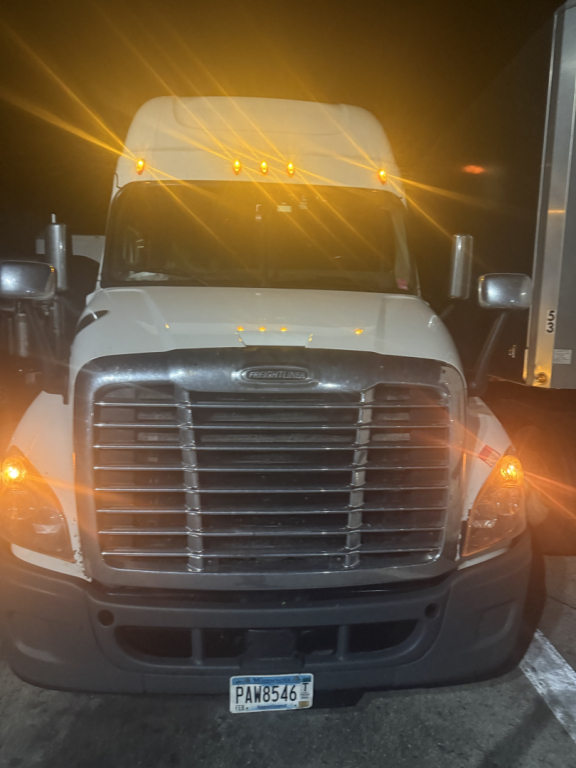
For over-the-road buyers, the Freightliner Cascadia is the name that comes up first, and for good reason. It is commonly spec’d with Detroit DD13, DD15, or DD16 engines, automated manual or automatic transmissions, and wheelbase options that fit both regional and long-haul work. In Minnesota, that usually means paying close attention to cold-weather starting performance, idle management, bunk heater operation, DEF system history, and corrosion around frame rails, battery boxes, and cab steps. Buyers comparing used Cascadias should also look at rear axle ratio, sleeper size, emissions system service records, and whether the truck was maintained on a strict fleet schedule or operated more lightly in private ownership.
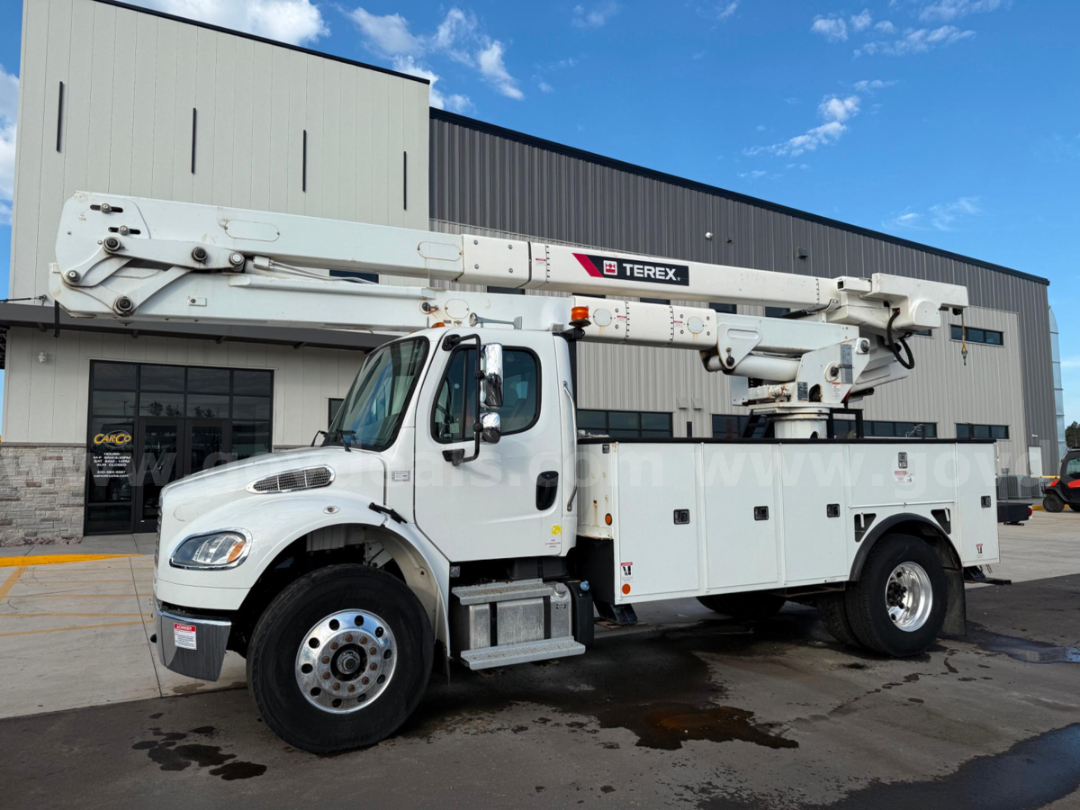
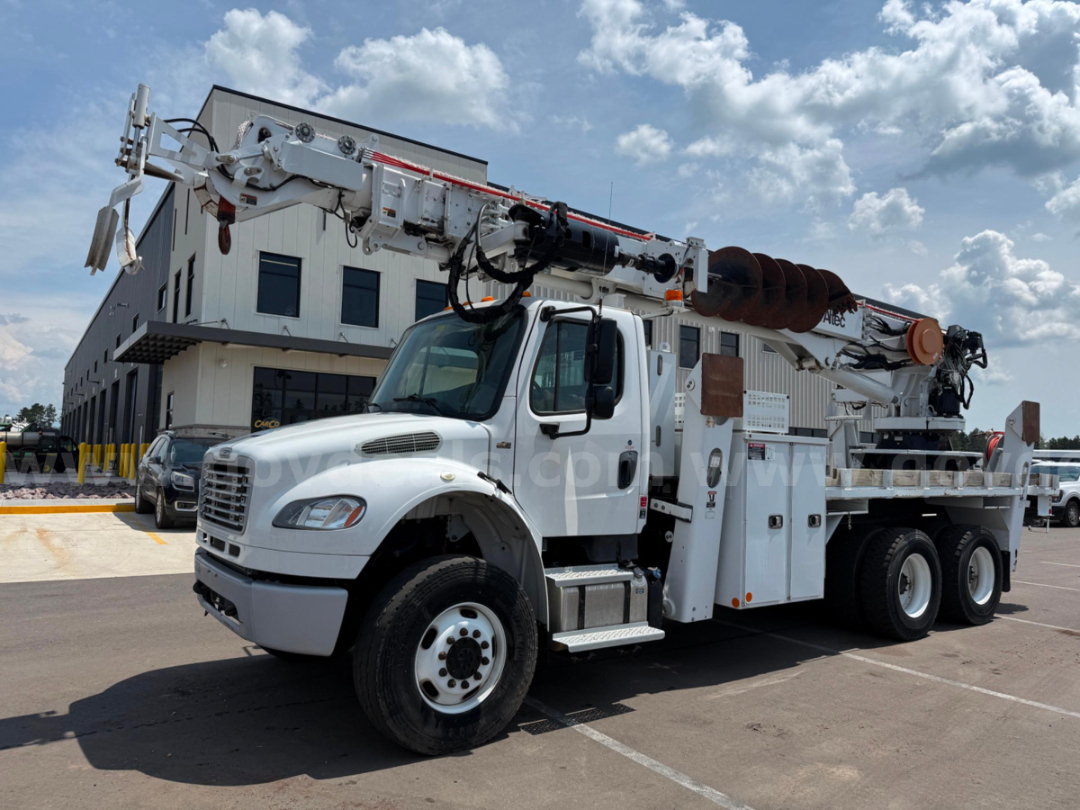
Vocational Freightliner trucks are a different buying decision. A bucket truck, water tank truck, or utility body depends just as much on the mounted equipment as the chassis underneath it. PTO function, hydraulic condition, boom certifications, tank integrity, pump operation, hour meter readings, and body corrosion can matter more than odometer miles alone. Freightliner M2 and similar medium-duty platforms are common in these roles because they balance maneuverability, service access, and respectable GVWR options. Buyers in Minnesota should verify if a truck falls under CDL or non-CDL operation, especially around the 26,000-lb GVWR threshold, and inspect for rust exposure from road salt, hard seasonal use, and long stationary PTO hours.
A good used Freightliner truck should be evaluated as a working spec, not just a brand-name chassis. Engine horsepower, transmission type, front and rear axle capacity, suspension, brake setup, body manufacturer, and PTO integration all affect value and job fit. Freightliner remains popular because the trucks are familiar to drivers, straightforward to source parts for, and available in both fleet and municipal configurations that buyers can compare side by side. For Minnesota operations, the best purchase is usually the truck with the cleanest maintenance history, the right vocational or highway spec, and evidence that its chassis and upfit have been maintained together rather than separately.
Frequently Asked Questions about Used Freightliner Trucks in Minnesota
What should I look for when buying a used Freightliner truck in Minnesota?
Start with application fit, then move to condition. Confirm the truck’s GVWR, axle ratings, engine, transmission, suspension, and body configuration match the work you plan to do. In Minnesota, rust and corrosion inspection is especially important because of winter road treatment. Pay close attention to frame rails, cab mounts, wiring, battery boxes, brake components, hydraulic lines, and any body subframe. Service records matter on both highway and vocational Freightliner trucks, especially for emissions components, cooling systems, and PTO-driven equipment.
Are used Freightliner Cascadia trucks good for regional and long-haul work?
Yes. The Freightliner Cascadia is one of the most common used sleeper and day cab platforms in the market because it was widely adopted by large and small fleets. That means strong parts availability, a large service network, and many spec combinations. Buyers should compare engine model, horsepower, transmission type, rear axle ratio, and sleeper setup to the route profile they run. A truck spec’d for fuel economy on flat lanes may not be ideal for heavier freight or more demanding terrain.
How do I evaluate a used Freightliner bucket truck or water truck?
Treat it as two assets in one purchase: the chassis and the mounted equipment. On a bucket truck, inspect boom condition, insulation certification if applicable, PTO engagement, hydraulic performance, platform capacity, and hour readings. On a water truck, inspect the tank, pump, plumbing, spray heads, controls, and any signs of leaks or internal corrosion. Chassis mileage is useful, but engine hours and PTO hours often tell more about wear on vocational Freightliner units than the odometer alone.
Do Freightliner medium-duty trucks commonly come in non-CDL configurations?
Yes. Many Freightliner medium-duty and utility configurations are built at or below 26,000-lb GVWR so they can be operated without a CDL in the right application and jurisdiction. That is common with certain bucket trucks, service trucks, and lighter body installations. Buyers should always verify the exact GVWR on the door tag and confirm local licensing, air brake, and equipment requirements. Body upfits and added accessories can also affect actual operating weight and payload.
Which engines and transmissions are common in used Freightliner trucks?
Detroit and Cummins engines are the most common depending on model and application. Highway tractors often use Detroit DD-series engines, while vocational and medium-duty trucks may use Cummins B6.7 or ISL9 platforms. Allison automatic transmissions are common in utility, municipal, and tank applications because they work well with stop-and-go duty cycles and PTO operation. Automated and manual transmission choices are more common in road tractors, where fuel economy, driver preference, and maintenance strategy influence the spec.