
Used Freightliner Tank Trucks For Sale
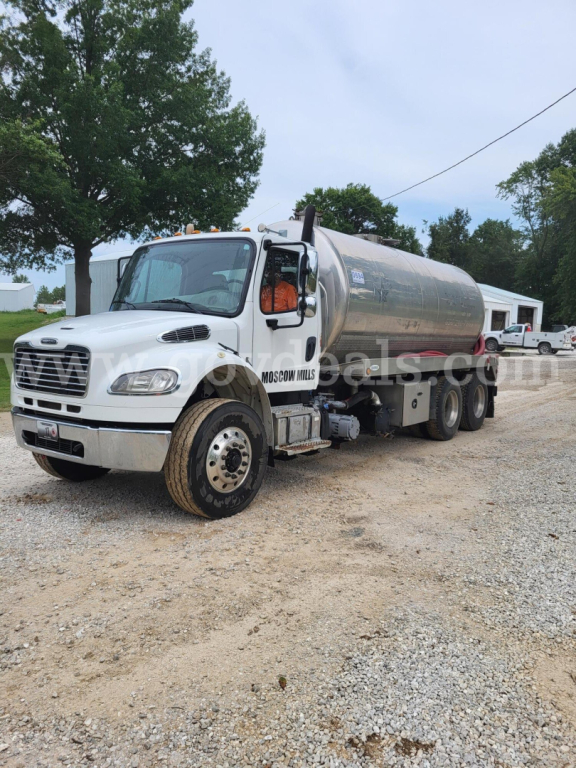
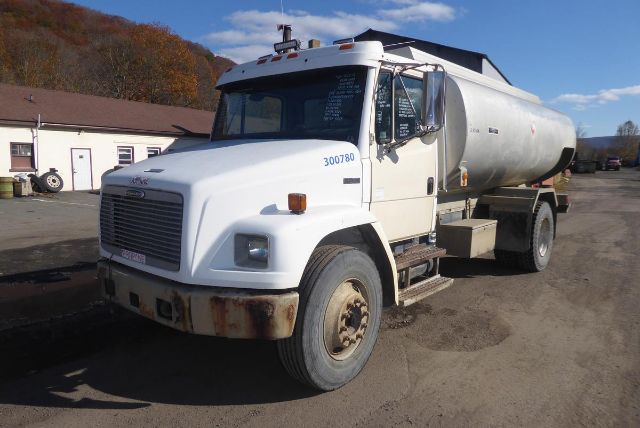
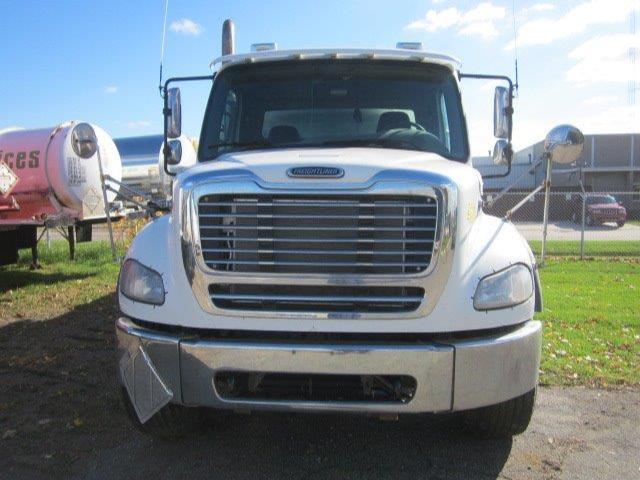

Have used freightliner tank truck to sell? List it here to reach thousands of buyers.
Used Freightliner Tank Trucks
Tank material drives both tare weight and corrosion resistance. Aluminum petroleum tanks reduce tare and maximize legal payload, typically 5454 or 5083 alloy with multiple compartments and internal baffles for surge control, but they are not suitable for caustics. Stainless steel 304 or 316 handles chemicals and food grade product, offers superior corrosion resistance and CIP compatibility, but adds weight. Carbon steel is common on water, brine and vacuum service, it is cost effective and strong, often lined for corrosives, though it requires vigilant coating maintenance. Inspect weld seams, manway coamings, sump areas, the underside of saddles and strap contact points for pitting or crevice corrosion, stainless hardware and scuff protection at hose trays and cabinets improves longevity.
Thermal integrity matters when hauling asphalt emulsions, hot products or temperature sensitive food grade loads. Look for insulated barrels with 2 to 4 inches of foam under aluminum or stainless jackets, asphalt applications may run thicker insulation with integral steam or hot oil coils, heat traced valves and recirculation loops. Better insulation reduces heat loss, stabilizes product viscosity and can improve metering accuracy. Petroleum delivery tanks prioritize safety systems over heat, verify DOT 406 compliance, bottom loading fittings, emergency shutoffs, overfill sensors and vapor recovery. Chemical tanks typically follow DOT 407 or 412 pressure ratings, vacuum trucks use ASME coded vessels with proper reliefs and burst protection.
To compare units effectively, confirm certified tare weight on the door tag or recent scale ticket, then calculate usable payload against GVWR and axle ratings while observing bridge and axle spread requirements. Check axle configuration, available pusher or tag axles, suspension type and roll stability controls, these influence handling with partial loads and during stops. Evaluate the pump or blower package, PTO ratio, hydraulic or direct drive, meter type with calibration records, hose reel capacity and API hardware condition. Look for straight rails without web cracking near tank saddles, secure subframe isolation pads, dry valves and clean compartment sumps. In cold climates, heated cabinets, insulated lines and block heaters protect uptime. A clean product history and recent tank tests thickness, pressure, leak are strong indicators of remaining service life.
Frequently Asked Questions about Used Freightliner Tank Trucks
Which tank material is best for my product on a Freightliner tank truck?
Aluminum is preferred for gasoline and diesel because it minimizes tare weight and delivers high payload, typically in a multi compartment DOT 406 configuration. Stainless steel 304 or 316 is the choice for chemicals and food grade because it resists corrosion and supports CIP, though it weighs more. Carbon steel is common for water, brine and vacuum service, often with internal linings for corrosives, it is durable and cost effective but requires coating maintenance. Match the alloy and lining to the MSDS, temperature and cleaning method you plan to use.
How do I determine payload on a used Freightliner tank truck?
Start with the GVWR and subtract the certified tare weight of the complete truck including fuel and typical tools. Verify individual axle ratings and current wheelbase to ensure legal distribution, add or adjust pusher or tag axles if needed to balance front and rear loads. Remember that insulation, pumps, meters and hose reels add weight, and chemical or stainless tanks typically reduce payload compared with aluminum petroleum tanks.
What is the difference between DOT 406, 407 and 412 cargo tanks?
DOT 406 covers low pressure petroleum tanks for gasoline and diesel with lower design pressure and features suited to flammable liquids, including bottom loading, emergency valves and overfill protection. DOT 407 is a medium pressure chemical tank for a wide range of liquids, often stainless, with higher test pressures and optional insulation. DOT 412 is a higher pressure corrosive service tank with thicker shell heads and higher test pressures. Vacuum trucks typically use ASME coded vessels with vacuum and pressure reliefs rather than DOT 406 standards.
What should I inspect for corrosion and structural integrity on a used tank truck?
Check weld seams, manways, sump and valve pockets, under saddles and strap contact areas for pitting or thinning. Look at the subframe isolation pads and crossmembers for wear or crushing, and inspect frame rails near saddle mounts for web or flange cracks. Examine hose trays, cabinet floors and catwalks for galvanic corrosion if dissimilar metals were used. Operate all valves and meters to confirm smooth function and no seepage, then review the most recent thickness, pressure or leak test reports to confirm compliance.
Can I run a PTO driven pump with an Allison automatic on a Freightliner chassis?
Yes, most Allison vocational models on Freightliner M2, 108SD and 114SD offer PTO provisions. Confirm the PTO port location, ratio and torque capacity to match your pump or blower requirements, and check for hot shift capability if you intend to engage the PTO with the vehicle in gear. Proper cooling, interlocks and control placement in the cab and cabinet help ensure safe operation.