
Tank Trucks For Sale
Expert guide to tank trucks by DOT class, capacity, material, insulation, pumps, and chassis, tailored to your commodity, payload, and compliance needs.
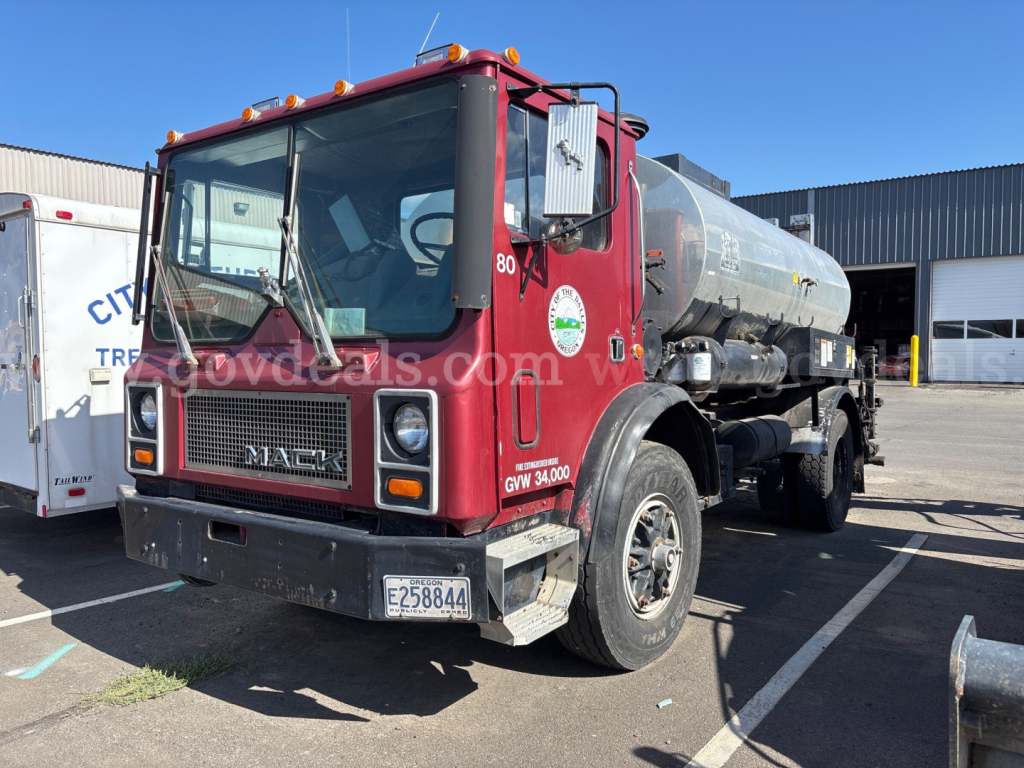
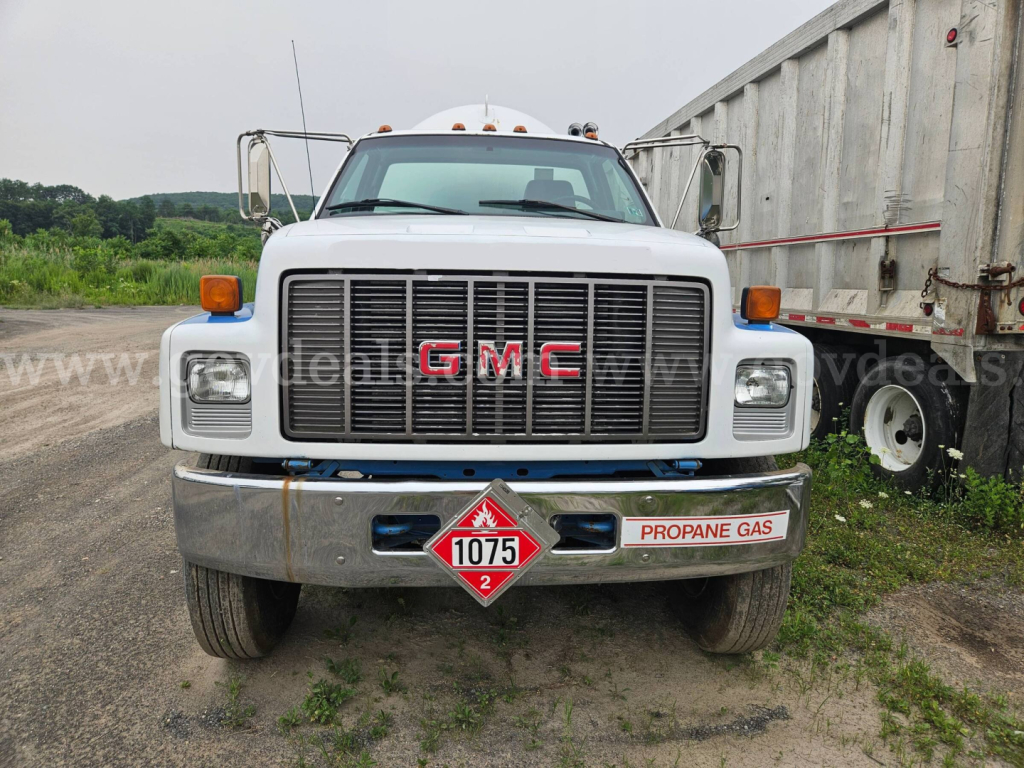
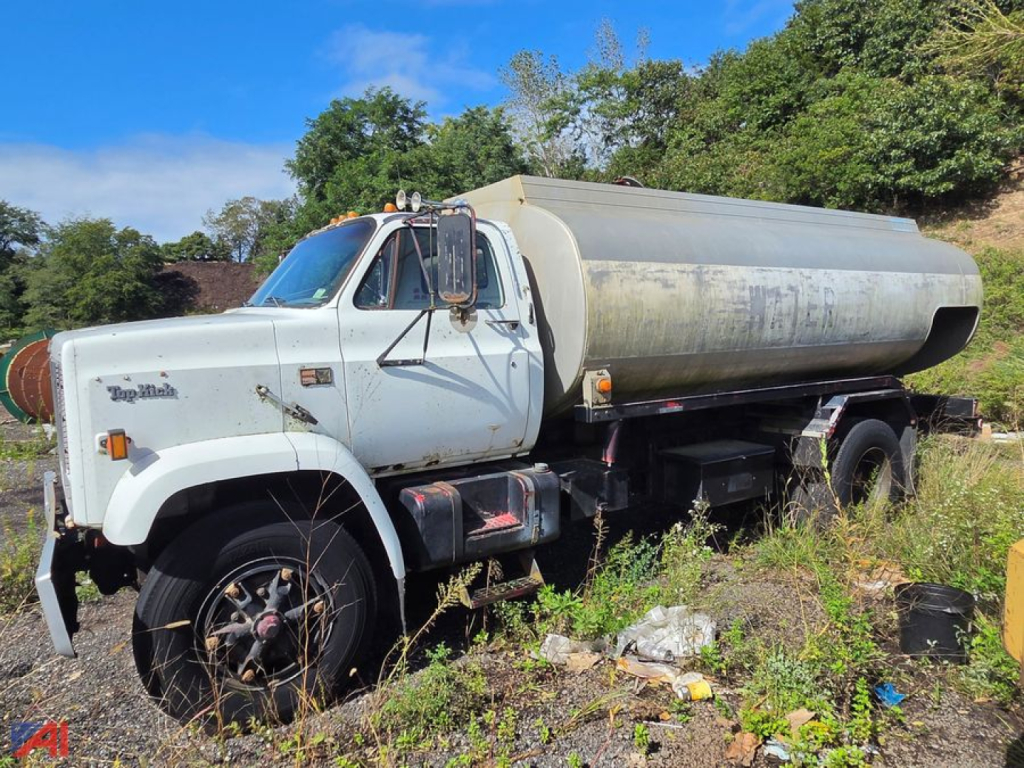
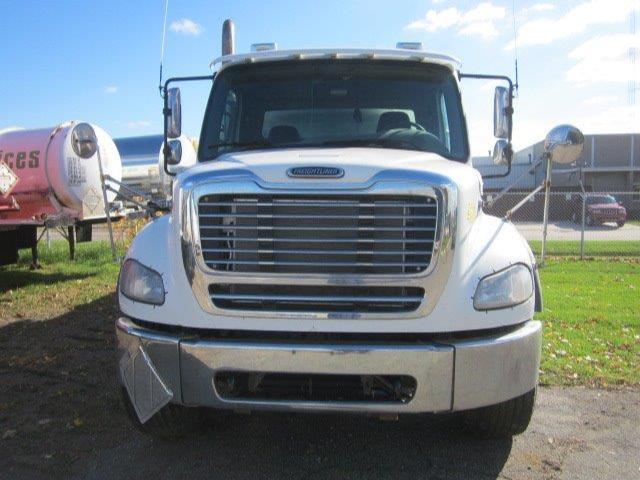

Selling a tank truck? List your tank truck for sale and reach thousands of commercial buyers.
Tank Trucks
Material selection drives corrosion resistance, cleaning intervals, and lifespan. Aluminum DOT 406 tanks offer the lightest tare for fuels, with good corrosion performance against refined products. 304 or 316L stainless provides broad chemical resistance and is standard for food grade, acids, and caustics, with 316L favored for chloride-rich media. Carbon steel is used where product compatibility permits, often with rubber, phenolic, or epoxy linings to protect against corrosion and pitting. Inspect weld quality, head and shell thickness, and the integrity of manways, sump welds, and mounting saddles. For aggressive products, verify lining type, holiday testing records, and repair history; for sanitary service, look for polished finishes, 3A fittings, and CIP capability.
Thermal integrity depends on insulation type, thickness, and jacket construction. Asphalt and temperature-sensitive chemicals benefit from 3 to 5 inch insulation with an aluminum or stainless jacket and optional in-transit heat via steam or hot oil coils, glycol loops, or electric trace where permitted. Food grade tankers often use lighter insulation to slow temperature loss without excess weight, and cryogenic units rely on vacuum jacketed designs with stringent vacuum hold times. Check heat transfer surface area, coil routing, and control hardware, then balance thermal retention against tare weight and maintenance complexity. Poorly sealed jackets and wet insulation degrade R-value and add hidden weight, so examine for moisture intrusion and jacket seam condition.
Tare weight dictates payload and profitability, so evaluate shell material, compartment hardware, pump and meter packages, ladder and walkway spec, wheel material, and auxiliary lift axles. Frame and subframe design should spread loads evenly across the chassis rails; platform floor strength at the rear work area, cabinet floors, and saddle mounts must handle pump assemblies and hose reels without flex. Match axle ratings, suspension type, and wheelbase to gross weight and turning needs; steerable lifts can improve distribution and maneuverability. Safety and uptime features such as internal self-closing valves, air or hydraulically actuated emergency shutoffs, Scully overfill, bottom loading with API adapters, vapor recovery, ROPS style rollover protection, stability control, ABS, and tire inflation systems reduce risk and maintenance. Review test and inspection records per 49 CFR 180.407, including visual, leak, pressure, and thickness tests, and confirm PTO compatibility, pump selection centrifugal or positive displacement, meter accuracy, and hose and gasket material compatibility with the intended commodity.
Also known as: Tanker Truck
Frequently Asked Questions about Tank Trucks
Which DOT code tank truck do I need for my product?
Match the tank specification to the commodity and pressure. DOT 406 handles gasoline and diesel at low pressure, DOT 407 covers many chemicals with moderate vapor pressure, DOT 412 is for corrosives and higher specific gravity loads, MC331 is for pressure gases like propane or ammonia, and MC338 is for cryogenic liquids. When in doubt, consult the SDS and the applicable CFR tables to verify material compatibility and pressure requirements.
How does insulation affect product temperature and tare weight?
Thicker insulation and tight jackets improve heat retention, reducing reheating at delivery and protecting temperature-sensitive products. The trade-off is weight and complexity, since heavy insulation and jackets add hundreds of pounds and can trap moisture if seams fail. For asphalt or high-temp chemicals, look for 3 to 5 inch insulation with well-sealed jackets and proven in-transit heat. Food grade may use lighter insulation to control weight. Cryogenic units rely on vacuum jackets, which offer excellent thermal performance at low tare but require strict vacuum integrity.
What materials or linings are best for corrosive or food-grade service?
Stainless steel, typically 316L, provides the broadest resistance to chlorides and many acids, and is preferred for food-grade due to cleanability and polished surfaces that support CIP. For corrosives where stainless is not ideal or cost prohibitive, carbon steel tanks with rubber, phenolic, or epoxy linings are common; the lining must match the product chemistry and temperature. Verify lining type, service history, repair records, and holiday testing. For refined fuels, aluminum offers low tare and adequate corrosion resistance, but it is not suitable for strong caustics or certain chemicals.
How do baffles and compartments impact safety and operations?
Baffles and compartments reduce surge, improving handling and brake performance. More compartments allow multi-product or multi-stop deliveries, but every bulkhead adds internal fittings and surfaces that complicate cleaning and increase tare. Smoothbore tanks are favored for sanitary service where full washout is critical, accepting more surge in exchange for quicker cleaning. Confirm surge control design against your route profile, expected stop frequency, and product viscosity.
What chassis specifications matter for a tank truck buildout?
Select axle ratings and suspension to match gross weight and weight distribution, consider 6x4 or 8x4 for heavier tanks, and use steerable lift axles where bridge laws and turning radius demand it. Ensure the engine and transmission provide suitable PTO options and torque for your pump or compressor package. Evaluate frame rail yield strength, double-frame or insert needs, and the tank subframe to prevent rail deflection. Aluminum wheels, air disc brakes, stability control, and tire inflation systems can reduce tare and improve safety and tire life. Confirm mounting points, hose storage, cabinet layout, and rear platform strength for the accessories you plan to run.