
Freightliner Tank Trucks For Sale
Freightliner tank trucks with aluminum, stainless, or lined steel barrels, optimized for payload, thermal control, and corrosion resistance.
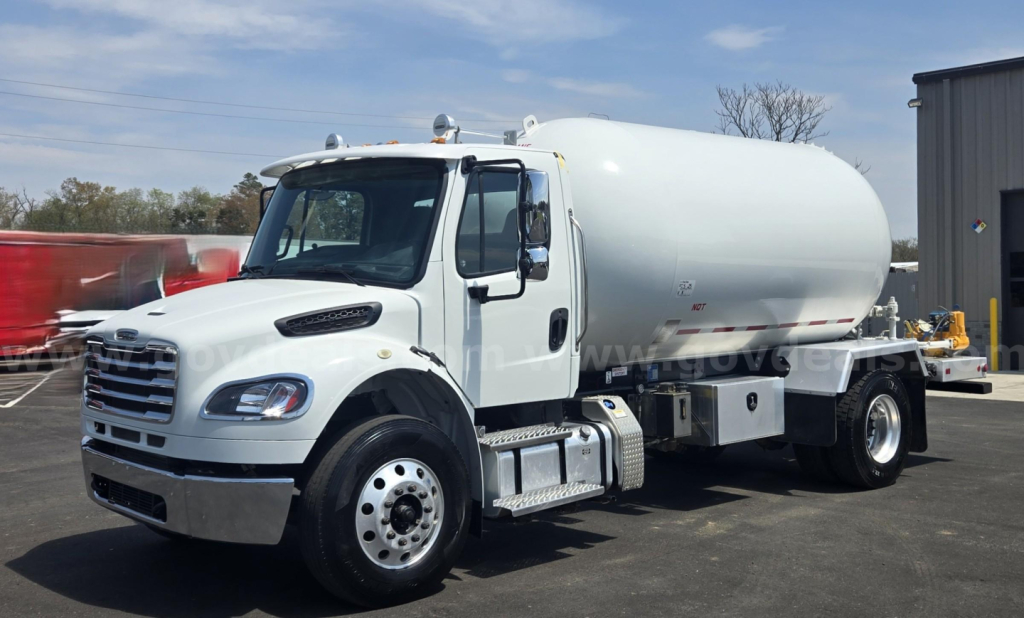
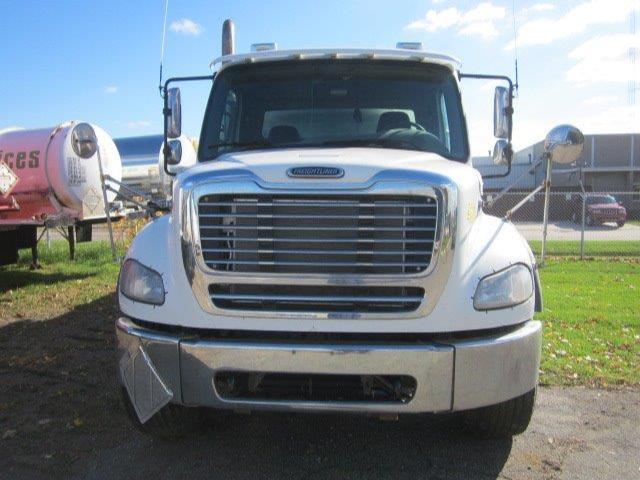
Selling a freightliner tank truck? List your freightliner tank truck for sale and reach thousands of commercial buyers.
Freightliner Tank Trucks
Tank material dictates corrosion resistance and tare. Aluminum barrels are typical for DOT 406 petroleum, they are light and resist rust but require careful bolt isolation from steel saddles. Stainless steel, 304 or 316L, suits chemical and foodgrade loads, offers excellent corrosion resistance, and maintains surface integrity after repeated washouts, at a weight penalty. Carbon steel with epoxy or phenolic linings is common on water, waste, and vacuum tanks, with lower initial cost but more maintenance on coatings. Specify stainless hardware, vapor recovery piping, and cabinet floors or hose trays in stainless or aluminum to reduce corrosion from salt and product drips.
Thermal integrity depends on insulation type and thickness, as well as heat management hardware. Petroleum and foodgrade bodies often use 2 to 4 inches of polyurethane foam with fiberglass or stainless outer wraps, which limits temperature loss and keeps condensation off the shell. Asphalt or emulsion service may add heat trace lines or thermal oil coils. Cryogenic and LPG use double wall and vacuum jacket systems under DOT 331 or 338, which increases tare weight but delivers superior hold time. For vacuum trucks, ring stiffeners and thicker shells resist implosion, and internal baffles or surge plates improve stability and braking. Walkway and platform floor strength matters for safe access to manways and valves, and reinforced equipment cabinets keep heavy meters, reels, and pumps secure.
Powertrain and packaging affect uptime and payload. Detroit DD5, DD8, and Cummins L9 or X12 pair with Allison automatics for smooth PTO engagement, or with manual transmissions when direct PTO drive is preferred. Transmission PTO pads, 6 bolt or 8 bolt, and split shaft PTOs let you run product pumps, blowers, or vacuum systems, so verify torque and ratio to match pump curves. Wheelbase, axle ratings, and suspension choice set legal axle splits and turning radius, consider steerable lift axles on higher GVWR builds. Spec aluminum wheels and fuel tanks, air ride or multi leaf rears, and a clean back of cab for hose reels and cabinet width to trim tare and simplify service. Grounding reels, emergency shutoffs, overfill systems, and rollover protection are standard expectations on modern Freightliner tank trucks, check that controls are mounted where the operator stands to reduce risk.
Frequently Asked Questions about Freightliner Tank Trucks
What tank material is best for a Freightliner fuel tanker?
For gasoline and diesel under DOT 406, aluminum is preferred because it saves significant tare weight and resists rust, which boosts payload and cuts maintenance. Stainless steel can be used when higher durability or cross product flexibility is needed, but it adds weight and cost. When mounting an aluminum barrel on a steel subframe, isolate dissimilar metals with pads and sleeves to prevent galvanic corrosion, and specify stainless hardware on valves and piping.
How do insulation and jacket choices affect thermal integrity and payload?
More insulation increases temperature hold time, but it adds weight and cost. Polyurethane foam at 2 to 4 inches with a stainless or aluminum jacket provides strong thermal performance for foodgrade and petroleum service while resisting road damage. Mineral wool can be used where foam is not desired. For hot products like asphalt, consider heat trace, thermal oil coils, or burner systems, which add complexity and tare. Cryogenic and LPG tanks use double wall vacuum systems for superior hold times, with the highest weight impact.
Which Freightliner chassis is suitable for a vacuum truck or high GVWR chemical tanker?
The 108SD and 114SD offer higher frame RBM, axle ratings, and cooling capacity favored for vacuum bodies and heavier chemical tanks, while the M2 106 fits lighter petroleum or water service. Match the chassis to the barrel capacity and pump requirements, select a transmission with appropriate PTO drive, and plan wheelbase for weight distribution and hose reel or cabinet space. Steerable lift axles help meet bridge and axle weight limits without sacrificing maneuverability.
How do baffles and surge control impact safety and handling?
Baffles, surge plates, or multiple compartments reduce liquid movement during braking and cornering, which shortens stopping distance and improves roll stability. More compartments can simplify multi grade deliveries but add valves, meters, and cleaning time. Some products require smooth bore for sanitation or ease of cleanout, so drivers must adjust technique to account for greater surge. Always verify DOT code requirements for the product and ensure relief valves, vents, and overfill systems match the tank configuration.
What specs improve corrosion resistance in a tank truck build?
Choose stainless steel for barrels carrying corrosives, or use lined carbon steel with an epoxy or phenolic system when weight and cost are priorities. Add stainless or aluminum cabinet floors and hose trays, specify stainless fasteners and pipework, and use isolation pads between dissimilar metals. A chassis corrosion protection package, sealed electrical connectors, and undercoating help in snowbelt service. Good drainage, drip containment, and easy washdown surfaces extend service life and protect resale value.