
Used Freightliner Refrigerated Trucks For Sale
Shop used Freightliner refrigerated trucks, including M2 reefer box trucks with Thermo King units, liftgates, insulated bodies, and delivery specs.
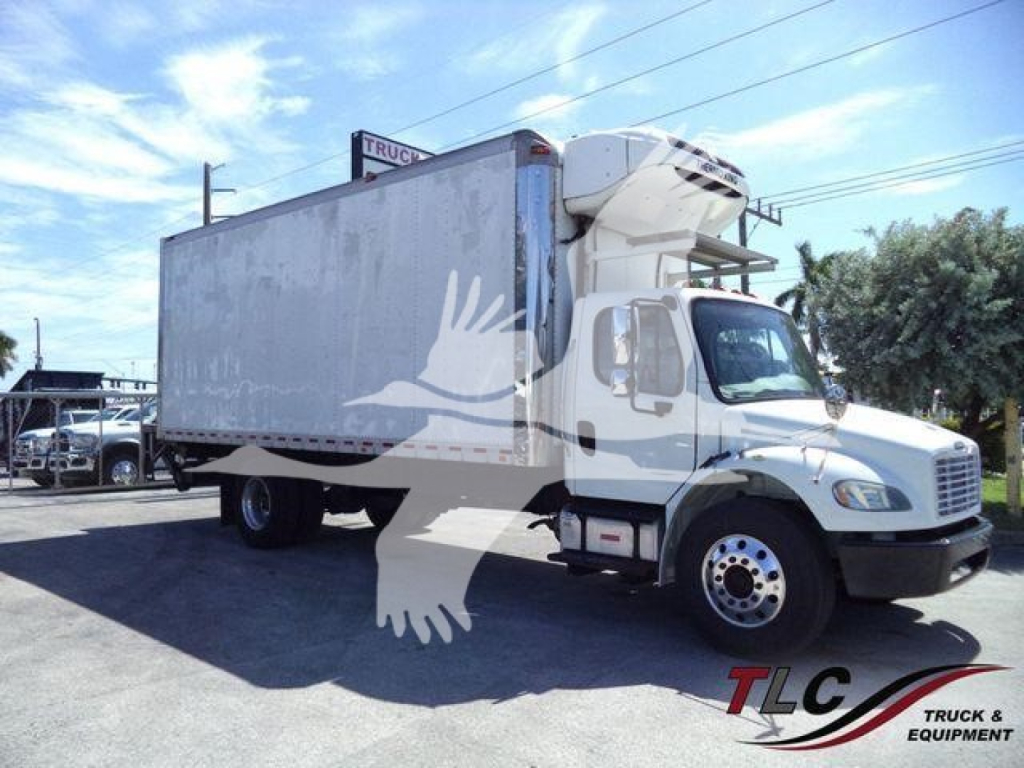
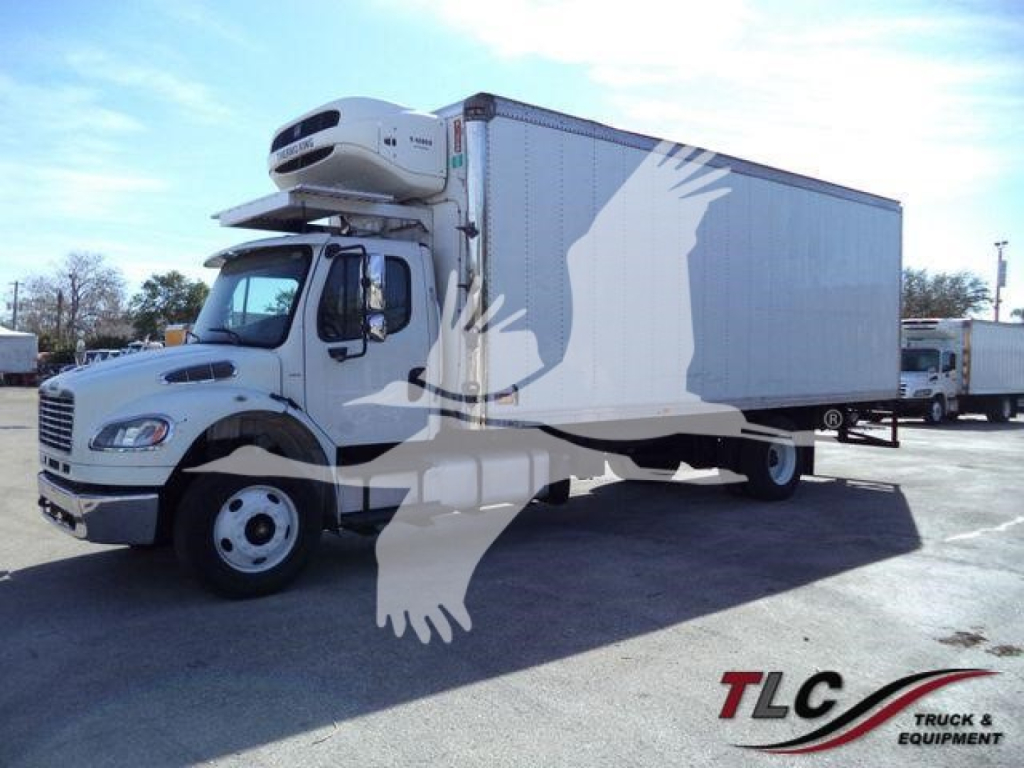
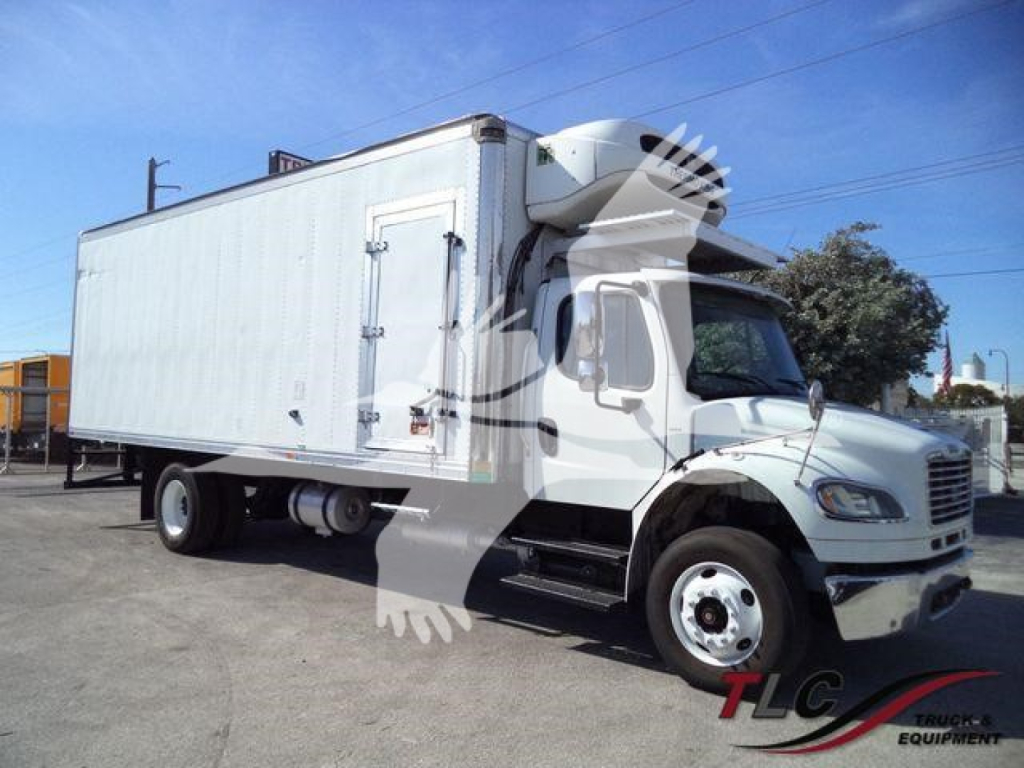

Selling a used freightliner refrigerated truck? List your used freightliner refrigerated truck for sale and reach thousands of commercial buyers.
Used Freightliner Refrigerated Trucks
The refrigeration package matters as much as the truck itself. Many used Freightliner reefer trucks are equipped with Thermo King units, and buyers should pay close attention to reefer hours, temperature pull-down performance, maintenance records, and whether the unit is sized correctly for the body length and product being hauled. Body details make a real difference in day-to-day operation. A heavy-duty ducted aluminum floor helps airflow under pallets, while scuff liners or scuff plates protect interior walls from repeated cart and pallet contact. Curb-side doors speed up multi-stop delivery work, and rear swing doors, ramps, or liftgates affect how quickly the truck can turn a route. If dock work is limited, a liftgate can be more important than a higher payload number.
On the chassis side, Freightliner M2 reefer trucks are often selected because parts availability is strong and most fleets already know the platform. Suspension type is worth comparing closely. Air ride can improve ride quality for sensitive cargo and may reduce body stress over time, while spring suspension can be simpler and less expensive to maintain. Rear axle ratings around 21,000 pounds are common in this class, and gear ratios such as 4.78, 5.38, or 5.88 can tell you a lot about the truck's intended use. Lower highway-friendly gearing may suit regional routes, while deeper ratios are often better for dense urban stops, heavier loads, and frequent starts. Wheelbase also matters because it affects turning radius, body length, and dock access.
A good used Freightliner refrigerated truck should be evaluated as a complete cold-chain asset, not just a truck with a reefer body. Buyers should inspect insulation condition, door seals, floor wear, evaporator cleanliness, liftgate cycle history, and any signs of water intrusion or body repair. It is also smart to verify engine hours versus reefer hours, since a route truck may have moderate chassis miles but high refrigeration use. For buyers comparing multiple listings, the best unit is usually the one with a documented service history, a reefer unit that holds setpoint consistently, and a body configuration that matches the delivery environment. In this category, small spec differences can have a major impact on uptime, product integrity, and route efficiency.
Frequently Asked Questions about Used Freightliner Refrigerated Trucks
What are the most common Freightliner refrigerated truck models on the used market?
The Freightliner M2, especially the M2 106, is one of the most common used refrigerated truck platforms. It is widely used as a medium-duty reefer straight truck with insulated bodies typically ranging from 24 to 28 feet. Buyers often find these trucks with Cummins ISB or Detroit DD8 diesel engines, Allison automatic transmissions, and single-axle configurations that fit food distribution and local delivery work well.
What should I check first on a used reefer truck besides mileage?
Reefer hours, refrigeration service records, and actual temperature performance should be checked before focusing only on chassis mileage. A refrigerated truck can have acceptable miles but still need expensive reefer repairs if the unit has high hours or poor maintenance history. Buyers should also inspect door seals, insulation, ducted flooring, evaporator condition, and signs of water leaks, because body condition directly affects temperature retention and operating cost.
Is a 26,000 GVWR or 33,000 GVWR Freightliner reefer truck better?
It depends on payload needs, driver requirements, and delivery environment. A 26,000 GVWR truck can be attractive for operations that want a non-CDL configuration, but payload may be more limited once the reefer body, refrigeration unit, and liftgate are factored in. A 33,000 GVWR truck generally offers more carrying capacity and heavier axle ratings, which can be better for denser product loads or longer routes where cube and weight both matter.
Which reefer body features matter most for route delivery?
Curb-side doors, liftgates, floor design, and interior protection are usually the most important features for route work. A curb-side door helps with fast hand-unload stops, while a liftgate is critical when dock access is inconsistent. Heavy-duty aluminum duct floors improve airflow and support pallet movement, and scuff liners or scuff plates help reduce body damage from carts and freight handling over time.
Are Freightliner refrigerated trucks expensive to maintain?
Maintenance cost depends heavily on the refrigeration unit, the body condition, and how the truck was used, but Freightliner chassis support is generally strong. The M2 platform has broad dealer and independent shop familiarity, which can help with parts availability and routine service. The larger maintenance risk on many used reefer trucks is not the cab and chassis alone, but deferred repairs to the reefer unit, liftgate, insulated body, or door hardware.