
Used Commercial Trucks For Sale in New York
Shop used trucks for sale in New York. Key specs to compare include floor strength, thermal integrity, tare weight, and corrosion resistance across builds.


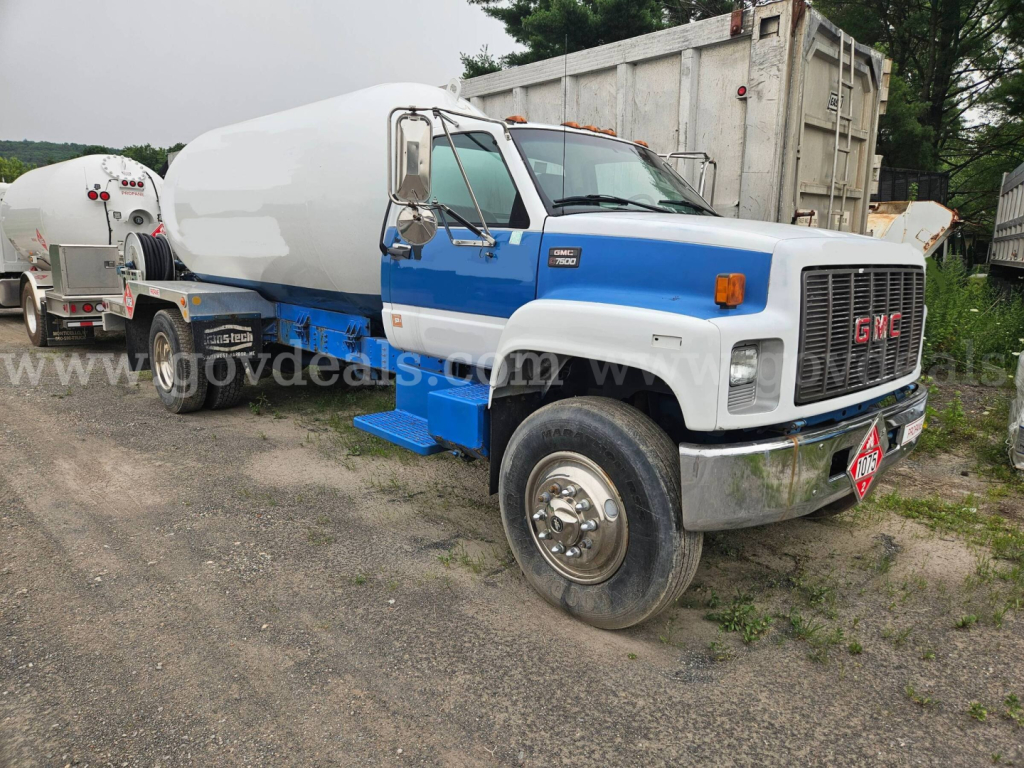
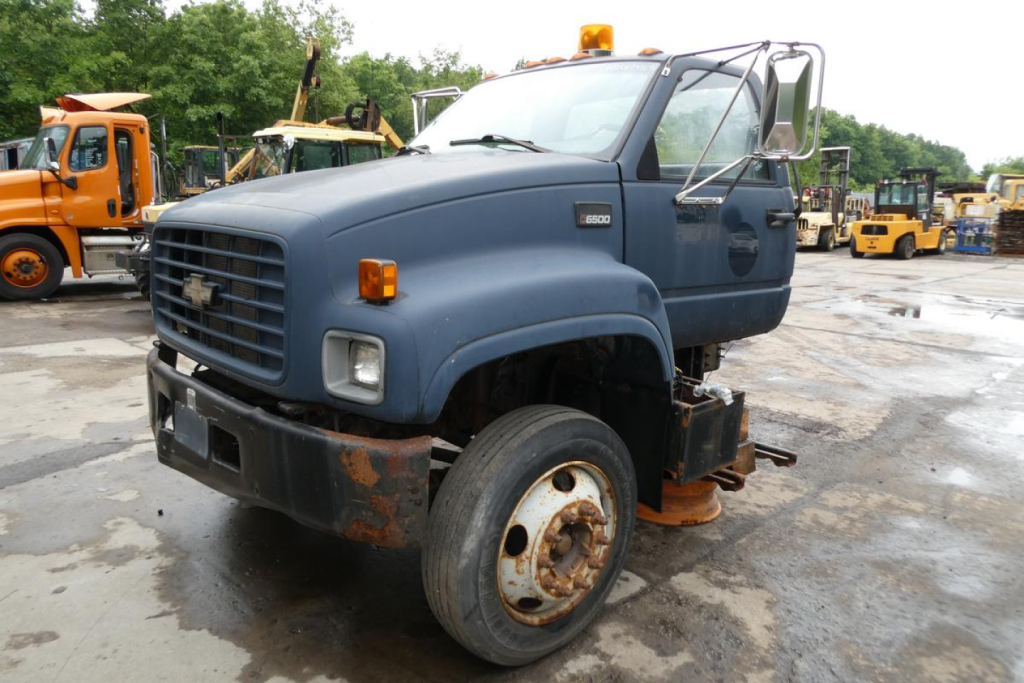
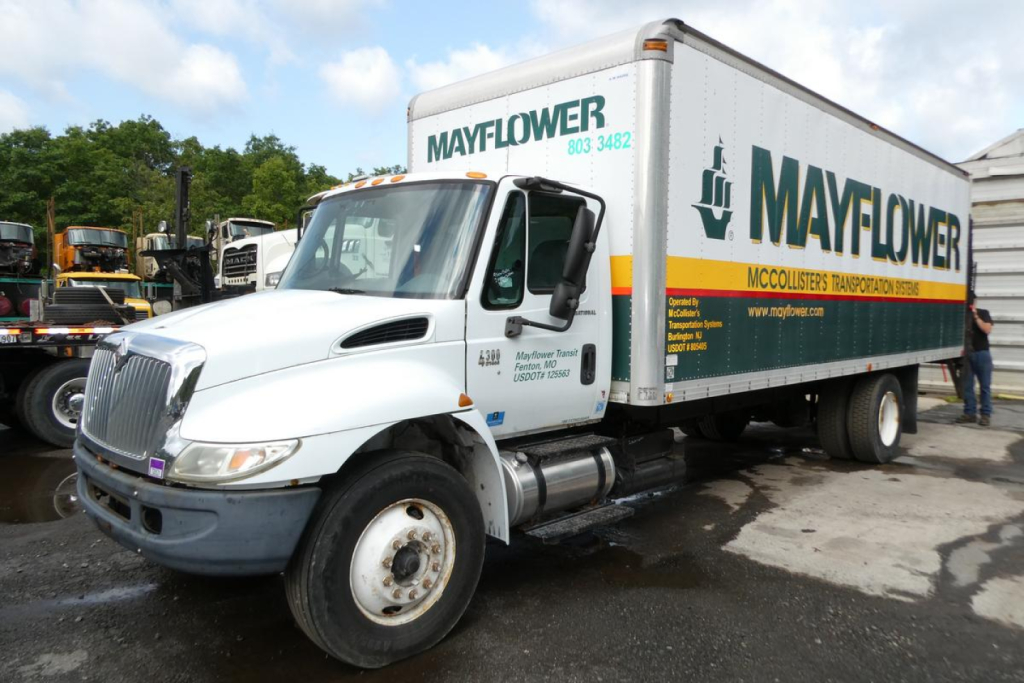
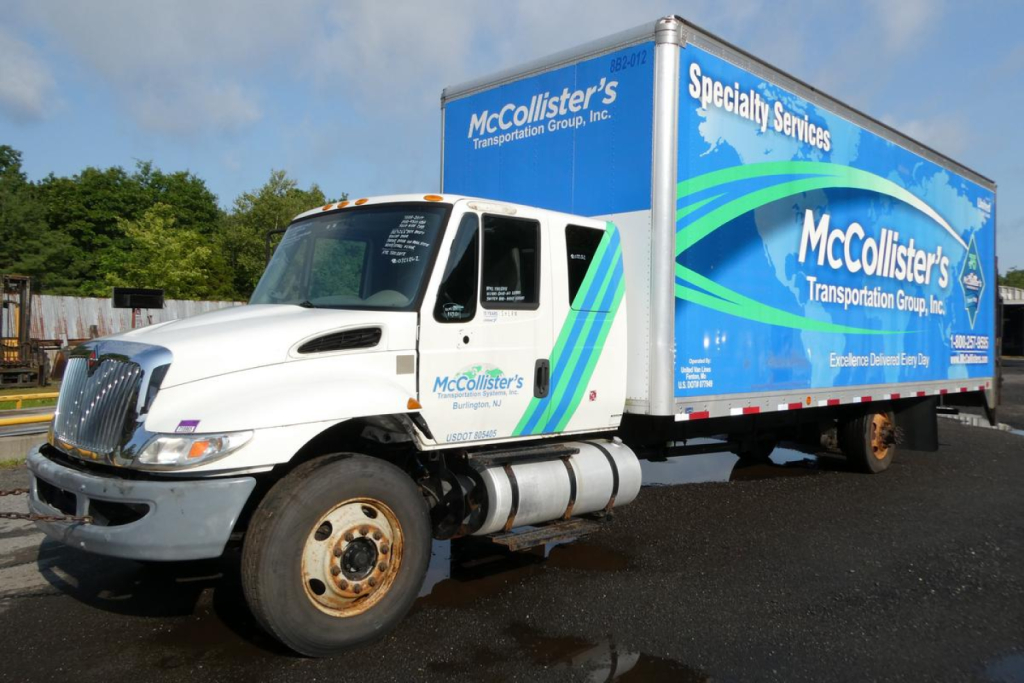
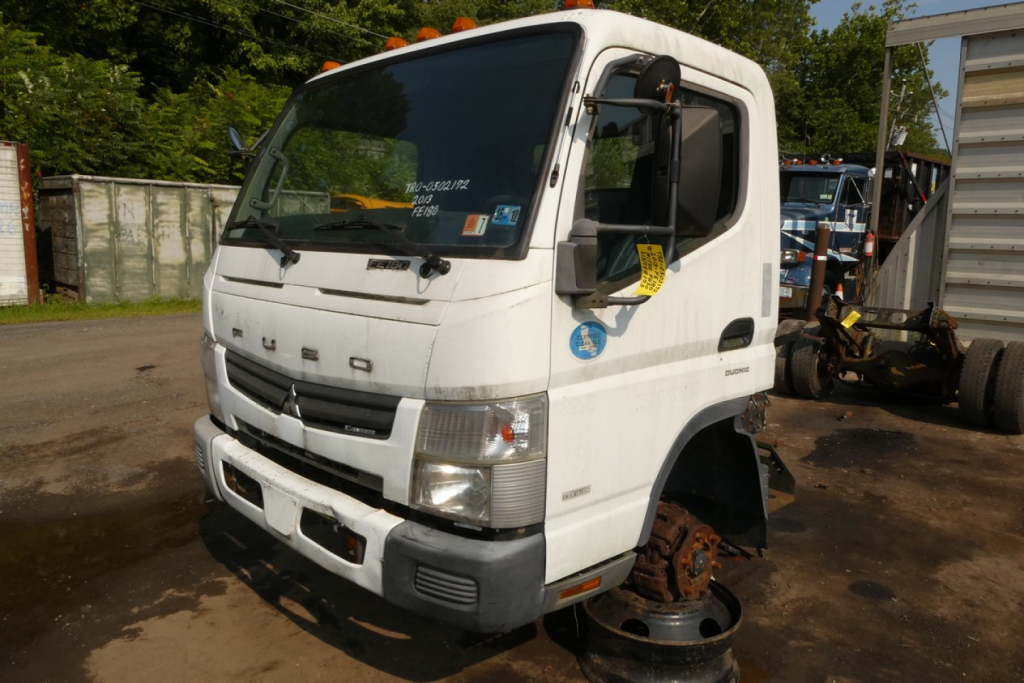
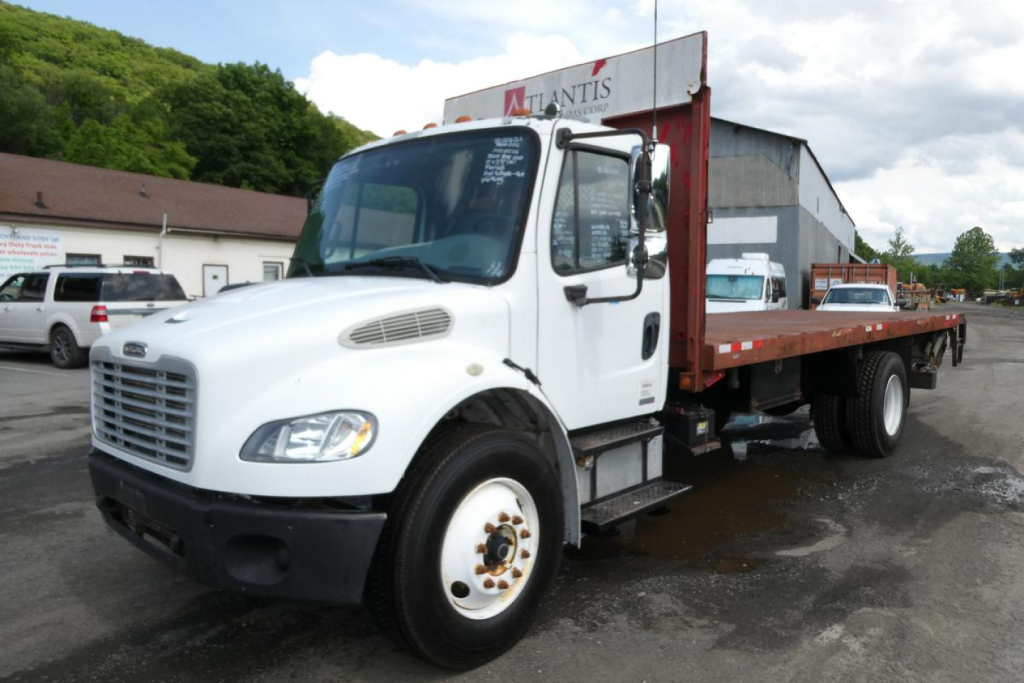
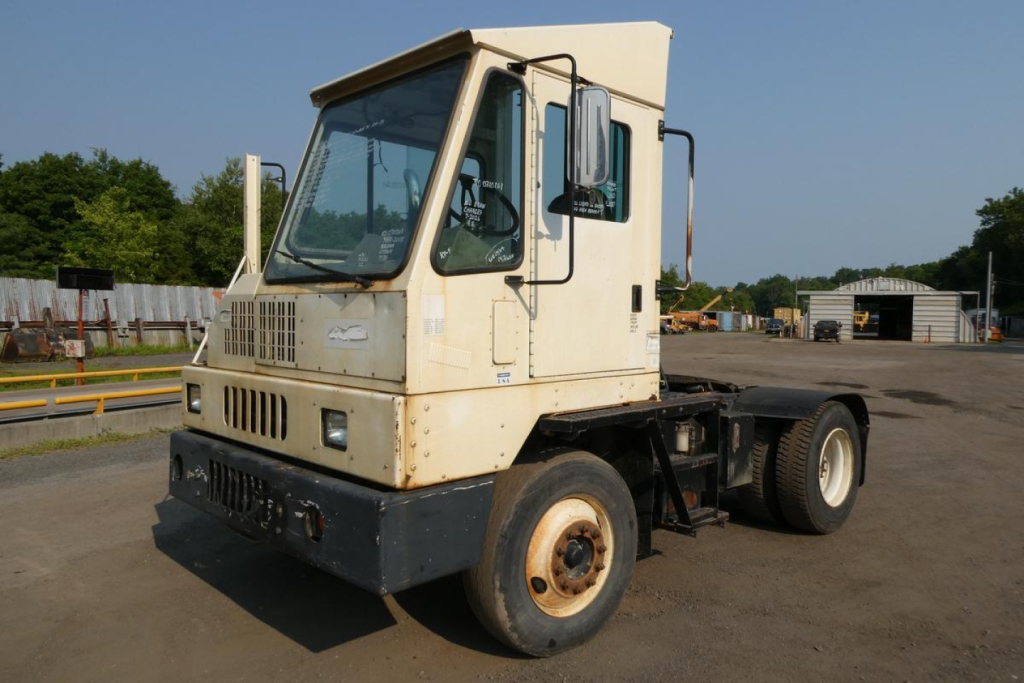
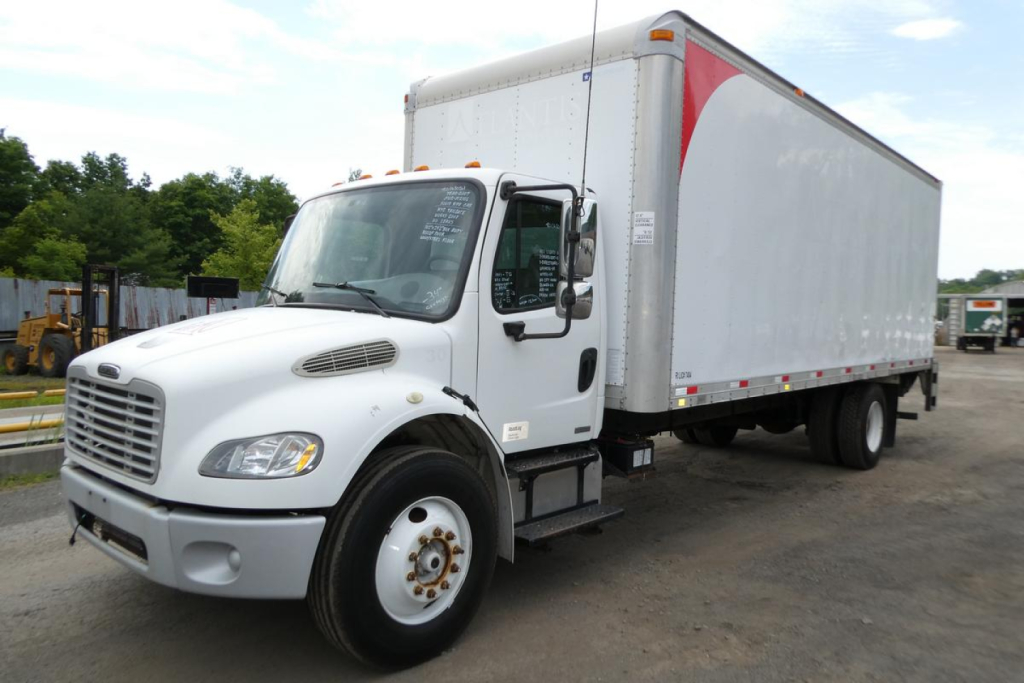
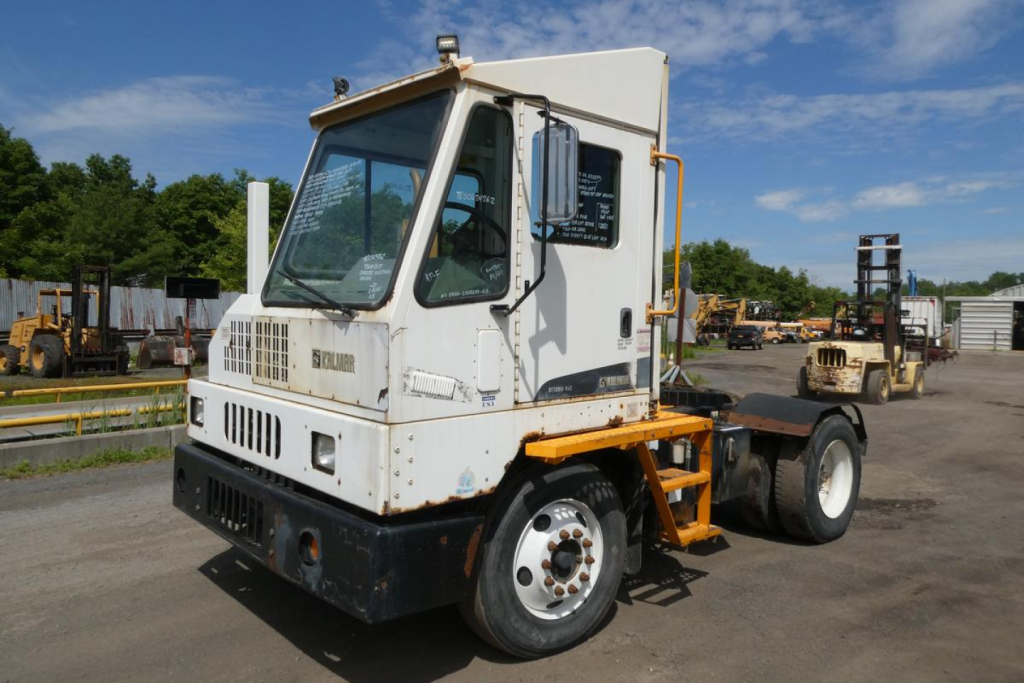
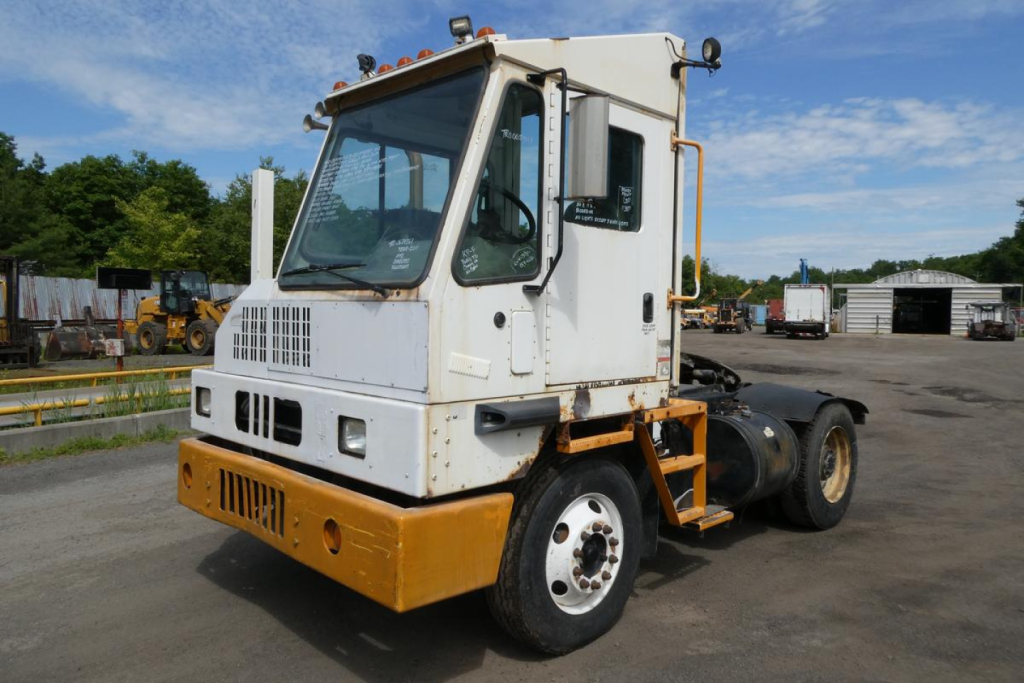
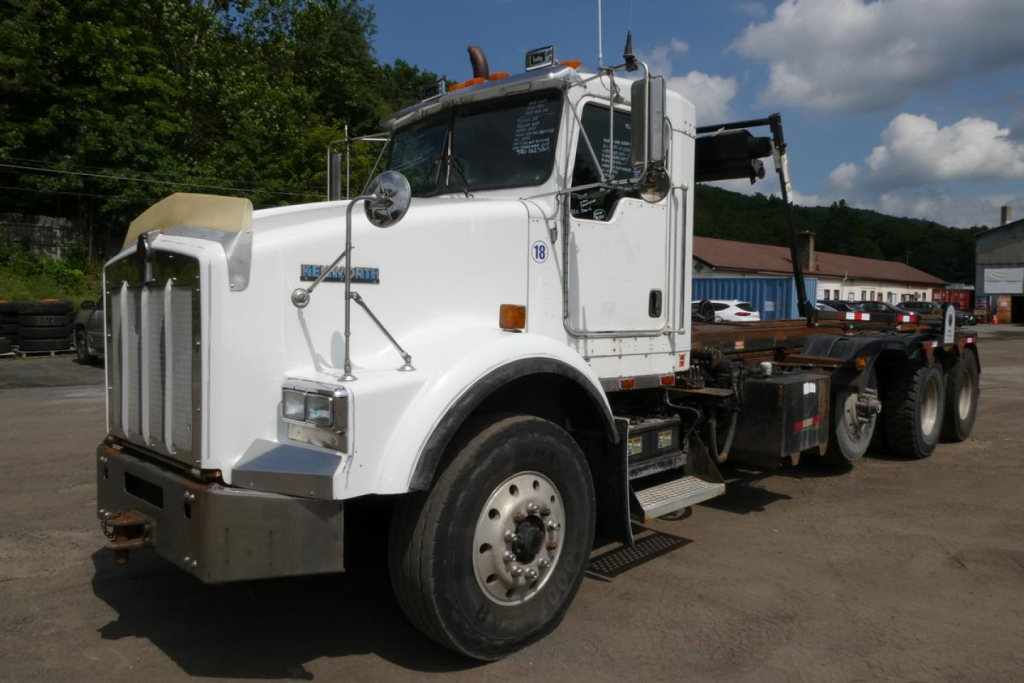
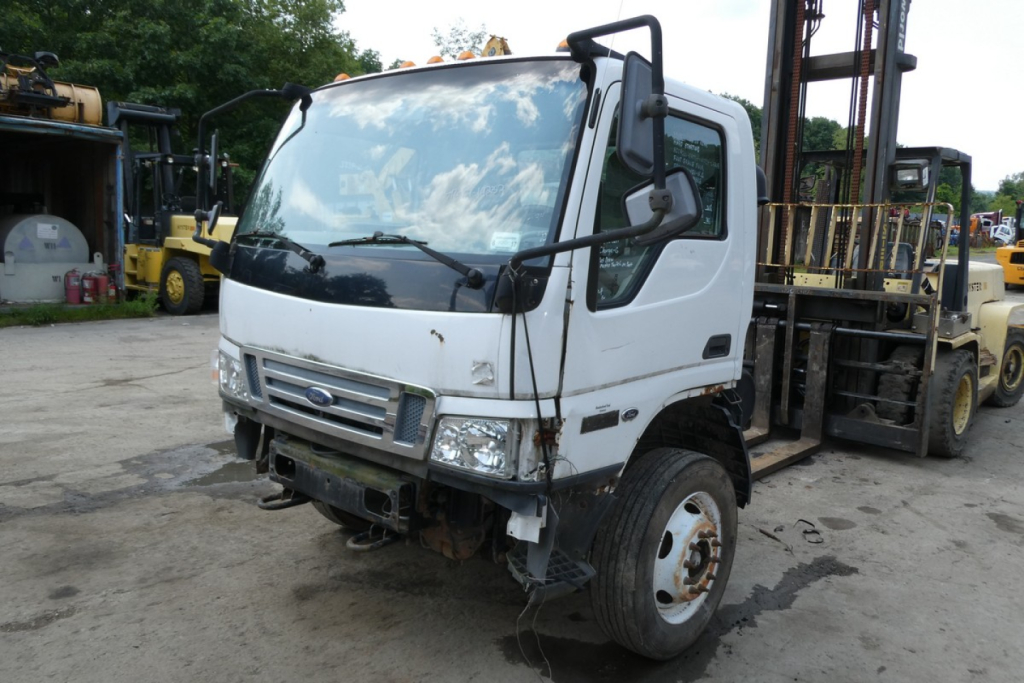
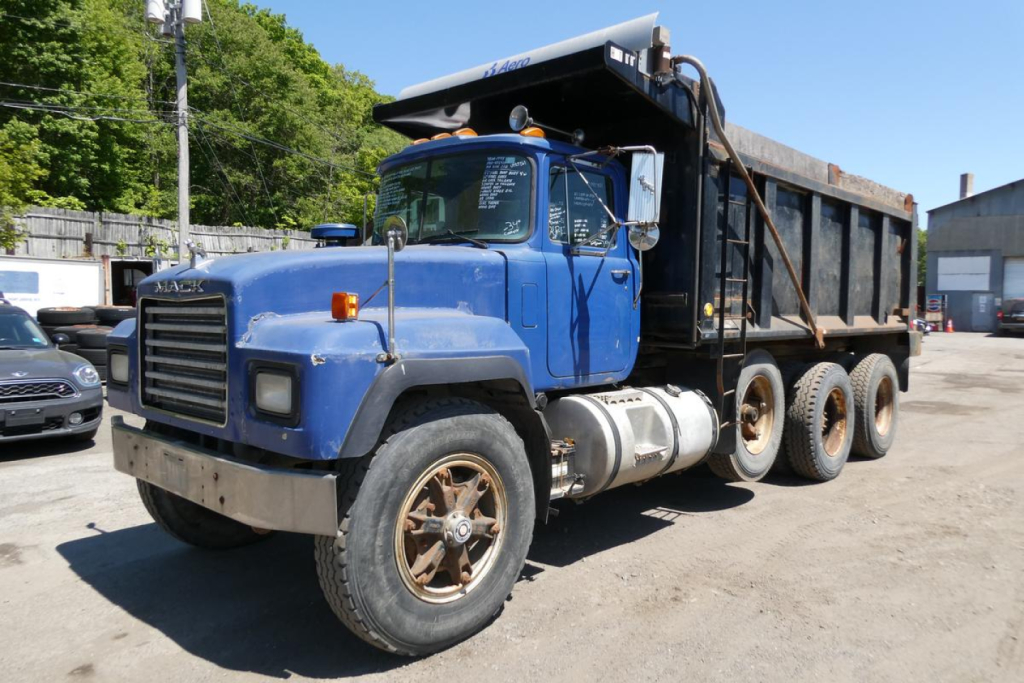
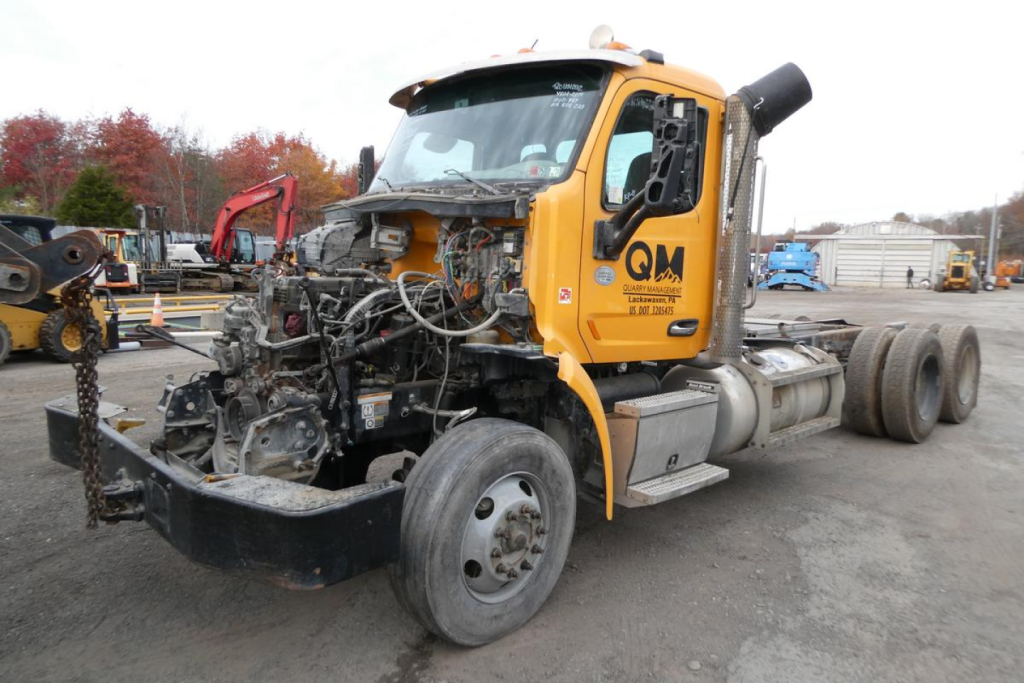
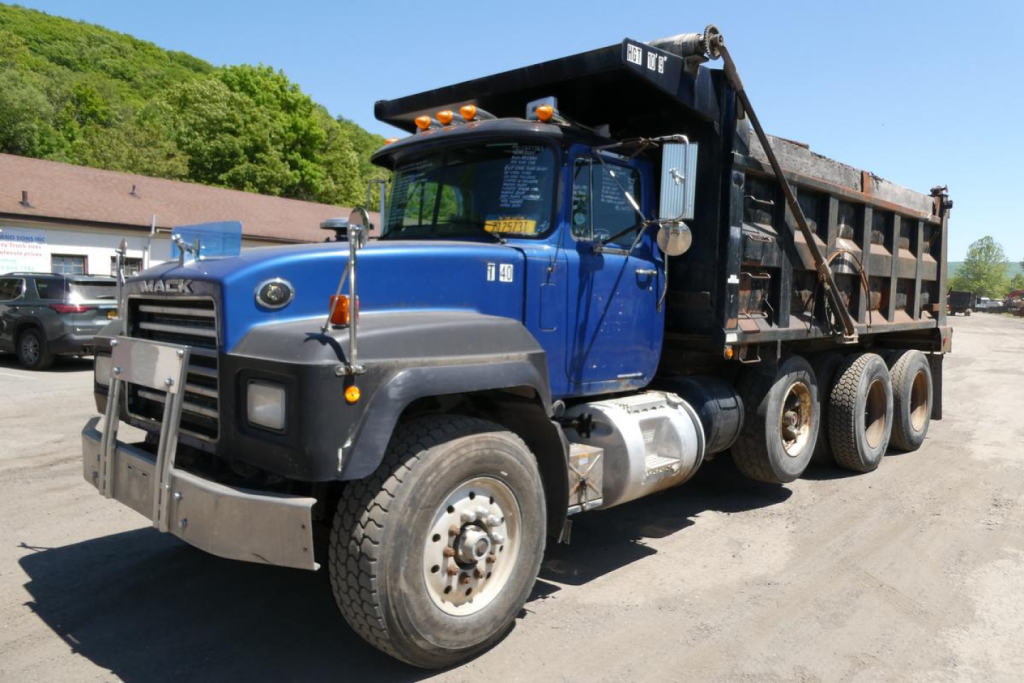
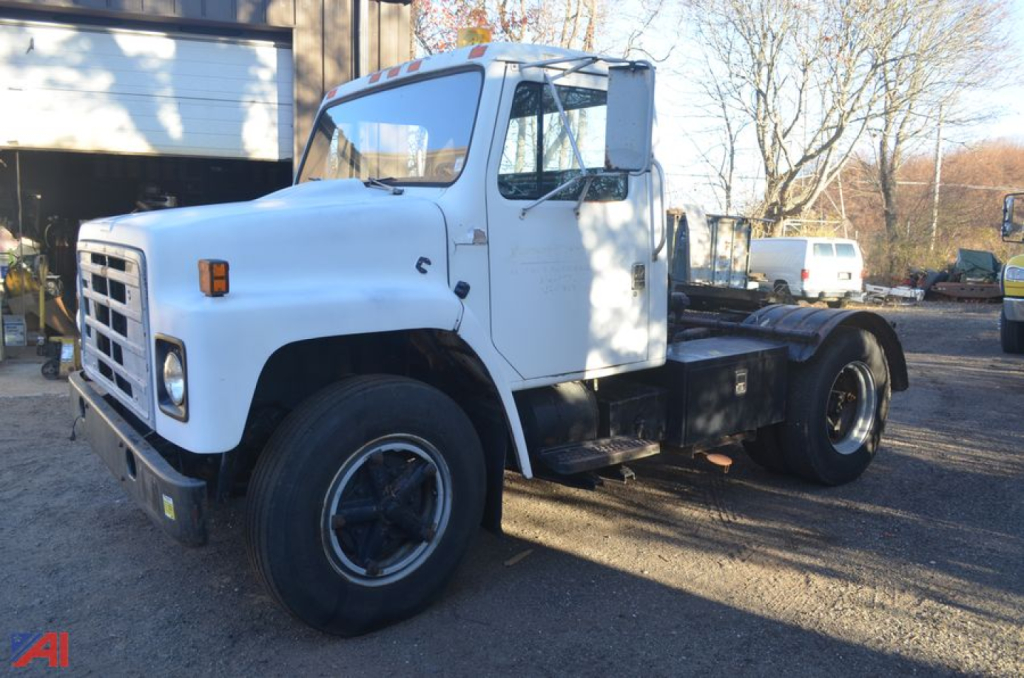
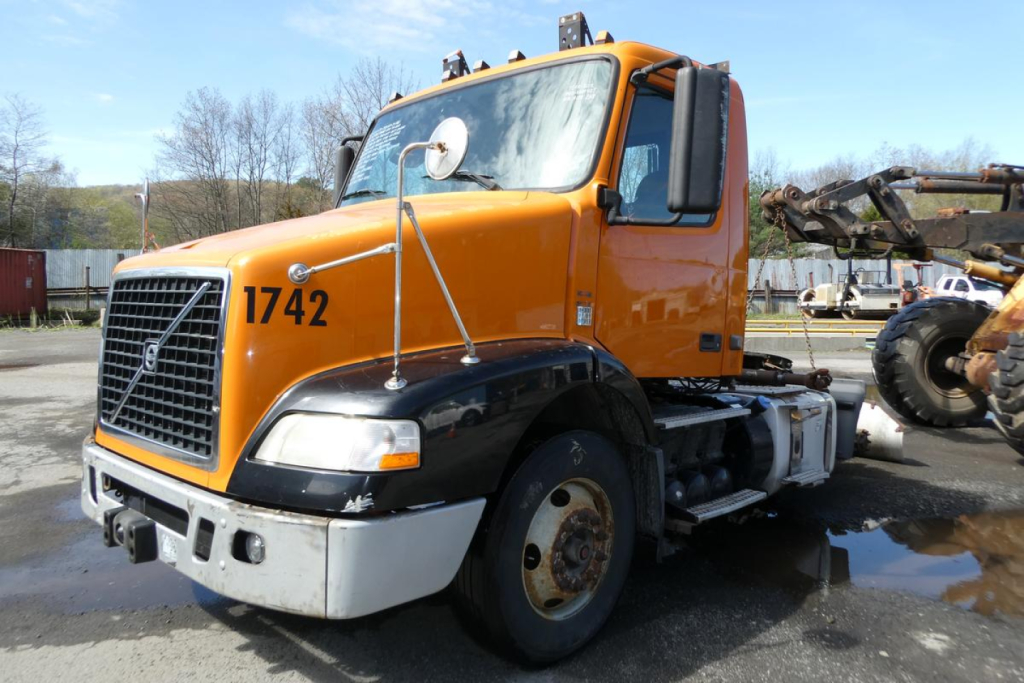
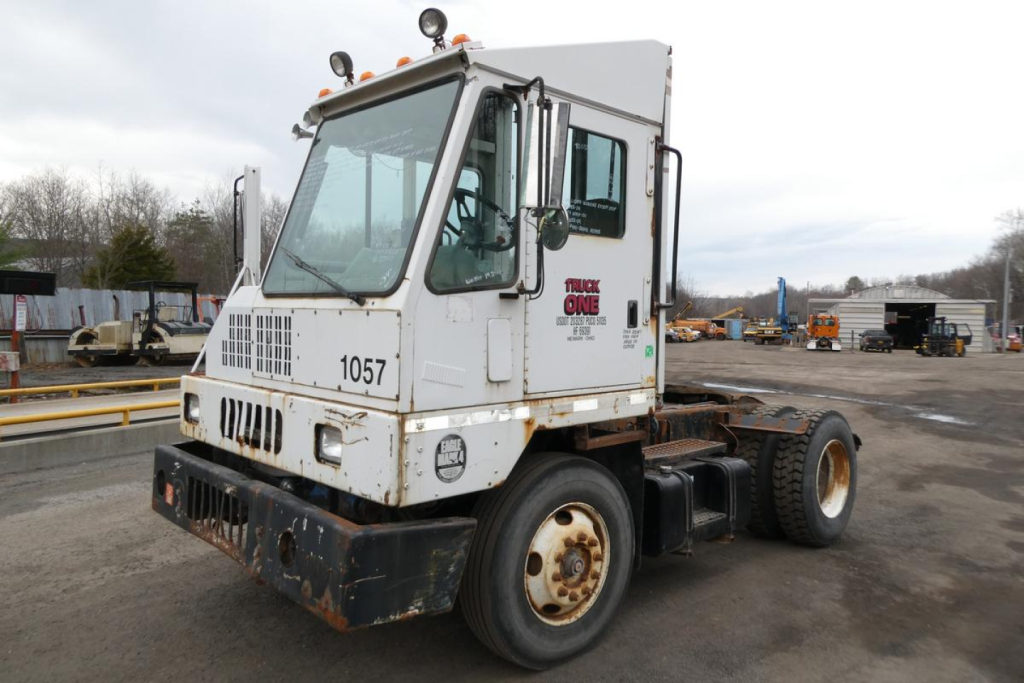
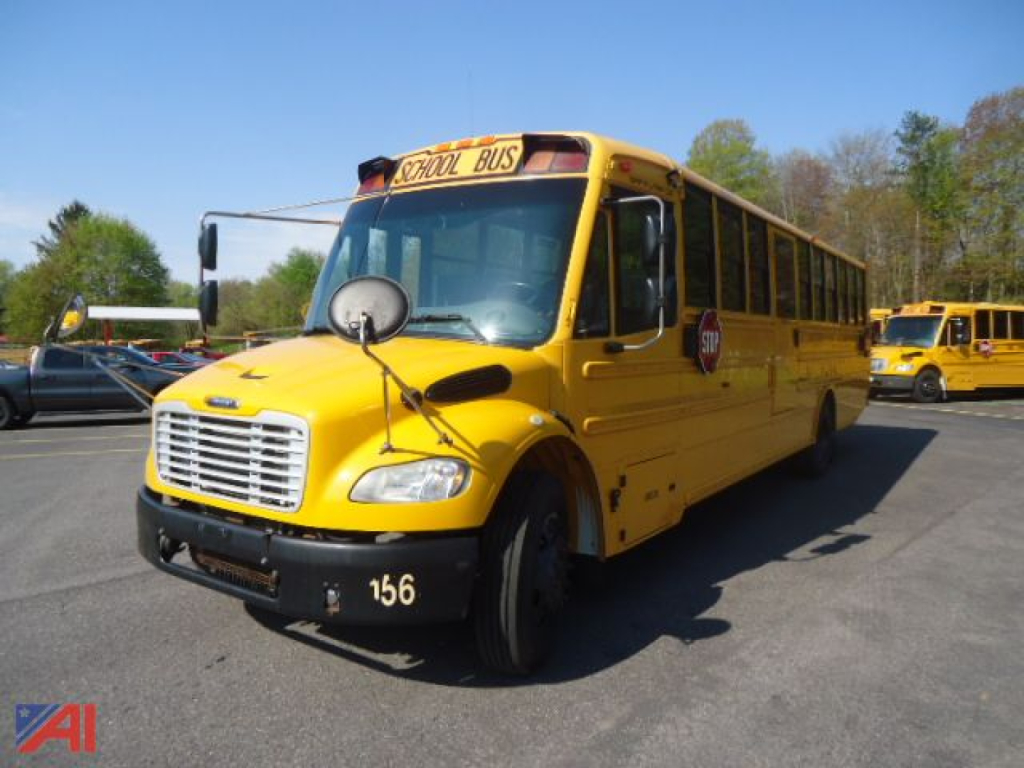
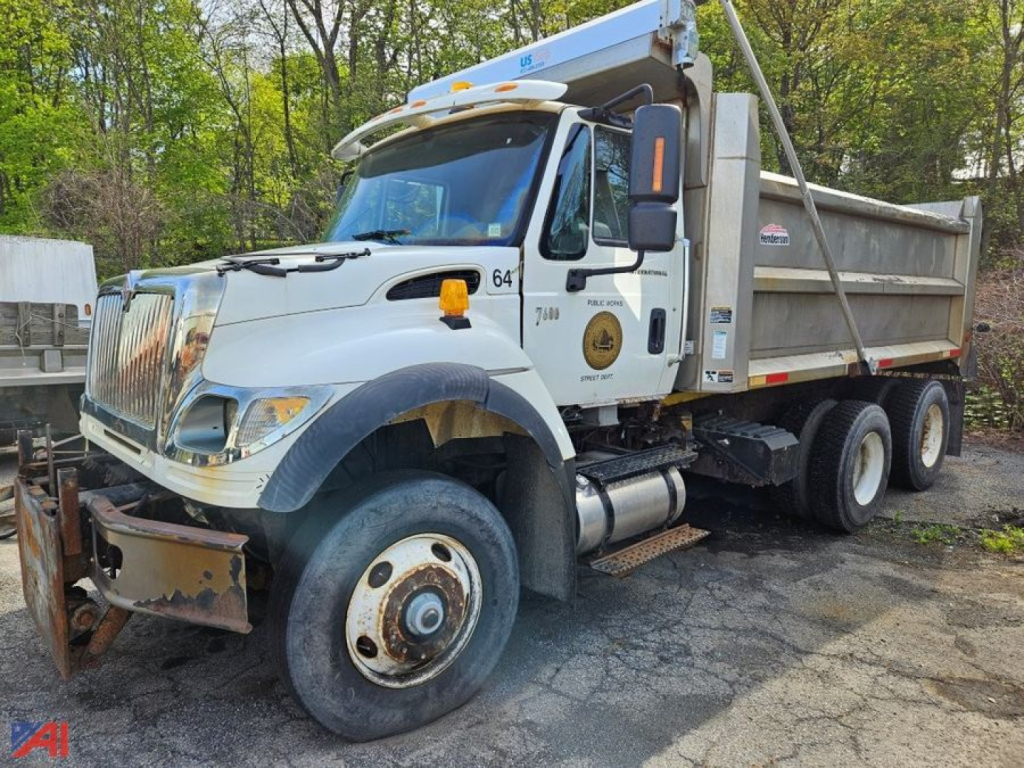
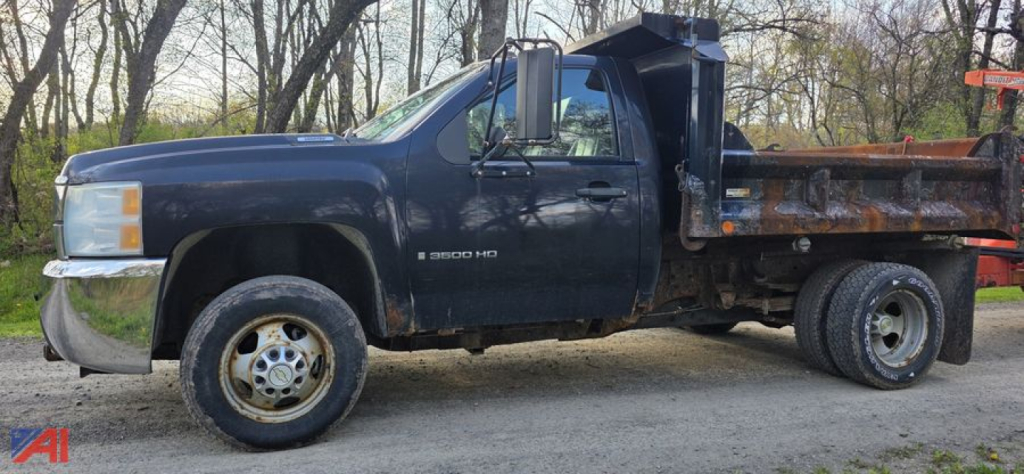
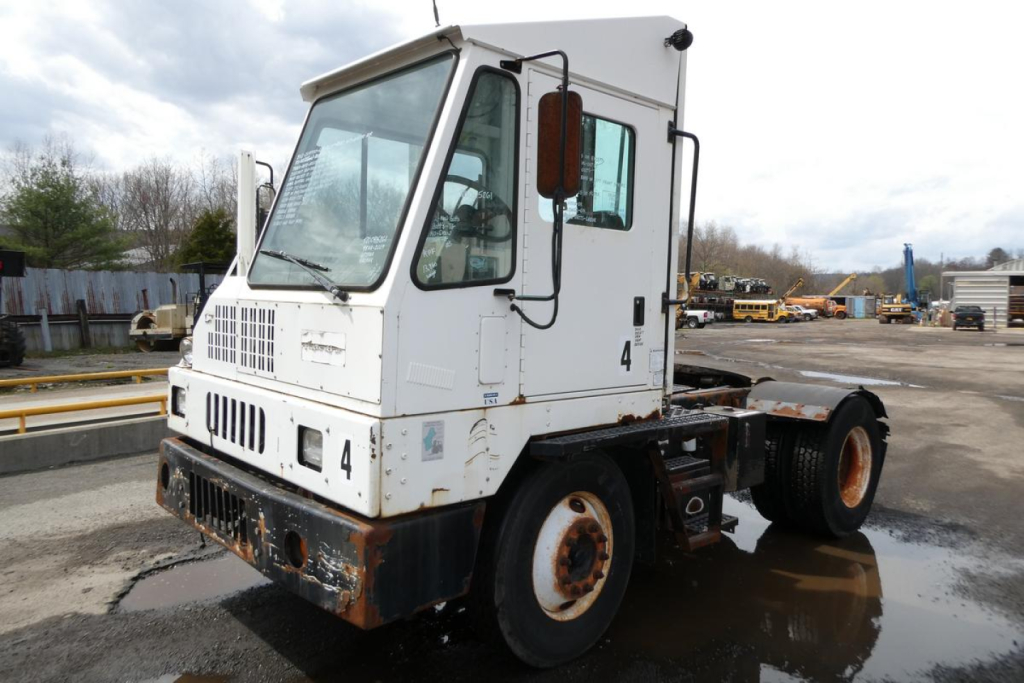
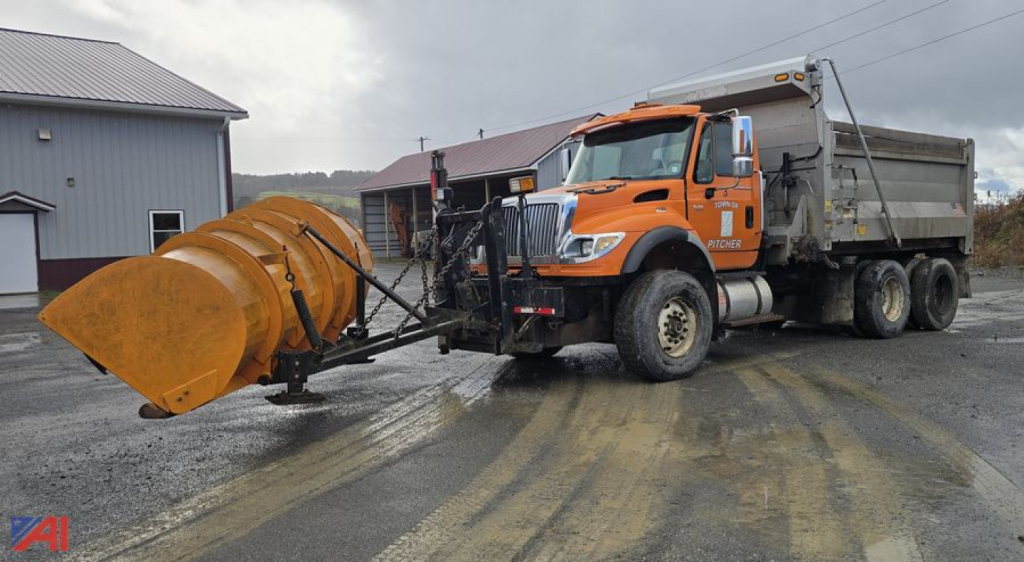
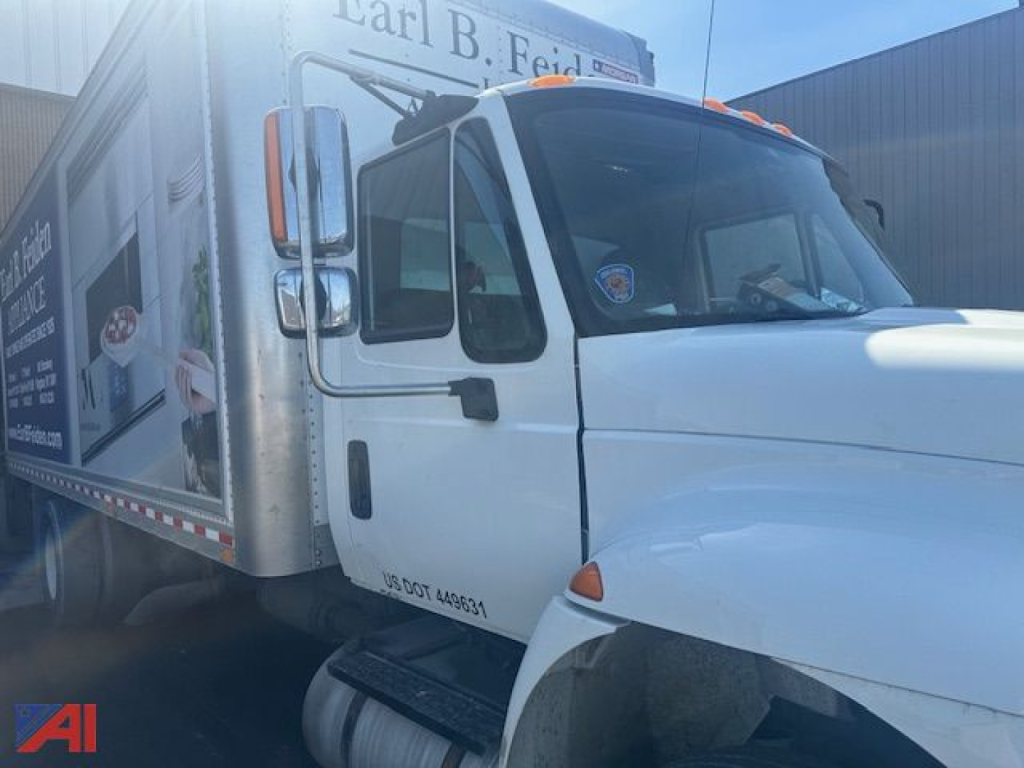
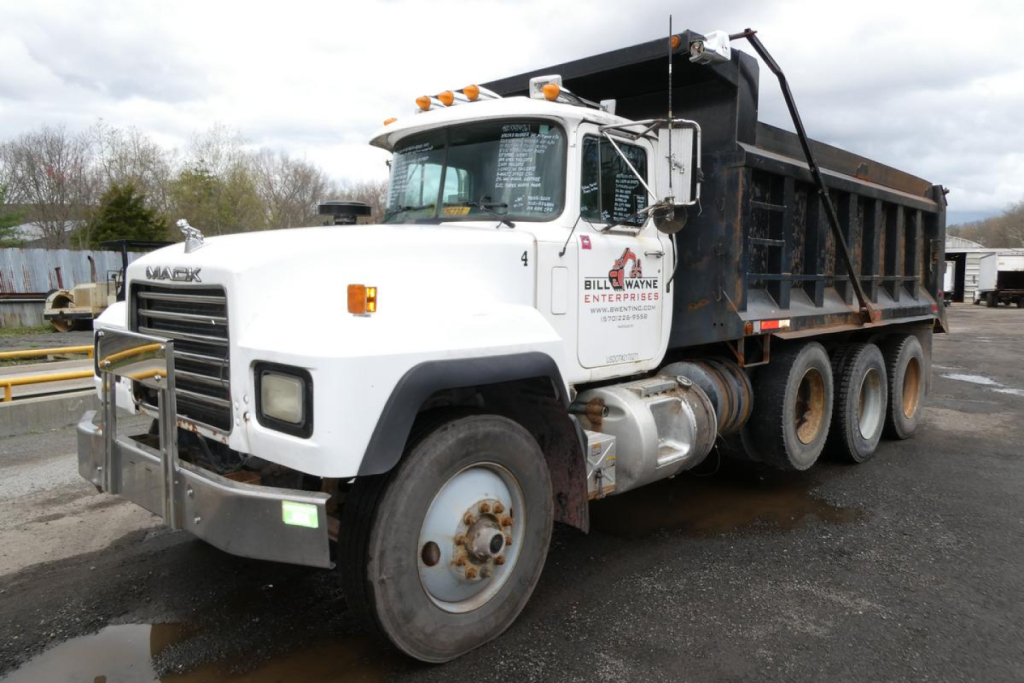
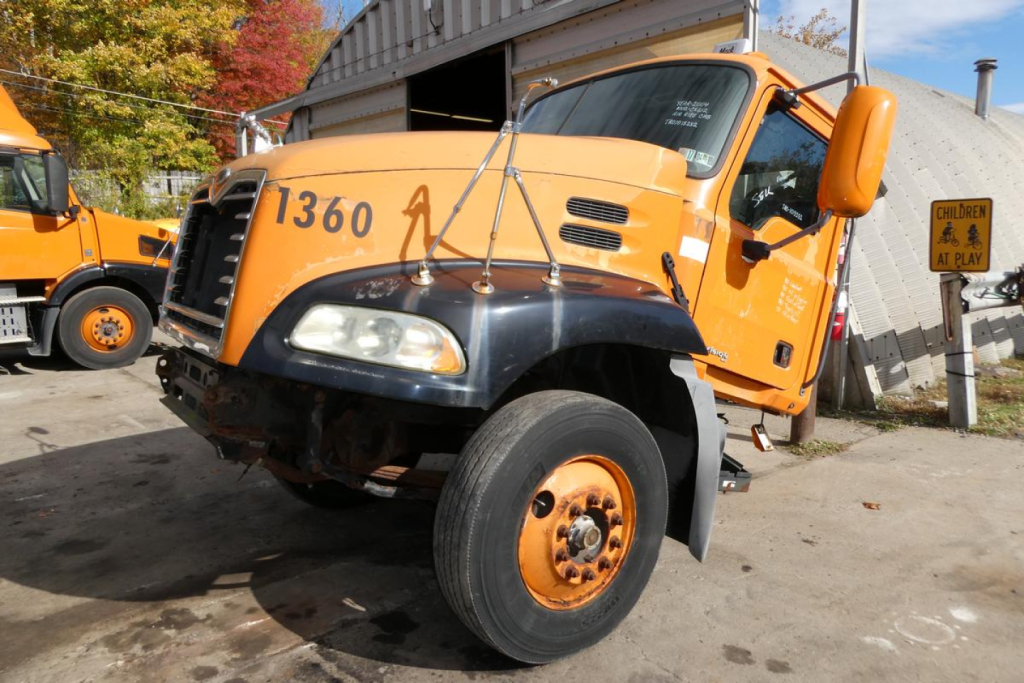
Showing 85 to 112 of 365 results
Have used commercial truck to sell? List it here to reach thousands of buyers.
Used Commercial Trucks in New York
Frequently Asked Questions about Used Commercial Trucks in New York
What floor materials and ratings should I look for on a used box or reefer truck?
Aim for laminated hardwood or aluminum plank floors with dense crossmember spacing, typically 12 inches on center for heavier use, and intact scuff liners at least 12 to 24 inches high. Check for delamination, soft spots near the rear threshold, and crushed fork entry points. If a rating is provided, a higher forklift point load rating indicates better resistance to concentrated wheel loads. For vocational bodies, thicker AR steel plates reduce denting and extend life.
How do I evaluate thermal integrity on a used refrigerated truck?
Inspect door seals, hinge alignment, and floor seams for light leaks, then run the unit from ambient to setpoint and watch pull down time and recovery after opening doors. Look for even frost patterns on the evaporator, clear drain tubes, and a bulkhead that seals. Unit hours, service records, and an intact vapor barrier are more important than model year, since insulation breakdown adds run time and fuel burn. A tight box with good seals maintains temperature with fewer cycles and protects product quality.
How does tare weight affect payload and operating costs in New York?
Lower tare weight increases legal payload within the GVWR or GCWR, which can reduce trips and limit axle group stress on bridge formula routes. Lighter specs such as aluminum wheels, smaller fuel tanks sized to route length, and single frame rails where appropriate can save hundreds of pounds, which improves fuel economy in stop and go traffic. Balance weight savings against durability needs, since aggressive duty cycles may justify heavier suspensions, full double frames, or larger brakes.
Where are the critical corrosion hot spots on trucks that have operated in the Northeast?
Focus on frame flanges near suspension hangers, crossmembers above axles, cab mounts, battery boxes, steps, and aluminum to steel interfaces where galvanic action starts. Inspect brake and fuel lines for pitting, aftertreatment clamps and piping for scaling, and electrical connectors for greened pins or brittle insulation. Undercoating, e coated frames, stainless hardware, and sealed wiring harnesses slow corrosion, but salt intrusion around drilled holes and unsealed edges still requires attention.
Which drivetrain specs work best for New York regional and urban routes?
Automated manual transmissions pair well with frequent stops and tight streets, improving clutch life and fuel economy, while modern manuals remain a good fit for vocational control. Match axle ratios to cruise speed and terrain, pair 2.47 to 2.85 with direct or overdrive top gears for highway lanes and 3.08 to 3.55 for mixed or hilly work. For winter traction, a 6x4 tandem generally outperforms 6x2. Add engine brakes, all weather tires, and tire pressure monitoring to protect braking distance and rolling resistance in cold months.