
Used Flatbed Trucks For Sale in New York
Browse used flatbed trucks for sale in New York. Compare bed lengths, GVWR, axle setups, engine options, and body specs for hauling jobs.
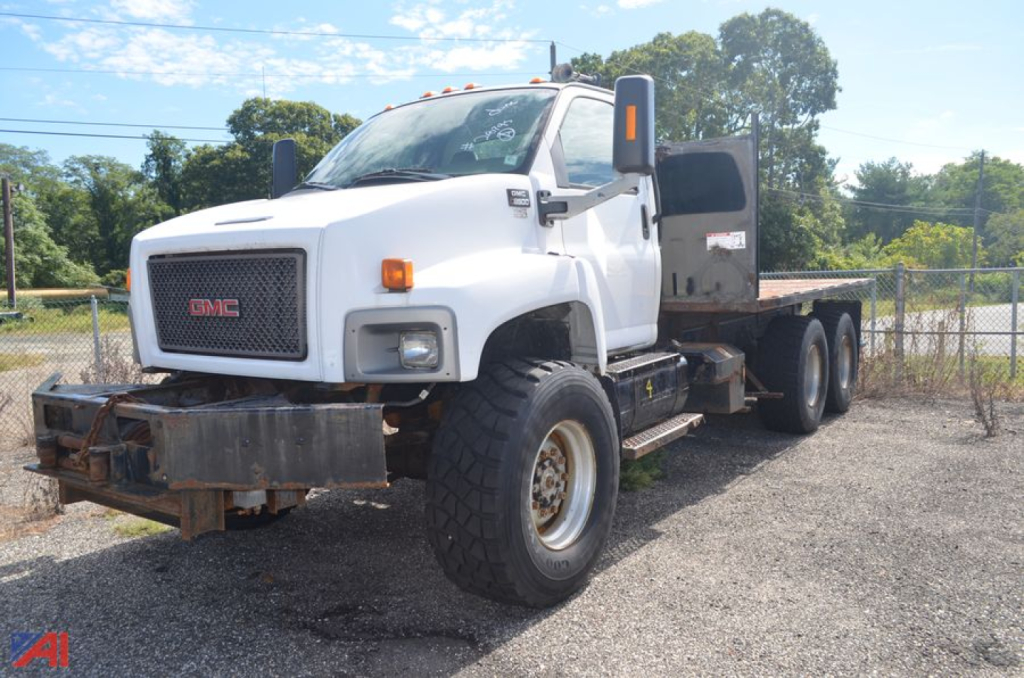
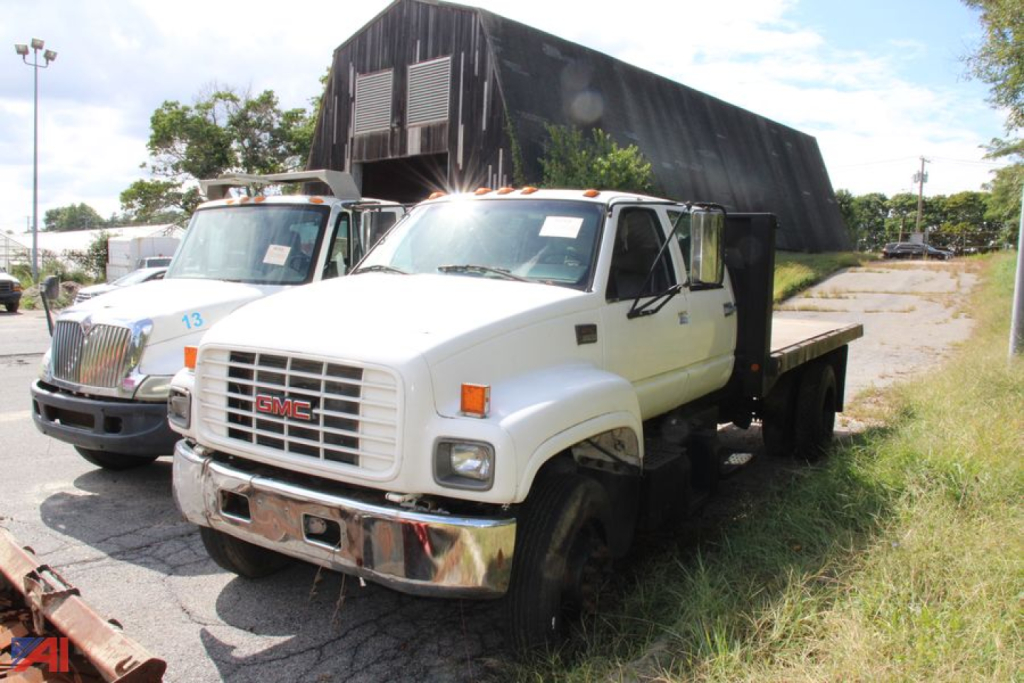
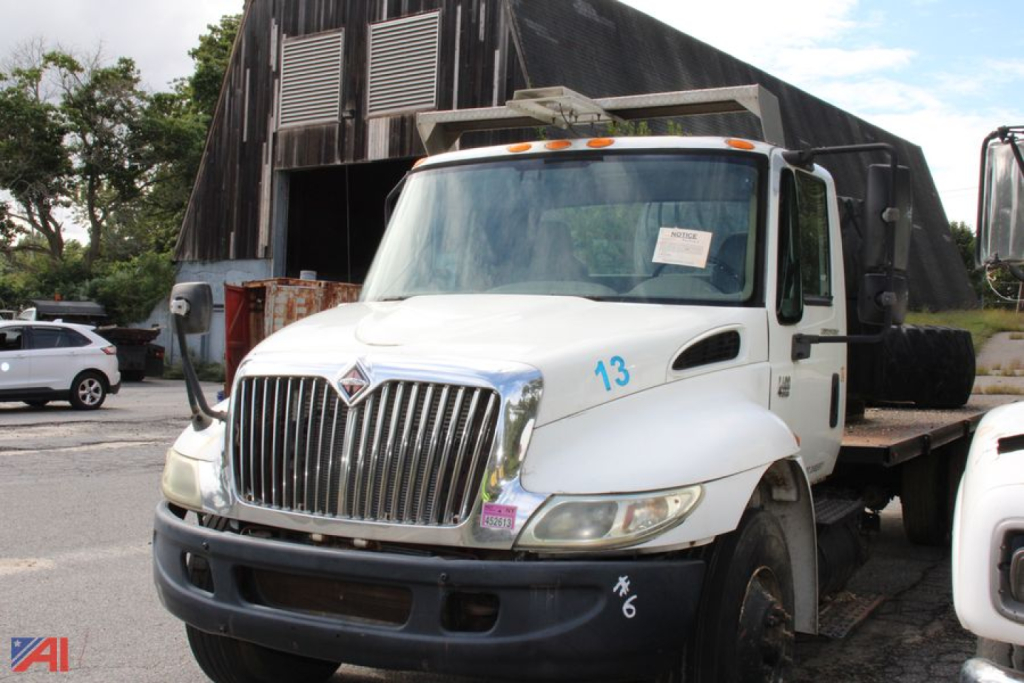
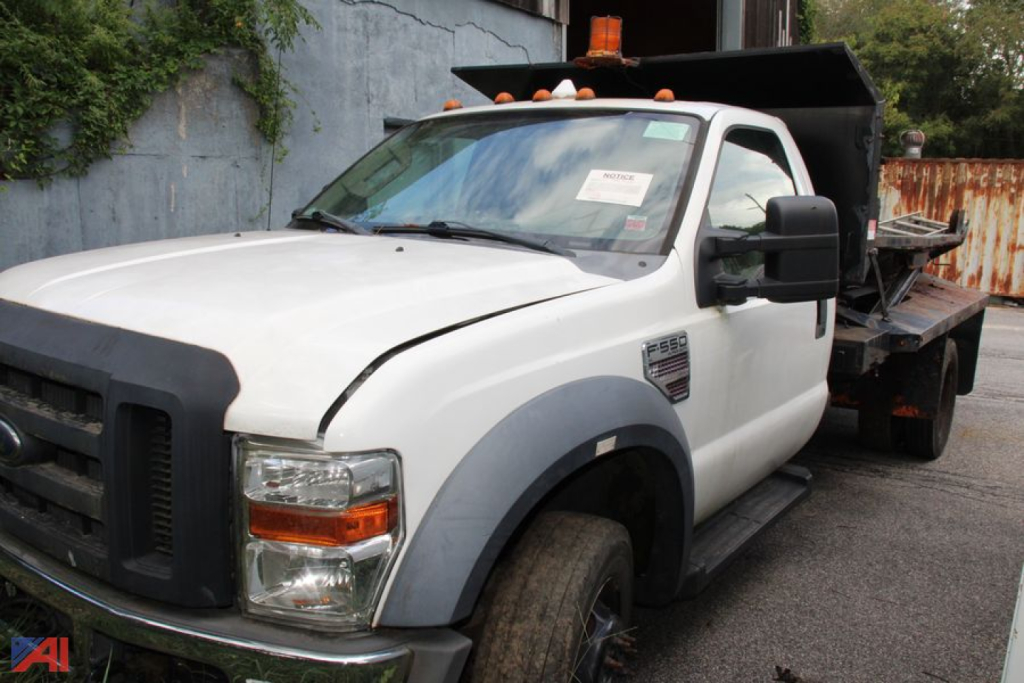
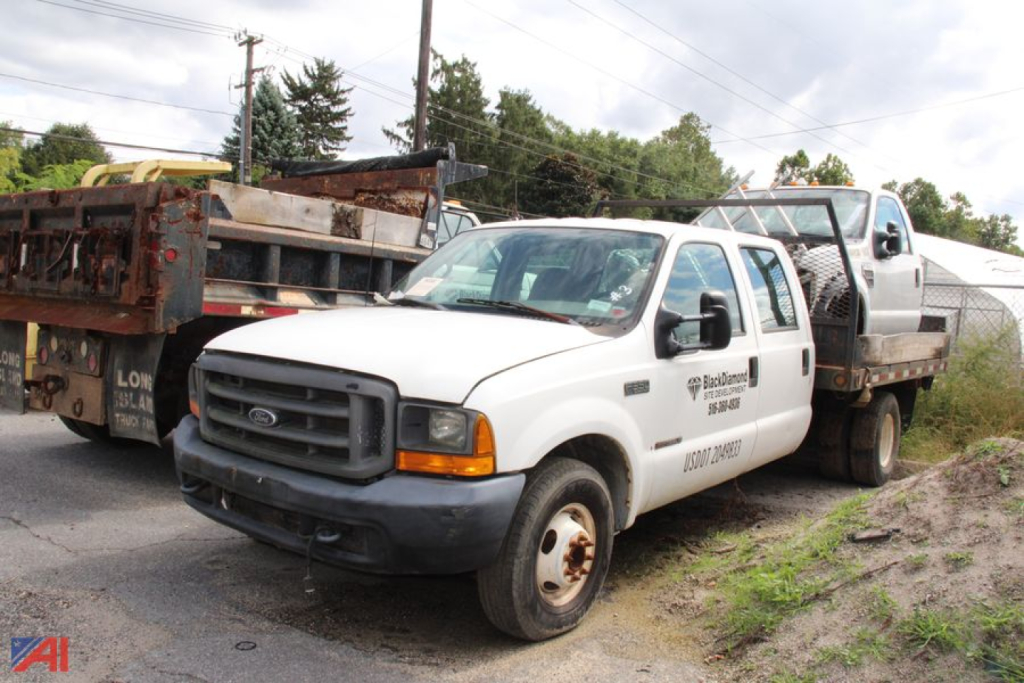
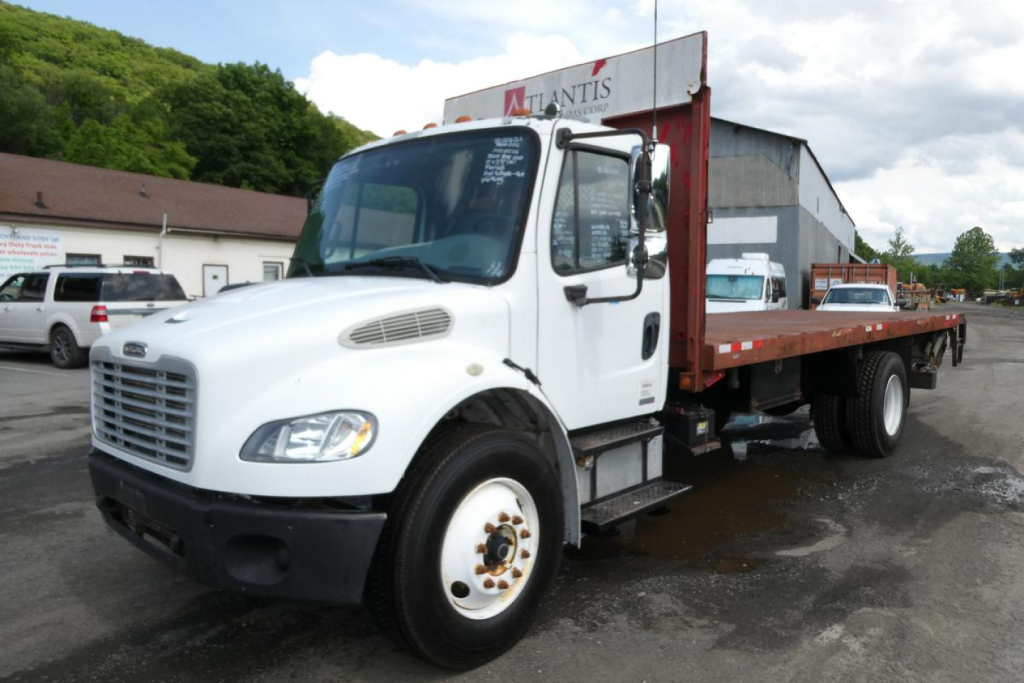
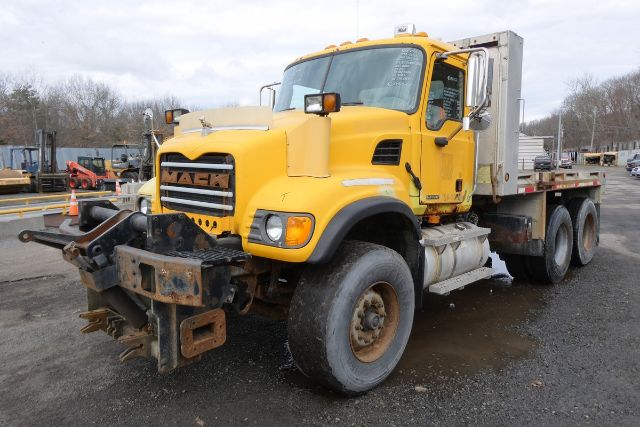
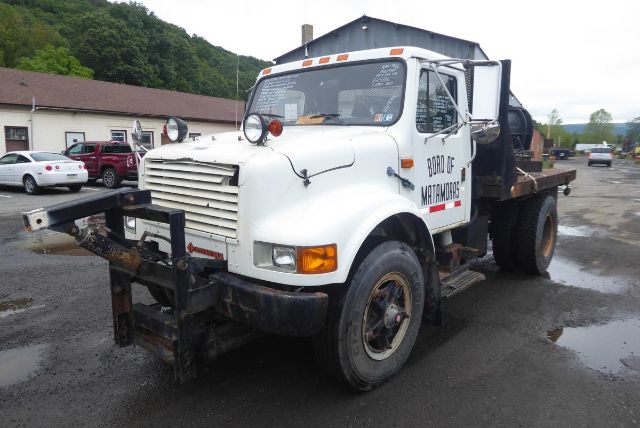
Selling a used flatbed truck? List your used flatbed truck for sale to reach thousands of commercial buyers.
Used Flatbed Trucks in New York
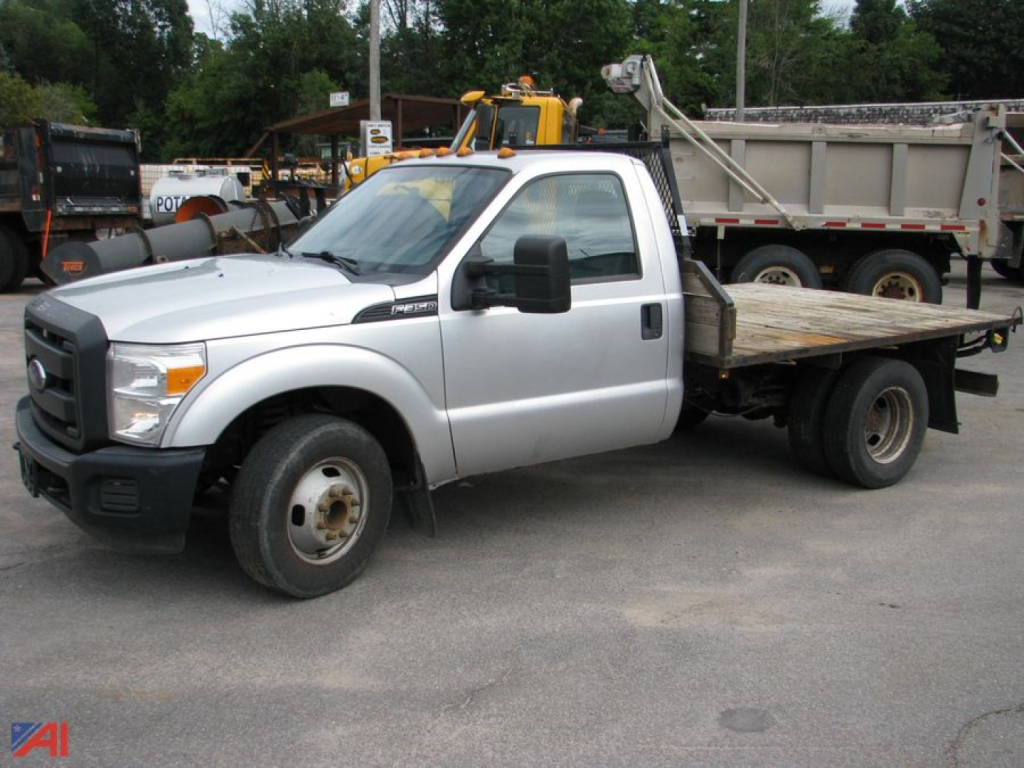
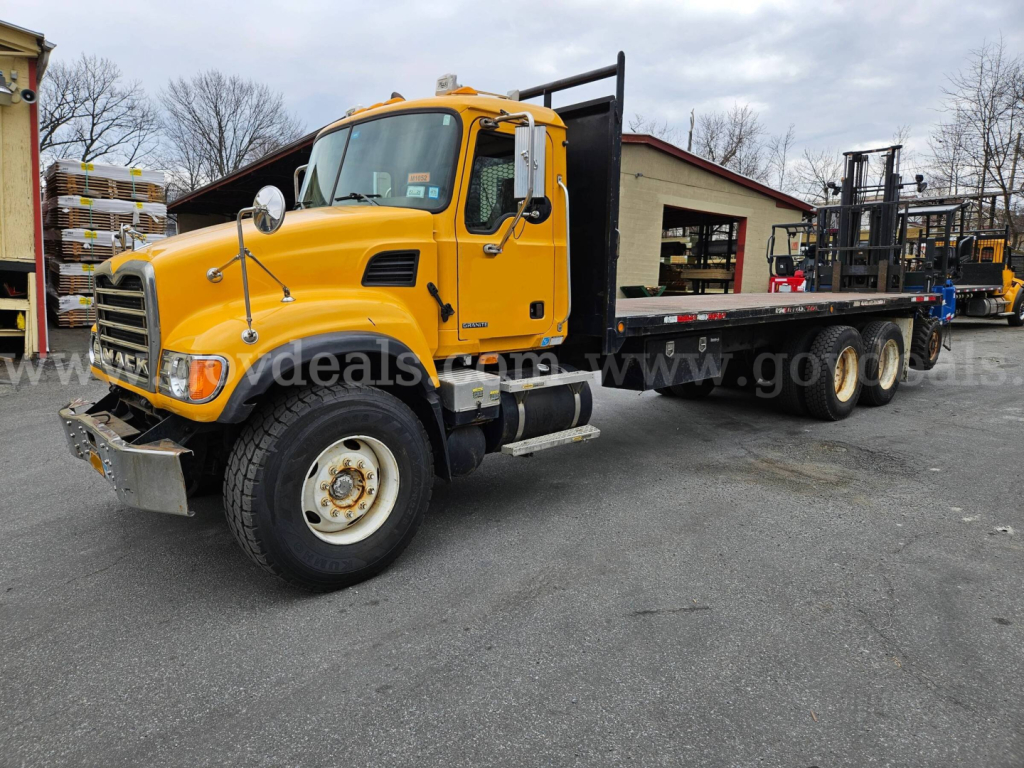
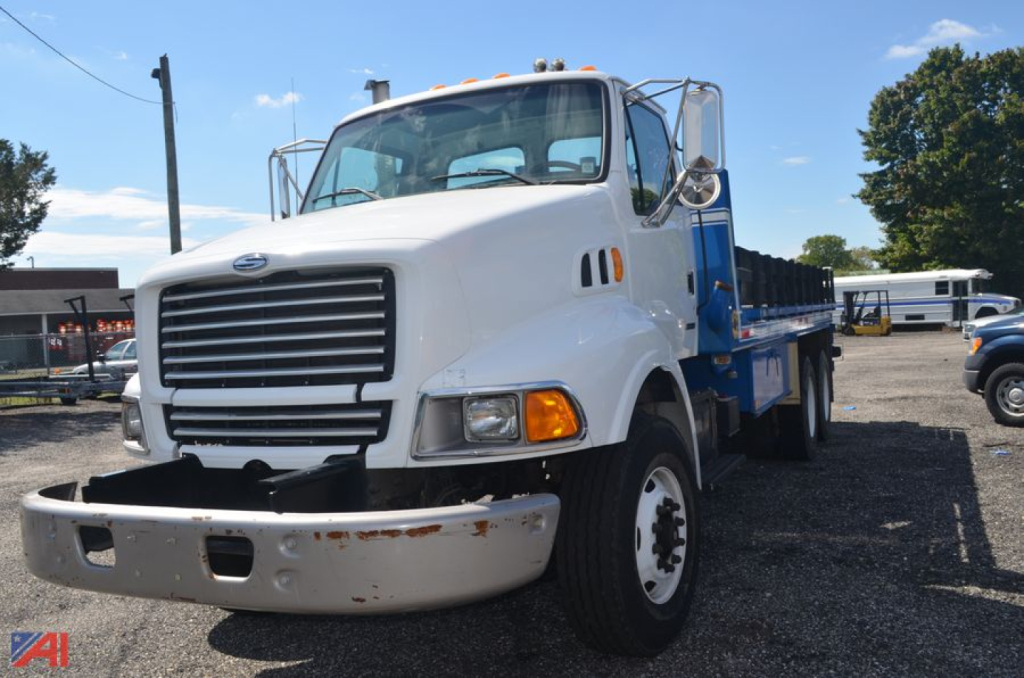
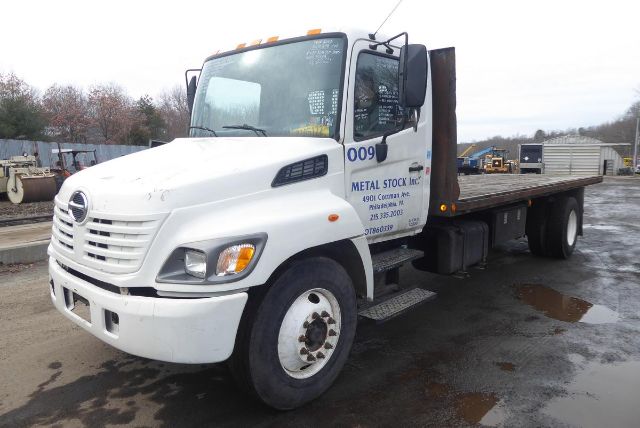
Body construction matters as much as the chassis. Common flatbed setups include steel decks for durability, aluminum bodies for lower tare weight, and wood floors when cargo needs better friction and easier replacement of deck boards. Headache racks, also called headboards, are important for protecting the cab during securement and hard braking. Many trucks in this class also carry stake pockets, rub rails, D-rings, toolboxes, ratchets, strap storage, and sometimes forklift provision at the rear. Buyers should confirm deck dimensions, cab-to-axle, and cab-to-end measurements carefully, especially if the truck may need to accept a different body later.
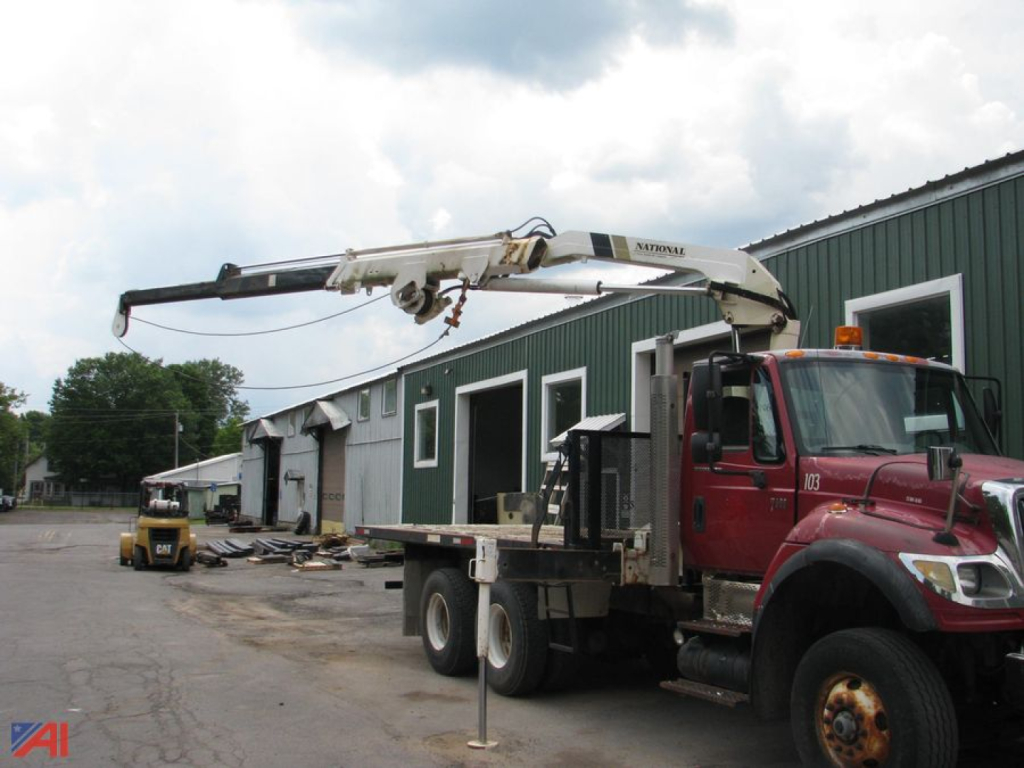
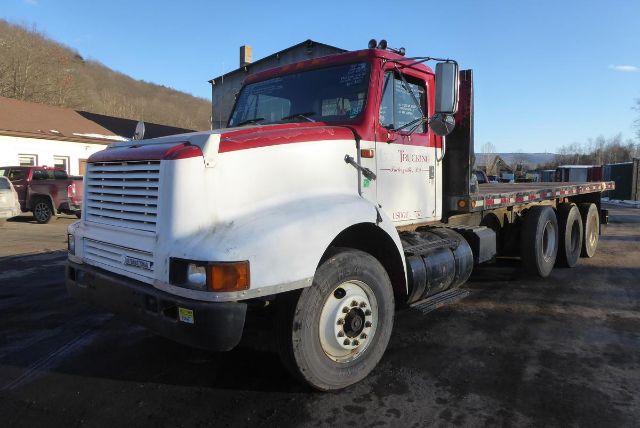
Specs vary widely across the used market. Medium-duty flatbeds often run diesel engines in the 200 to 300 hp range with 6-speed manuals or automatic transmissions, while heavier vocational trucks may have 10-speed manuals, tandem rears, lift axles, double-frame construction, and GVWR ratings well above 50,000 pounds. Suspension choice affects ride and application. Spring suspension is simple and durable for rough service, while air ride can help with ride quality and load protection. In New York, corrosion exposure is a real consideration, so buyers should inspect frame rails, crossmembers, bed mounts, brake lines, wiring, and the underside of the deck for rust, scaling, or previous repairs.
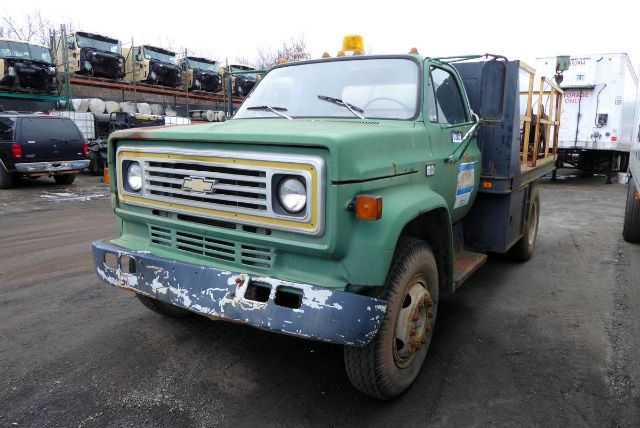
A good used flatbed truck should match the freight first and the route second. A short 11- to 14-foot bed can make sense for municipal support, landscaping, snow equipment, or compact building supply work. A 20- to 24-foot deck is more common for general delivery, building products, machinery, and palletized freight. Check axle ratings, tire size, brake type, rear ratio, and wheelbase along with practical items like pintle hooks, wet kits, PTO provisions, lift axles, and trailer towing capability. On older trucks especially, drivetrain condition, service history, and signs of overloading are usually more important than odometer alone.
Frequently Asked Questions about Used Flatbed Trucks in New York
What should I look for first when buying a used flatbed truck?
Start with bed length, GVWR, axle ratings, and frame condition. Those specs determine what the truck can legally and practically haul. After that, inspect the deck material, headboard, tie-down points, suspension type, and brake system. On used units, rust, cracked crossmembers, worn spring hangers, and evidence of frame repairs can matter more than appearance or mileage.
What bed length is best for a flatbed truck?
The right bed length depends on the cargo and delivery environment. Shorter beds around 11 to 14 feet work well for municipal work, contractor use, and tighter city access. Beds in the 20- to 24-foot range are common for palletized freight, building materials, and general regional delivery. Longer decks improve cargo flexibility but usually increase wheelbase and turning radius.
Is a steel flatbed or aluminum flatbed better on a used truck?
Steel flatbeds are typically preferred for severe-duty work because they tolerate abuse well and are easier to repair. Aluminum flatbeds reduce curb weight and can improve payload, which is attractive for delivery applications. The tradeoff is that aluminum bodies can show different wear patterns and should be checked closely for cracks, floor damage, and previous weld repairs. Wood floors are also common and can be practical when grip and replaceable deck boards are important.
Are older used flatbed trucks still a good value?
They can be, especially in vocational service where simple drivetrains and mechanical components are easier to maintain. The value depends on condition, not just age. Buyers should pay close attention to engine health, transmission operation, brake type, steering play, electrical condition, and corrosion. An older flatbed with a solid frame, usable deck, and documented maintenance can be more dependable than a newer truck with structural rust or neglected repairs.
What matters most for buying a flatbed truck in New York?
Rust and application fit are the big two. New York road salt can accelerate corrosion on frames, brake components, wiring, and body mounts, so underside inspection is critical. Buyers should also consider the truck's wheelbase, overall length, and axle setup for city streets, jobsite entrances, bridge routes, and seasonal use. If the truck will tow equipment or handle snow and utility work, features like a pintle hook, PTO, hydraulics, or a lift axle may be important.