
Used GMC Commercial Trucks For Sale in New York
Used GMC trucks for sale in New York. Compare Sierra HD, Savana and TopKick specs, payload, floor strength, tare weight and corrosion factors.

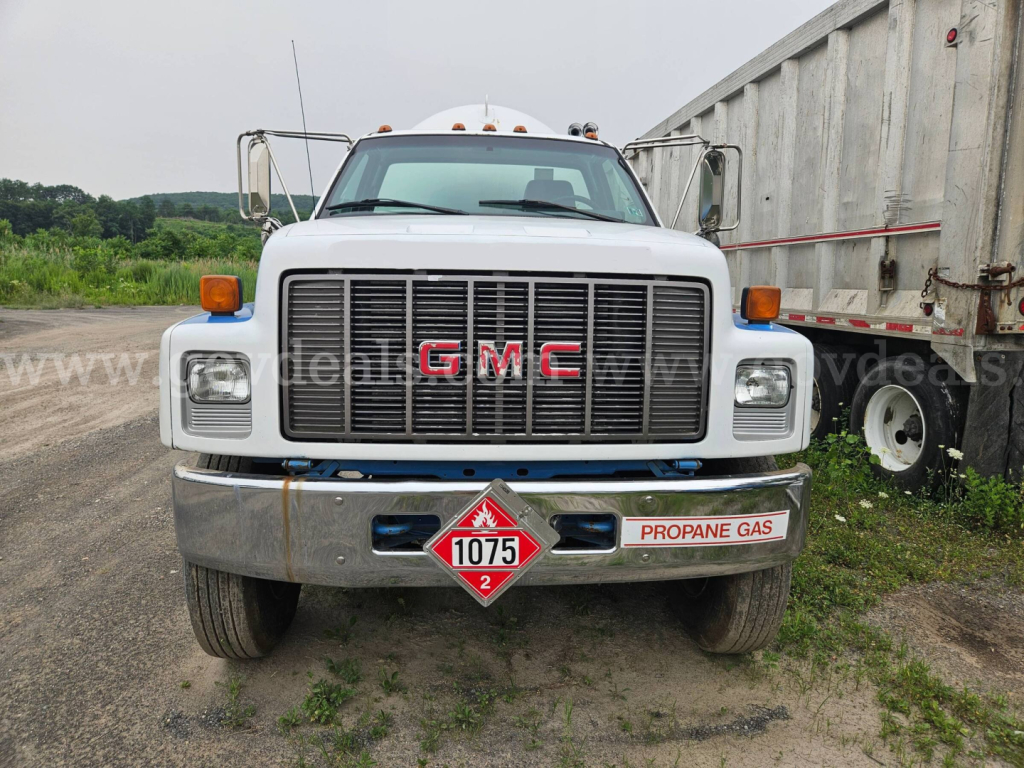
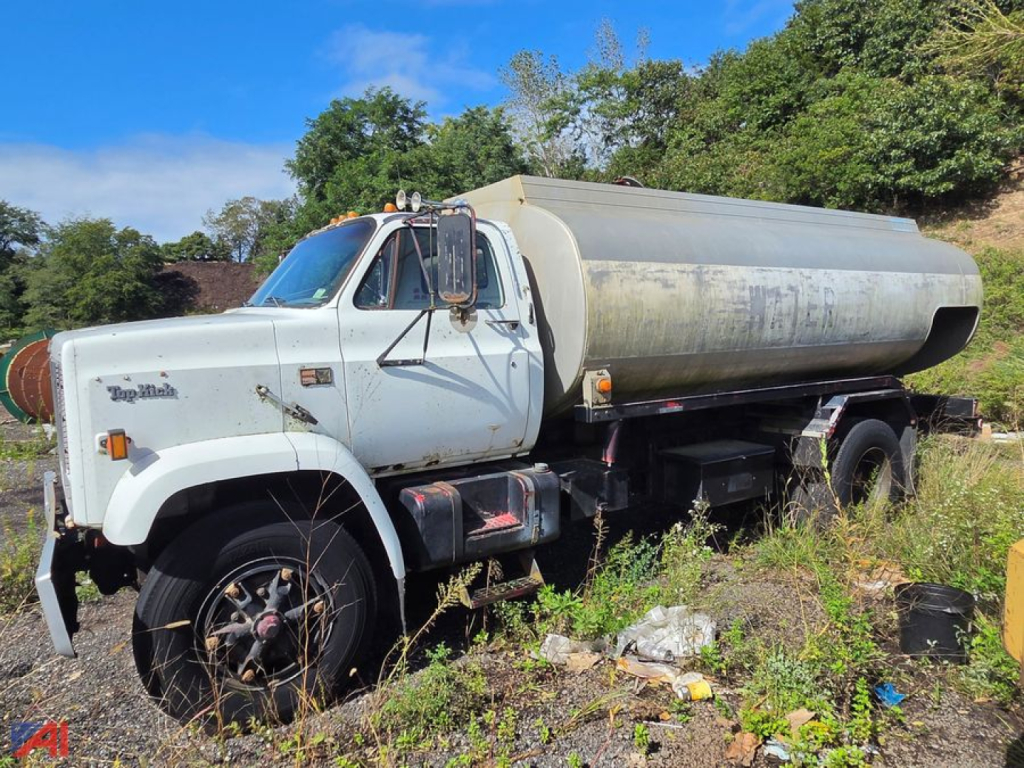
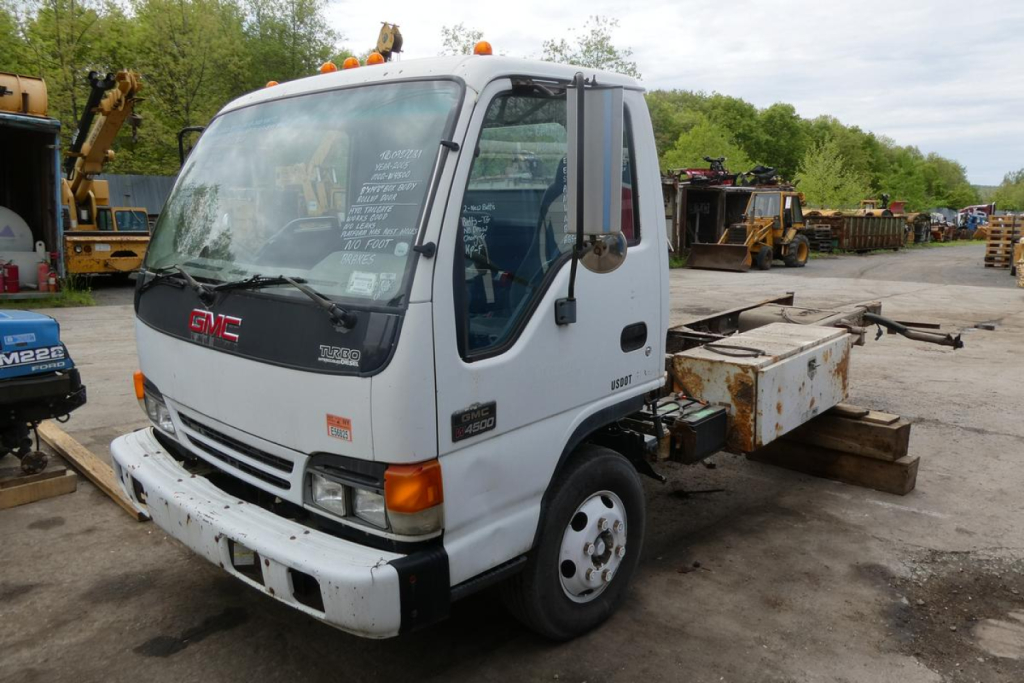
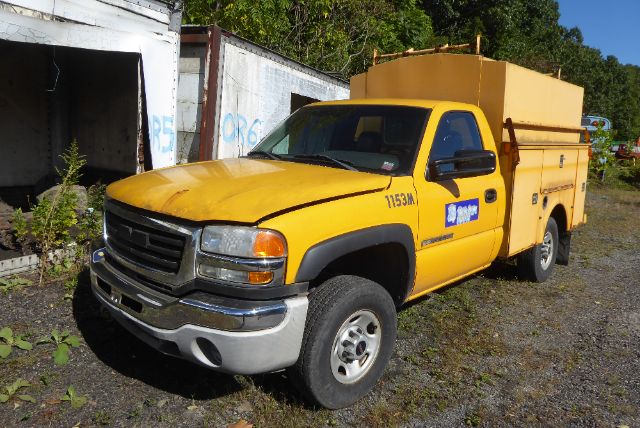
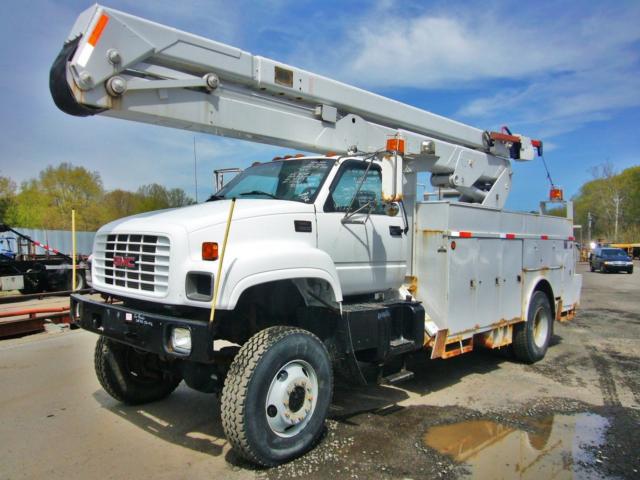
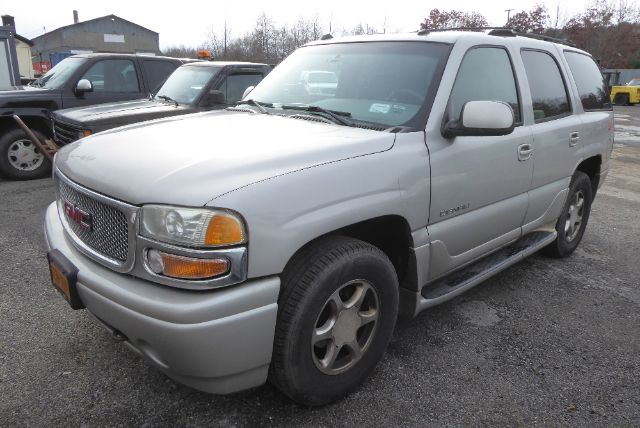
Selling a used gmc commercial truck? List your used gmc commercial truck for sale and reach thousands of commercial buyers.
Used GMC Commercial Trucks in New York
Body and floor construction drive durability and payload. For van and reefer bodies, inspect crossmember spacing, 12 inch centers are common, 8 or 10 inch centers improve point load capacity. Laminated hardwood or composite floors handle repeated pallet jack and forklift entries better than thin extruded aluminum, aluminum saves weight but needs proper threshold plates and scuff protection. Look for e track or logistic posts, full height scuff liners, and rear threshold wear. Forklift floor ratings, often 3,000 to 4,000 pounds, matter if you dock load. For dumps and flatbeds, check deck thickness, stake pockets, rub rails, and hoist capacity relative to axle ratings.
Thermal integrity matters on GMC reefer trucks operating year round in New York. Verify insulation thickness and foam continuity, door seal condition, and absence of wet insulation. Inspect reefer unit brand, Thermo King or Carrier, service records, engine hours, and standby option if you dock overnight. A tight box with good scuff liners and properly adjusted rear doors maintains temperature with fewer compressor cycles, which lowers fuel burn and wear. Aluminum sidewalls and roof skins reduce tare weight, steel understructure and stainless rear frames improve life at the dock, balance those choices by payload needs.
Corrosion resistance is a priority in New York. Check frames for scale and pitting near spring hangers and behind fuel tanks, brake and fuel lines for rust, DEF tank hardware for crystallization, and wiring harness connectors for green corrosion. On Sierra HD cabs, inspect cab corners, rocker panels, door bottoms, and bed cross sills, on van bodies, inspect rear door tracks and sill channels. Factory waxed or e coated frames, aluminum or galvanized crossmembers, and stainless fasteners extend service life. Confirm aftertreatment health on diesels, DPF ash load, recent regen history, NOx sensor status, and that all OBD readiness monitors are set. Tare weight should be verified on a scale, payload is GVWR minus actual curb weight with body and fuel, a lighter body can add 500 to 900 pounds of payload on a 16 to 18 foot unit, which is meaningful on non CDL 25,999 pound builds.
Frequently Asked Questions about Used GMC Commercial Trucks in New York
How do GMC gas and diesel powertrains compare for New York urban delivery routes?
Diesel Duramax engines with Allison automatics provide higher torque at low rpm, strong engine braking, and better efficiency under heavy loads or hilly routes, but they add tare weight and require DPF and SCR maintenance. Gas V8 options are lighter, often lower initial cost, and avoid diesel aftertreatment issues in stop and go service with frequent idle, though they will consume more fuel at high gross weights. For short urban routes below 18,000 pounds actual weight, gas can be cost effective and simpler to maintain. For frequent 20,000 pound plus operation or long grades, diesel retains an advantage.
What should I inspect to verify floor strength on a used GMC box or reefer truck?
Measure crossmember spacing and look for 8 to 12 inch centers, check the floor material type, laminated hardwood or composite panels typically handle dock plates and pallet jacks better than thin aluminum, and confirm a published forklift rating if you load by forklift. Inspect the rear threshold for deformation, fasteners for pull through, and scuff liners for damage. Inside, check e track or logistic posts for integrity. From below, look for cracked or sagging crossmembers and corrosion near the tail, where road spray is most severe.
How much payload can I gain by choosing aluminum over steel in the body and understructure?
On a 16 to 18 foot van body, an aluminum body with galvanized or aluminum crossmembers can cut 500 to 900 pounds compared with an all steel build, depending on floor and rear frame choices. Payload equals GVWR minus actual scaled weight with body, fuel, and driver, so a lighter body directly increases legal payload. Balance weight savings with durability needs, high dock frequency and forklift entries favor heavier floors and reinforced rear frames, regional parcel work benefits from lighter walls and roof.
What corrosion hotspots are common on GMC trucks used in New York, and how can I mitigate them?
Focus on frame rails behind the steer axle and near rear spring hangers, brake and fuel hard lines along the frame, DEF tank brackets on diesels, electrical grounds, and the rear door threshold on box bodies. On pickups and cab chassis cabs, inspect cab corners, rocker panels, bed cross sills, and body mounts. Mitigation includes thorough undercarriage washing, application of cavity wax or oil based rust inhibitors, replacement of steel brake lines with nickel copper lines where appropriate, and use of stainless hardware at the rear frame and bumper. Address paint chips early and keep drain holes clear.
How can I confirm emissions and inspection readiness on a late model GMC diesel before purchase?
Connect a scan tool to verify that all OBD readiness monitors are complete, check for active or pending codes, and review freeze frame data. Inspect DPF differential pressure and calculated ash load, NOx sensor status, DEF quality readings, and the miles since last regeneration. Visually inspect for exhaust leaks and crystallized DEF around the injector and lines. Review service records for DPF cleaning or replacement intervals and any SCR related repairs. A short drive cycle that includes steady highway speed should complete monitors and confirm that the aftertreatment system is functioning correctly.