
Used Yard Trucks For Sale in New York
Browse used yard trucks for terminal, warehouse, and trailer spotting work. Compare Ottawa and Kalmar switchers, specs, hydraulics, and drivetrain setup.
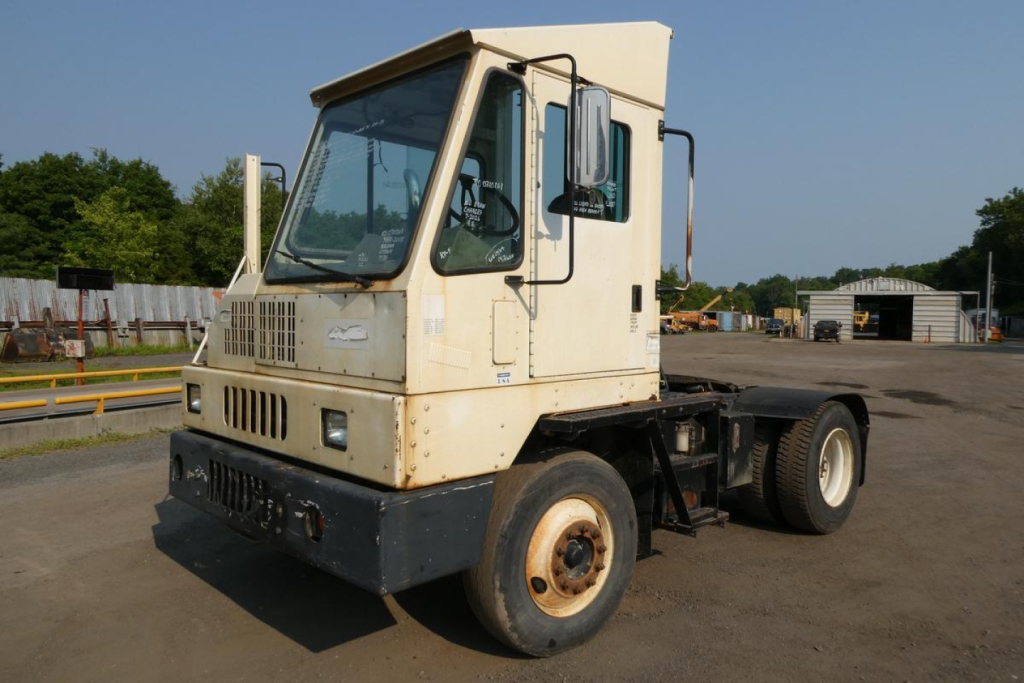
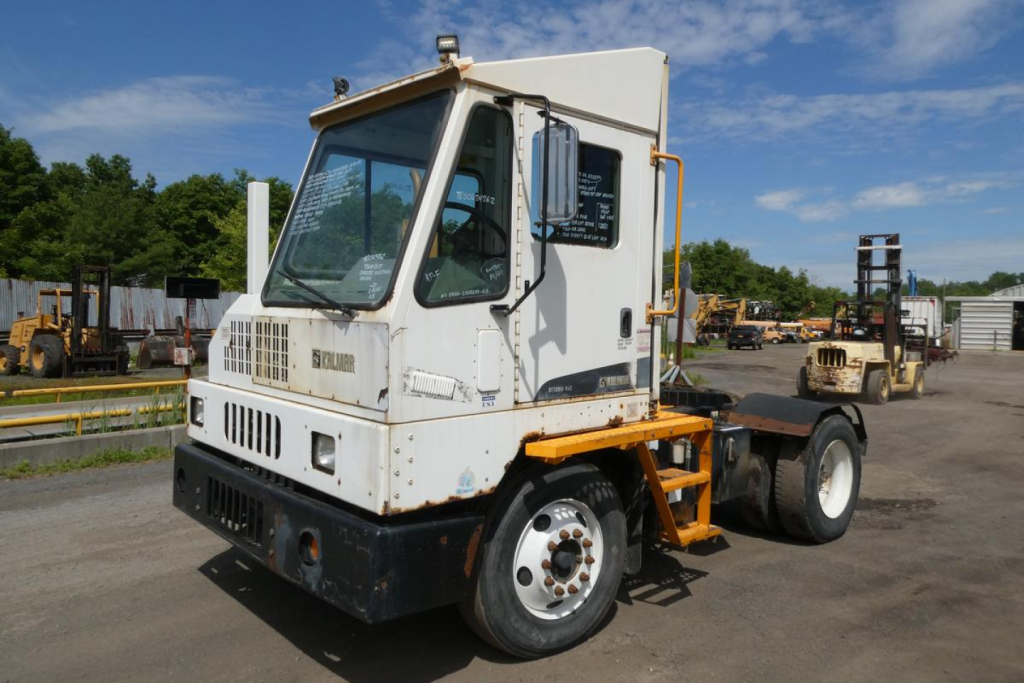
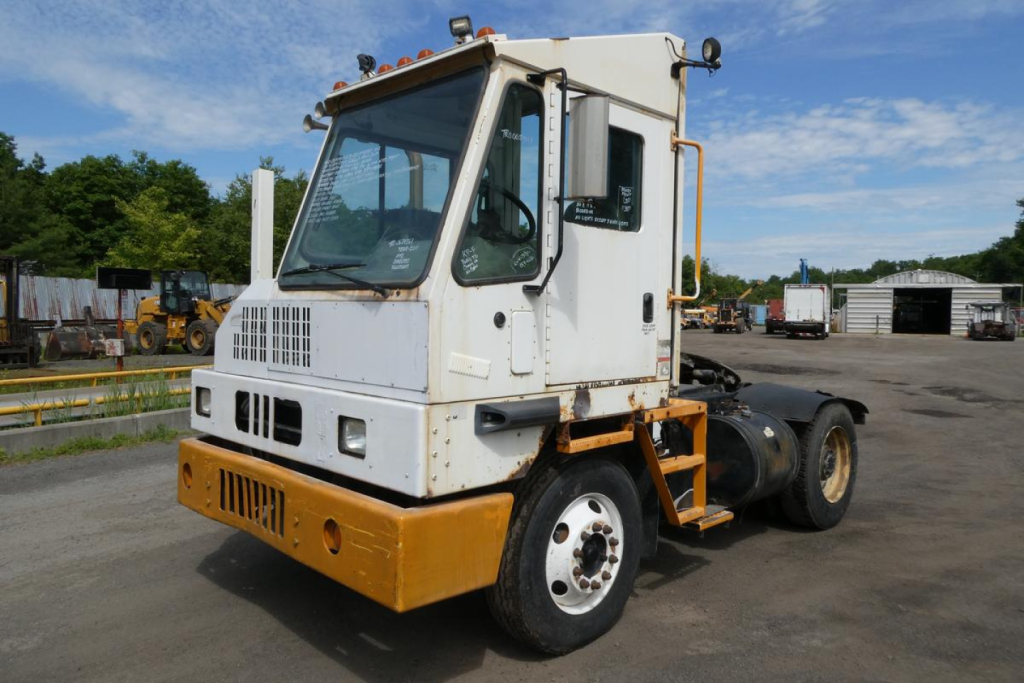
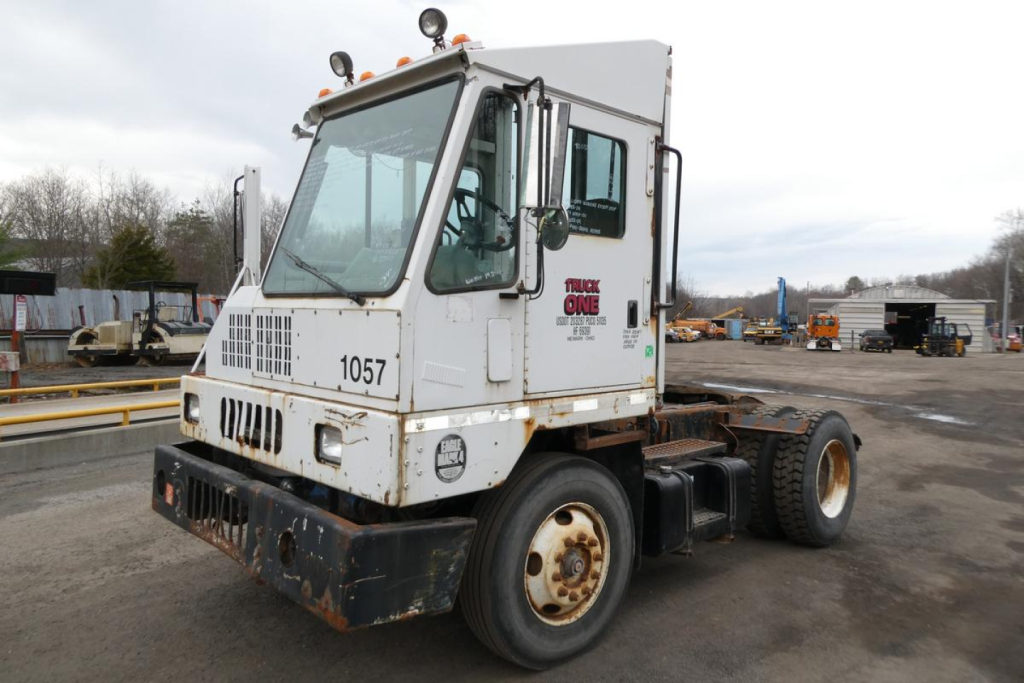
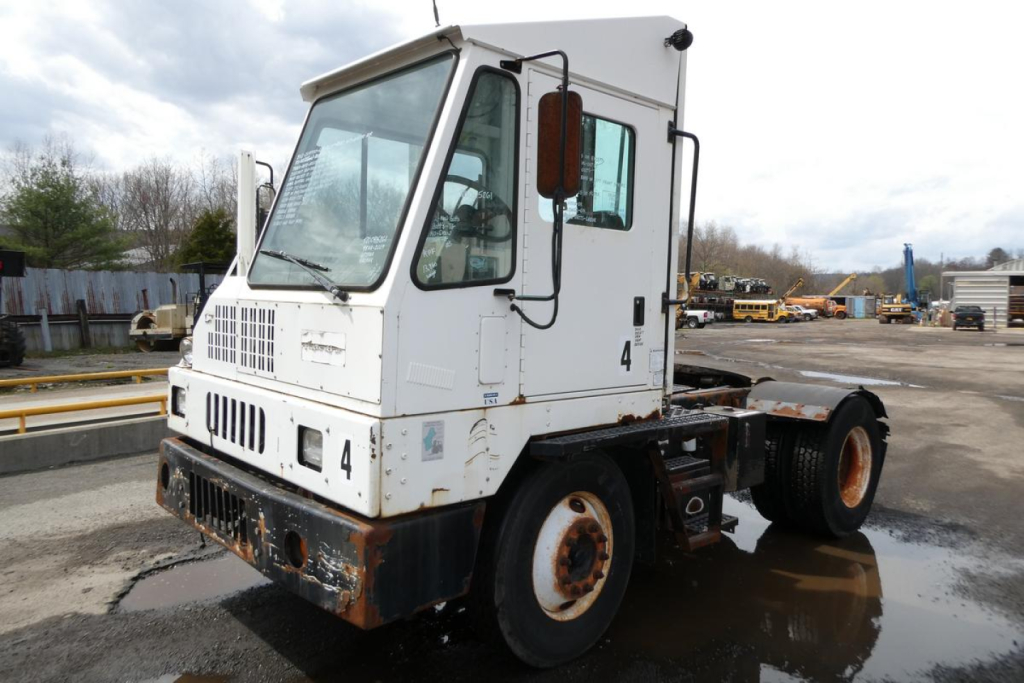
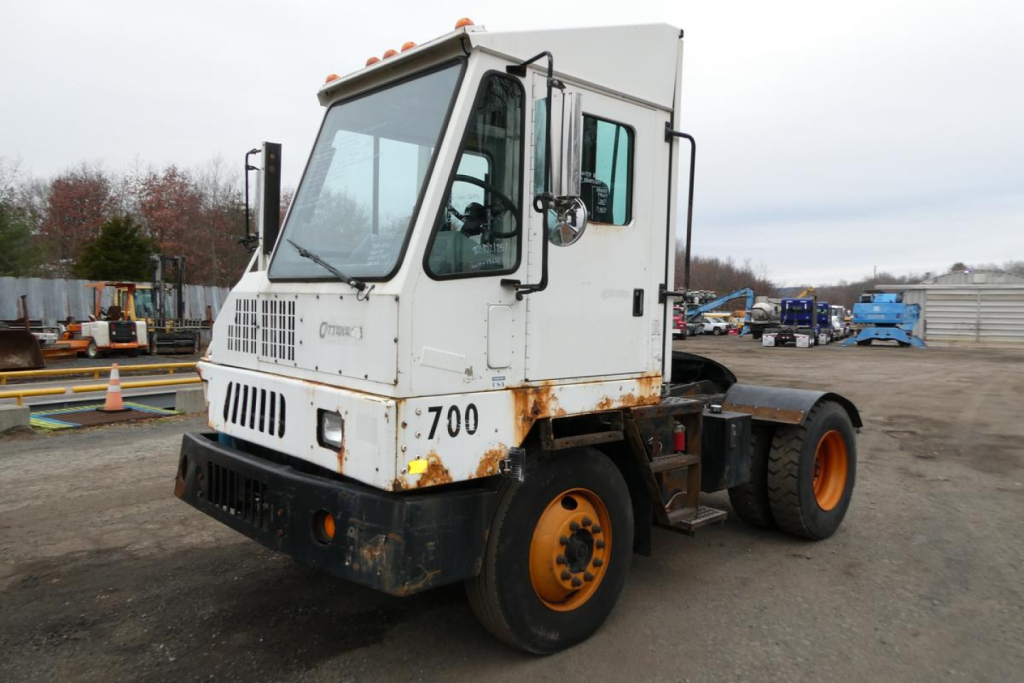
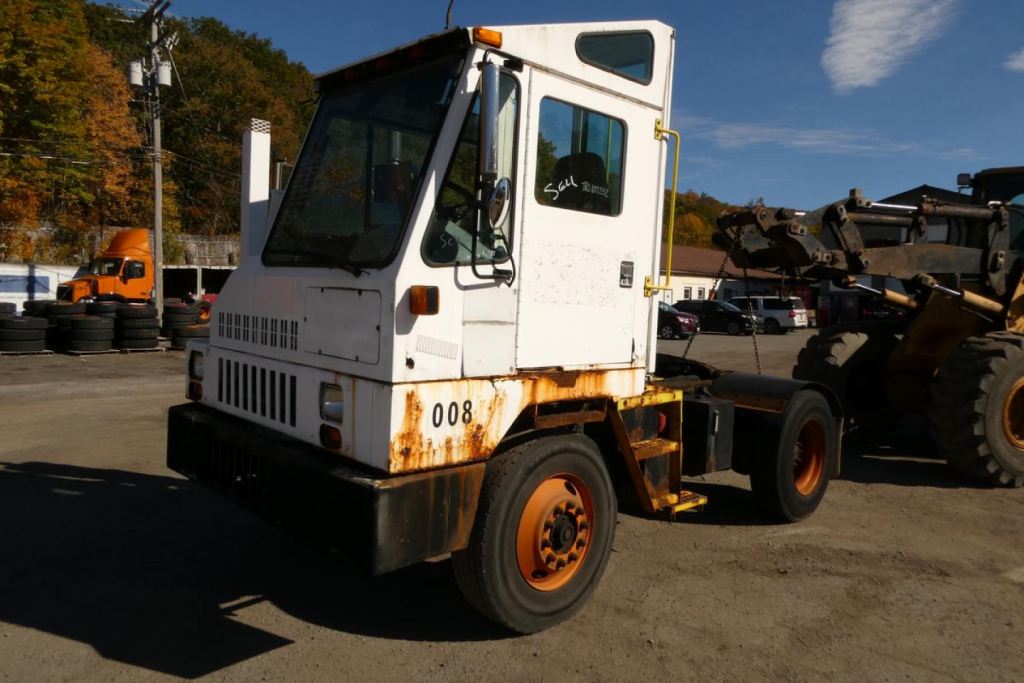
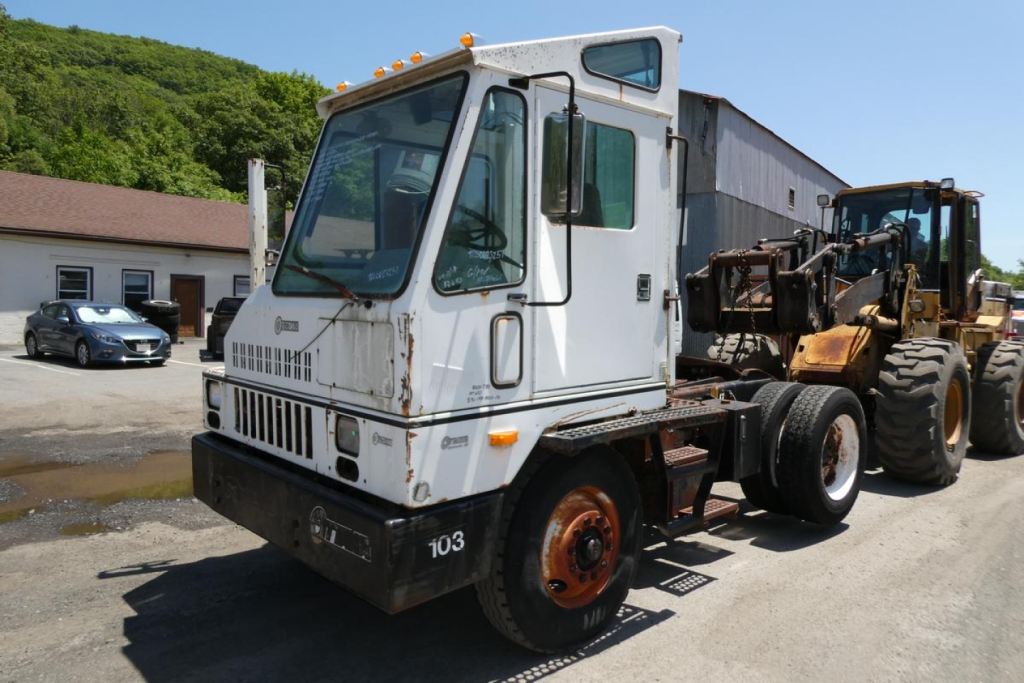
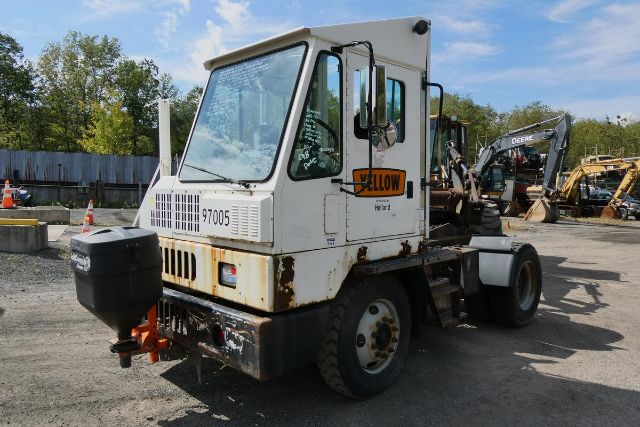
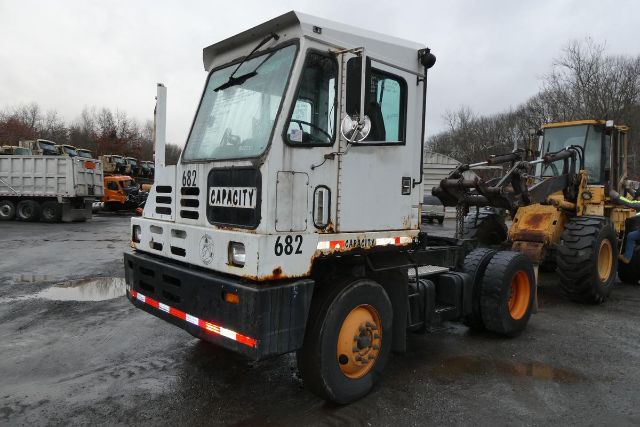
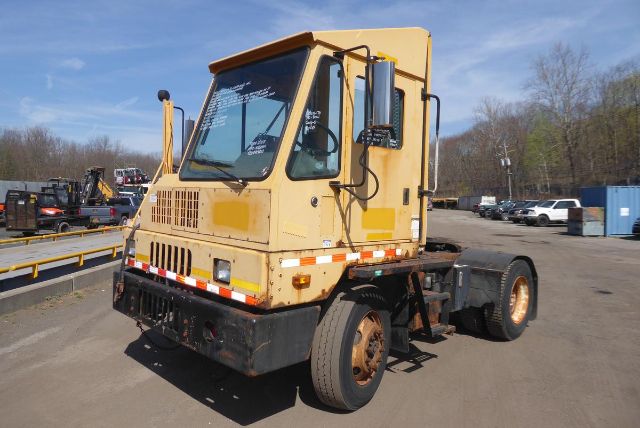
Selling a used yard truck? List your used yard truck for sale and reach thousands of commercial buyers.
Used Yard Trucks in New York
The first things to compare on a used yard truck are engine family, transmission, rear ratio, and fifth wheel hydraulics. Common setups in this class include Cummins 5.9L ISB, Cummins QSB 6.7L, and Allison automatic transmissions such as the MT643 or 3000 series. Many used terminal tractors in this range carry 160 to 200 horsepower, a 23,000 to 26,000 lb rear axle, solid-ride suspension, and aggressive rear ratios like 7.17, 7.83, or 8.40 for strong low-speed pull. A power up and power down hydraulic fifth wheel with dual cylinders is standard on many yard spotters and is one of the most important systems to inspect closely. Look for seepage at cylinders, wear in pins and bushings, PTO operation, and smooth lift response under load.
Condition matters more on a yard truck than cosmetics because these trucks live in stop-start duty and rack up hours faster than miles. Hour meter readings are often more meaningful than odometer readings. Pay close attention to transmission engagement, hydraulic pump performance, steering play, brake response, cooling system condition, and frame integrity, especially on units with box frames, partial double frames, or full double frames. Tire size and wheel setup, often 22.5 low profile or 11R22.5 on steel hub-pilot rims, should match the surface conditions in your yard. In northern climates like New York, buyers should also check for corrosion, electrical wear, cab heater performance, and cold-weather accessories such as a front sander if the truck will work through snow and ice.
A good used yard truck should fit the site, not just the budget. Shorter overall length helps in cramped lots, while cab layout, step height, and visibility affect driver efficiency over a full shift. If the truck will handle loaded domestic trailers all day, prioritize hydraulic fifth wheel strength, drivetrain reliability, and rear axle capacity. If it will support a warehouse or private fleet with lighter spotting cycles, a simpler older Ottawa or Kalmar can still be a cost-effective choice. The best buying decision usually comes down to duty cycle, trailer weights, maintenance history, and how much downtime your operation can tolerate.
Frequently Asked Questions about Used Yard Trucks in New York
What is a yard truck used for?
A yard truck is used to move semi-trailers within a controlled area such as a warehouse yard, distribution center, port, rail terminal, or manufacturing facility. Its main job is spotting trailers at dock doors, staging loaded units, and repositioning equipment quickly over short distances. Unlike a highway tractor, a yard spotter is optimized for constant starts, stops, sharp turns, and repeated trailer hookups.
What should I check first on a used terminal tractor?
Start with the hydraulic fifth wheel system, transmission operation, engine condition, and hour meter. On a used terminal tractor, the fifth wheel lift cylinders, PTO, hoses, pins, and bushings take constant abuse and can develop leaks or excessive play. After that, inspect the Allison transmission for smooth engagement, review rear axle and suspension condition, and look closely at frame rails, brakes, steering components, and cooling system performance.
Are yard trucks street legal in New York?
Some yard trucks can be configured for limited on-road use, but many are intended primarily for off-road terminal and private property operation. Street legality depends on registration, lighting, safety equipment, emissions requirements, and the exact application. In New York, buyers should verify state and local compliance requirements before planning any public-road use, especially for port, industrial, or cross-facility moves.
Is mileage or engine hours more important on a used yard truck?
Engine hours are usually more important than mileage on a used yard truck because these machines spend much of their life in low-speed, high-cycle work. A terminal tractor may show modest miles but still have substantial wear from idling, PTO use, frequent shifting, and nonstop trailer handling. The best evaluation uses both readings along with service records and a functional inspection of the drivetrain and hydraulics.
What brands and specs are common in used yard trucks?
Ottawa and Kalmar are two of the most common names in this category. Typical used yard trucks often have Cummins diesel engines, Allison automatic transmissions, a 4x2 layout, solid suspension, 22.5-inch tires, and a hydraulic power up and power down fifth wheel. Rear axle ratings in the low-to-mid 20,000 lb range and deep axle ratios are common because these trucks are designed for low-speed pulling power rather than highway efficiency.