
Yard Trucks For Sale
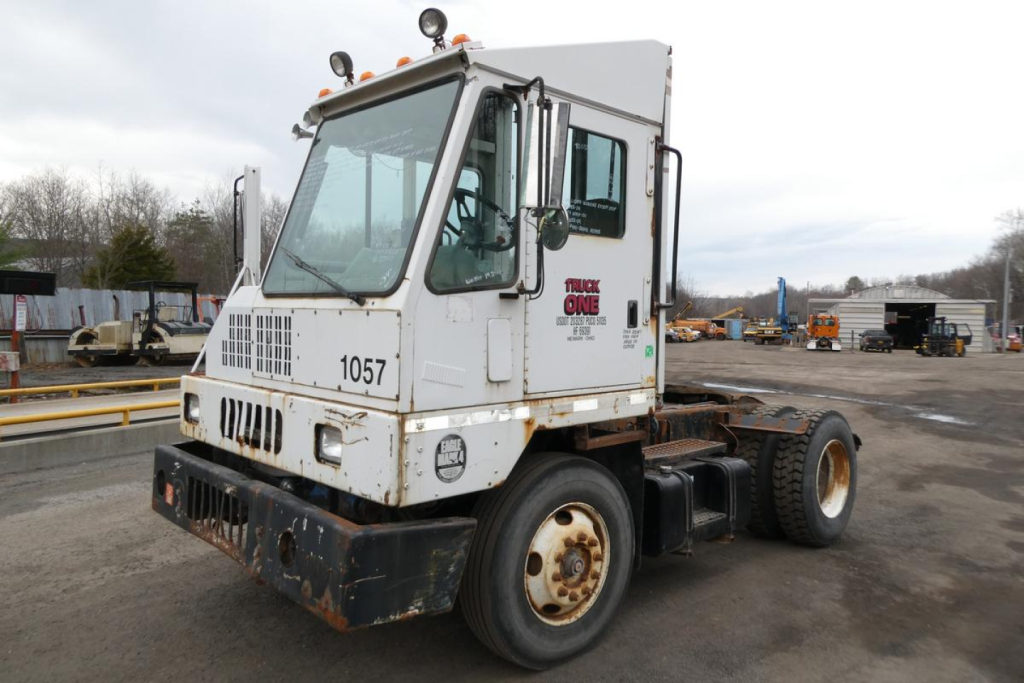
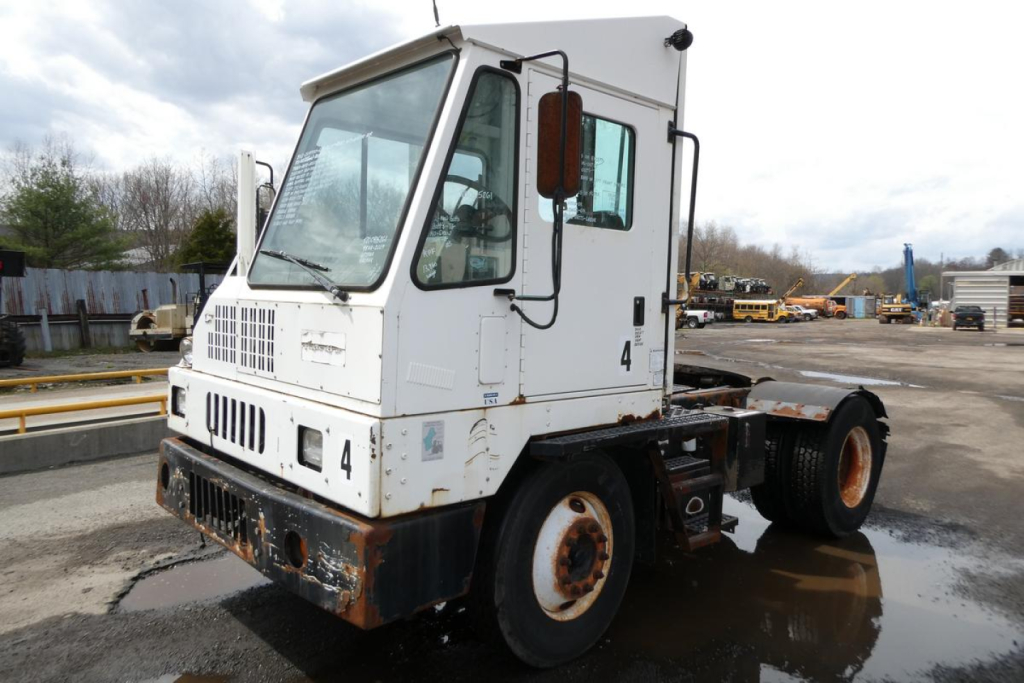
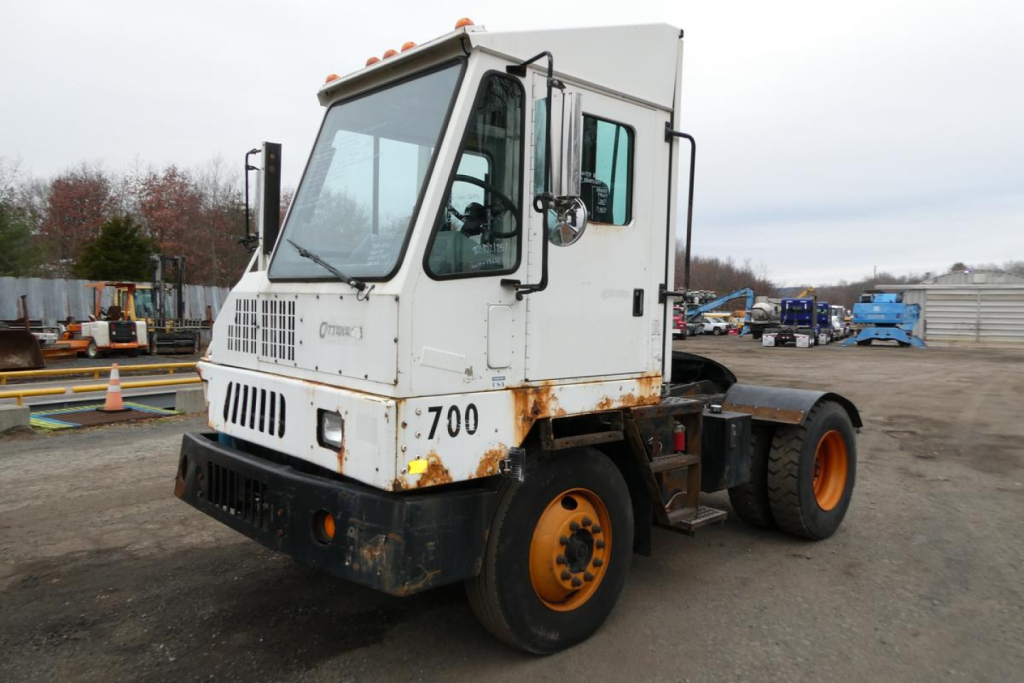
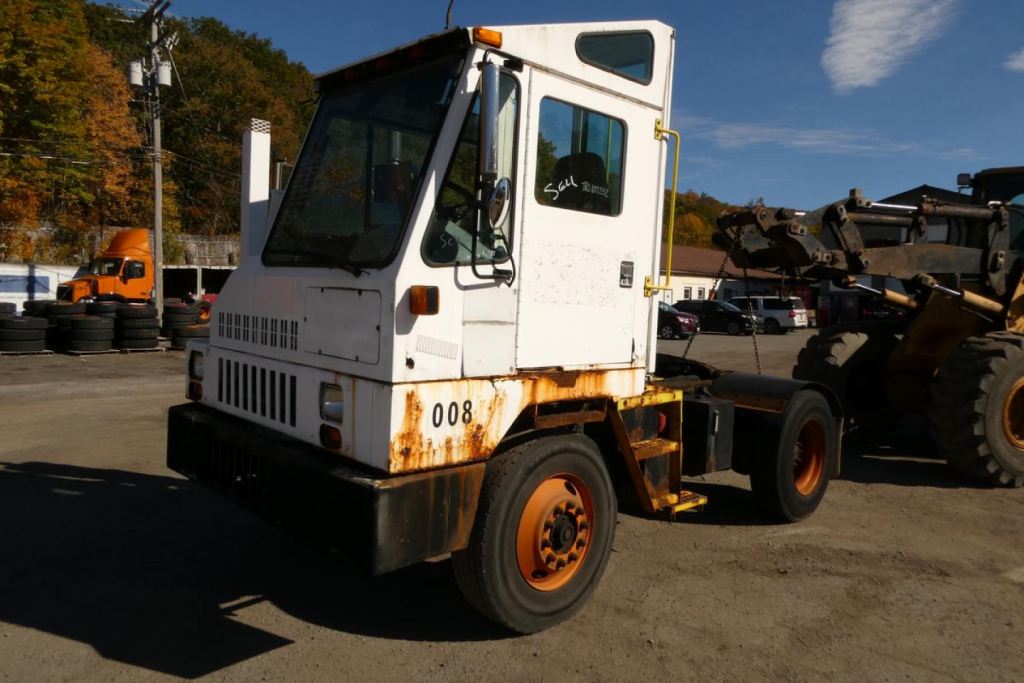
Yard trucks for sale including terminal tractors and yard spotters. Compare DOT vs off-road, 4x2 vs 6x4, diesel or electric options and key specs.
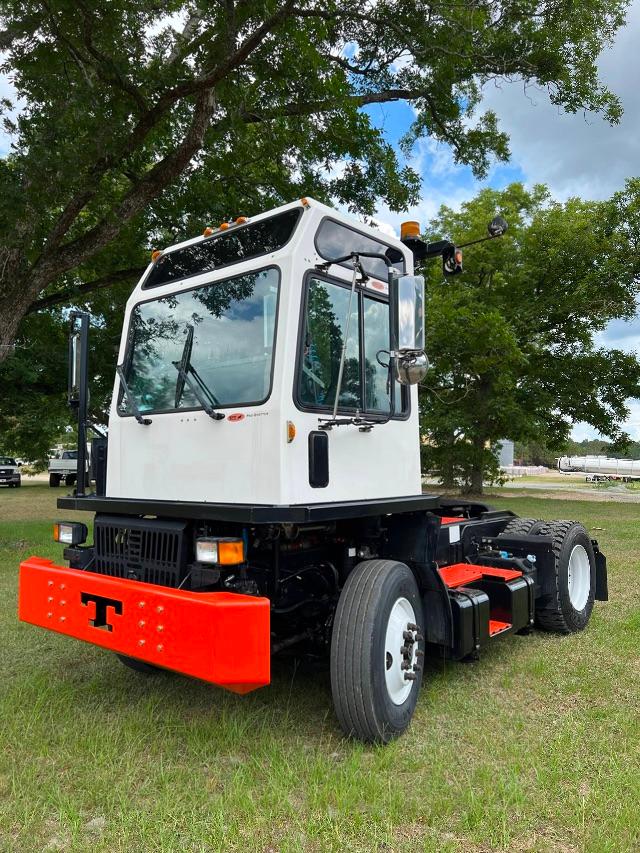
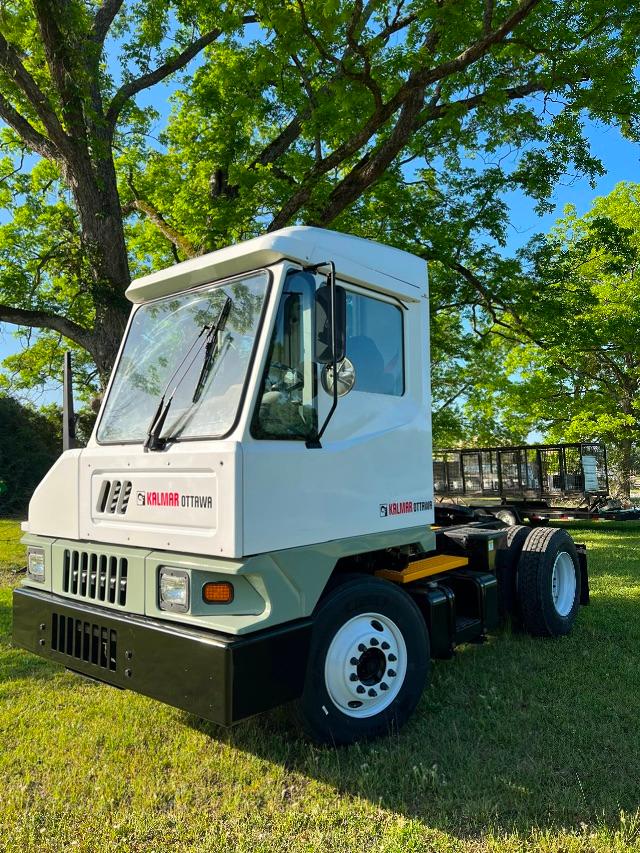
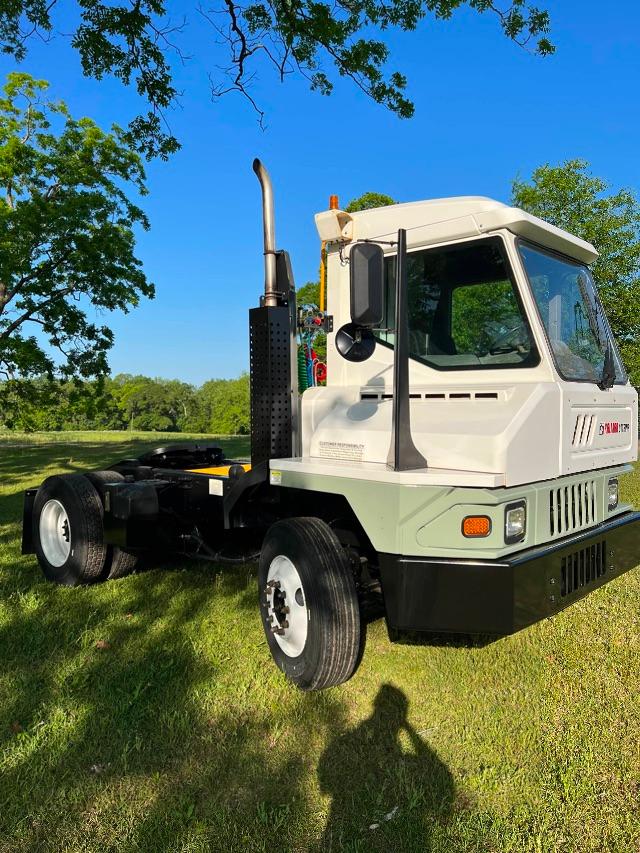
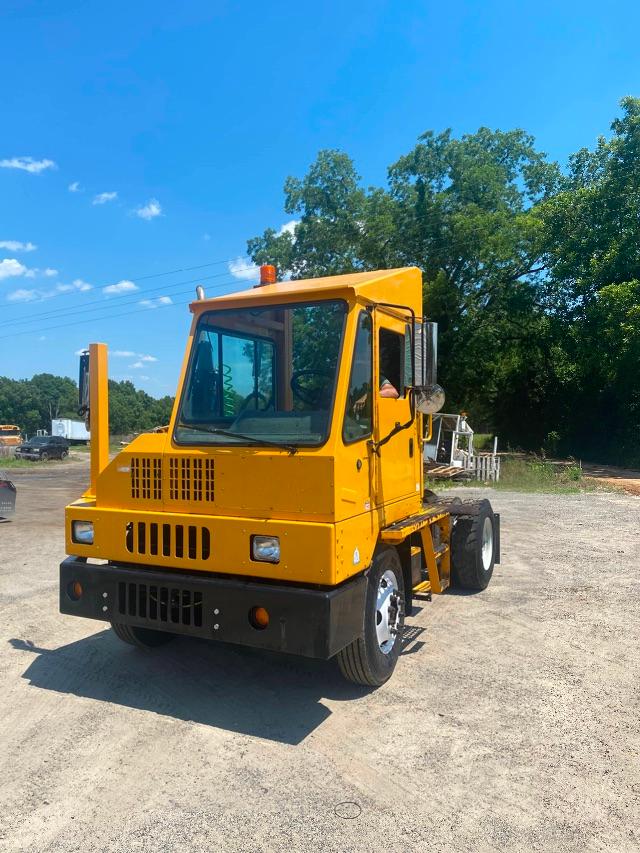
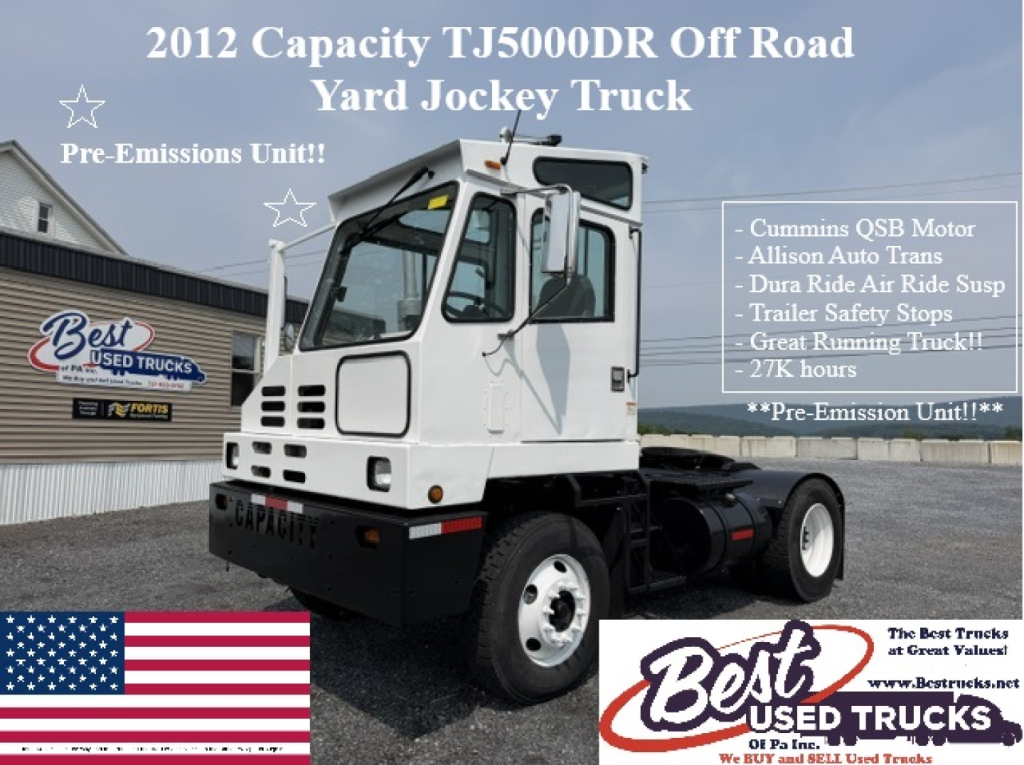
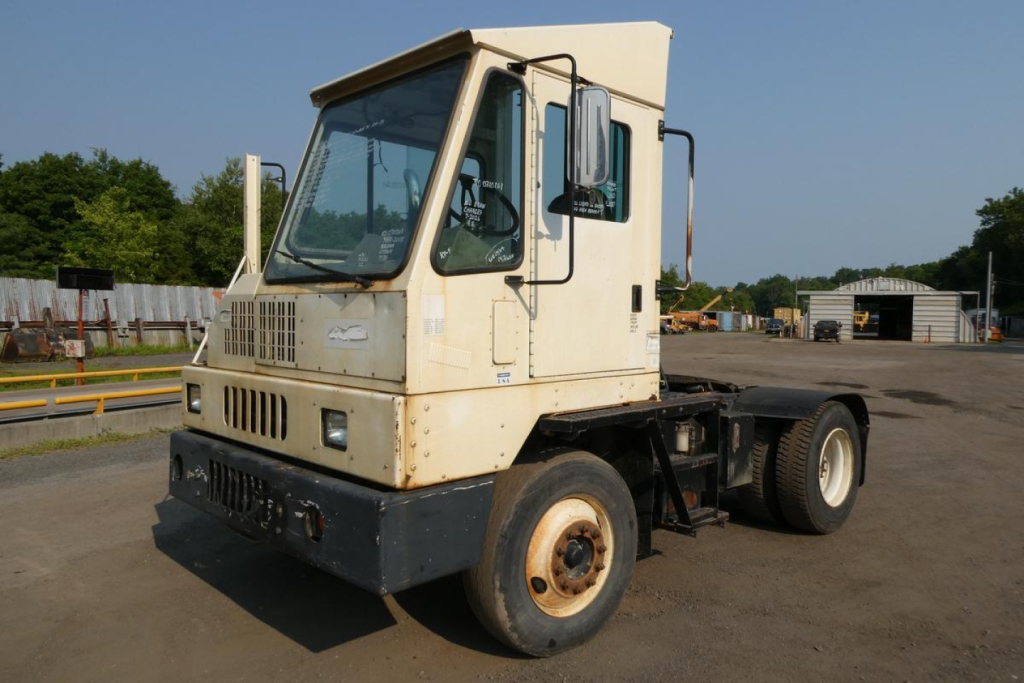
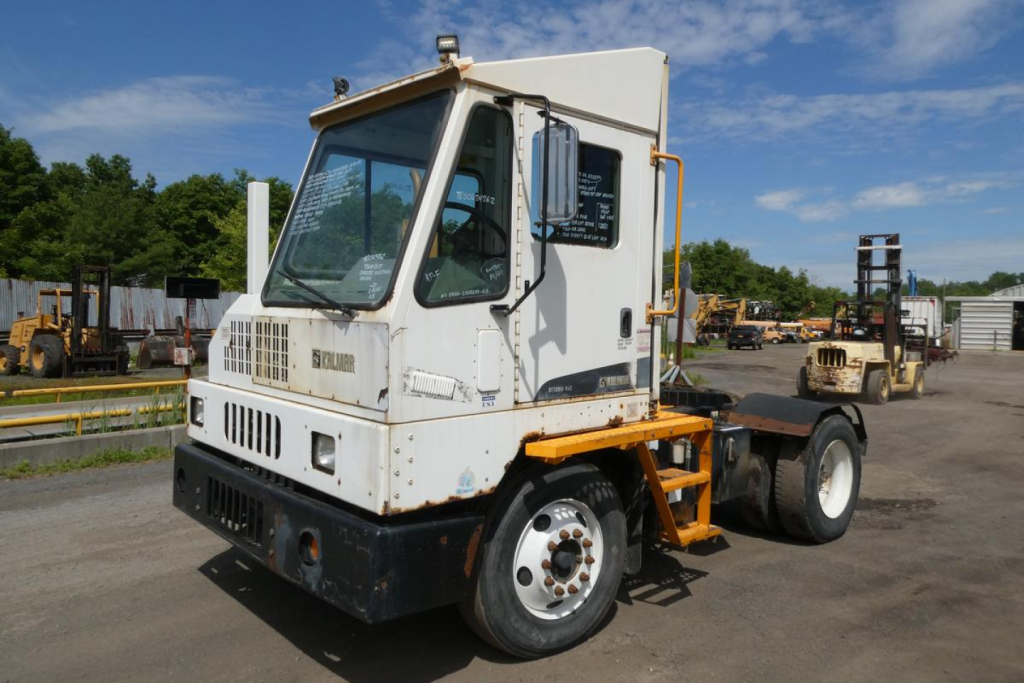
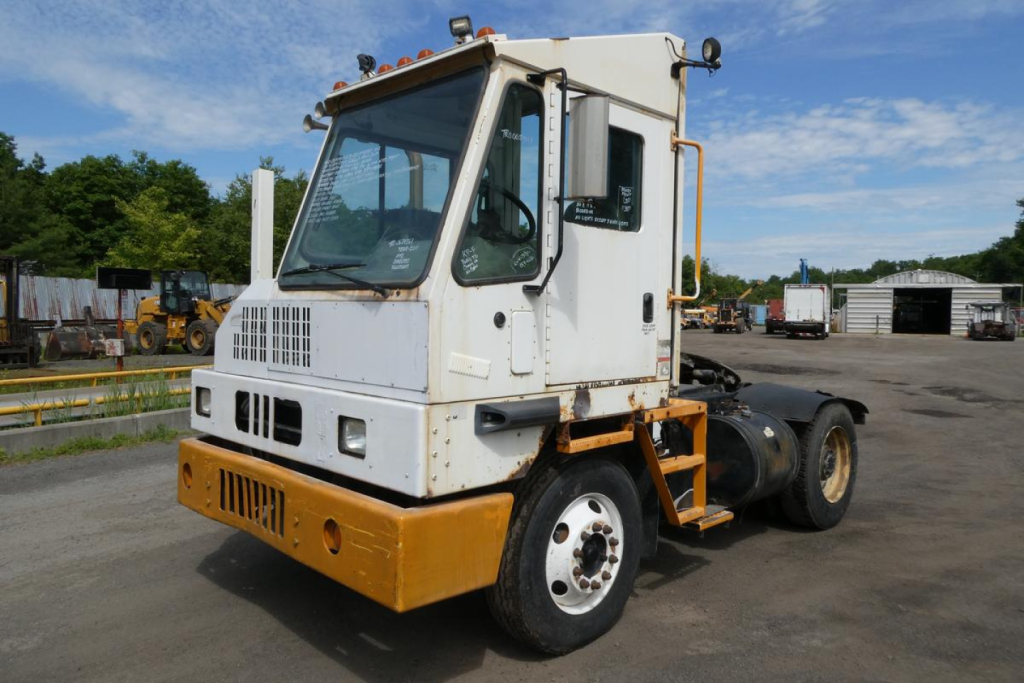
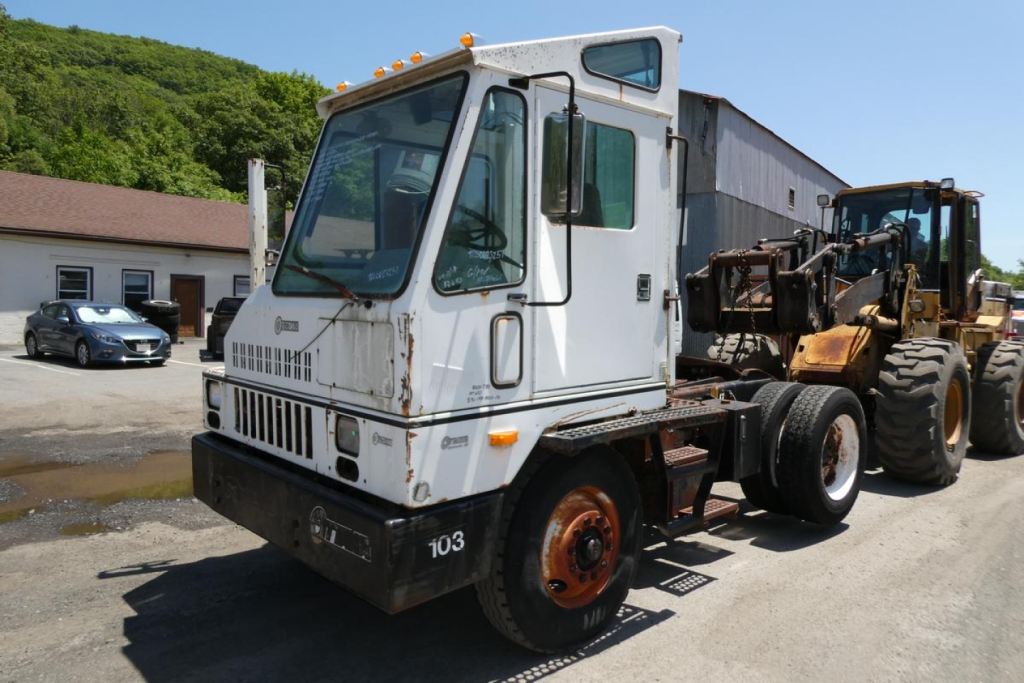
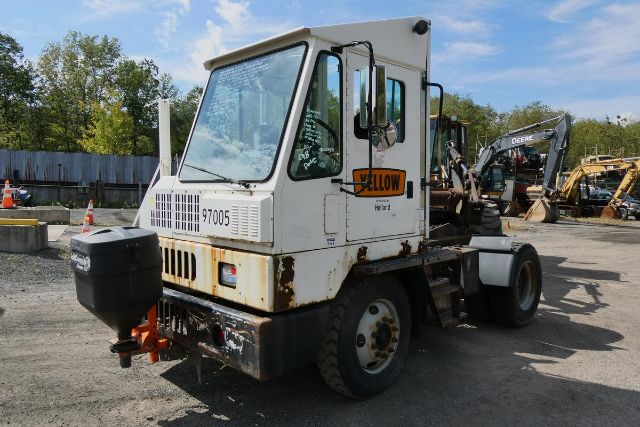
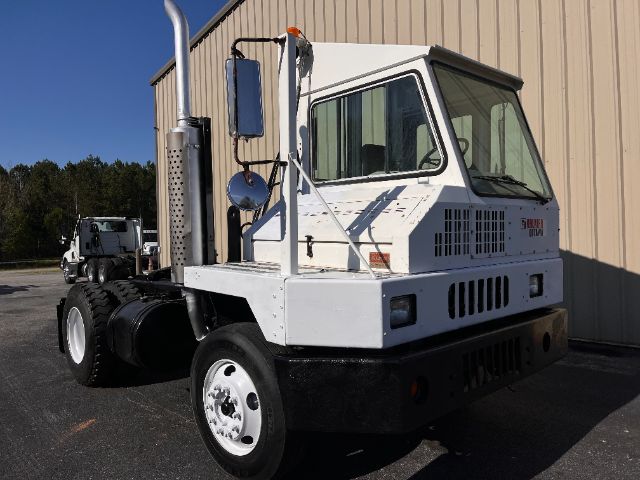
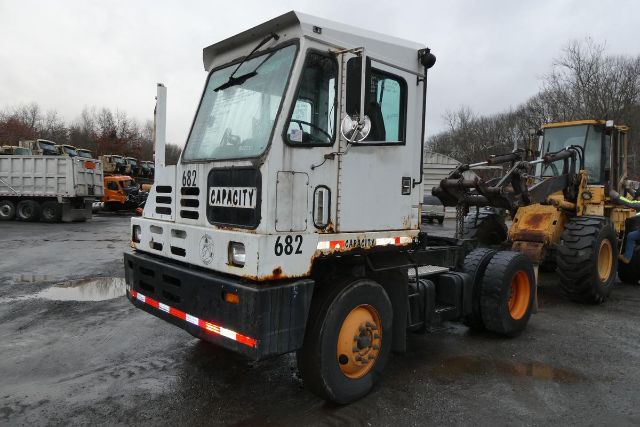
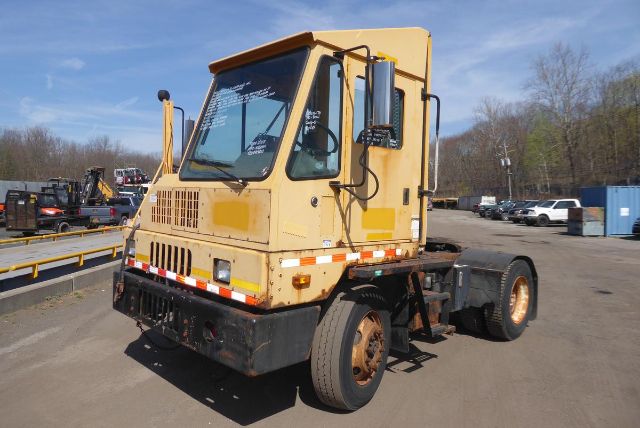
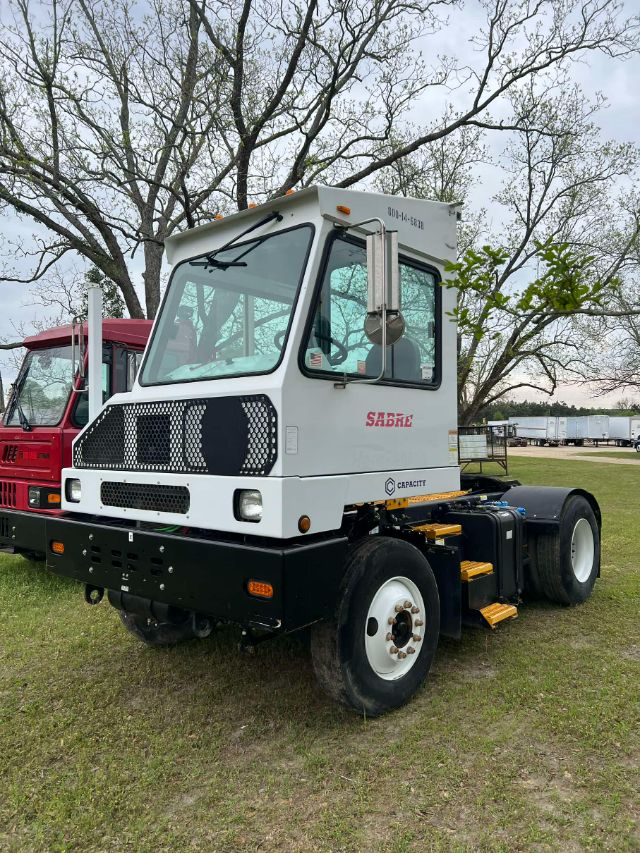
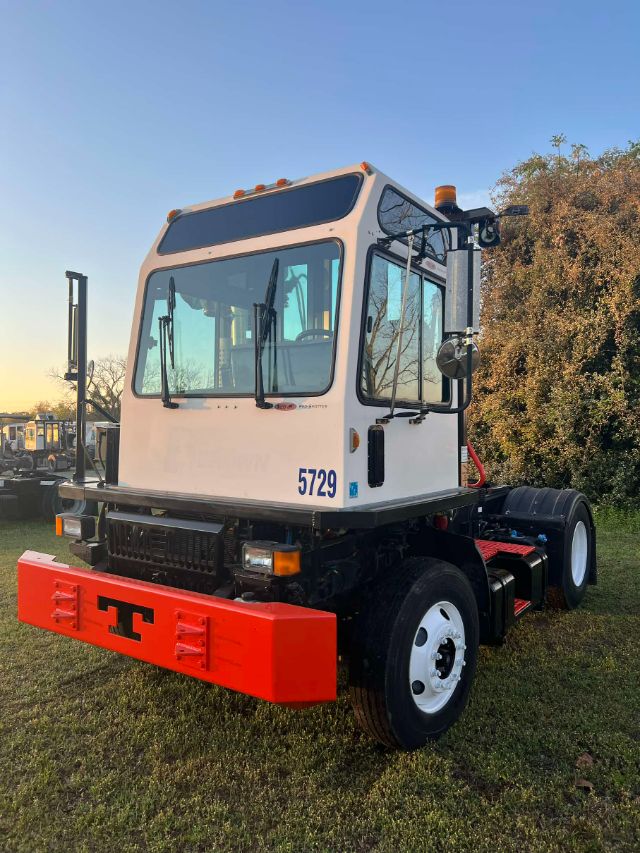
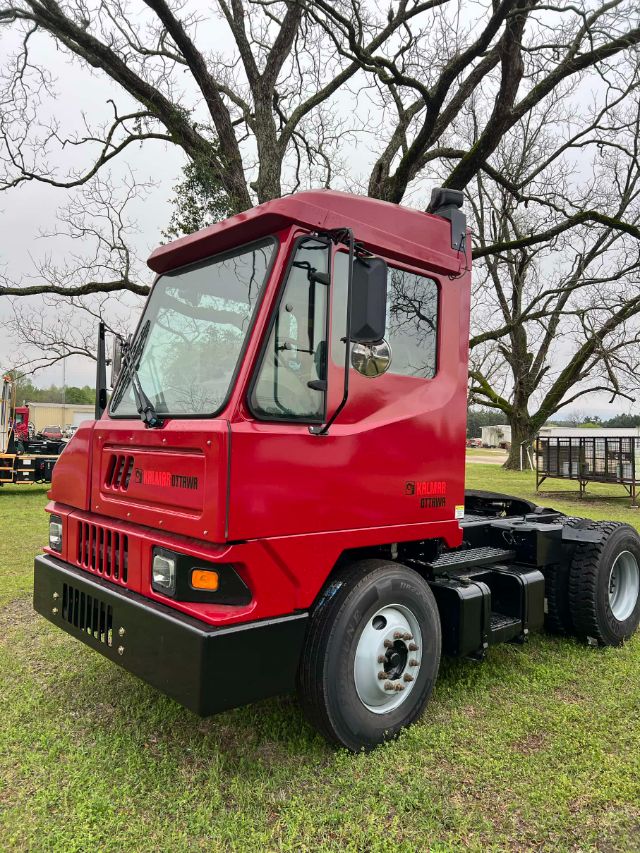
Showing 1 to 28 of 38 results
Selling a yard truck? List your yard truck for sale and reach thousands of commercial buyers.
Yard Trucks
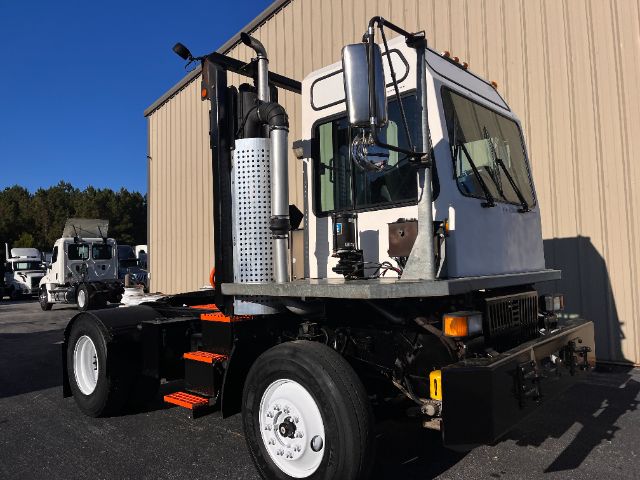
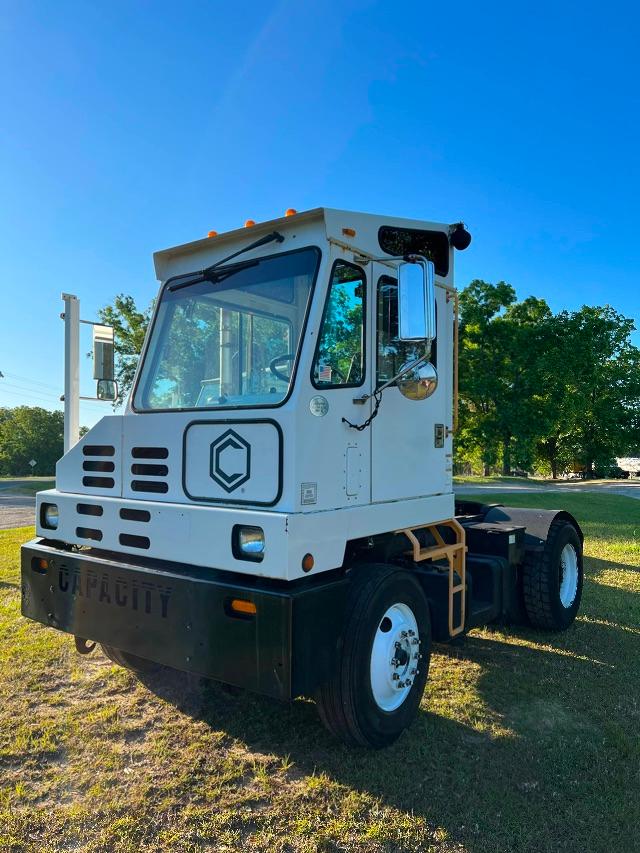
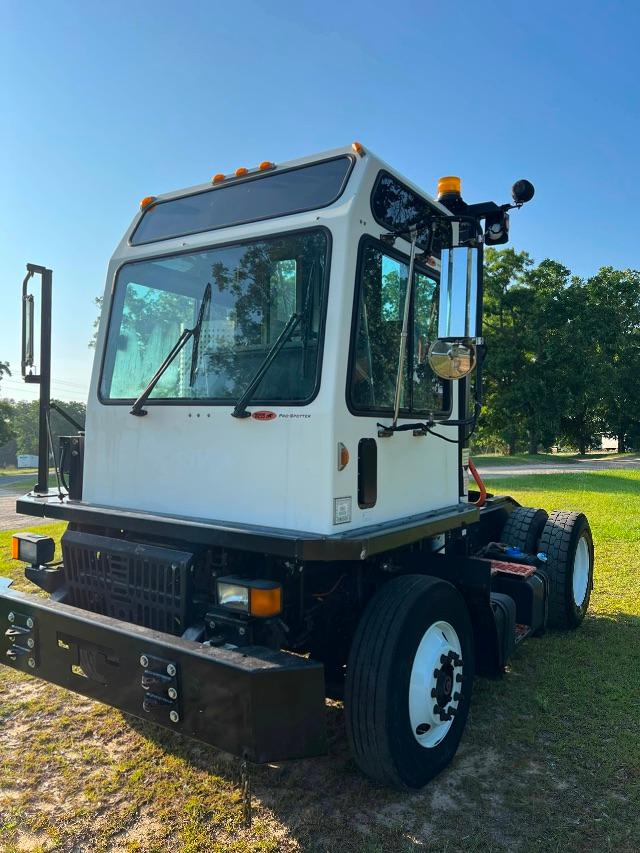
Axle configuration and GCW rating drive capability. A 4x2 yard mule handles most distribution work with GCWs up to roughly 80k to 120k, while heavy intermodal or port operations may call for a 6x4 and reinforced frame for 150k-plus GCW. The hydraulically elevating fifth wheel is the heart of a yard dog, typically offering 15 to 17 inches of lift and 50k to 70k-lb rating so operators can pick trailers without cranking landing gear. Short wheelbases around 110 to 130 inches yield tight turning in congested yards, and rear cab doors with curb-height steps speed one-person coupling. Spring suspensions are common for durability; air-ride improves operator comfort and helps protect equipment over rough pavement. Look for options like automatic lubrication, central tire inflation, heavy scuff fenders, pintle hooks and rear-view camera systems to increase uptime and safety.
Powertrain selection is a balance of torque, emissions and total cost. Most diesel yard spotters pair medium-duty engines with Allison automatic transmissions for smooth low-speed control and quick direction changes. DOT diesels use DPF and SCR with DEF; off-road models follow Tier 4 Final standards and may have simpler aftertreatment. Electric yard trucks are increasingly common in high-cycle yards, cutting fuel and brake wear while eliminating tailpipe emissions and reducing noise. Battery packs sized around a single to multi-shift operation with opportunity charging can keep trucks in service 24-7 if charging is planned near dock stacks or at the fence line. Some fleets also consider CNG for sites with existing gas infrastructure, trading lower fuel cost for reduced range flexibility.
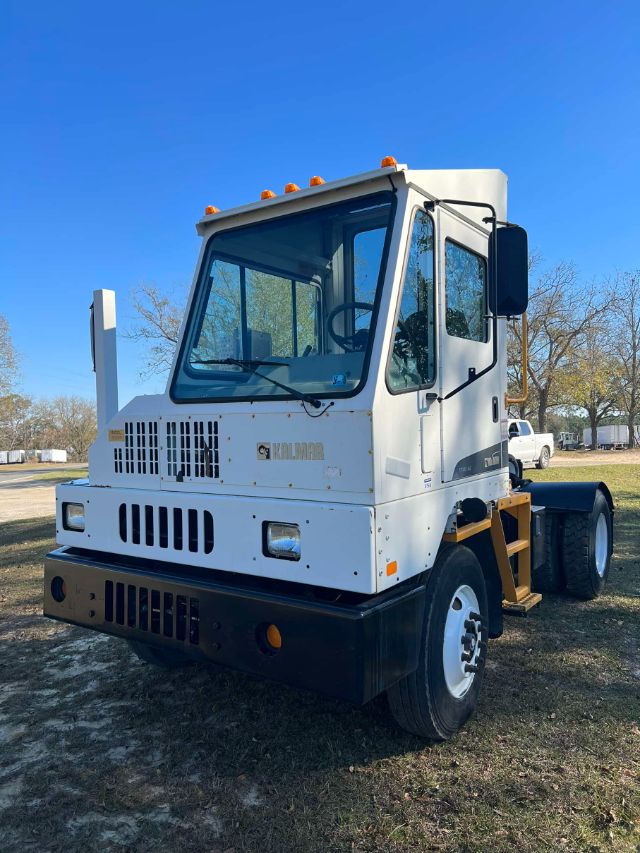
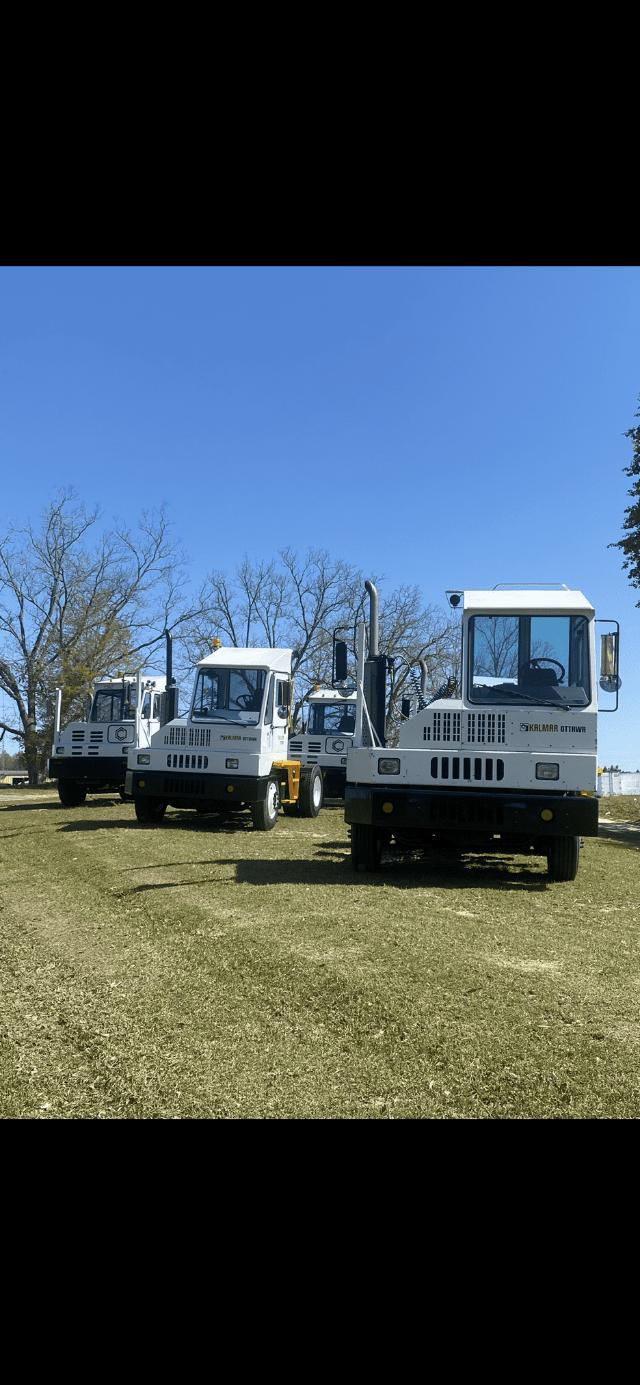
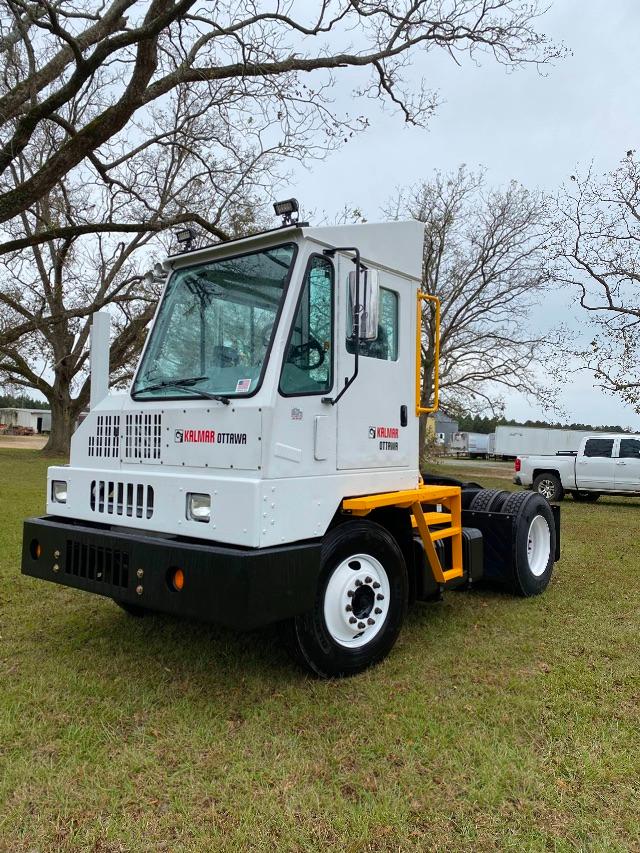
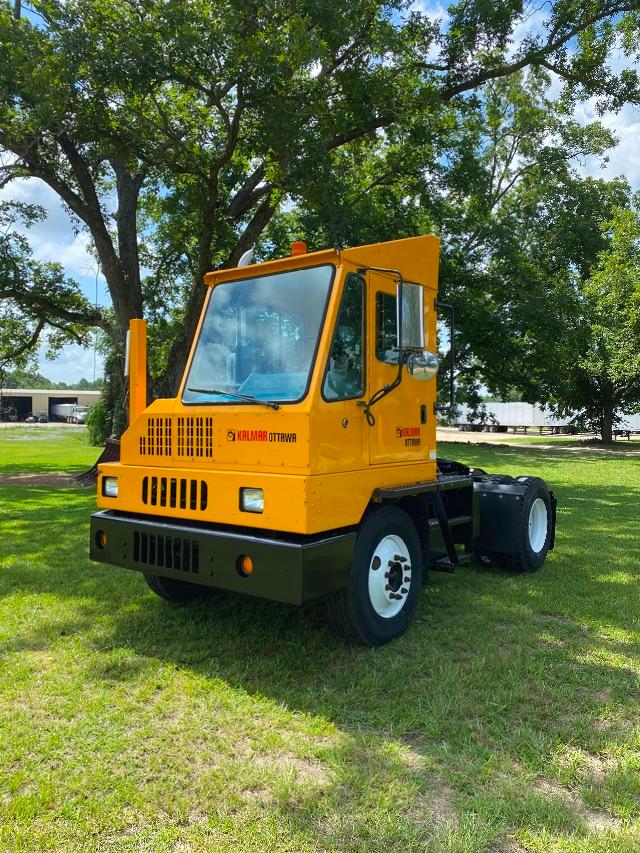
Operator environment and serviceability matter day to day. Modern cabs from Kalmar Ottawa, Capacity, Tico, Autocar and emerging electric builders like Orange EV emphasize wide visibility, heated mirrors, LED work lighting, HVAC sized for hot or cold climates and air-ride seats that reduce fatigue. Ground-level air and electrical hookups, color-coded gladhands, and rear platform controls speed turn counts per hour. A tilt hood, swing-out coolers, protected aftertreatment, sealed wiring and easily replaced fenders reduce downtime from minor impacts. Consider grade, yard surface, trailer mix, average moves per hour and the heaviest container or tank you plan to handle before you settle on GCW, axle count and fifth-wheel rating. The right spec will move more trailers with fewer touches, lower maintenance cost and keep operators safer in tight yards.
Also known as: Terminal Tractor, Yard Tractor, Spotter Truck, Yard Spotter, Yard Goat
Frequently Asked Questions about Yard Trucks
What is the difference between a DOT yard truck and an off-road terminal tractor?
A DOT yard truck is built and certified for travel on public roads. It includes required lighting, mirrors, ABS, emissions equipment, and other road-legal features, making it suitable for plants or DCs that shuttle trailers across streets. Off-road terminal tractors are intended for closed facilities, ports or rail yards. They emphasize low-speed durability and simpler compliance, often at a lower purchase price with fewer road-oriented components. The decision hinges on whether your operation must legally leave the yard and how often it will do so.
Should I choose a 4x2 or 6x4 yard spotter?
A 4x2 works well in most distribution environments, offering tight maneuverability and lower operating cost for GCWs typically up to 80k to 120k. A 6x4 adds traction and frame capacity for heavier containers, steep grades or soft surfaces common in ports, bulk sites and some rail yards, supporting GCWs that can exceed 150k when properly specified. Consider surface conditions, the heaviest loads you will handle, and required startability on ramps or docks. If you rarely exceed standard trailer weights on hard pavement, a 4x2 usually meets the need. If you pull loaded export containers or operate on uneven, wet ground, a 6x4 is a safer bet.
How much fifth-wheel lift and capacity do I need?
Most terminal tractors use a hydraulically elevating fifth wheel with about 15 to 17 inches of vertical lift and a rating in the 50k to 70k-lb range. The lift allows operators to pick trailers without crank effort and to correct small dock height mismatches. Capacity should exceed your heaviest trailer pin weight and align with the truck’s GCW rating. If your site handles high-cube reefers, tankers or heavy intermodal chassis, confirm both the vertical rating and the truck’s overall GCW capability. For light van work on level yards, standard lift travel and ratings are typically sufficient.
Are electric yard trucks a good fit for 24-7 operations?
Yes, when charging is planned around the duty cycle. Electric spotters excel in high-cycle, stop-and-go yards with predictable routes, delivering low noise, zero tailpipe emissions and lower brake wear through regenerative braking. To run around the clock, fleets typically specify larger battery packs and place DC fast chargers where trucks dwell between moves or during shift changes. Many sites use opportunity charging during breaks to maintain state of charge. Evaluate average moves per hour, idle time, climate and charger access to size batteries correctly.
What maintenance features reduce downtime on yard mules?
Look for a tilt-hood design, protected cooling package, sealed electrical connectors and clearly labeled rear air and electrical hookups. Automatic lubrication systems, heavy-duty fenders, bolt-on bumpers and LED lighting help cut recurring repairs from yard impacts. Telematics that track idling, fault codes and aftertreatment health support proactive service. For DOT units, ensure easy DEF access and DPF service procedures. A clean, ergonomic cab with durable trim and effective HVAC also reduces operator fatigue, which indirectly lowers incident rates and unplanned downtime.