
2011 Yard Trucks For Sale
Shop 2011 yard trucks for terminal, warehouse, and trailer spotting work. Compare Ottawa and Kalmar spotter specs, hours, drivetrain, and condition.
Selling a 2011 yard truck? List your 2011 yard truck for sale and reach thousands of commercial buyers.
2011 Yard Trucks
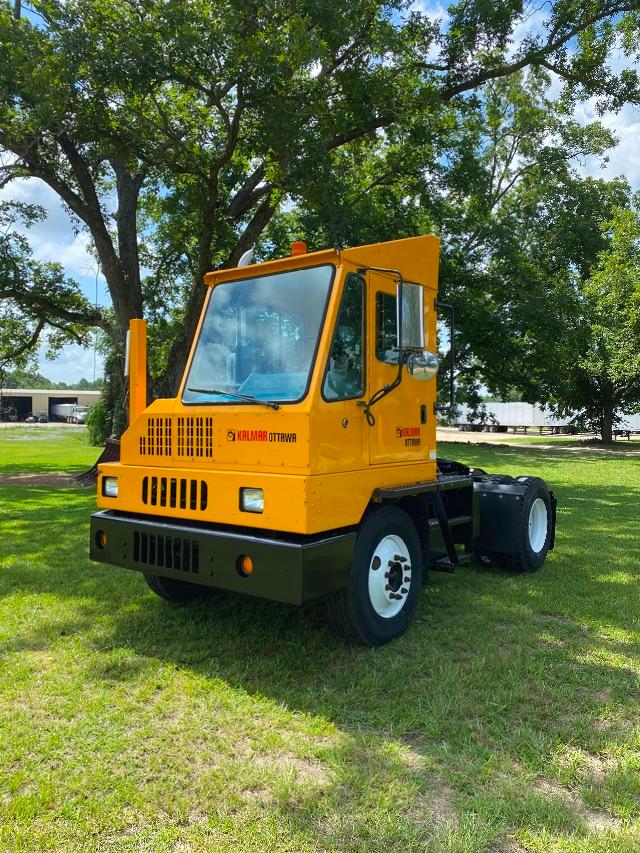
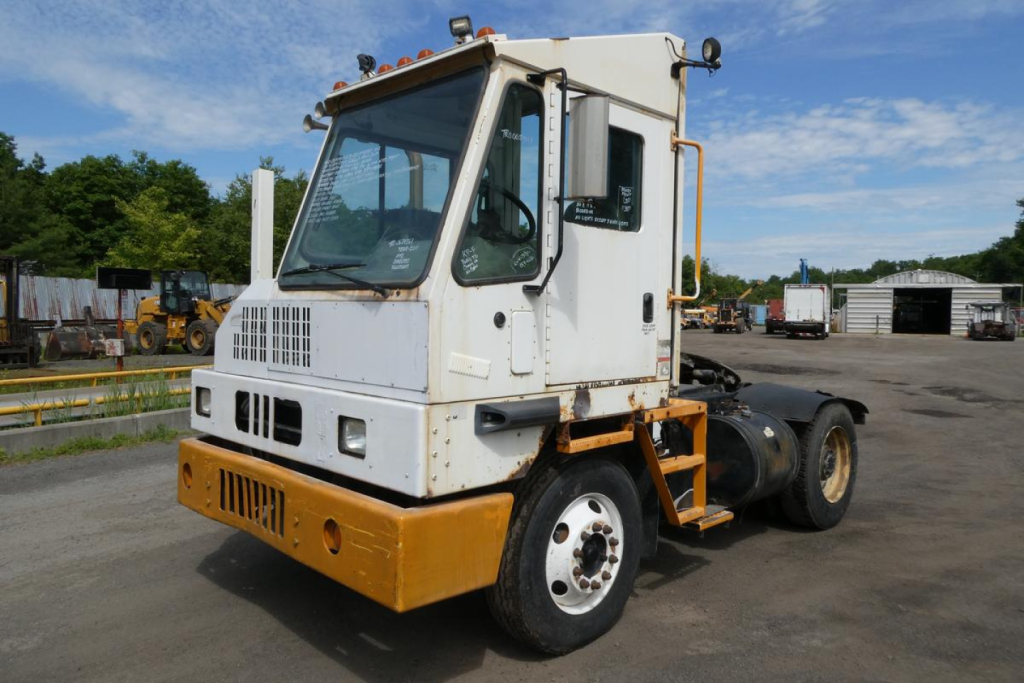
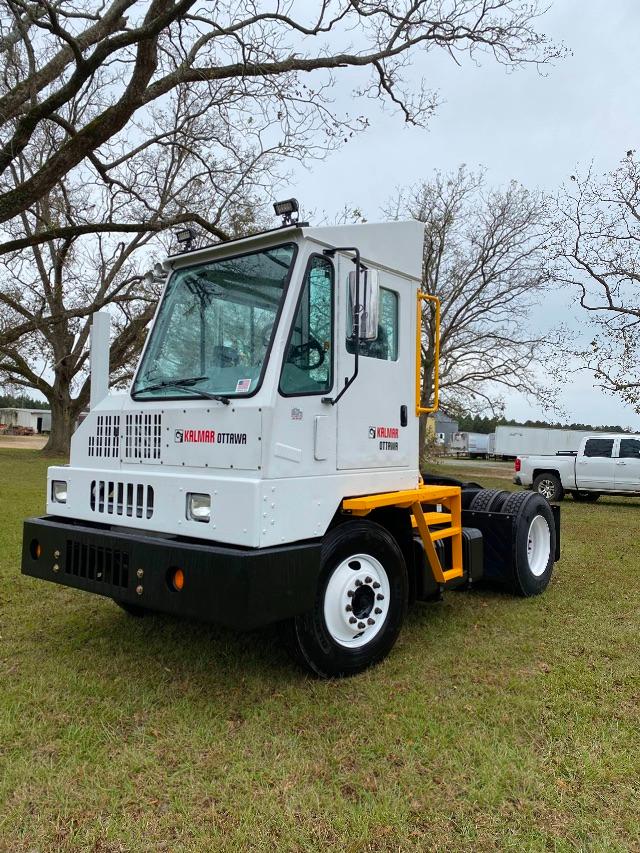
The biggest buying difference in this category is on-road versus off-road specification. Many 2011 yard trucks were used strictly inside private yards, while others were ordered DOT-legal with lighting, mirrors, brakes, and equipment suited for short public-road transfers. A hydraulic sliding fifth wheel is standard on most terminal tractors and is one of the first components to inspect because it does the heavy lifting during trailer hookup. Look closely at frame condition, cab entry steps, rear suspension wear, steering play, and evidence of hard impacts around the back of cab and fenders. Hour meters matter more than odometer readings on a spotter truck because these units can accumulate substantial engine hours with limited travel distance.
Cab layout and operator comfort also affect long-term value. A 2011 yard truck typically has a single-person cab with excellent visibility, low step height, and a center or offset driving position that speeds up trailer spotting. Working heat and A/C are more important than many buyers expect because these trucks spend long shifts in constant use. Tire condition, brake service history, and transmission engagement should be checked closely, especially on units that have spent years moving loaded trailers across uneven pavement. Common names in this segment include Ottawa and Kalmar Ottawa, and parts support remains an important advantage when evaluating older spotters.
For the best fit, match the truck to the yard surface, trailer weights, and shift intensity. A lightly used warehouse yard may prioritize a clean cab, low hours, and basic DOT capability, while a high-cycle terminal may care more about cooling system health, drivetrain service records, and durability of the fifth wheel and hydraulic systems. In this equipment class, a well-kept 2011 yard truck can still be a practical choice for trailer spotting, drop lot work, and short shuttle operations if the hours, maintenance, and structural condition line up with the asking price.
Frequently Asked Questions about 2011 Yard Trucks
What should I look at first when buying a 2011 yard truck?
Start with engine hours, maintenance history, and fifth wheel operation. Yard trucks live on short, repetitive duty cycles, so hours usually tell you more than miles. Check hydraulic lift and slide functions, transmission engagement, cooling system condition, steering slack, brake response, and frame corrosion. Cab damage around steps, fenders, and rear structure can also reveal how hard the truck has been worked.
Are 2011 yard trucks road legal?
Some are, and some are not. A 2011 terminal tractor may be configured for off-road yard use only, while others were built or upgraded for DOT-legal short-haul or public-road crossing work. Buyers should verify lighting, mirrors, brake equipment, tires, registration requirements, and any local compliance needs before assuming a spotter can leave private property.
Why do yard trucks show high hours but relatively low miles?
Yard spotters spend much of their life idling, backing, coupling trailers, and moving loads short distances inside a terminal or warehouse yard. That operating pattern builds engine and transmission hours quickly without adding many road miles. On this equipment type, hour meter readings and service records are usually the most relevant indicators of wear.
What engines and transmissions are common in 2011 yard trucks?
Many 2011 yard trucks were spec'd with Cummins diesel engines and Allison automatic transmissions. That combination is popular because it is well suited to constant starts, stops, low-speed maneuvering, and repeated directional changes. Exact ratings vary by model, but buyers generally focus on smooth shifting, cold-start behavior, and signs of proper drivetrain maintenance.
Is a 2011 yard truck still a good choice for trailer spotting work?
It can be, if the truck has been maintained and the application matches its condition. A 2011 yard truck can still perform well in warehouses, drop lots, manufacturing plants, and regional terminals when the structure is sound and the hydraulic fifth wheel, brakes, cooling system, and transmission are in good order. Value depends less on age alone and more on hours, corrosion, service history, and overall mechanical condition.