
2013 Yard Trucks For Sale
Shop 2013 yard trucks for terminal, warehouse, and port use. Compare hostlers with hydraulic fifth wheels, automatic transmissions, and Cummins power.
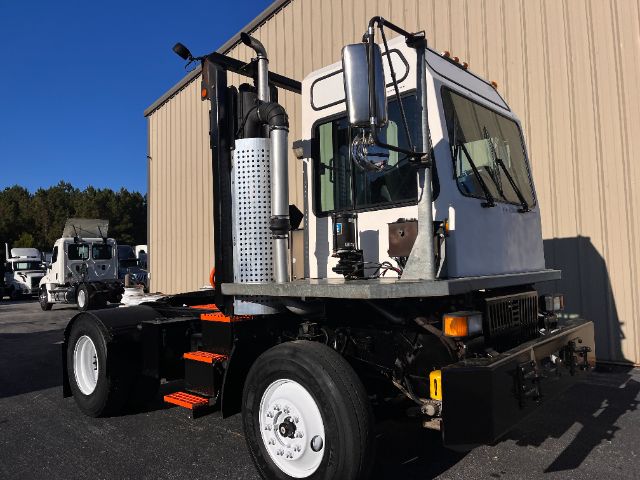
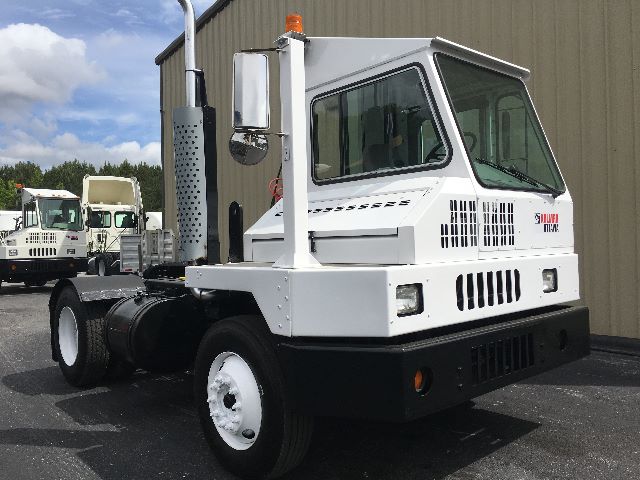
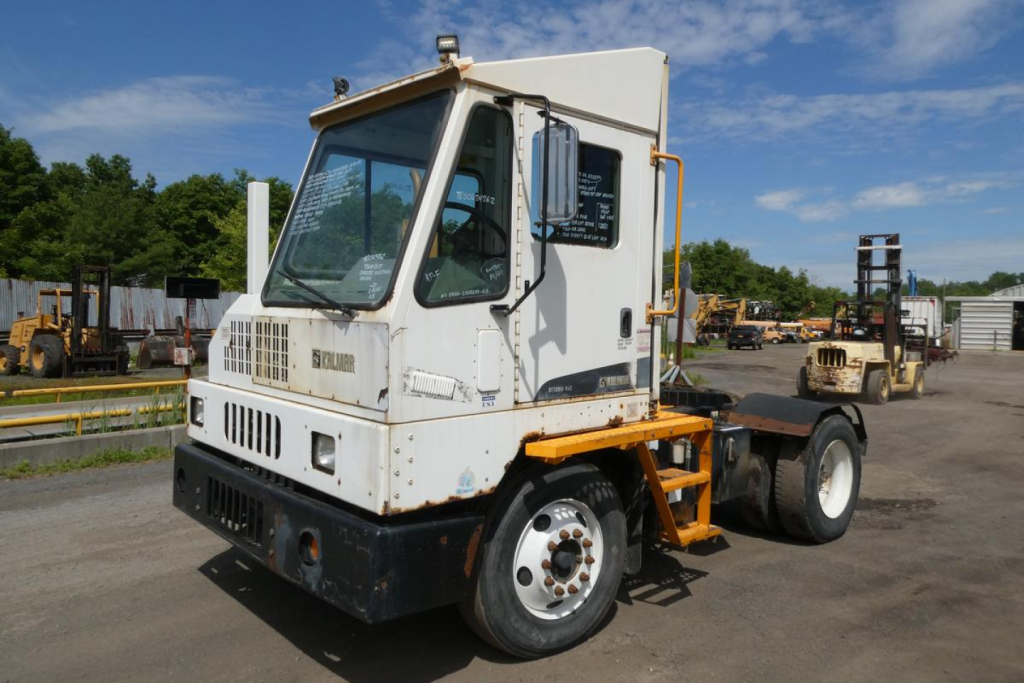
Selling a 2013 yard truck? List your 2013 yard truck for sale and reach thousands of commercial buyers.
2013 Yard Trucks
Powertrain and chassis specs matter more than model year alone. Many 2013 yard trucks use Cummins diesel engines such as the ISB or 6.7L platform, typically paired with an Allison automatic. That combination is popular because it handles repetitive start-stop duty well and is widely supported for service. Buyers should also look closely at rear axle ratio, suspension type, and frame design. Solid ride and spring suspension are common in this category because they prioritize durability and stability over ride comfort. A short wheelbase, often around 110 to 115 inches, helps maneuverability in crowded yards, while 22.5-inch rubber and steel disc wheels remain standard across much of the segment.
The hydraulic fifth wheel is the centerpiece on a yard truck. Fast power-up and power-down operation reduces trailer handling time and driver fatigue, especially in high-volume distribution centers. Condition of the lift cylinders, pins, bushings, and locking mechanism deserves close attention because wear here directly affects productivity and safety. Cab layout is another practical buying point. Raised-roof and high-visibility cab designs make entry, exit, and rearward sightlines better for drivers who are constantly coupling air and electrical lines and checking trailer position. Features such as air conditioning, heated mirrors, suspension seating, and easy-access steps can make a noticeable difference on multi-shift operations.
A 2013 yard truck can be a cost-effective fit for warehouses, intermodal yards, cold storage facilities, manufacturing plants, and private fleets that need reliable trailer spotting without paying for a road tractor they do not need. Buyers should verify emissions compliance, title status, and local registration requirements before narrowing choices, especially if a DOT-legal unit is required. Hours can tell more than odometer readings in this category, since hostlers spend much of their lives in low-speed work. Service records, hydraulic performance, transmission engagement, brake condition, steering play, and cab corrosion are usually more important than cosmetic appearance. The best unit is the one matched to your yard layout, trailer volume, and maintenance capacity.
Frequently Asked Questions about 2013 Yard Trucks
What is the difference between a yard truck and a road tractor?
A yard truck is purpose-built for moving semi-trailers around terminals, warehouses, ports, and distribution centers at low speeds. It typically has a shorter wheelbase, tighter turning radius, hydraulic lifting fifth wheel, and a cab designed for frequent entry and exit. A road tractor is built for sustained highway use, higher speeds, and driver comfort over long distances. Some yard trucks are DOT-legal, but many are intended primarily for off-road or private property use.
What should I check first on a used 2013 yard truck?
Start with the hydraulic fifth wheel system, engine, transmission, and hours of use. The fifth wheel lift and lock functions should operate smoothly without excessive play in the pins or bushings. The engine should start cleanly and respond well under load, and the automatic transmission should engage without harsh shifting or delay. Also inspect steering components, brake performance, frame condition, tire wear, cooling system health, and any evidence of hydraulic leaks. In this category, mechanical condition matters more than appearance.
Are 2013 yard trucks usually DOT-legal?
Not always. Some 2013 yard trucks were built or spec'd for DOT-legal operation and can move trailers on public roads for short distances, while others were built strictly for private yard use. Buyers should confirm lighting, braking, emissions equipment, registration requirements, and title availability before purchase. DOT status can affect where the truck can be used and what compliance costs may be required after purchase.
Which engine and transmission setups are common in 2013 yard trucks?
Cummins diesel engines are very common in this segment, especially ISB and 6.7L variants, often paired with Allison automatic transmissions. This setup is popular because it is well suited to stop-and-go yard work and generally straightforward to service. Horsepower ratings vary by application, but yard trucks are selected more for torque delivery, reliability, and hydraulic performance than for highway speed.
Do hour meters matter more than mileage on a yard hostler?
Yes, in many cases hours are more useful than mileage when evaluating a yard hostler. These trucks spend much of their life operating at low speed with constant shifting, idling, and hydraulic cycling, so odometer readings can understate actual wear. A truck with moderate miles but very high hours may have more drivetrain, hydraulic, and cooling system wear than the mileage suggests. Maintenance history and current operating condition should be reviewed alongside both hours and mileage.