
Yard Trucks For Sale in New York
Browse yard trucks for sale, including Ottawa, Capacity, and Kalmar terminal tractors built for trailer spotting, shuttling, and yard operations.
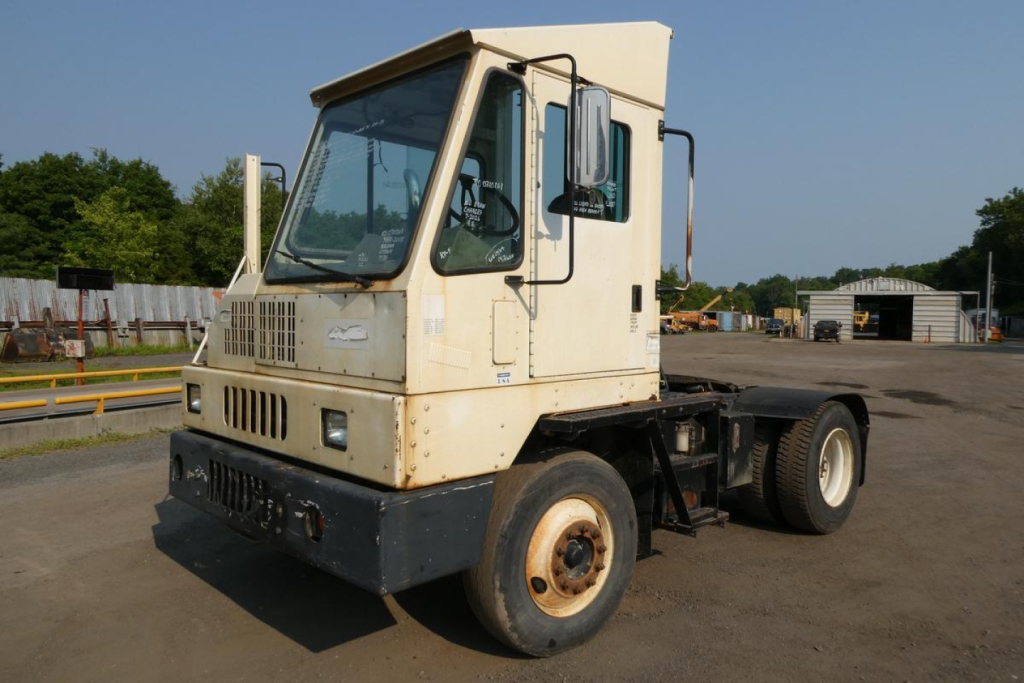
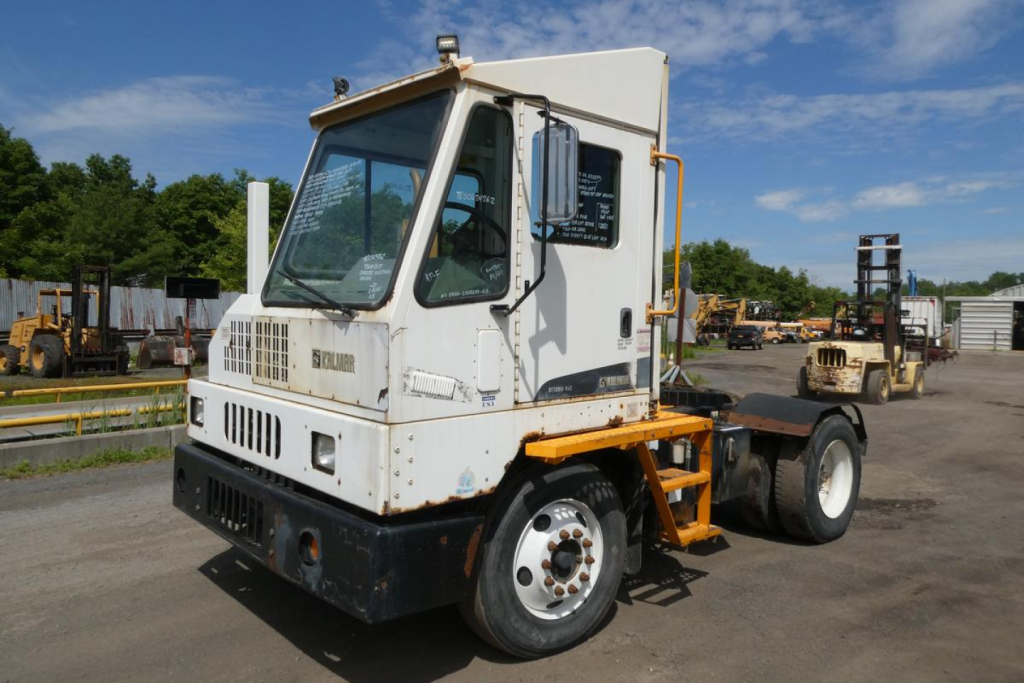
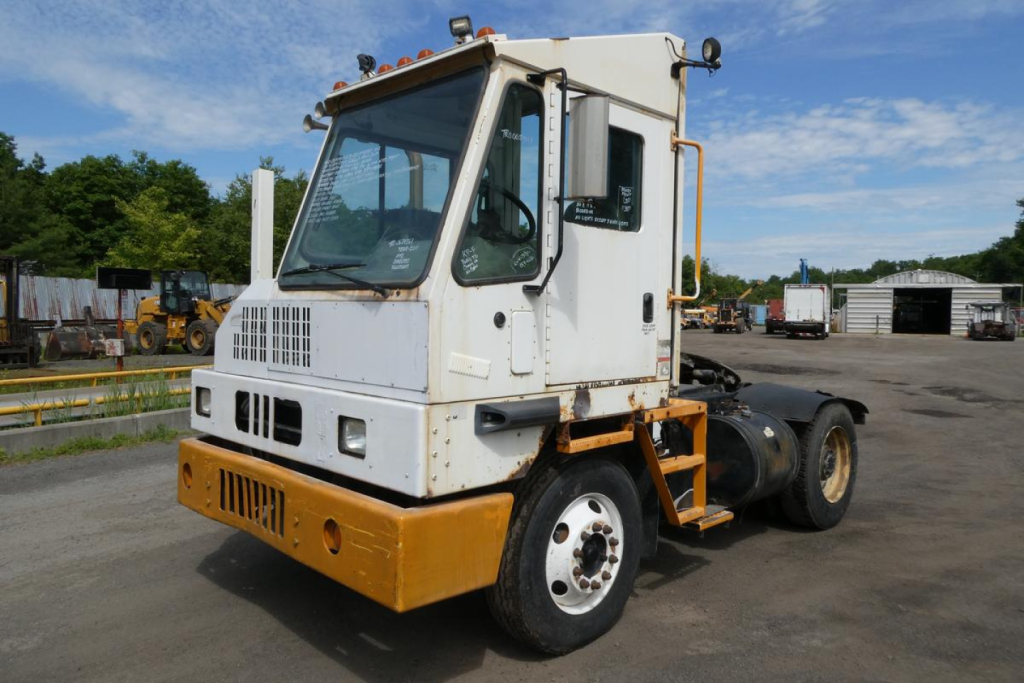
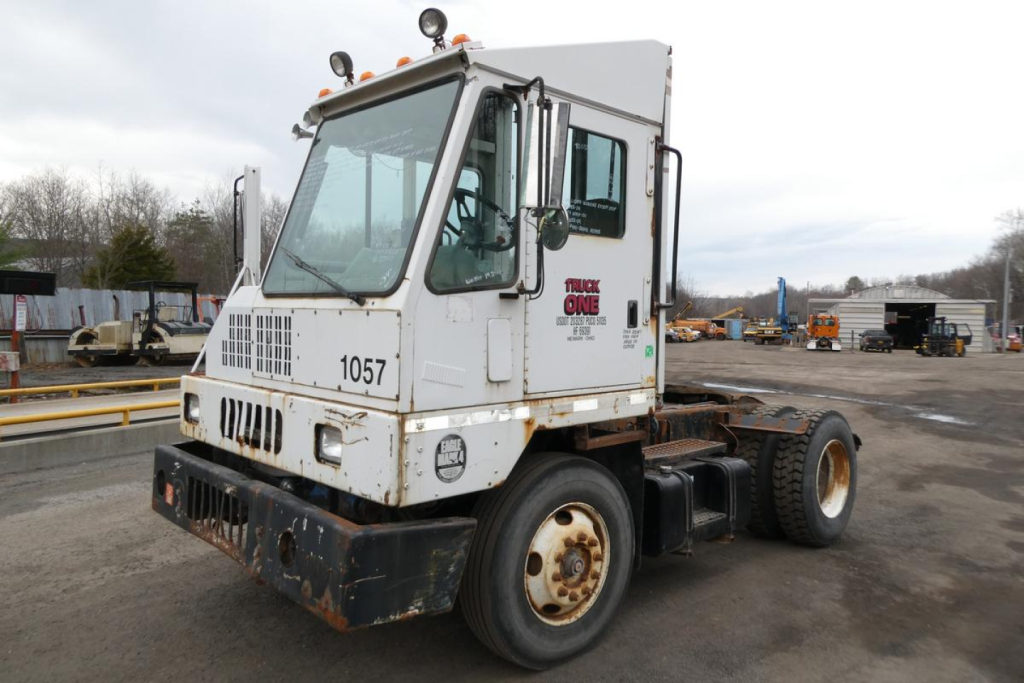
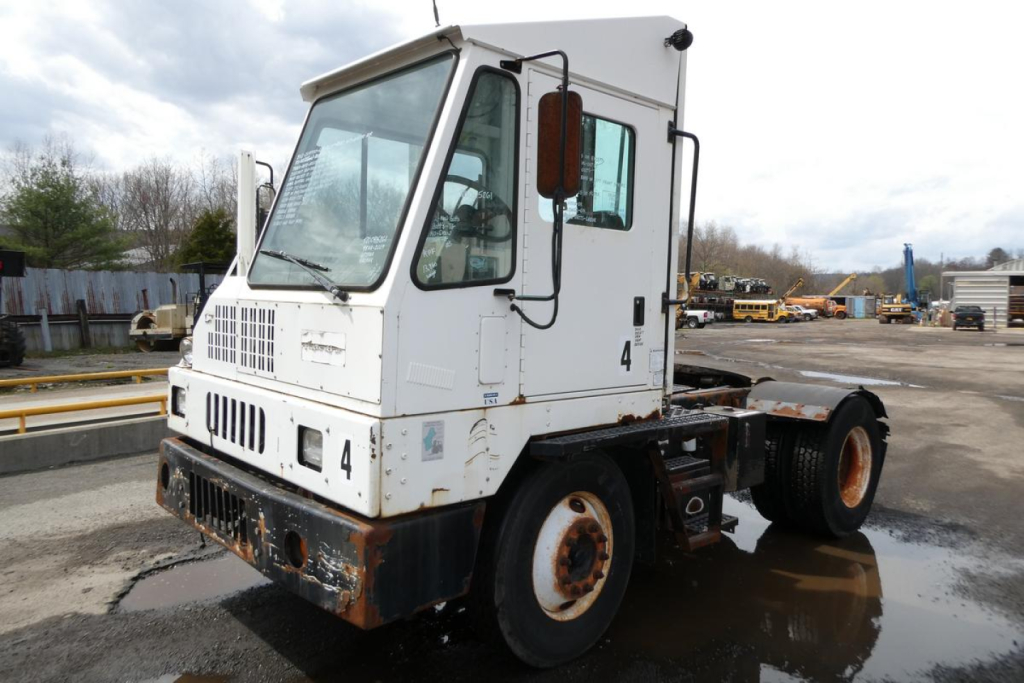
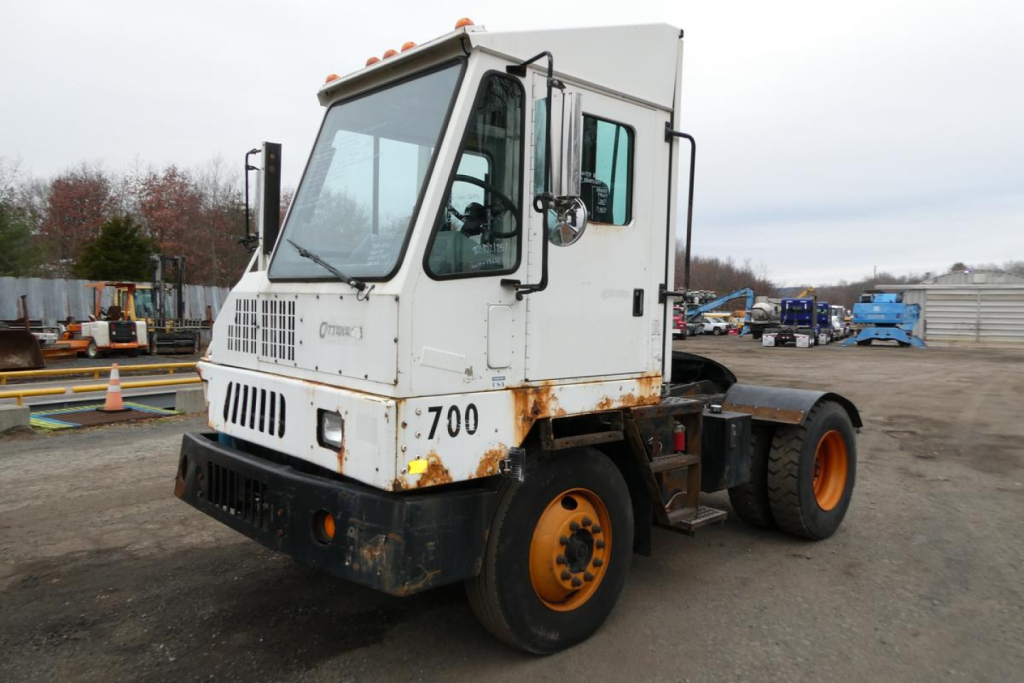
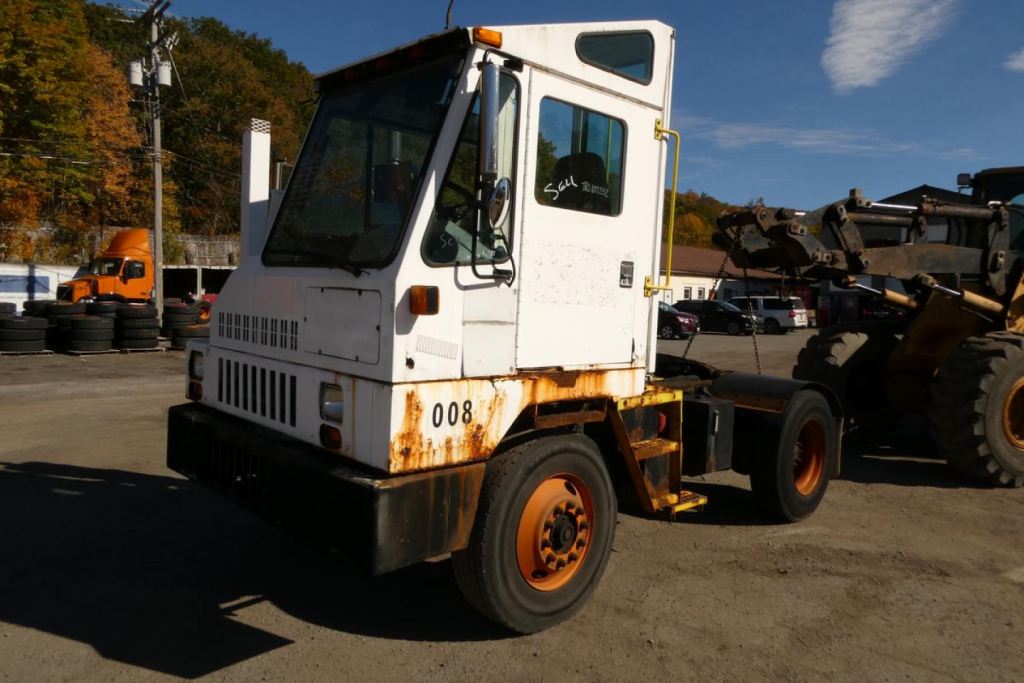
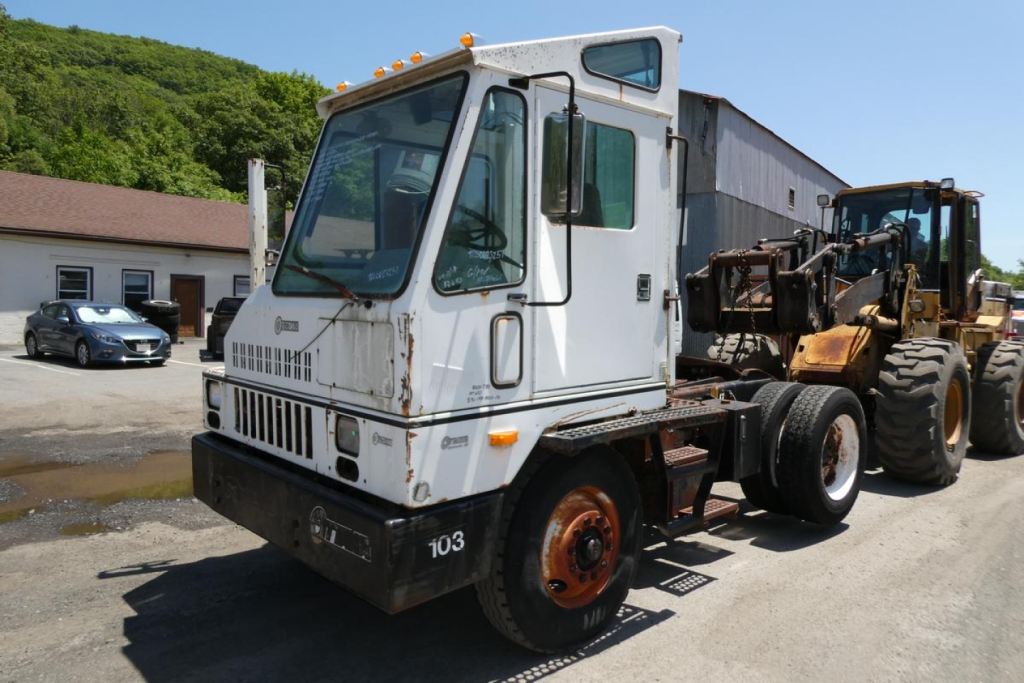
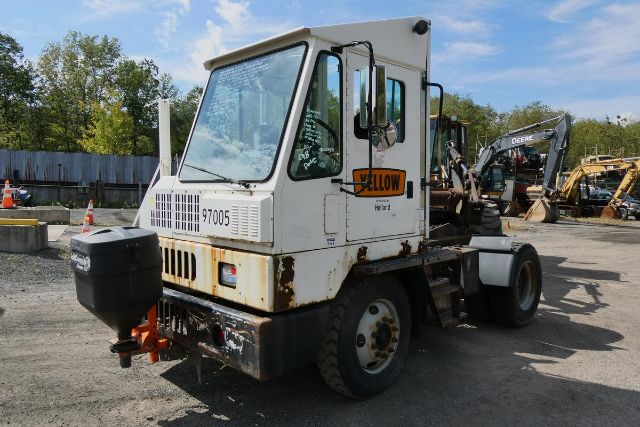
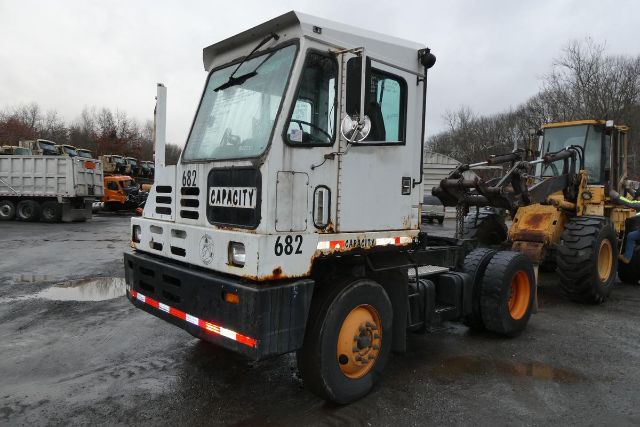
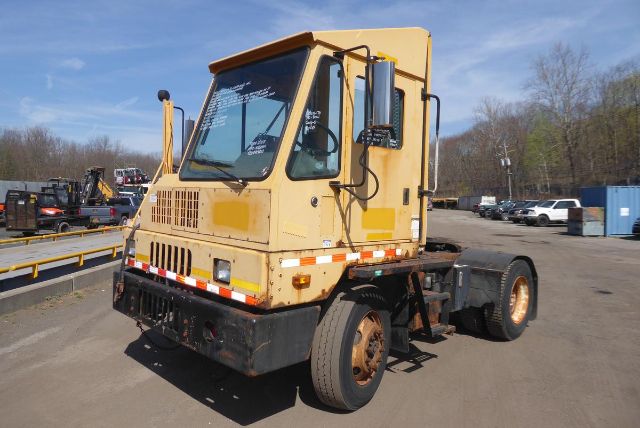
Selling a yard truck? List your yard truck for sale and reach thousands of commercial buyers.
Yard Trucks in New York
For most buyers, the real decision points are the fifth-wheel hydraulics, drivetrain condition, and axle ratio. Common used yard trucks in this category are powered by Cummins 5.9L or 6.7L engines paired with Allison automatics such as the MT643 or 3000RDS. Solid rear suspension is typical because these trucks spend their lives at low speeds under repeated load transfers rather than highway miles. Rear axles in the 23,000 to 30,000 lb range are common, and aggressive axle ratios like 7.17, 7.83, or 9.08 are normal because launch torque matters more than road speed. A buyer comparing listings should pay close attention to whether the hydraulic fifth wheel powers up and down smoothly, whether the cylinders seep, and how much wear is present in the pins and bushings.
In New York, climate and surface conditions matter. A yard truck working through snow, slush, and freeze-thaw cycles needs close inspection around hydraulic lines, cab floors, electrical connectors, frame corrosion, and brake condition. Features like front-mounted sanders can be useful in winter operations, but the basics still matter more: cold-start behavior, transmission engagement, steering play, and tire type. Most yard trucks ride on 22.5-inch rubber, often low-profile tires for a lower deck transfer height and stable yard handling. Wheelbases around 108 to 116 inches are common, and empty weights often land in the 12,500 to 14,000 lb range, depending on frame construction and hydraulic setup.
A good yard truck is not judged by highway specs. It is judged by how efficiently it moves trailers all day without downtime. Buyers should focus on engine run quality, automatic transmission operation, rear axle integrity, hydraulic response time, and structural wear around the fifth-wheel assembly and frame. Ottawa, Capacity, and Kalmar are the names most buyers know, and each has strong representation in fleets because parts support and service familiarity are well established. If the job is trailer spotting, dock staging, hostling, or short shuttle moves inside private property, this equipment class is built specifically for that duty cycle.
Frequently Asked Questions about Yard Trucks in New York
What is a yard truck used for?
A yard truck is used to move semi-trailers around confined properties such as warehouses, distribution centers, manufacturing plants, ports, and intermodal yards. Its main job is spotting trailers at dock doors, staging loaded or empty trailers, and making short shuttle moves at low speed. The hydraulic fifth wheel allows the operator to pick up and set down trailer noses quickly, which makes a yard truck much faster for repetitive trailer handling than a conventional road tractor.
What should I inspect first on a used yard truck?
Start with the hydraulic fifth wheel system, the transmission, and the structural condition around the frame and fifth-wheel mount. The fifth wheel should raise and lower smoothly, lock properly, and show limited leakage at the cylinders, hoses, and valve body. The transmission should engage cleanly in forward and reverse without slipping or long delays. After that, inspect engine cold-start behavior, steering components, rear axle condition, brake wear, and corrosion, especially if the truck has worked in northern climates where salt exposure is common.
Are yard trucks street legal?
Some yard trucks can be configured or registered for limited on-road use, but many are intended primarily for off-highway or private-property operation. Requirements depend on state rules, registration status, lighting, braking equipment, emissions compliance, and the specific route the truck will travel. In practice, most buyers use yard trucks for terminal and facility work rather than regular highway service, so it is important to confirm legal operating requirements before planning any public-road use.
What engine and transmission setups are common in yard trucks?
Many used yard trucks are equipped with Cummins diesel engines, especially the 5.9L and 6.7L platforms, paired with Allison automatic transmissions such as the MT643 or 3000RDS. This combination is popular because it delivers dependable low-speed power, simple operation, and good service support. Yard duty emphasizes constant starts, stops, and direction changes, so automatic transmissions and deep rear axle ratios are preferred over higher-speed highway gearing.
Why do yard trucks have very high rear axle ratios?
High numerical axle ratios such as 7.17, 7.83, or 9.08 are common because yard trucks are built for low-speed pulling power, not fuel-efficient highway cruising. These ratios help the truck launch loaded trailers from a stop, climb ramps, and perform repeated backing and docking maneuvers without strain. The tradeoff is limited top speed, but that is usually acceptable because terminal tractors are designed for short-distance work inside a yard.