
Capacity Yard Trucks For Sale
Shop Capacity yard trucks including TJ5000 and Sabre models. Compare Cummins power, hydraulic fifth wheels, DOT options, and hostler specs.
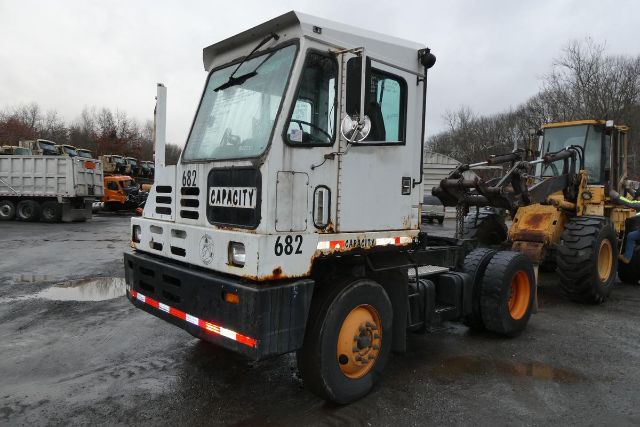
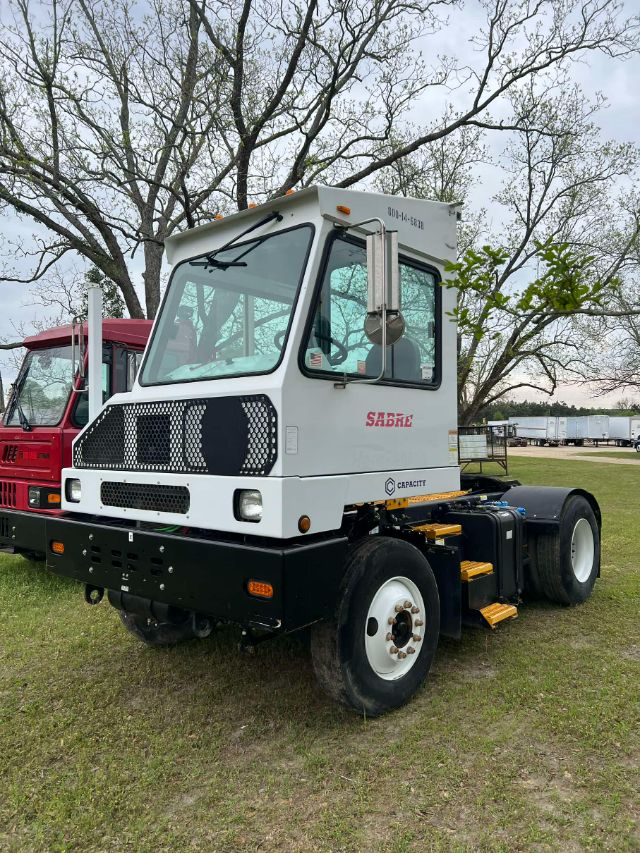
Selling a capacity yard truck? List your capacity yard truck for sale and reach thousands of commercial buyers.
Capacity Yard Trucks
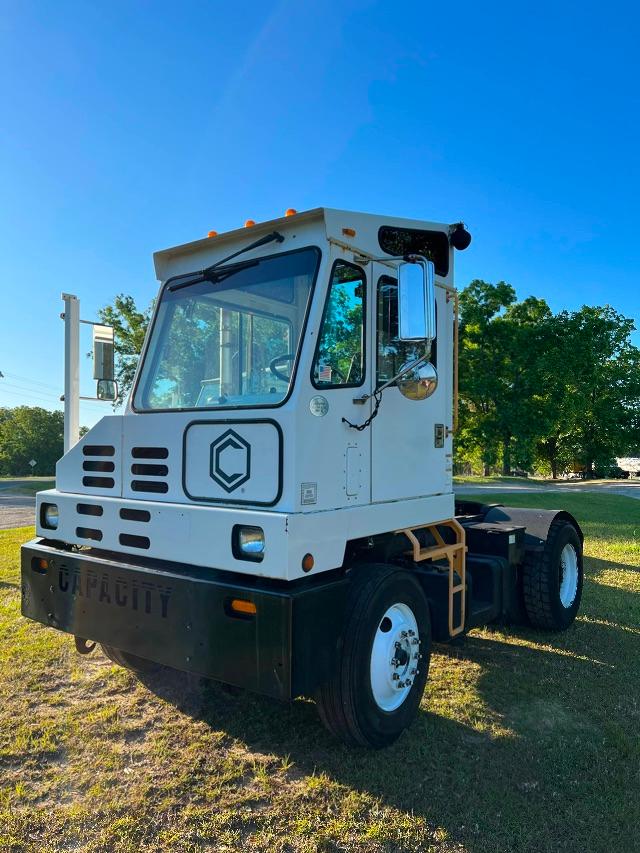
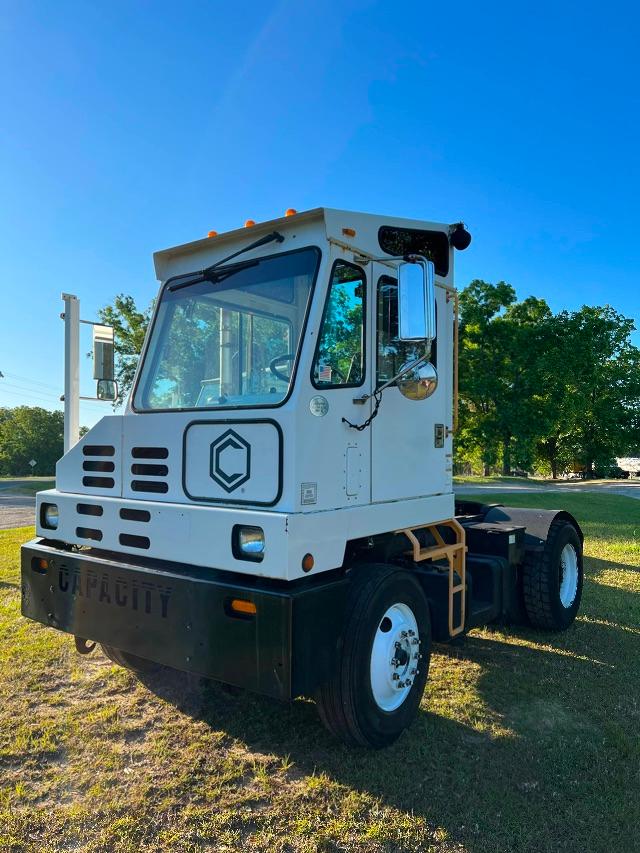
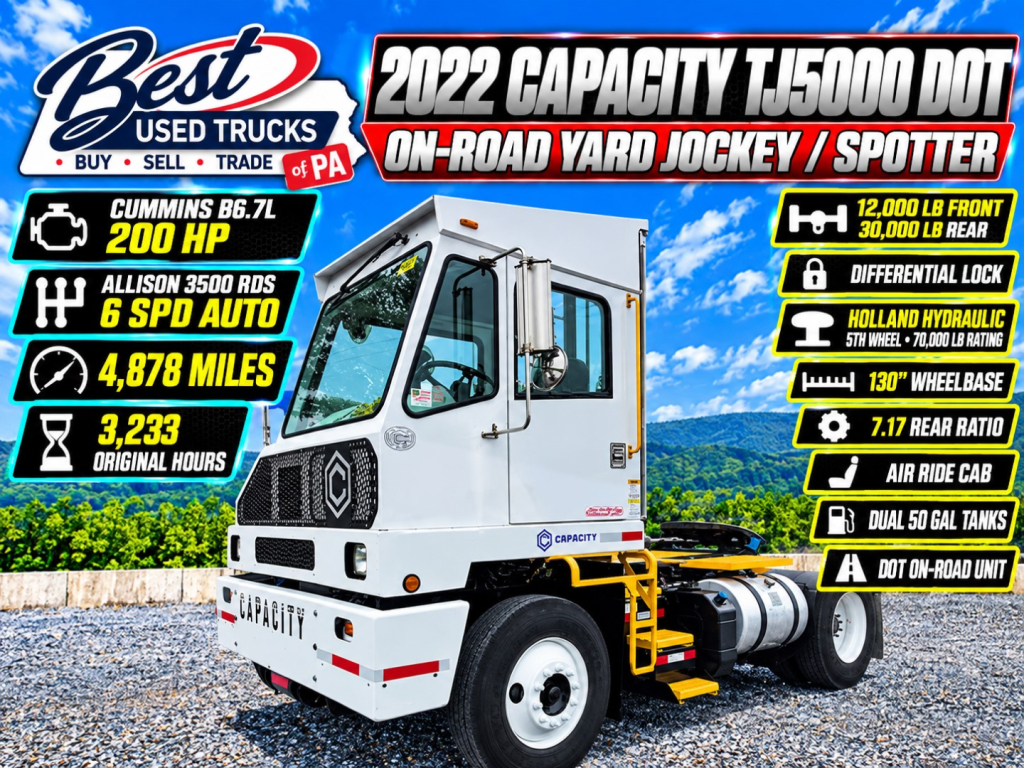
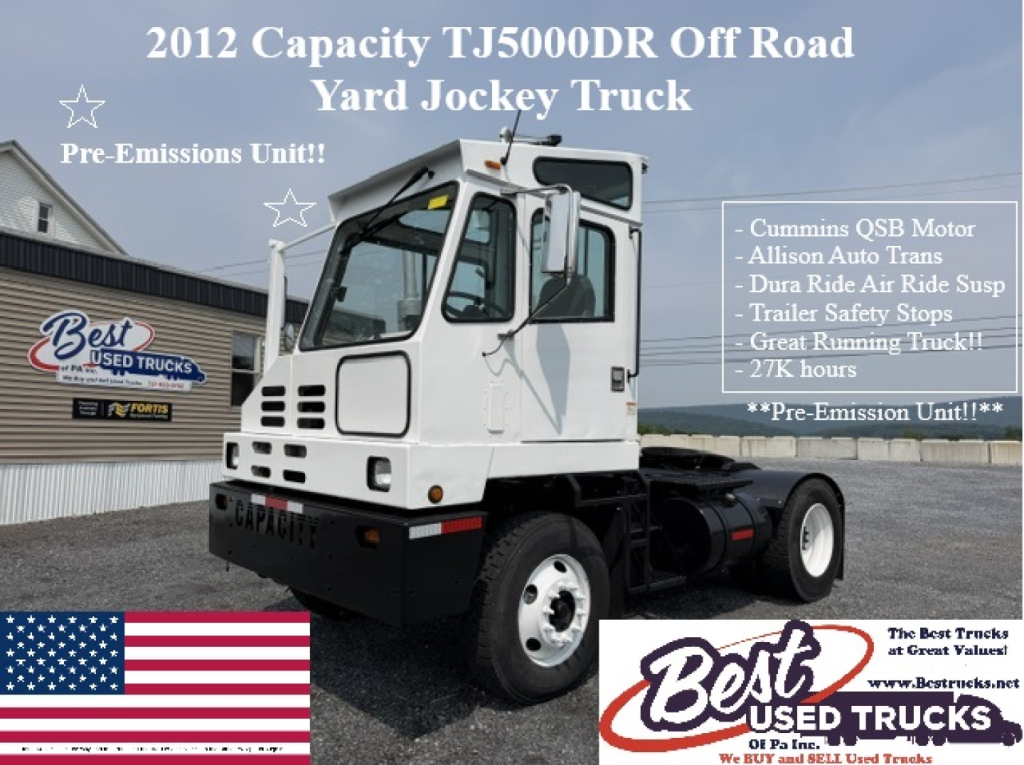
For most buyers, the first decisions are powertrain, fifth wheel system, and whether the truck needs to be DOT legal. Many Capacity yard trucks are spec'd with Cummins diesel engines, often in the 5.9L or 6.7L range, paired with Allison automatic transmissions such as the MT643. Horsepower on older and mid-range units is commonly around 150 to 160 HP, which is adequate for yard duty where low-speed torque and reliability matter more than highway cruising. Single-axle 4x2 configurations are standard, and wheelbases often land in the roughly 110-inch to 128-inch range. A hydraulic lift fifth wheel is the feature to inspect most closely because it directly affects spotting speed, trailer engagement, and downtime. Buyers should also pay attention to pin and bushing wear, hydraulic seepage, frame condition, and how smoothly the lift and slide functions operate under load.
Used Capacity terminal tractors can vary widely in spec and condition depending on where they worked. A warehouse yard truck may show modest hours and lighter wear, while a port or heavy industrial unit may have more stress on suspension, driveline, brakes, and cab components. Tire size is often low-profile 22.5, and rear axle ratings around 30,000 lb are common on older units. Solid rear suspension setups are typical for this class because stability and durability matter more than ride quality. Operator comfort still counts, especially in high-cycle yards, so details like air ride seats, heat, A/C, steering effort, and cab entry ergonomics can have a direct impact on productivity. If the truck will cross public roads between facilities, a DOT-legal configuration with proper lighting, equipment, and registration capability becomes an important filter.
A good Capacity yard truck is less about cosmetic appearance and more about hydraulic performance, brake response, cold-start behavior, and structural integrity. Service records, engine hours, and evidence of consistent fleet maintenance often tell you more than model year alone. Buyers comparing Capacity hostlers should look closely at engine type, transmission model, fifth wheel operation, axle rating, wheelbase, and whether the truck matches the duty cycle of the yard. For tight warehouse spotting, a basic hostler may be enough. For heavier trailer handling or short on-road moves, a newer DOT-ready unit with stronger cab amenities and cleaner emissions equipment may be the better fit.
Frequently Asked Questions about Capacity Yard Trucks
What is the difference between a Capacity yard truck and a road tractor?
A Capacity yard truck is purpose-built for moving semi-trailers around a yard, terminal, warehouse, or plant at low speeds. It typically has a short wheelbase, a set-back cab for visibility, and a hydraulic lifting fifth wheel that allows fast trailer hookups and drops. A road tractor is designed for sustained highway operation, higher speeds, sleeper or day cab routing, and over-the-road drivability. Yard trucks are more efficient for spotting work, but many are not intended for regular highway use unless they are specifically equipped as DOT-legal units.
What should I inspect first on a used Capacity TJ5000 or Sabre?
Start with the hydraulic fifth wheel system, because that is the core working component on a yard hostler. Confirm the fifth wheel lifts and lowers smoothly, check for hydraulic leaks, inspect pins and bushings for play, and look at the mounting structure for wear or repairs. After that, review engine hours, transmission engagement, brake condition, steering response, cooling system performance, and frame condition. On older units, worn cab mounts, electrical issues, and hard-use driveline wear are also common checkpoints.
Are Capacity yard trucks usually equipped with Cummins engines and Allison transmissions?
Yes, many Capacity terminal tractors in the used market are equipped with Cummins diesel engines and Allison automatic transmissions. Common examples include Cummins 5.9L and 6.7L engines paired with Allison automatics such as the MT643. This combination is popular because it is simple, proven, and well-suited to repetitive stop-and-go yard service. Exact engine family, emissions system, and transmission model will vary by year and spec, so buyers should verify the serial tags and service history before purchase.
Do I need a DOT-legal Capacity yard truck?
You need a DOT-legal yard truck if the unit will operate on public roads, even for short distances between yards, lots, or facilities. A non-DOT hostler may be perfectly suitable for closed private property, but it can create compliance problems if the route includes public access. DOT-legal units generally include the required lighting, mirrors, braking equipment, and road-use configuration needed for legal operation. Buyers should confirm title status, registration capability, and local regulatory requirements, not just the seller's description.
What specs matter most when comparing used Capacity yard hostlers?
The most important specs are engine type, transmission model, wheelbase, rear axle rating, fifth wheel lift system, and overall operating condition. In practical terms, buyers should match the truck to trailer weights, surface conditions, daily cycle count, and whether the job includes road travel. A shorter wheelbase helps maneuverability in congested yards, while a sound hydraulic fifth wheel improves spotting speed. Hours, maintenance records, tire condition, and brake life often have more real value than a newer model year with unknown upkeep.