
Capacity Yard Trucks For Sale in Georgia
Browse Capacity yard trucks for sale in Georgia. Compare TJ5000 terminal tractors, DOT-legal specs, Cummins power, and yard-ready features.
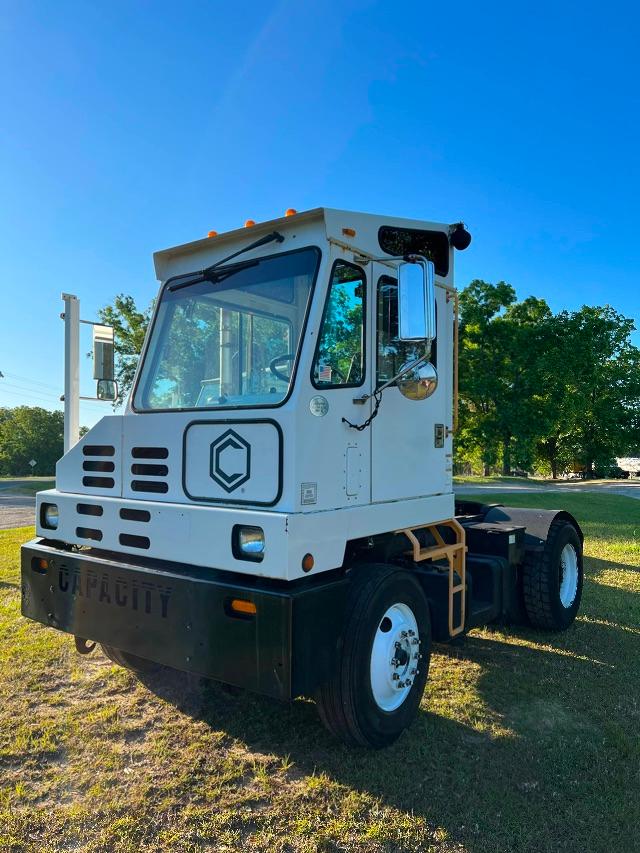
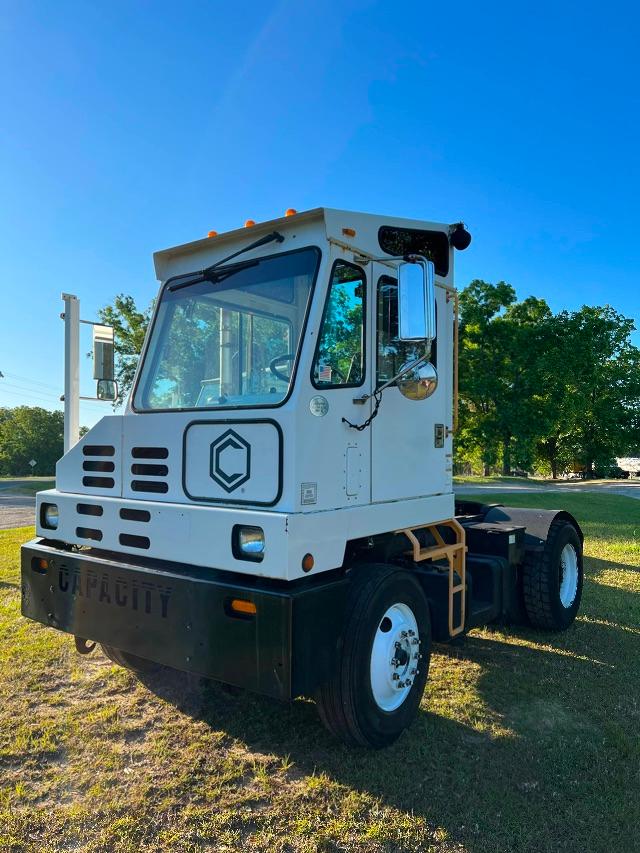
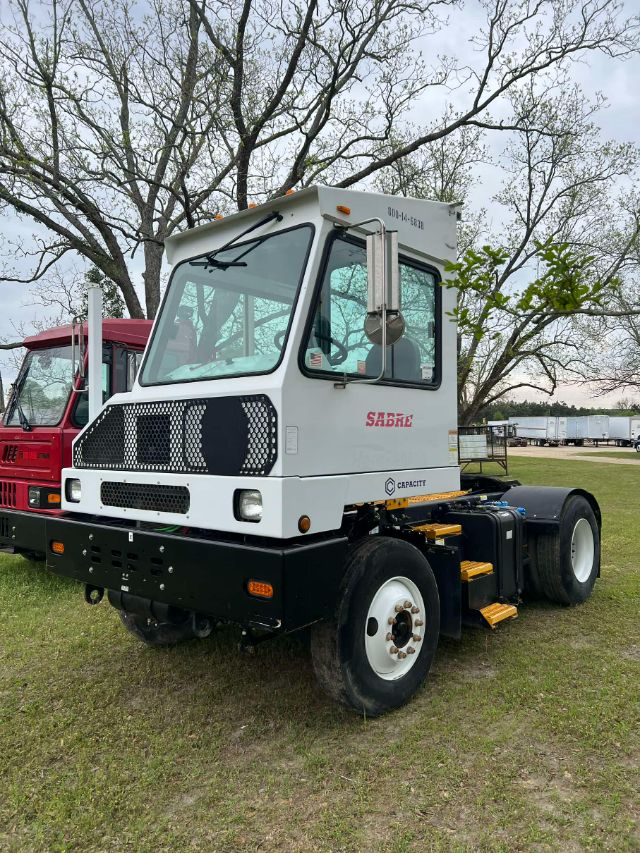
Selling a capacity yard truck? List your capacity yard truck for sale and reach thousands of commercial buyers.
Capacity Yard Trucks in Georgia
A good yard truck decision starts with configuration. Many Capacity units are equipped with Cummins diesel engines and Allison automatic transmissions, a common combination for stop-and-go yard work because it is simple to operate and well supported for service. The hydraulic fifth wheel is one of the most important features in this category, since quick trailer spotting depends on smooth lift and lock function more than highway-style specs. Buyers should also pay attention to frame condition, rear axle rating, hours, brake type, tire condition, and the operation of the electrical and air connections used for trailer moves. On a used terminal tractor, engine hours often tell more than mileage because these trucks spend much of their life in low-speed, high-idle service.
DOT-legal Capacity yard trucks deserve special attention. A DOT unit can be a strong fit for operations that need to cross public roads, shuttle trailers between nearby lots, or support plant-to-warehouse moves without stepping up to a full road tractor. That said, buyers should verify the exact road-legal equipment package, including lighting, mirrors, brakes, emissions equipment, and any local or state compliance needs in Georgia. If the truck will stay inside a private yard, a non-DOT setup may be enough and can simplify the purchase decision.
The right Capacity yard truck is usually the one with the cleanest service history and the best match for your trailer volume, shift length, and site layout. Check cab entry and visibility, heater and A/C performance, seat condition, steering response, and how quickly the fifth wheel raises and lowers under load. In high-throughput yards, uptime matters more than cosmetic appearance. A well-maintained Capacity terminal tractor with strong hydraulic function, predictable transmission behavior, and solid cooling performance can be a very efficient trailer-moving tool for warehouse and distribution operations.
Frequently Asked Questions about Capacity Yard Trucks in Georgia
What is a Capacity yard truck used for?
A Capacity yard truck is used to move semi-trailers around a yard, terminal, warehouse, distribution center, or port facility. Its main job is spotting trailers quickly and repeatedly, often over short distances with frequent stops, backing, and coupling cycles. Compared with a road tractor, a terminal tractor is optimized for visibility, easy cab entry, tight turning, and fast hydraulic fifth wheel operation.
What is the difference between a DOT-legal Capacity yard truck and a standard yard spotter?
A DOT-legal Capacity yard truck is equipped to operate on public roads within the limits of its registration and applicable regulations, while a standard yard spotter is typically intended for private property only. DOT-legal units may include additional lighting, mirrors, safety equipment, brake components, and compliance-related features. Buyers should confirm the exact legal status of the truck rather than assuming every terminal tractor can be used on the road.
Why do buyers often look for a Cummins engine and Allison transmission in a Capacity TJ5000?
The Cummins and Allison combination is popular in terminal tractors because it fits the stop-and-go nature of yard work and has broad service support. Cummins engines are common in commercial fleets, and Allison automatics are well suited for repetitive low-speed maneuvering with multiple drivers. That setup can simplify training, maintenance planning, and parts sourcing compared with less common driveline configurations.
Should I judge a used yard truck by mileage or hours?
Hours are usually more important than mileage on a used yard truck. Terminal tractors spend much of their working life moving slowly, idling, coupling trailers, and operating hydraulic systems, so mileage can look low even on a heavily used unit. Buyers should review engine hours together with maintenance records, hydraulic fifth wheel condition, cooling system performance, brake wear, and cab functionality.
What should I inspect first on a used Capacity yard truck?
Start with the hydraulic fifth wheel, engine, transmission, and cooling system because those components directly affect daily productivity. Then inspect frame condition, axle ratings, brakes, tires, air and electrical lines, and the general condition of the cab. If the truck will run long shifts in Georgia heat, confirm that the radiator, fan operation, heater, and A/C are all working properly, since operator comfort and cooling reliability matter in continuous yard service.