
Used Plow Trucks For Sale in New York
Browse used plow trucks for sale in New York, including municipal snow plow and sander trucks built for winter road service.
Learn more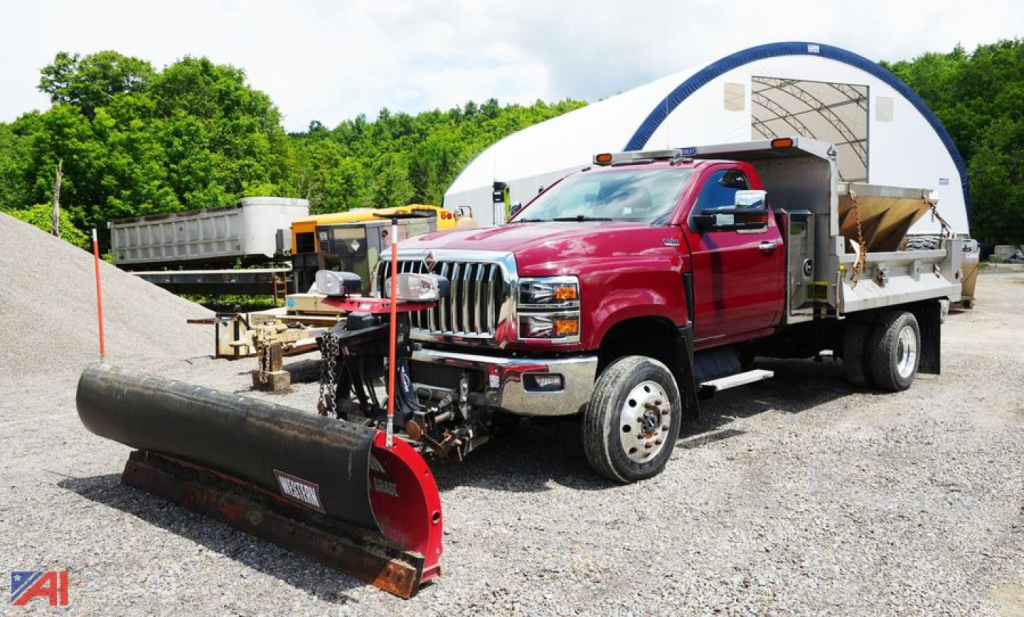
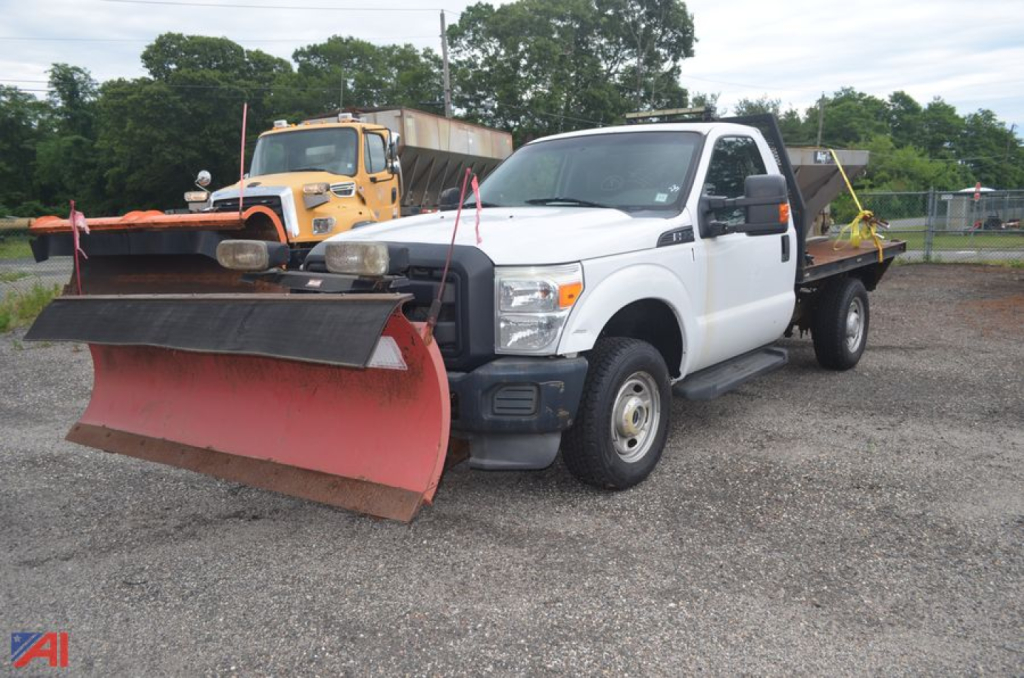
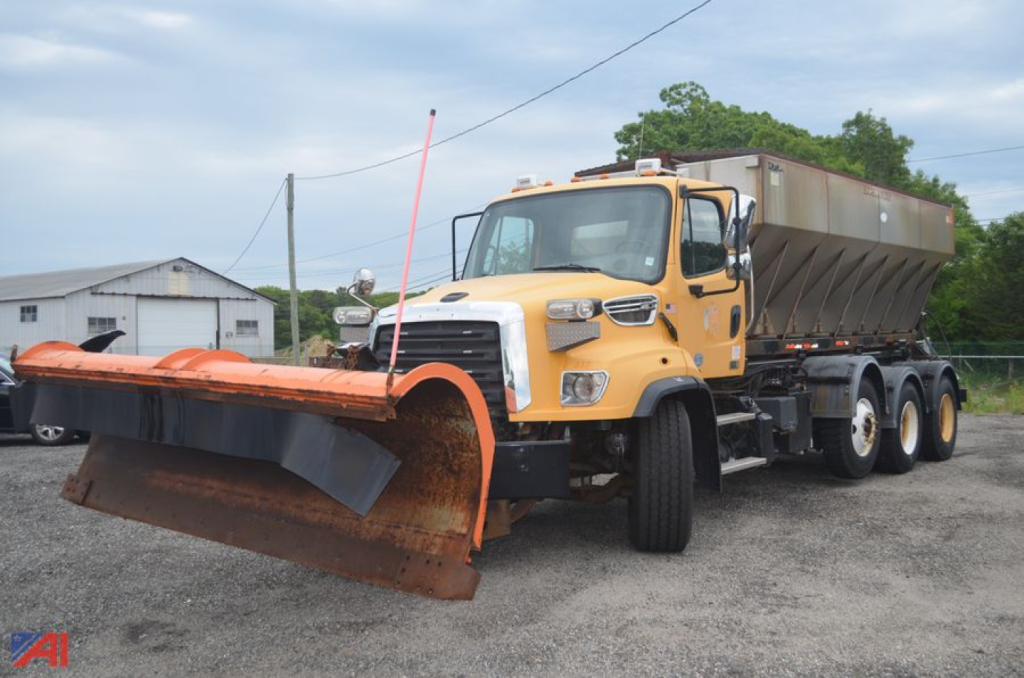
Have used plow truck to sell? List it here to reach thousands of buyers.
About Used Plow Trucks in New York
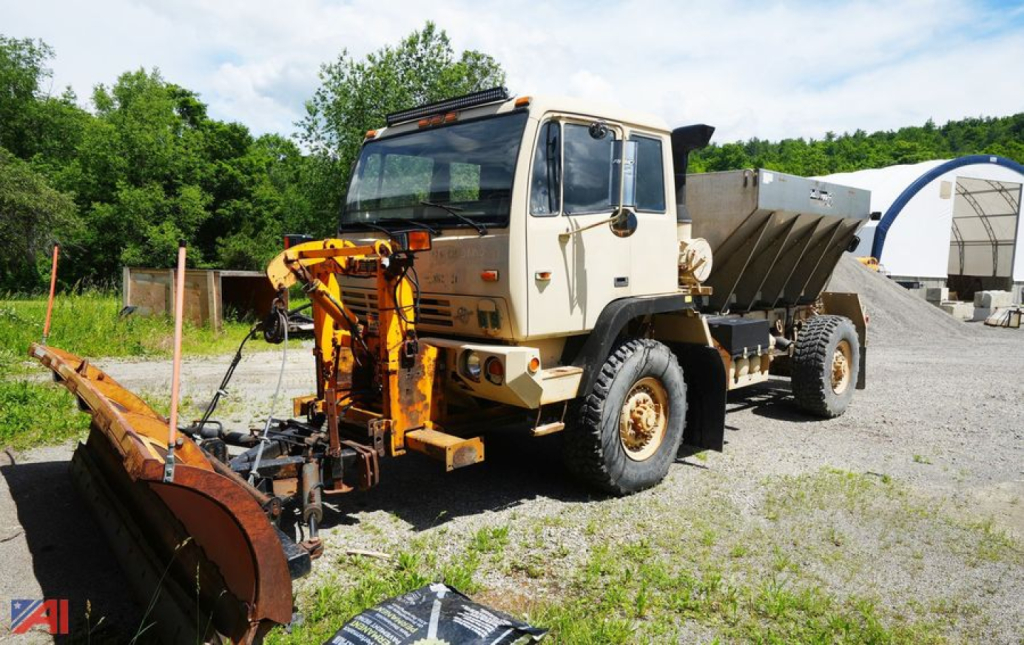
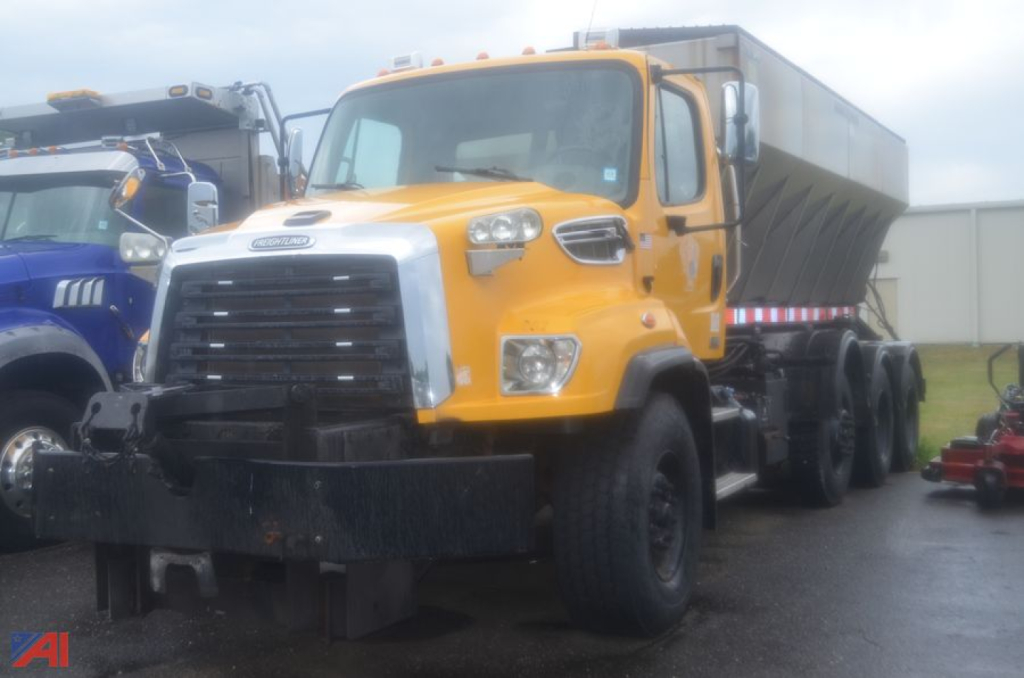
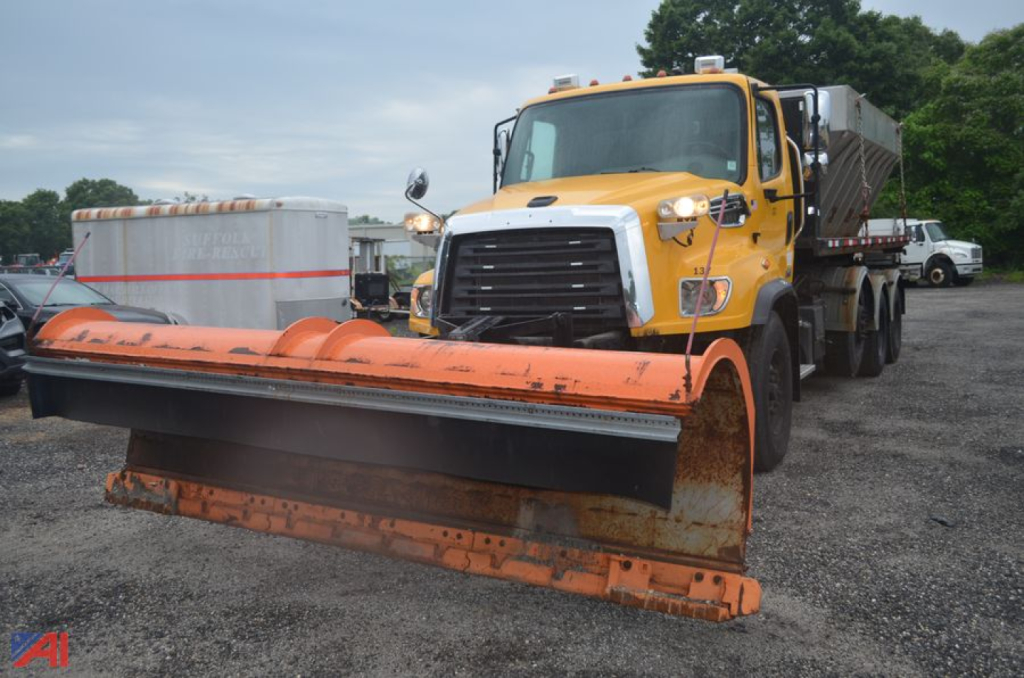
On heavier models, common platforms include severe-duty vocational trucks from Freightliner, International, Mack, Western Star, and Kenworth, often paired with automatic transmissions, front axle ratings suited for plow weight, and corrosion-resistant dump or combination bodies. In New York, a lot of used plow trucks come out of municipal or county fleets, which can be a positive if the service records are strong and the truck was maintained on a fixed schedule. At the same time, buyers should inspect for rust at the frame, crossmembers, cab corners, spring hangers, hoist mounts, and underbody spreader components because salt exposure is part of the job. Hydraulic leaks, cutting edge wear, pump performance, controller operation, and electrical corrosion at lighting and plow harness connections are all worth checking closely.
The right spec depends on the route and material plan. A pickup or Class 3-5 truck can make sense for private contractors handling driveways, retail lots, and smaller access roads. A Class 7-8 plow truck with a dump body and sander is better suited for town roads, county routes, and long winter shifts where payload, traction, and material capacity matter. Buyers should look at front GAWR, wheelbase, plow mount compatibility, spreader type, PTO or hydraulic setup, and whether the truck is carrying a live bottom, auger, or chain-type material delivery system. If the truck includes a wing, check the wing tower, hinge points, and controls, since repairs there can add up quickly.
A used plow truck is less about cosmetic condition and more about how well the equipment package still works under load in cold weather. Cold-start behavior, brake condition, tire match, charging system output, heater performance, DEF or emissions system status on newer diesels, and operation of every plow and spreader function should all be part of the evaluation. For New York buyers, road-legal lighting, municipal paint history, idle hours, and off-season use can also influence value. A good used plow truck should be judged as a complete winter service unit, not just as a cab and chassis with a blade attached.
Frequently Asked Questions
What should I inspect first on a used plow truck?
Start with corrosion, hydraulic function, and front axle condition. Rust from salt exposure is the biggest long-term issue on plow trucks, especially around the frame, body mounts, crossmembers, plow frame, spreader, and electrical connections. After that, verify that the plow raises, angles, and trips correctly, and that any spreader or sander operates smoothly with no binding, leaks, or controller faults. The front suspension, steering components, and axle rating also deserve close attention because plow equipment puts constant weight and shock load on the front end.
Are municipal fleet plow trucks a good buy?
They can be, especially when they come with documented maintenance and consistent service intervals. Many municipal trucks are maintained by in-house shops and repaired on schedule, which is a plus. The tradeoff is that they often see heavy winter use, extended idle time, and constant exposure to salt, brine, and stop-and-go duty cycles. A municipal history is usually strongest when the truck shows solid service records, functioning equipment, and manageable structural rust rather than cosmetic appearance alone.
What size plow truck makes sense for private snow contractors?
That depends on the type of accounts being serviced. Pickup-based plow trucks and smaller cab-and-chassis units are practical for driveways, commercial lots, apartment complexes, and tight access areas where maneuverability matters. Larger single-axle or tandem plow trucks make more sense for road contracts, large industrial sites, and routes that also require onboard salt or sand capacity. The key is matching the truck's front axle rating, body size, spreader capacity, and turning radius to the work instead of buying only by horsepower or gross vehicle weight.
How important is the spreader or sander setup on a used plow truck?
It is a major part of the truck's value because winter productivity depends on more than the blade. Buyers should confirm the body type, material delivery method, chain or auger condition, spinner operation, controls, vibrator function, and whether the system is hydraulic, electric, or PTO-driven. A truck with a sound chassis but a worn-out spreader can require significant reconditioning before it is ready for route work. In many cases, the spreader system is one of the most expensive components to rebuild after purchase.
Do emissions systems matter on newer used plow trucks?
Yes, especially on diesel trucks that spend long periods idling or operating at low speeds during snow events. DPF, DEF, and EGR systems can be affected by that duty cycle if maintenance has been inconsistent. Buyers should look for fault codes, regeneration history, warning lights, and signs that the truck struggles to complete a proper regen. A newer plow truck can offer better cab comfort and powertrain efficiency, but the emissions system needs to be in good working order for reliable winter service.