
Plow Trucks For Sale
Compare commercial plow trucks for sale, from 4x4 pickups to municipal tandems with wings and spreaders. See key specs, options, and buying tips.

Selling a plow truck? List your plow truck for sale and reach thousands of commercial buyers.
Plow Trucks
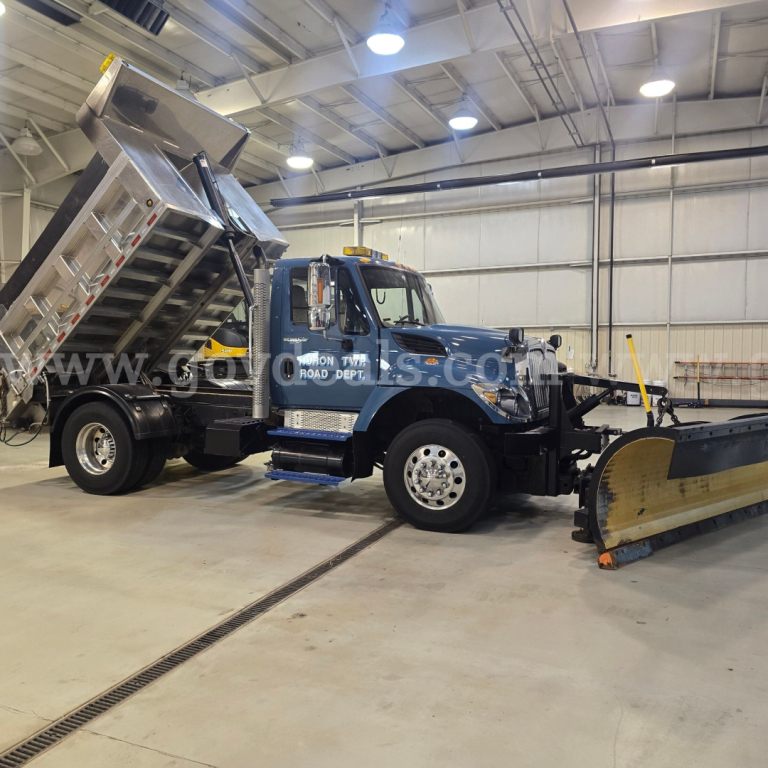
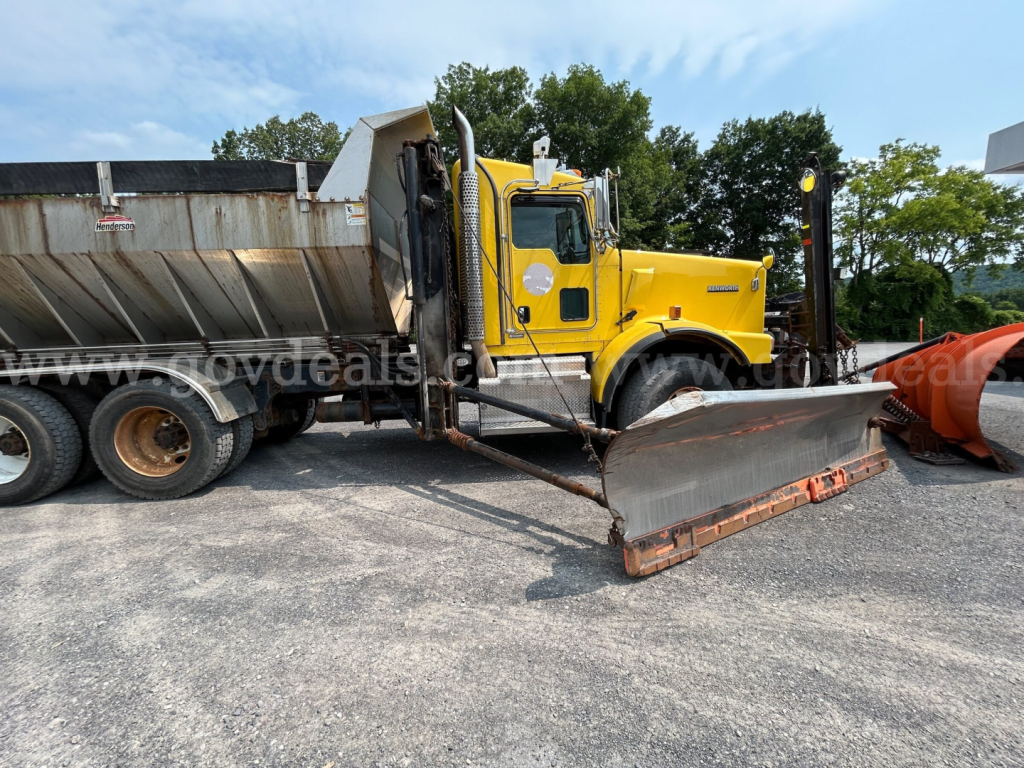
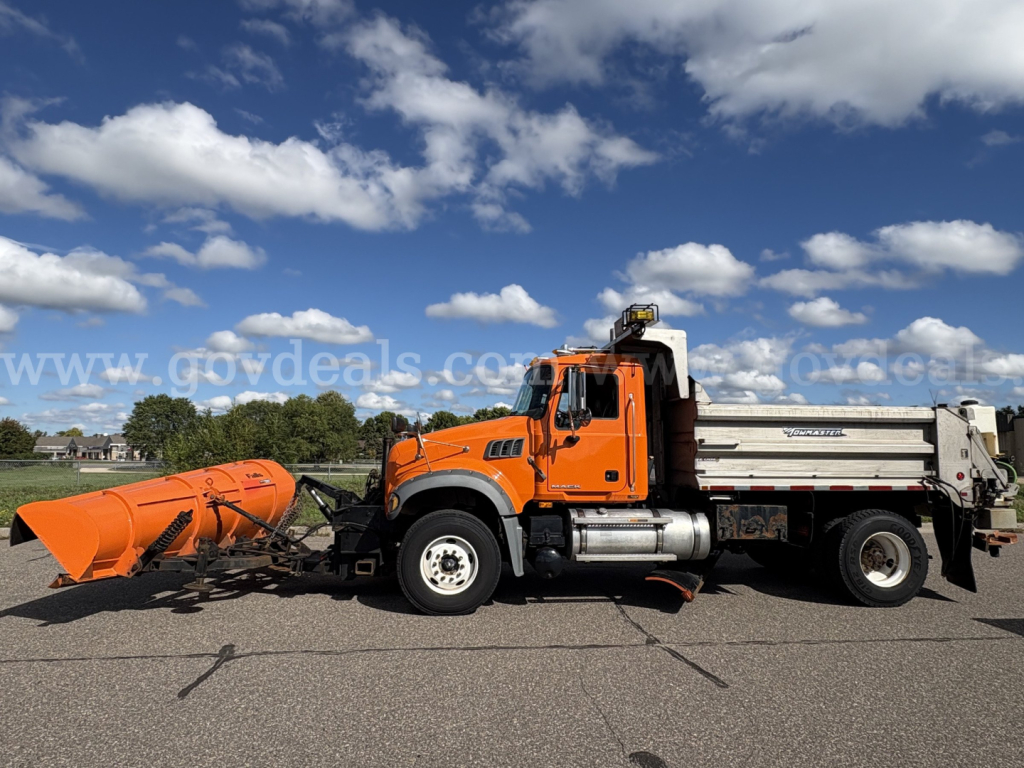
Blade style should match route type. Pickup and light commercial chassis typically run 7.5 to 9 ft straight blades or 8.5 to 10 ft V-plows, while single-axle municipal rigs carry 10 to 12 ft reversible front plows. V-plows open drifts and stack efficiently, straight blades windrow predictably, and one-way plows cast snow at higher road speeds. Wing plows can push clearing widths to 14 to 16 ft, and underbody scrapers cut pack and ice close to the pavement. Steel moldboards are durable and easy to repair, polyethylene sheds snow and resists corrosion, and stainless hardware slows rust. Trip-edge designs protect the cutting edge and keep the moldboard stable, while full-trip blades are more forgiving on obstacles. Cutting edges are available in steel, carbide for longevity, or rubber for sensitive surfaces.
Material application is a major differentiator among snow plow trucks for sale. Tailgate spreaders suit small routes and brine-only strategies. V-box or hopper spreaders range from 1 to 5 yd3 on Class 3 to 5 chassis and 7 to 15 yd3 on Class 7 to 8 tandems. Electric 12V drives are simple and cost effective on light trucks, hydraulic drives integrate cleanly with central systems, and gas engine drives are common on retrofits. Conveyor chain bodies move heavy, wet mixes, while augers meter precisely for treated salt. Pre-wet systems and saddle tanks improve stick and reduce bounce, and some fleets add direct-liquid anti-icing bars. Rock salt weighs about 2,000 to 2,400 lb per cubic yard, so verify legal axle weights and wheelbase before sizing the hopper.
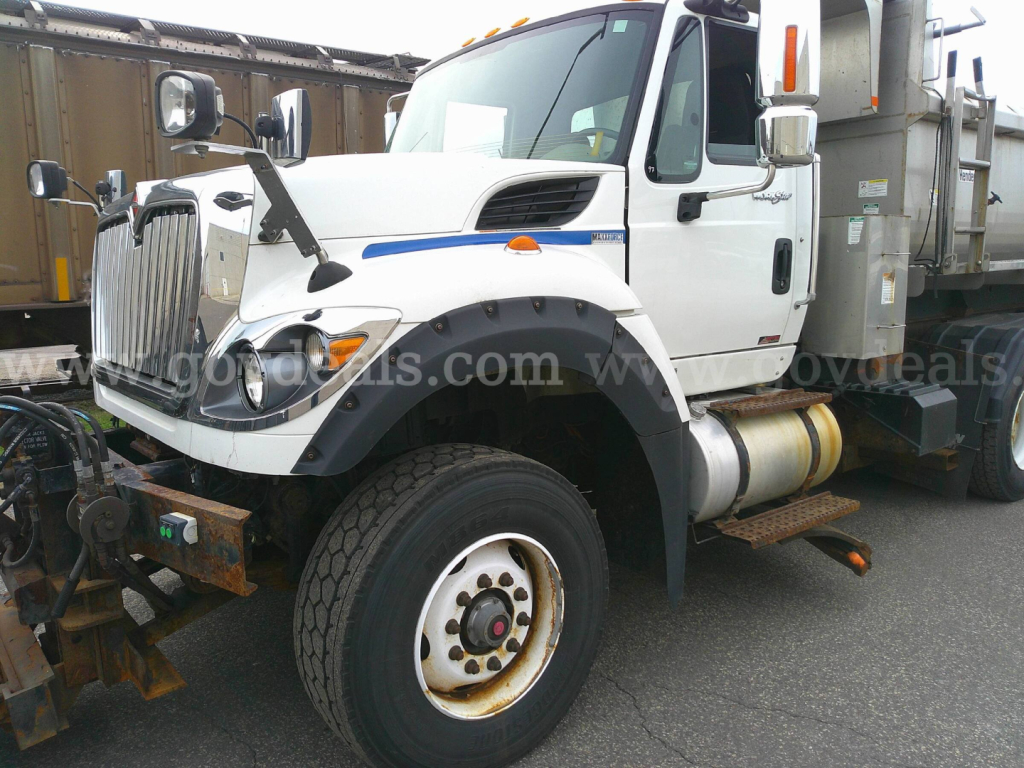
Chassis and driveline choices affect uptime and traction. 4x4 and locking differentials help in lots and rural routes, while tandems gain stability and payload for highway plowing. Automatics pair well with live PTOs and low-speed control, and many municipal builds use proportional valves and joystick pods for multi-function operation. Cold-weather packages bring block heaters, heated mirrors, de-icing washer nozzles, and high-capacity HVAC. Rust control matters: stainless or galvanized bodies, sealed harnesses, polyurethane hydraulic lines in exposed areas, and regular washdown extend life. Inspect used snow plow trucks for frame horn wear, mount integrity, harness repairs, pump and valve performance, cutting edge life, spreader conveyor condition, and corrosion at crossmembers and brake lines, then weigh both miles and engine idle hours when assessing overall duty cycle.
Also known as: Snow Plow Truck
Frequently Asked Questions about Plow Trucks
What size plow blade should I match to my truck?
Blade width and weight must align with front GAWR, wheelbase, and intended service. Class 3 to 5 trucks commonly run 7.5 to 10 ft blades, with V-plows at the heavier end. Single-axle municipal trucks typically use 10 to 12 ft front blades and may add a wing or underbody scraper. Check the plow maker’s recommended match for your chassis, confirm curb weight plus plow does not exceed front axle rating, and ensure the mount height fits your suspension and tire size.
Do I need central hydraulics or will electric-hydraulic be enough?
For one front blade and a small hopper on a light truck, electric-hydraulic is usually sufficient, easier to install, and lower cost. If you plan to run multiple functions at once, such as front plow, wing, underbody scraper, and a large hopper, central hydraulics with a front-engine PTO provides higher flow, continuous duty performance, and cleaner in-cab control integration. Consider service network, pump location, reservoir size, and filtration when comparing systems.
How much salt can I legally carry on my plow truck?
Start with GVWR and axle ratings, then subtract curb weight, plow assembly, spreader, liquid tanks, fuel, and operator to find available payload. Rock salt is roughly 2,000 to 2,400 lb per cubic yard, so a 2 yd3 hopper can add 4,000 to 4,800 lb before liquid. Balance the load to stay within front and rear GAWR and maintain proper front axle traction. Wheelbase, suspension, and body length all influence legal and safe payload.
Which is better for my route: V-plow, straight blade, or one-way plow?
V-plows excel at busting drifts, breaking banks, and stacking, making them strong in variable-depth, off-highway, or lot work. Straight blades are predictable for windrowing and back-dragging, with simpler mechanics and often lower cost. Reversible one-way highway plows cast snow effectively at speed and pair well with wings for lane-width clearing. Match the blade to your average snow type, speed, and surface mix, then size the cutting edge for expected wear and impact.
What should I inspect on a used plow truck before buying?
Verify front axle rating against the mounted plow, check frame horns and plow mount for cracks or elongated bolt holes, and test hydraulic pump output and valve responsiveness under load. Inspect harness connectors for corrosion, look at cutting edge and trip mechanisms for uneven wear, and examine the spreader conveyor or auger, spinner bearings, and control module. Underneath, check crossmembers, brake and fuel lines, and body sills for rust. Review engine idle hours and transmission service history since winter work involves extended low-speed operation.