
Used Plow Trucks For Sale
Used plow trucks for snow and ice control, including municipal spec dump trucks with plows, wing plows, spreaders, and hydraulic systems.
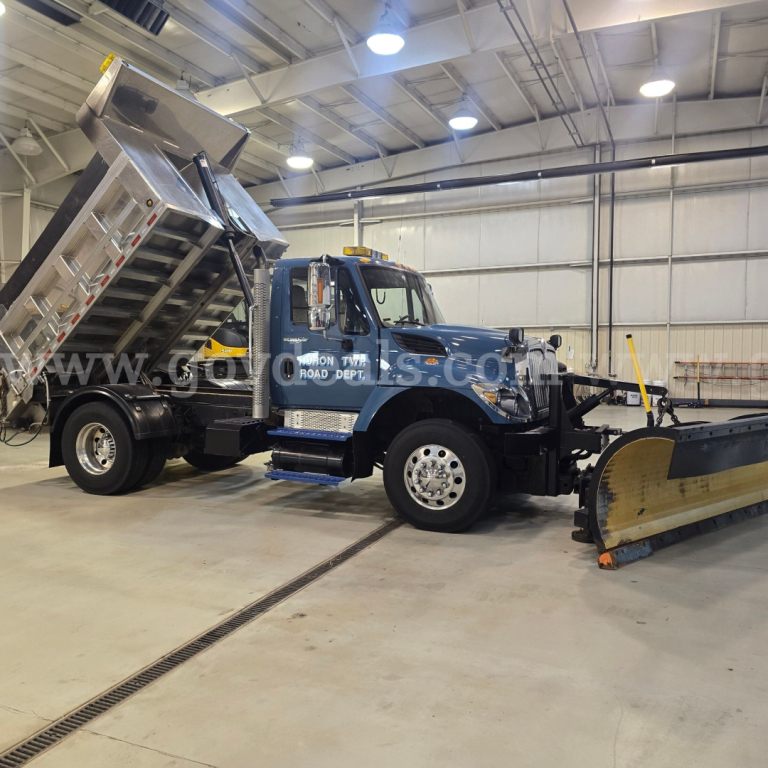
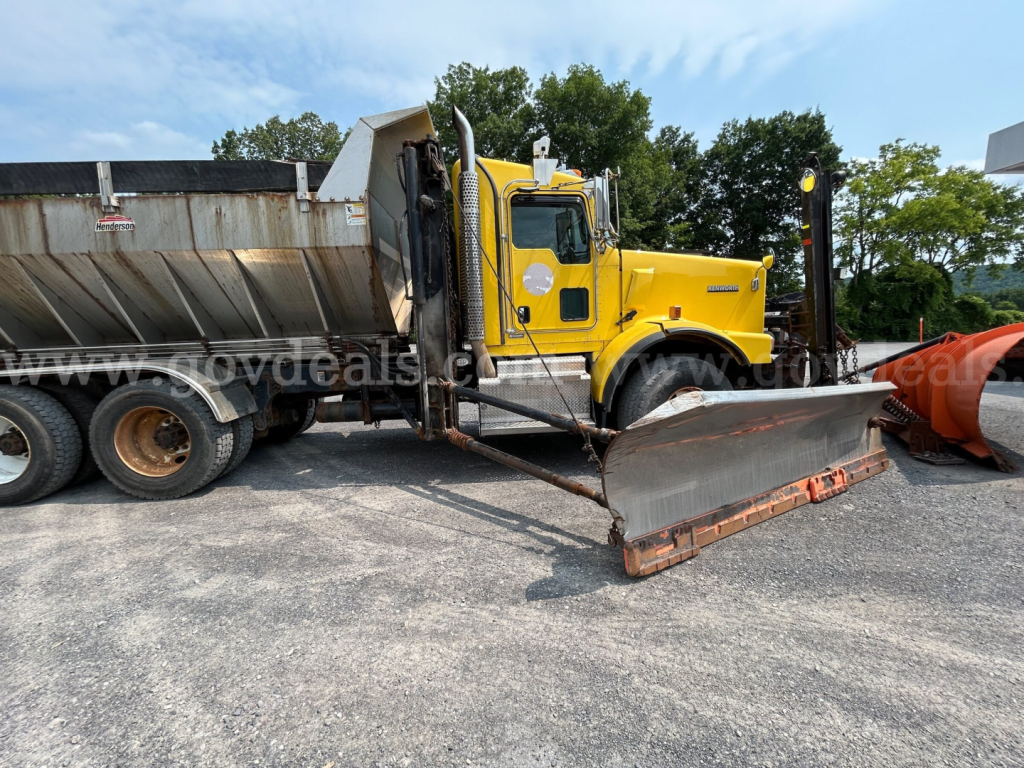
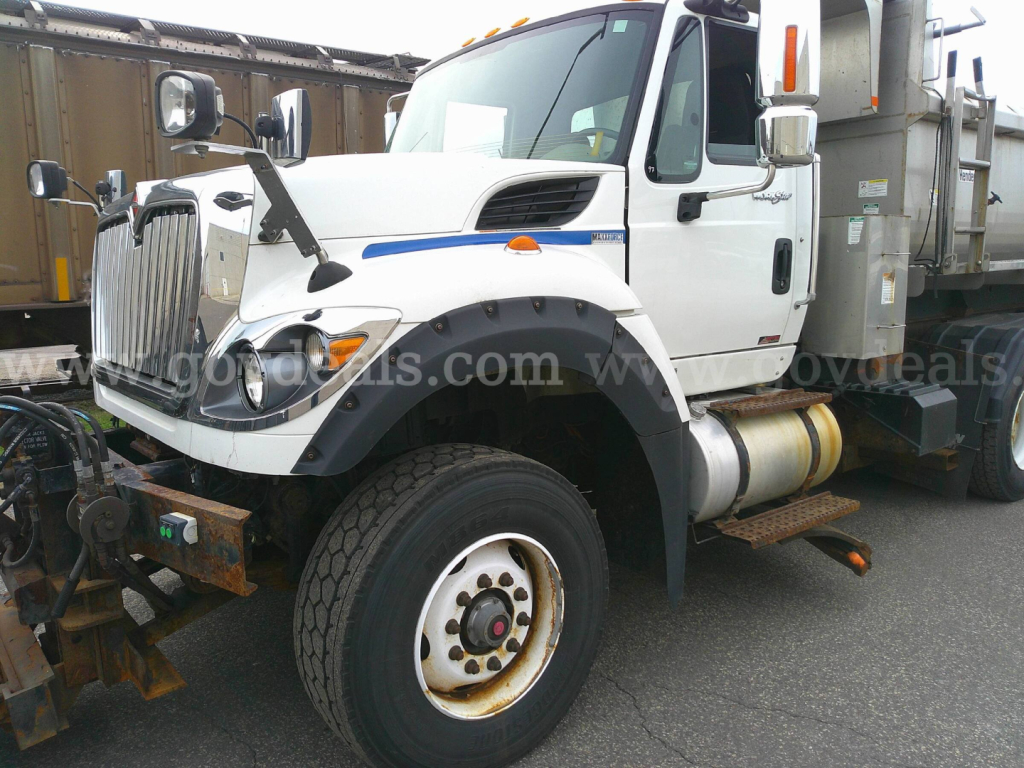
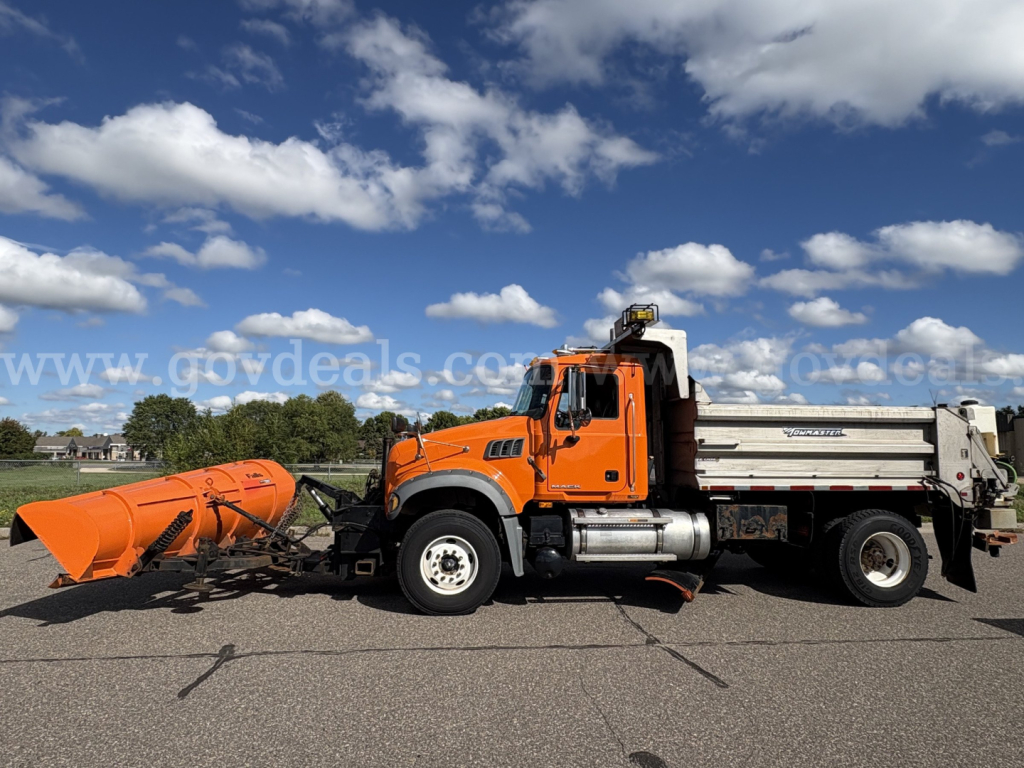

Selling a used plow truck? List your used plow truck for sale and reach thousands of commercial buyers.
Used Plow Trucks
The most important buying decision is matching the truck's duty cycle to the route. A lighter used plow truck with a straight blade is often enough for private contractors handling lots, access roads, and short municipal routes. A heavier single-axle or tandem plow truck with a front plow, wing, underbody scraper, and tailgate or hopper spreader is better suited for county roads, state routes, and long shifts in heavy accumulation. Buyers should pay close attention to GVWR, axle ratings, wheelbase, front axle capacity for the plow package, hydraulic system type, and whether the truck includes the controls for the blade, wing, and spreader. On municipal-spec units, heated windshields, heated mirrors, differential locks, automatic transmissions, and stainless steel dump bodies or spreader bodies are common features that improve winter uptime.
Condition matters more on a used plow truck than it does on many other vocational trucks because these units operate in corrosive environments and under high front-end load. Frame rust, cab corner corrosion, plow mount wear, hydraulic leaks, electrical issues, spreader chain condition, and cutting edge wear all deserve a close inspection. It is also smart to verify the condition of the front suspension, steering components, charging system, and transmission, since repeated plow use puts extra stress on those systems. Hours can be just as important as miles, especially on former municipal trucks that spent long periods idling while powering hydraulics and salting equipment. Service records, recent brake work, and evidence of regular preventive maintenance can tell you a lot about how much life is left in the truck.
A strong used plow truck can still be a very productive asset if the setup matches the work. Contractors often look for maneuverable trucks with reliable hydraulic response and easy parts support, while highway departments and larger snow operations may prioritize wing capability, spreader capacity, and severe-duty driveline components. Also known as snow plow trucks or snow removal trucks, these units are typically purchased for winter maintenance but can add value in off-season municipal and site work when equipped with a dump body. The best choice is usually the one with the right plow and spreader package already installed, a solid frame and front axle, and a maintenance history that supports dependable cold-weather service.
Frequently Asked Questions about Used Plow Trucks
What should I inspect first on a used plow truck?
Start with rust, the plow mount, and the hydraulic system. Snow equipment lives in salt and moisture, so frame condition, crossmembers, cab corners, dump body structure, and spreader components should be checked carefully. After that, inspect front axle capacity, steering wear, cutting edges, wing pivots if equipped, hydraulic hoses, cylinders, pump operation, and the electrical controls for the plow and spreader. A truck that starts and drives well can still need expensive snow-equipment repairs if the upfit has been neglected.
Are miles or engine hours more important on a used plow truck?
Both matter, but engine hours are often critical on plow trucks. Many municipal and contractor units spend long periods idling while operating hydraulics, running spreaders, and waiting on route assignments, so low mileage does not always mean low wear. Compare miles, hours, maintenance records, and overall condition together. A truck with moderate mileage and documented service can be a better buy than a lower-mile truck with high idle time and poor upkeep.
What is the difference between a straight plow truck and a truck with a wing plow?
A straight plow truck uses a front-mounted blade for standard lane clearing, parking lots, and general snow removal. A wing plow adds side reach and lets the operator widen the cleared path, move snow farther off the roadway, and improve productivity on multi-lane roads and shoulders. Wing-equipped trucks are usually found on heavier municipal chassis because the extra equipment requires more front-end capacity, hydraulic capability, and operator controls.
Do used plow trucks usually come with spreaders and dump bodies?
Many do, especially former municipal units. It is common to find used plow trucks with a dump body, tailgate spreader, under-tailgate spreader, or hopper-style sander already installed. Some heavier trucks also include underbody scrapers, pre-wet systems, or stainless steel salting equipment. Buyers should confirm exactly what is included, whether the controls are present and functional, and how much wear is left in the conveyor, spinner, chains, bearings, and body floor.
Is an automatic transmission better for snow plowing?
Automatic transmissions are very common in plow applications because they are easier to operate during constant stops, reverses, and low-speed maneuvering. They can reduce driver fatigue and are well suited for municipal routes, parking lot work, and heavy winter traffic conditions. The key is making sure the transmission is matched to the truck's GVWR and has been maintained properly, since plowing and salting place a steady load on the driveline.