
Used 2013 Commercial Trucks For Sale in New York
Browse used 2013 trucks for sale in New York, including day cabs, cab and chassis, dump trucks, and work-ready commercial truck options.
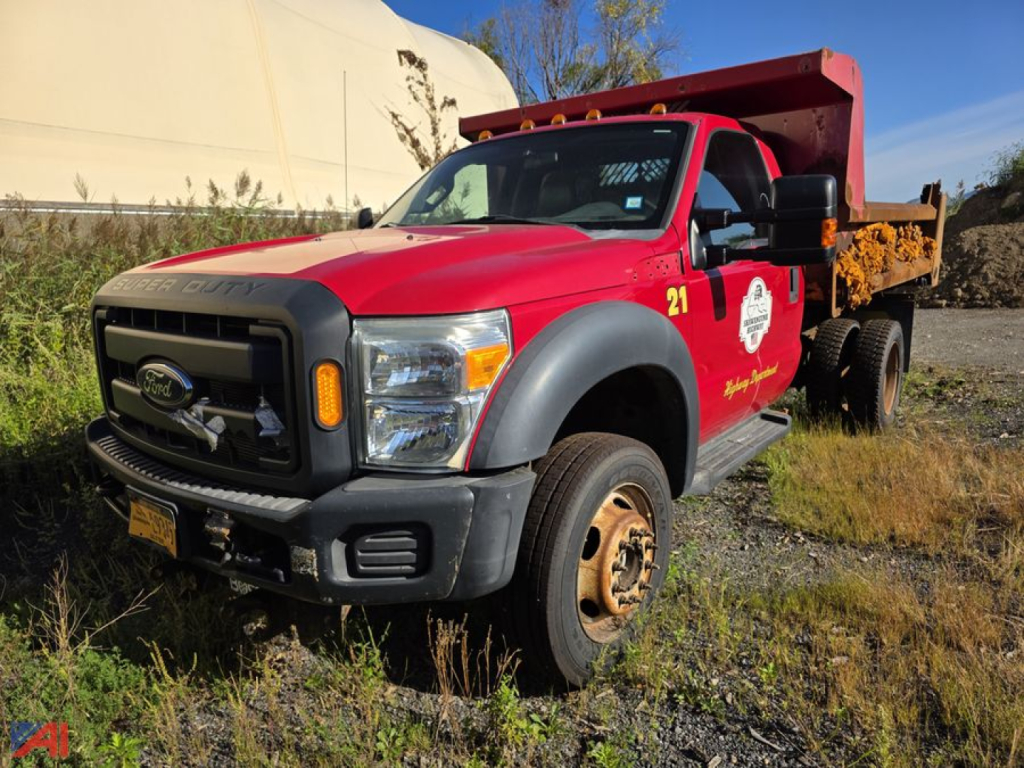
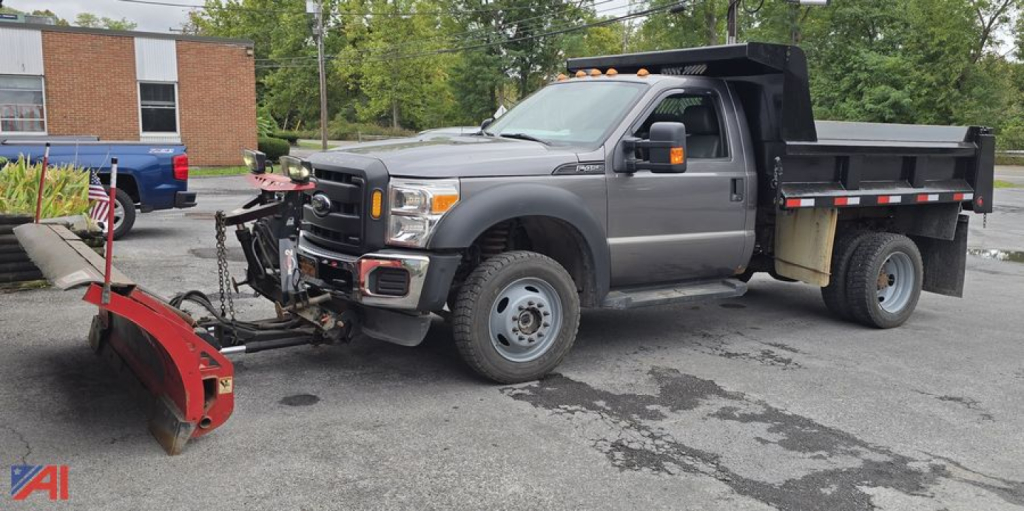
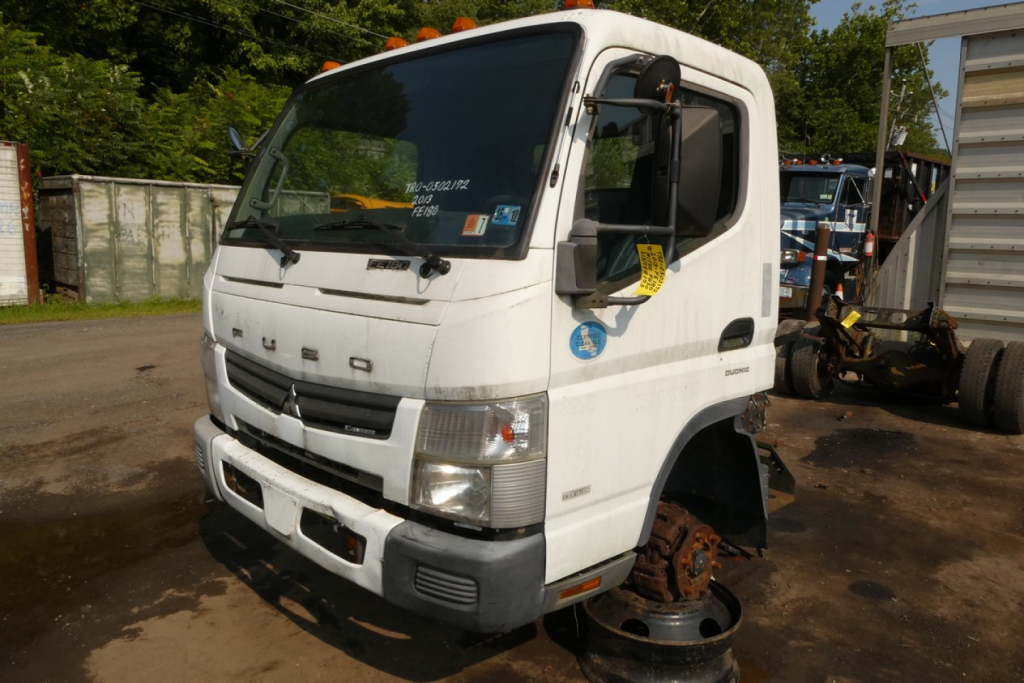
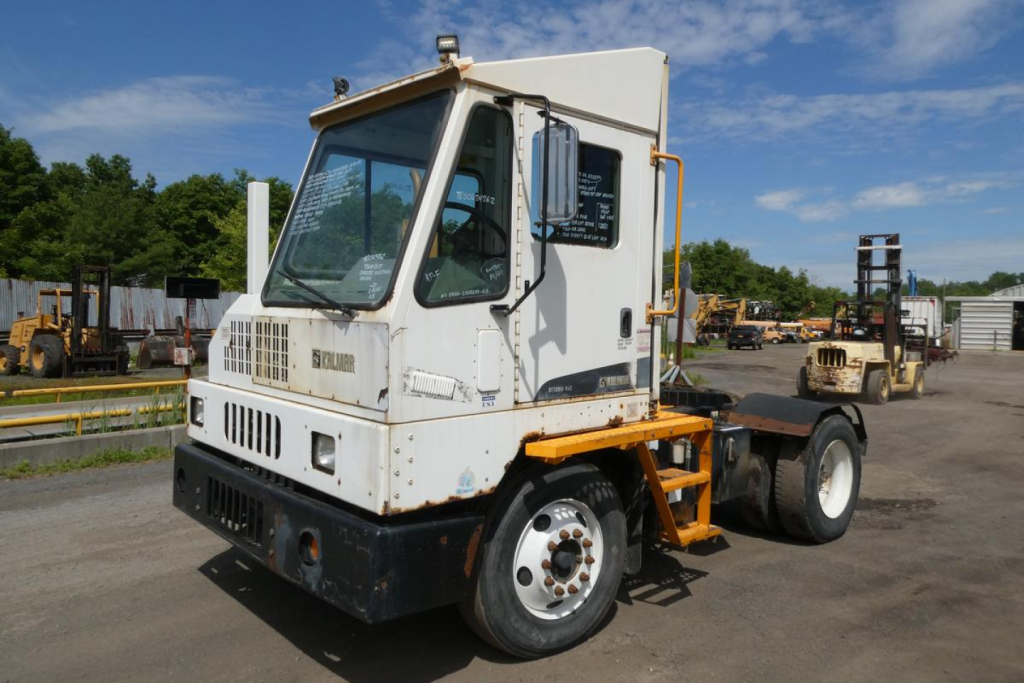
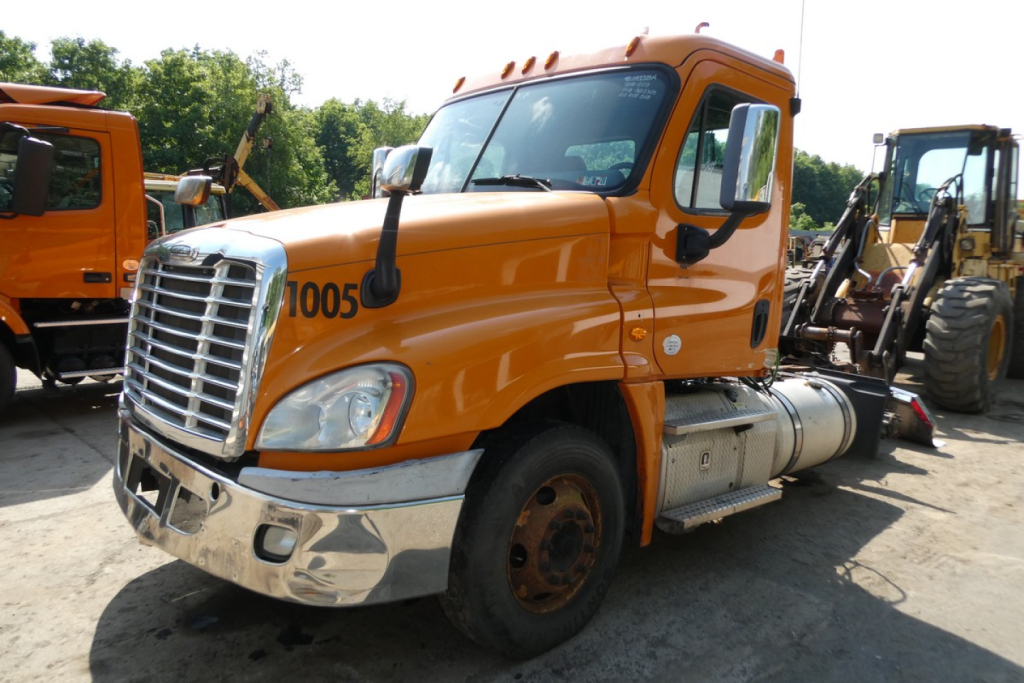
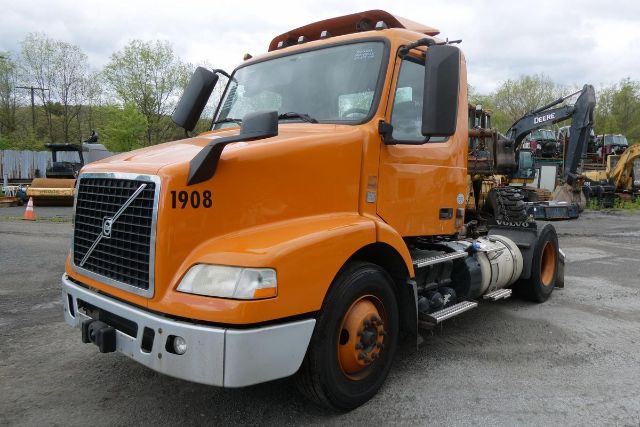
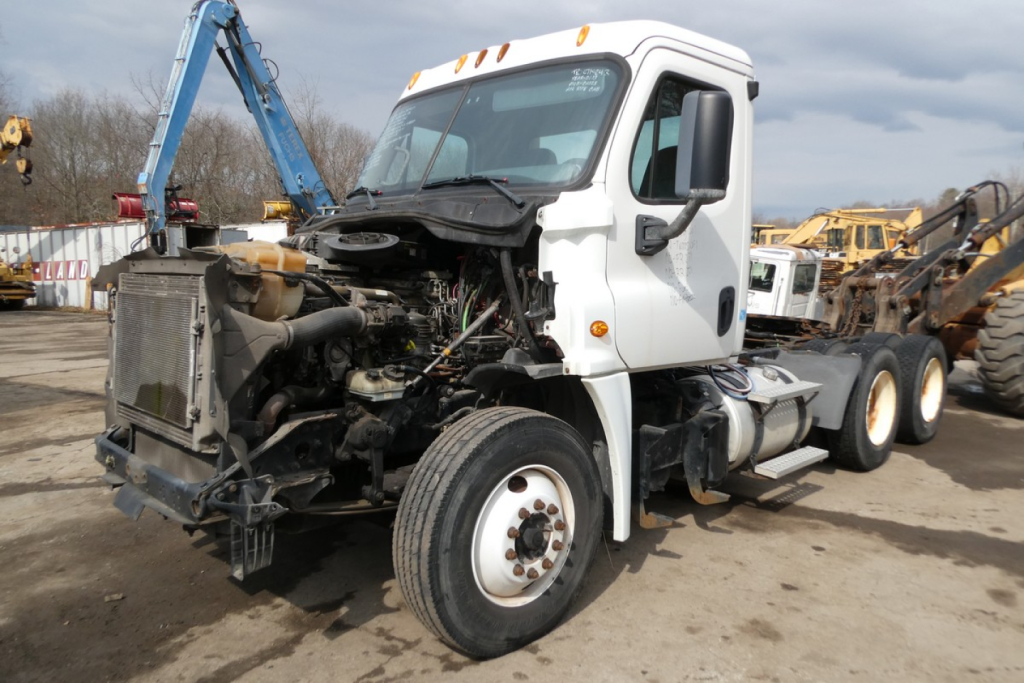
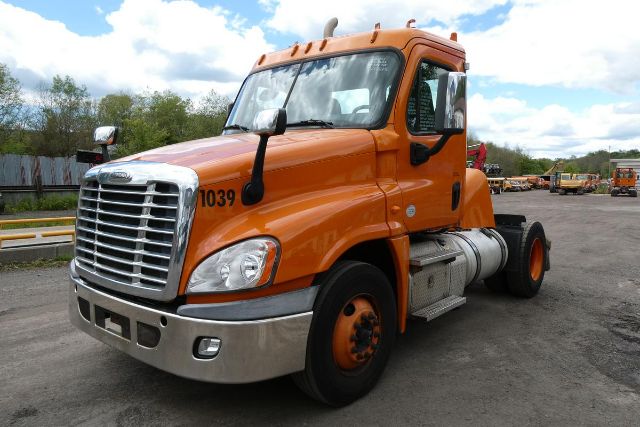
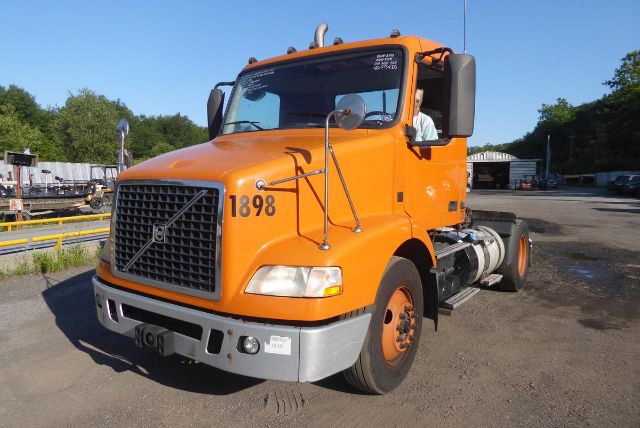
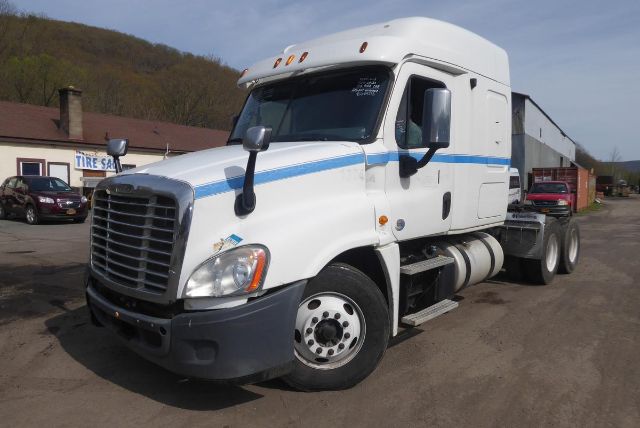
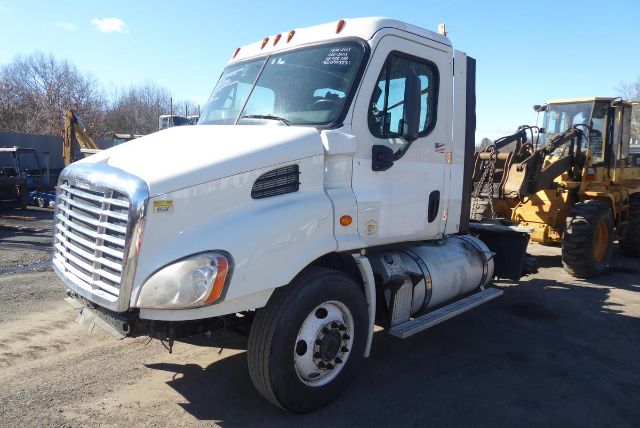
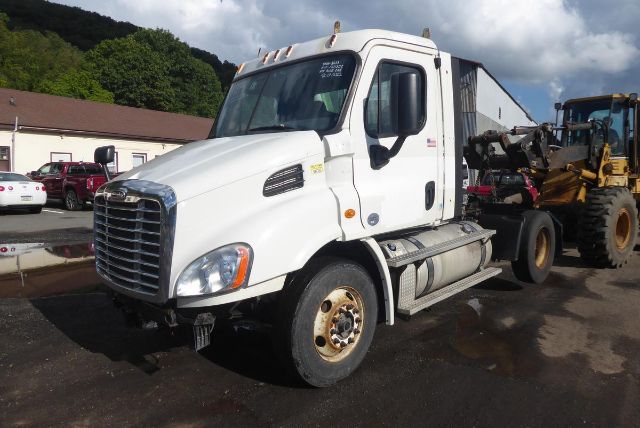

Selling a used 2013 commercial truck? List your used 2013 commercial truck for sale and reach thousands of commercial buyers.
Used 2013 Commercial Trucks in New York
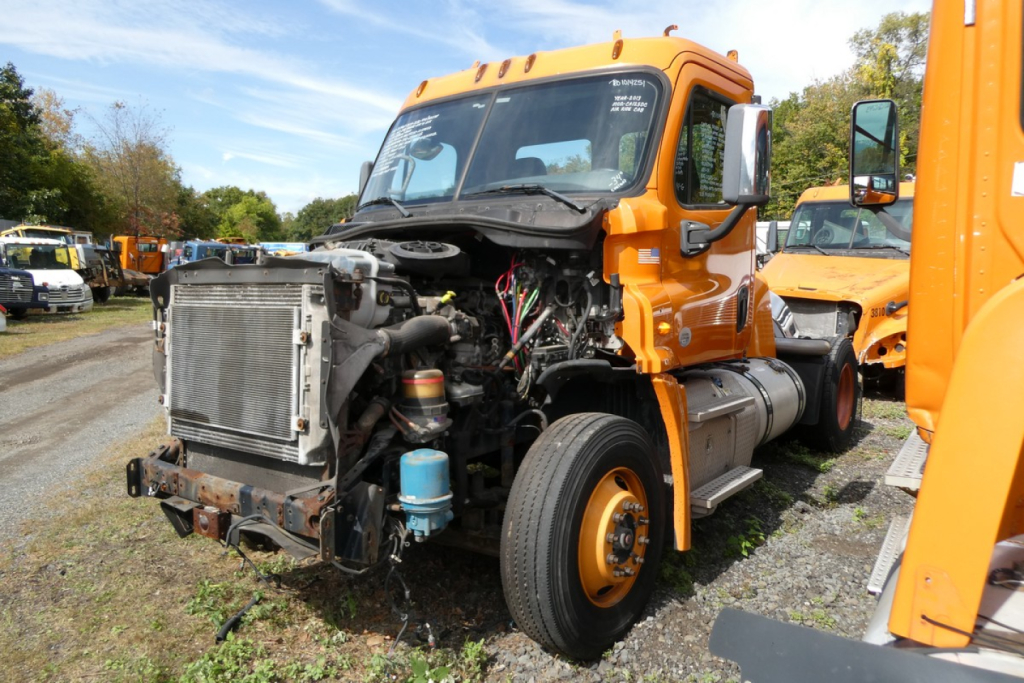
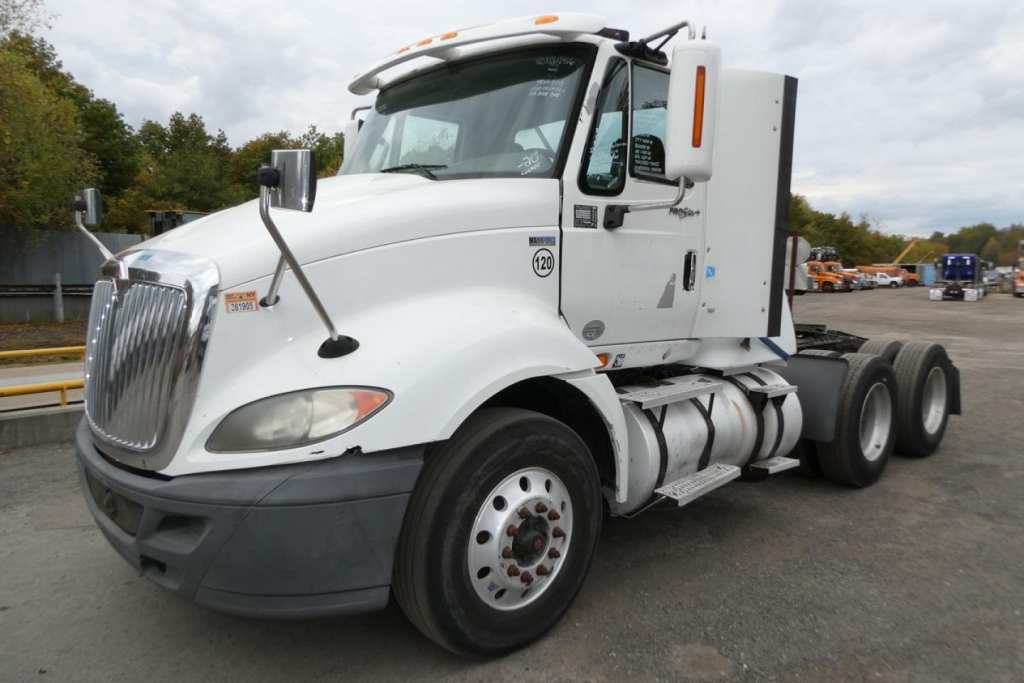
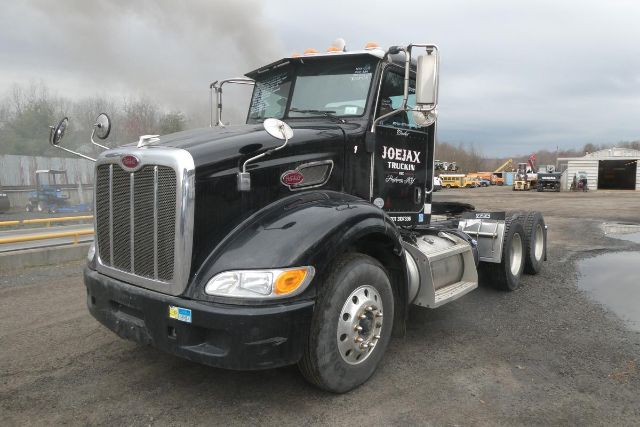
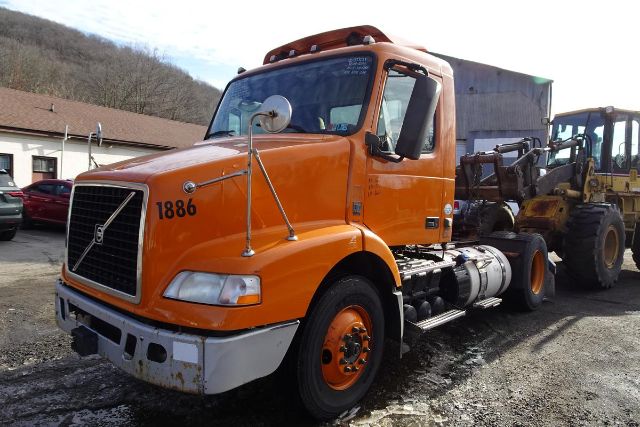
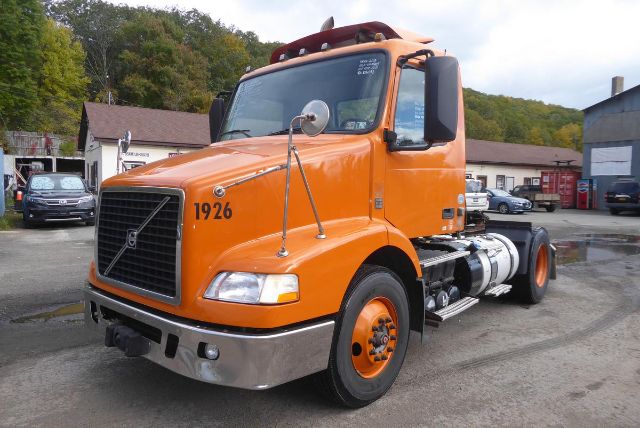
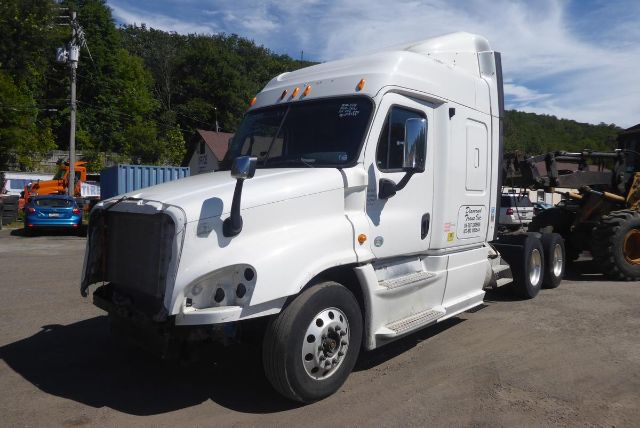
For road tractors and conventional day cabs, buyers typically compare engine platform, transmission type, rear axle ratio, suspension, and brake setup first. Common configurations in this age range include single axle 4x2 and tandem axle 6x4 trucks, often with manual 10-speed transmissions, air ride suspension, and engines from Detroit, Cummins, Mack, or Paccar depending on make. In New York, it also pays to look closely at frame rail corrosion, crossmembers, cab mounts, brake lines, and electrical condition because road salt can shorten the life of exposed components. Mileage matters, but ECM hours, idle time, and signs of repeated stop-and-go service often tell a more complete story than odometer reading alone.
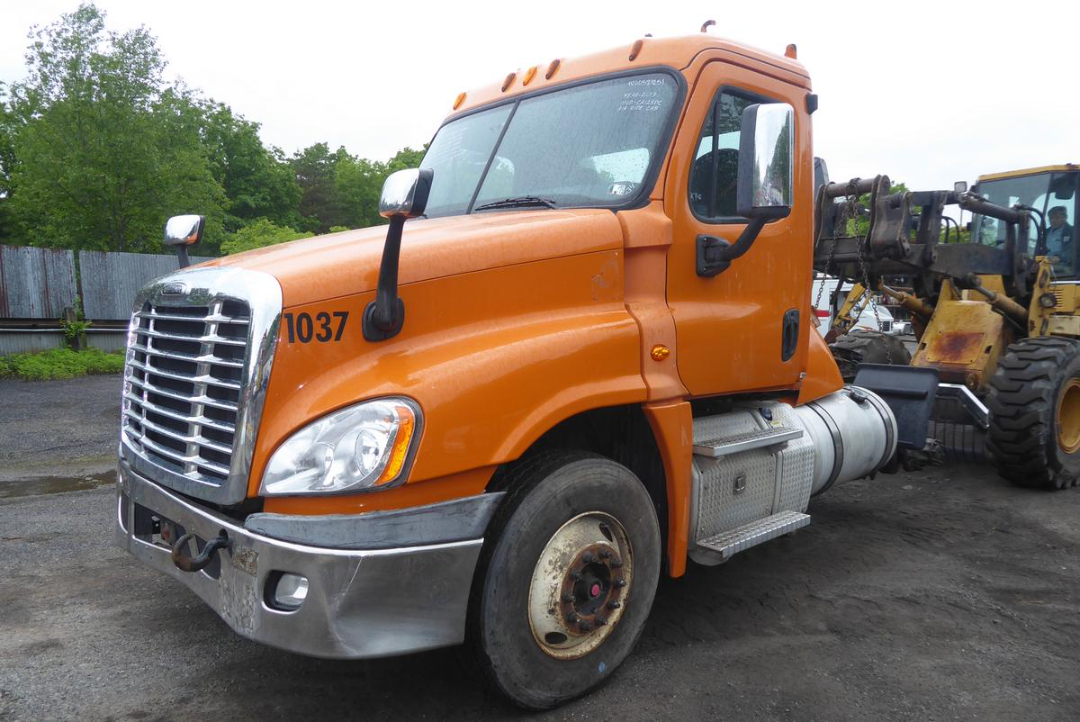
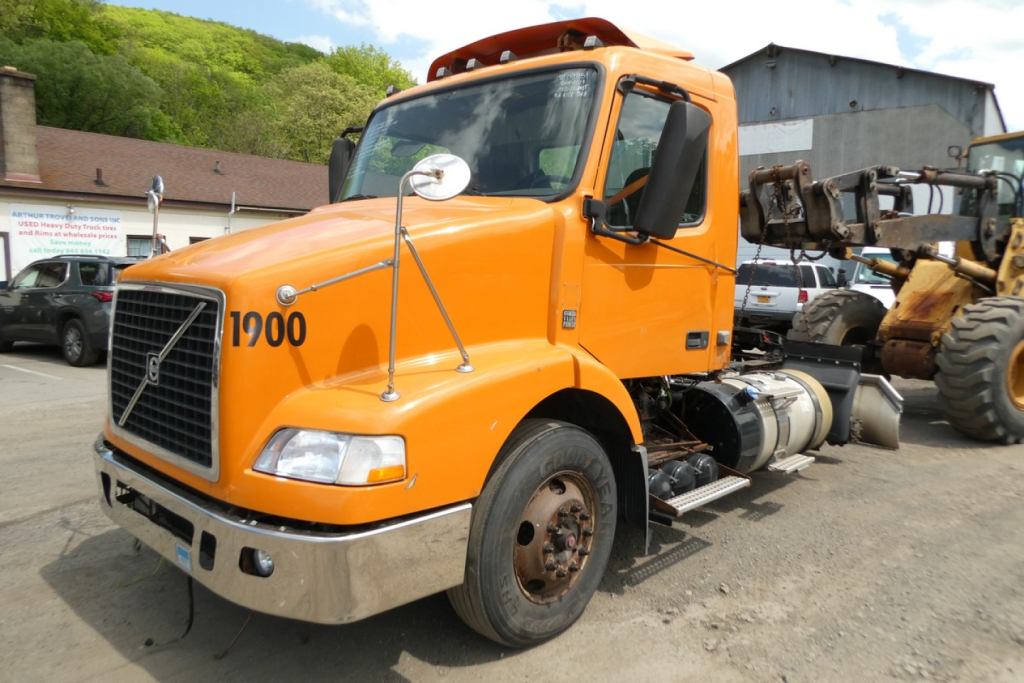
Cab and chassis trucks from the 2013 period are often purchased for body installation, so wheelbase, cab-to-axle, and front and rear axle ratings matter as much as engine horsepower. Buyers fitting a dump body, hooklift, flatbed, van body, or plow package need to confirm usable frame length, PTO compatibility, suspension capacity, and GVWR before treating the truck as a candidate. Medium-duty models in this range commonly use diesel engines paired with Allison automatic transmissions, while heavier Class 8 chassis may carry manual or automated manual gearboxes and heavier rear suspensions. If the truck already spent time in municipal or construction service, inspect spring hangers, steering components, hydraulic provisions, and the condition of the frame behind the cab.
A used 2013 truck can make sense for buyers who want lower acquisition cost without moving into much older equipment. The smart approach is to match the truck to the lane or jobsite, then verify the hard points: emissions system condition, wheelbase, axle ratings, tire size, brake type, fifth wheel or body-mount setup, and any signs of engine or transmission issues. In New York, registration class, bridge law needs, and seasonal operating conditions can all influence the right spec. A well-matched 2013 truck still has plenty of service left when the drivetrain is sound, the frame is clean, and the spec supports the work.
Frequently Asked Questions about Used 2013 Commercial Trucks in New York
What should I inspect first on a used 2013 truck in New York?
Start with the frame, suspension mounting points, brake lines, wiring, and cab structure for corrosion or repair history. New York road salt can be harder on trucks than mileage alone suggests. After that, review engine hours, fault codes, emissions system status, and signs of oil, coolant, or air leaks. A truck with moderate miles but heavy corrosion or deferred maintenance can become more expensive than a higher-mile unit with documented service history.
Are 2013 trucks likely to have modern emissions equipment?
Yes. Most 2013 diesel trucks are in the SCR and DEF era, and many also use EGR and a diesel particulate filter. That means buyers should evaluate the full emissions package, not just the base engine. Ask about DEF system repairs, DPF service records, active fault codes, and whether the truck has been used in low-speed or high-idle service, which can affect aftertreatment performance.
Is a 2013 cab and chassis a good choice for a new body installation?
It can be, provided the wheelbase, cab-to-axle measurement, frame condition, and axle ratings fit the body you plan to install. Body builders will also want to know PTO provisions, transmission compatibility, frame height, and any existing rear frame modifications. A lower purchase price helps, but the real value depends on whether the chassis can accept the upfit without expensive frame work or component changes.
What drivetrain specs matter most on a used 2013 highway truck?
Engine rating, transmission type, rear axle ratio, axle configuration, and suspension setup matter the most because they determine how the truck performs in linehaul, regional, or local service. A 6x4 tandem with a 10-speed manual and mid-3 series ratio is common for general freight, while a 4x2 single axle may be better suited to lighter regional work where payload and bridge law allow it. The right spec depends on gross weight, terrain, average trip length, and how much low-speed maneuvering the truck will see.
How much does mileage matter on a used 2013 truck?
Mileage matters, but it should be weighed against engine hours, idle time, maintenance records, and the type of work the truck performed. A truck that spent years in city service may show less highway mileage but more wear on brakes, steering, suspension, and aftertreatment components. ECM data, service documentation, and a careful mechanical inspection usually give a better picture of remaining life than odometer reading by itself.