
Used 2013 Conventional Daycab Trucks For Sale in New York
Shop used 2013 conventional daycab trucks in New York. Compare wheelbase, axle ratings, engine specs, transmission, and 5th wheel setup.
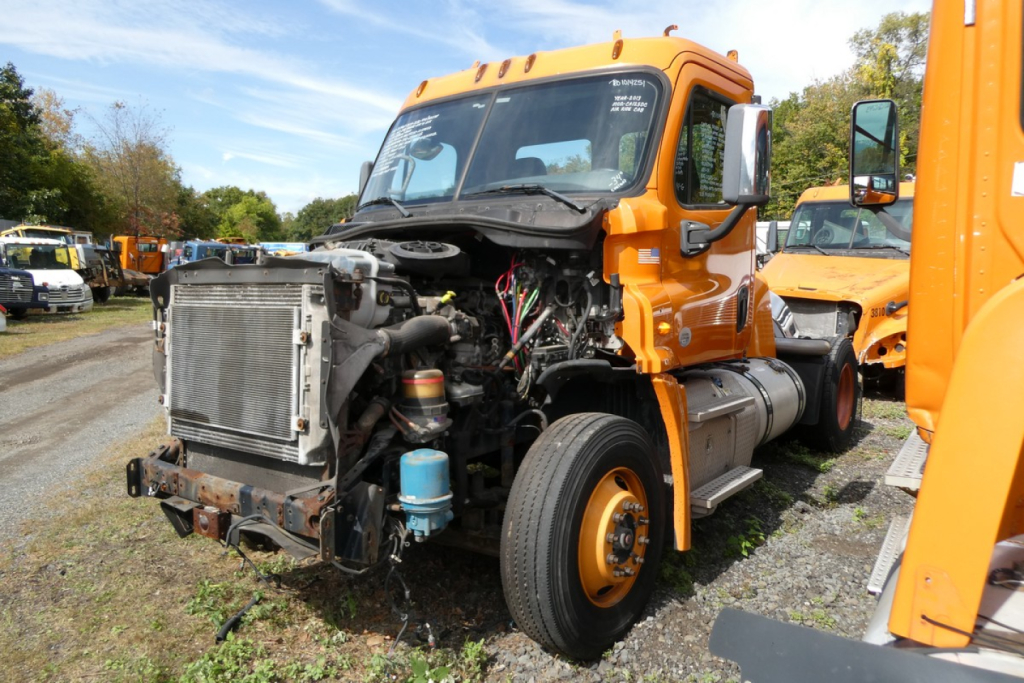
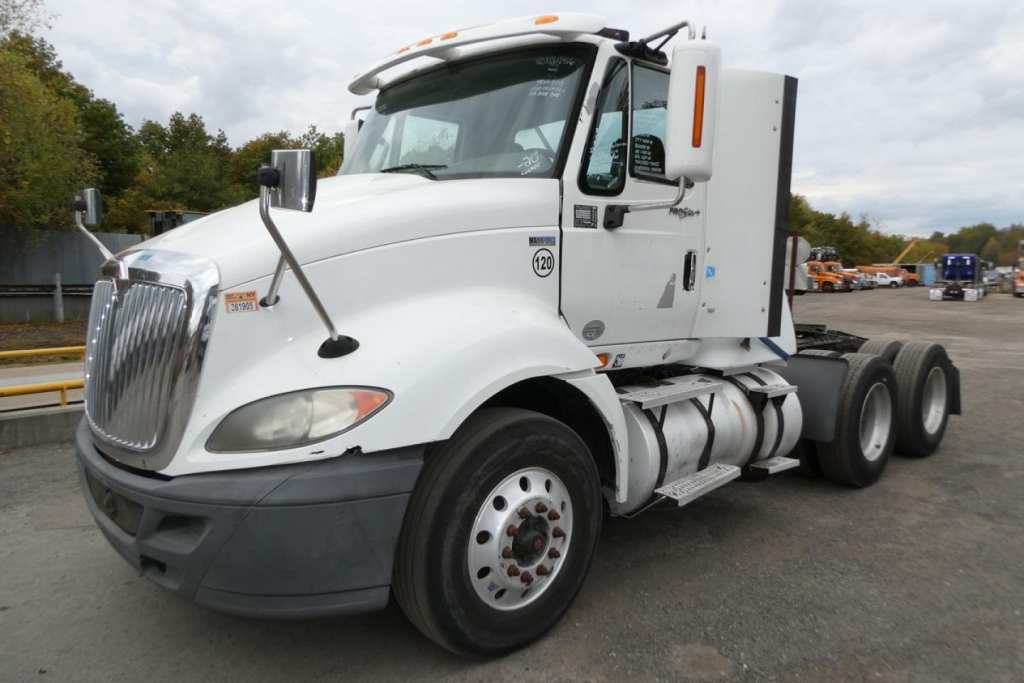
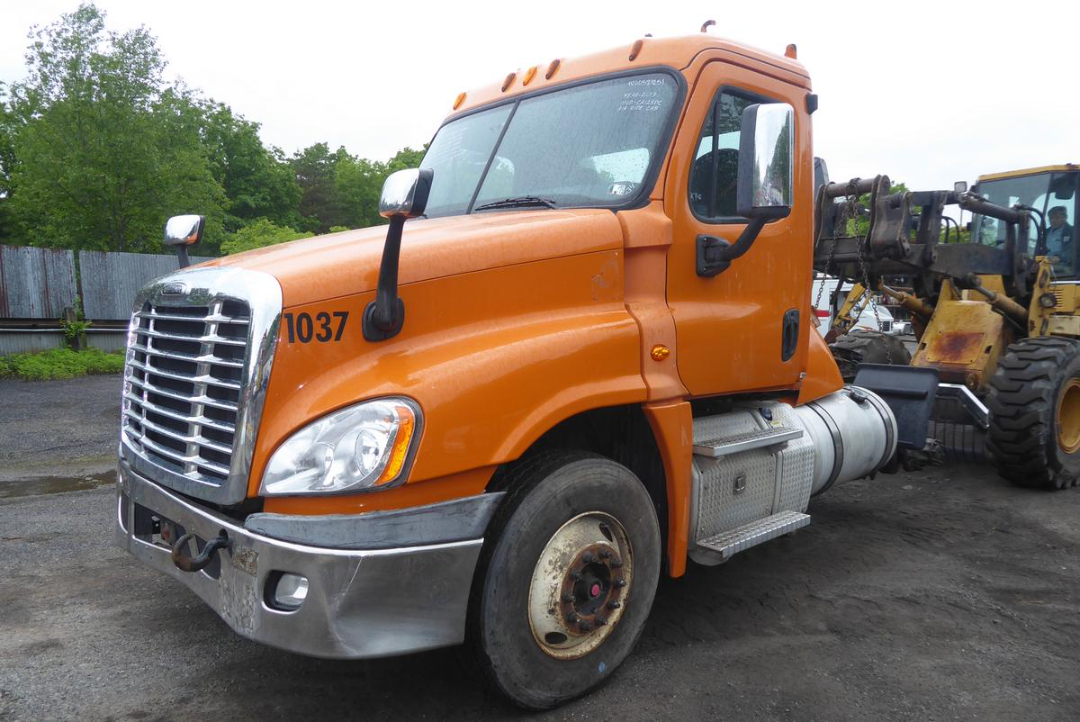
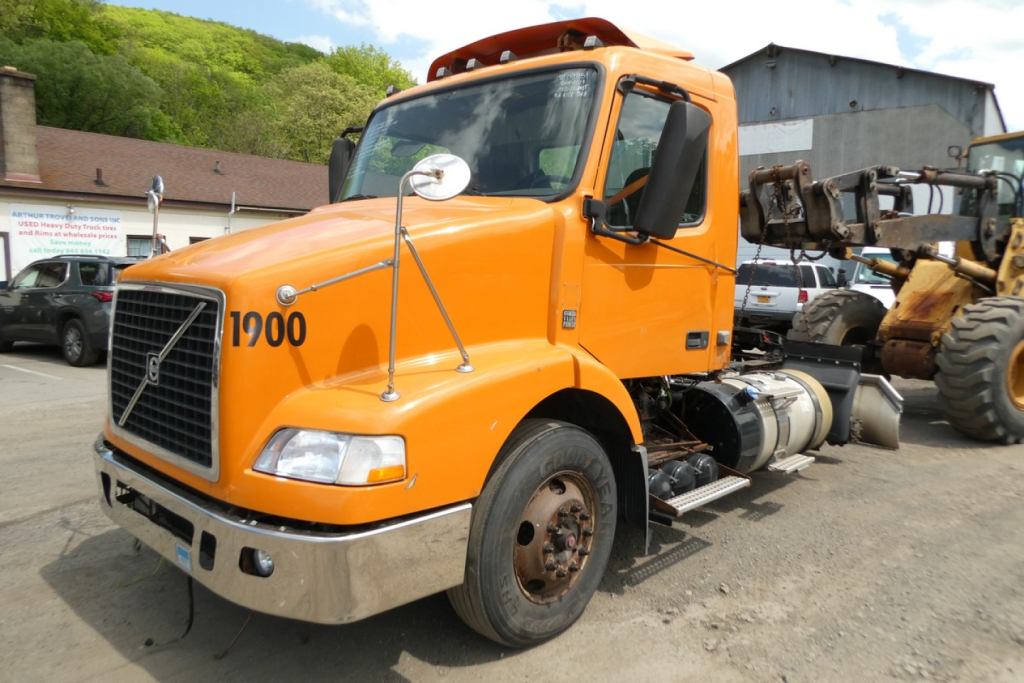
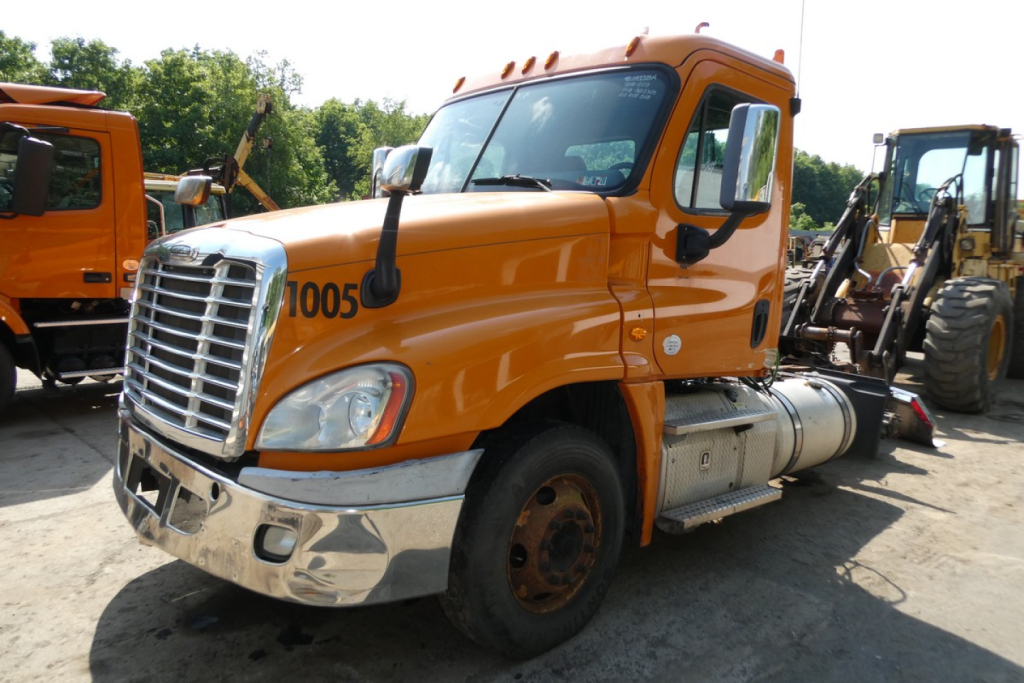
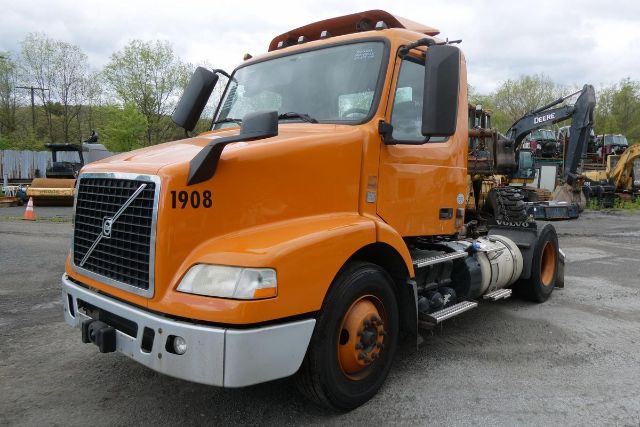
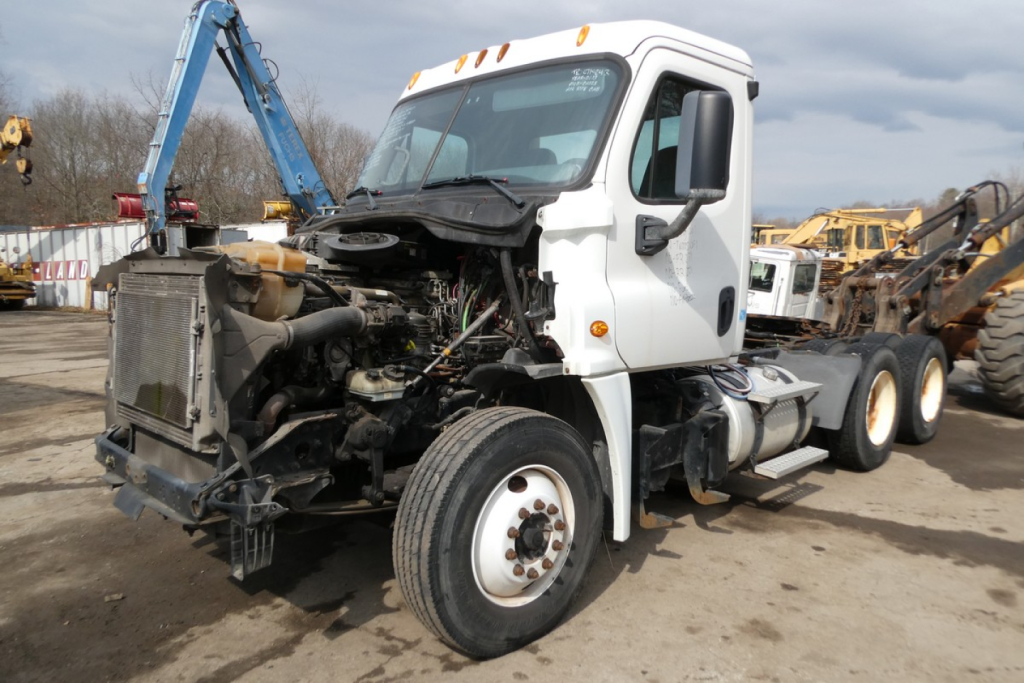
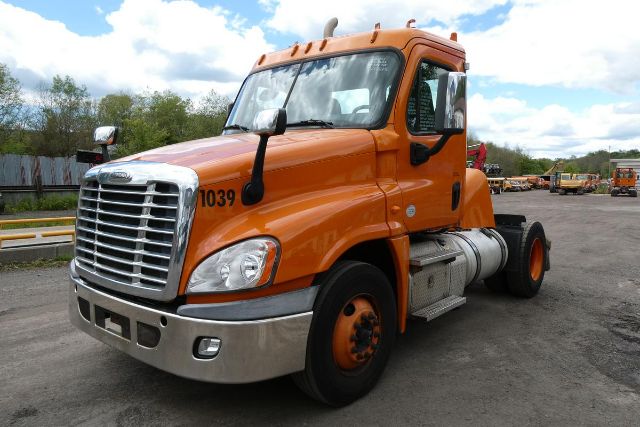
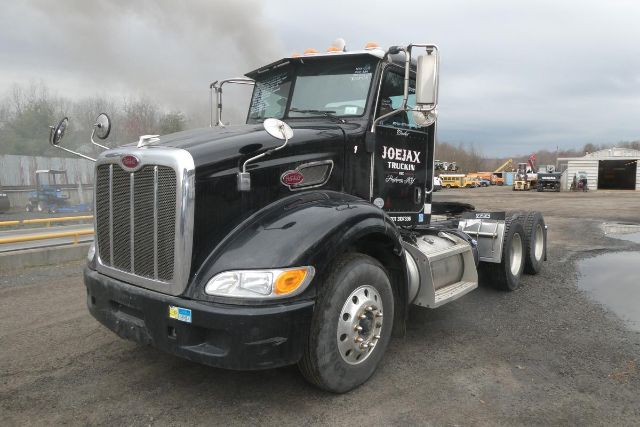
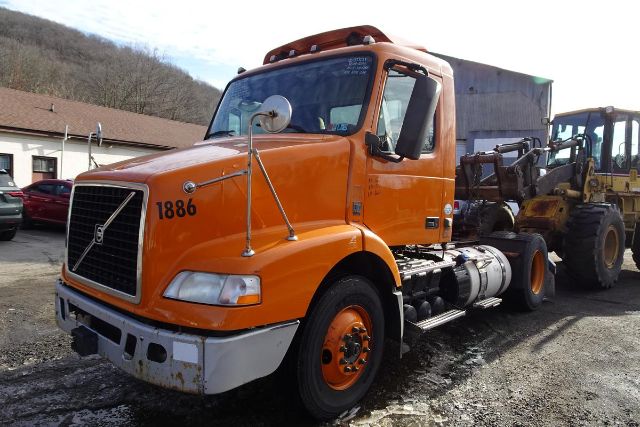
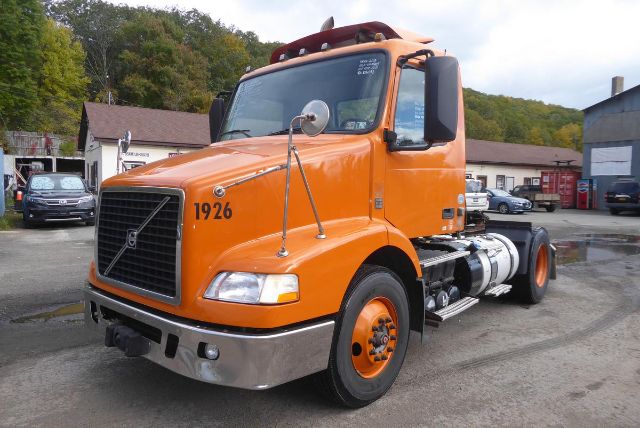
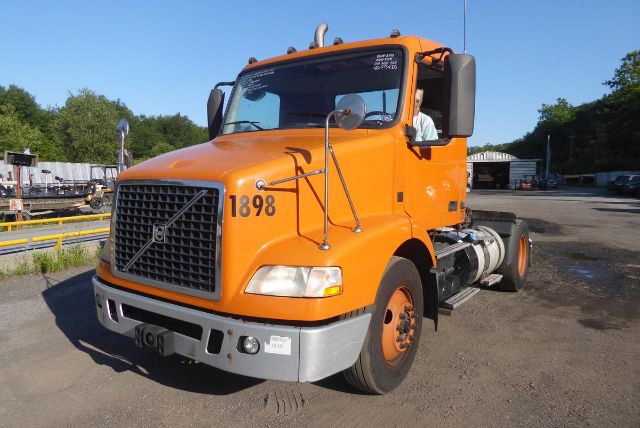
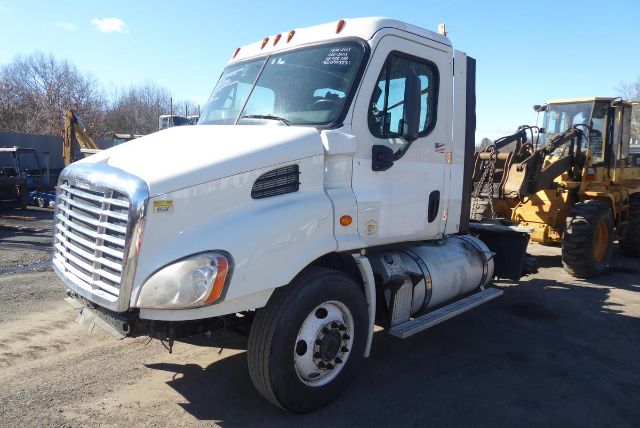
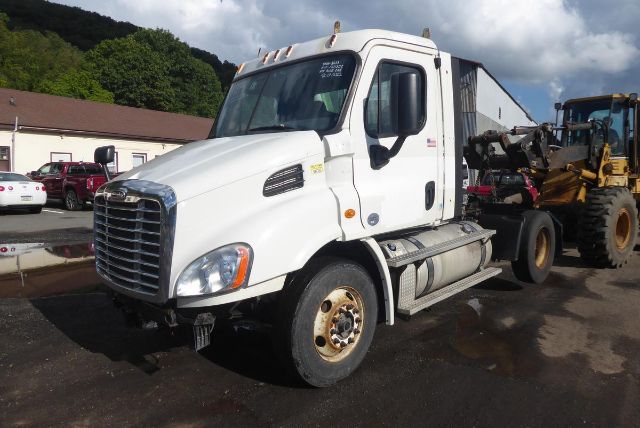
Selling a used 2013 conventional daycab truck? List your used 2013 conventional daycab truck for sale and reach thousands of commercial buyers.
Used 2013 Conventional Daycab Trucks in New York
Powertrain choice matters more than model badge in this category. Many 2013 daycabs were spec'd with engines such as the Detroit DD13, Cummins ISX, Volvo D13, or similar 11 to 15 liter platforms, usually paired with 10-speed manual, 13-speed manual, or automated manual transmissions. For regional highway use, a taller rear ratio can improve fuel economy, while a deeper ratio is usually better for heavier starts, city work, and frequent dock approaches. Buyers should also verify whether the truck has an engine brake, air slide or stationary 5th wheel, full locking rear, and the suspension type, since a 2-bag setup and a 4-bag setup can feel very different under load and during coupling.
Used 2013 conventional daycab trucks also sit in an important emissions window. Most are post-2010 emissions trucks, so buyers should pay close attention to DEF system condition, fault history, regen behavior, and maintenance records for EGR, DPF, and SCR components. ECM miles and engine hours should be compared against the dash reading to spot inconsistencies and to understand idle time, especially on fleet-maintained regional tractors. It is also smart to inspect cab condition, A/C operation, air leaks, brake type, tire size, wheel material, and frame layout. A truck with a clean single frame, usable 5th wheel, solid crossmembers, and a straightforward electrical system will usually be easier to put to work than one with lower miles but deferred repairs.
In New York, maneuverability and application fit can be just as important as raw horsepower. Shorter wheelbase daycabs are easier around terminals, industrial streets, and borough loading areas, while longer wheelbase tractors may track better with certain trailer combinations or heavier assignments. If the truck will pull van, reefer, flatbed, dump, or container chassis, confirm the kingpin setting range, cab-to-axle measurement, and rear suspension rating before buying. A well-matched 2013 conventional daycab can still be a practical, cost-controlled choice for fleets and owner-operators who need a dependable road tractor without paying for sleeper weight, extra length, or unnecessary complexity.
Frequently Asked Questions about Used 2013 Conventional Daycab Trucks in New York
What should I check first on a used 2013 conventional daycab truck?
Start with the powertrain and chassis match. Confirm engine make, horsepower, transmission model, rear axle ratio, suspension rating, and whether the 5th wheel setup fits the trailers you plan to pull. After that, review ECM miles and engine hours, check for emissions faults, inspect the frame and crossmembers, and verify that major cab systems like A/C, lights, and air components are working properly.
Are 2013 daycab trucks good for local and regional hauling?
Yes. A 2013 conventional daycab is a strong fit for local and regional lanes because it removes sleeper weight and length while keeping the durability of a highway tractor. That makes it useful for dry van, reefer, container, flatbed, and terminal work where drivers return home daily and where tighter turning and lower acquisition cost matter.
Why do wheelbase and cab-to-axle measurements matter on a daycab?
Wheelbase and cab-to-axle dimensions affect turning radius, bridge compliance, trailer clearance, and weight distribution. A shorter wheelbase is usually easier to maneuver in city and yard environments, while a longer setup may be better for certain trailer lengths or heavier applications. Cab-to-axle is especially important when matching the tractor to body equipment, pintle use, or specific kingpin settings.
What emissions issues are common on used 2013 conventional daycabs?
Because 2013 trucks are in the DEF era, buyers should evaluate the DPF, SCR, DEF doser, sensors, EGR system, and regen history. Fault codes, derate events, and excessive idle time can point to upcoming repairs. A truck with documented emissions maintenance and clean diagnostic history is usually a safer buy than one with limited records or warning lights that have been ignored.
Is a manual or automated transmission better in a 2013 daycab truck?
It depends on the route and driver pool. Manual transmissions can be attractive for buyers who want simplicity and driver control, especially in heavier vocational or mixed-use service. Automated manuals can reduce driver fatigue and help with consistency in stop-and-go regional work. The better choice is the one supported by your drivers, maintenance capability, and intended duty cycle.