
Used 2013 Conventional Day Cab Trucks For Sale
Compare used 2013 conventional day cab trucks for sale by axle layout, engine hours, emissions history, and gearing for local or regional hauling.
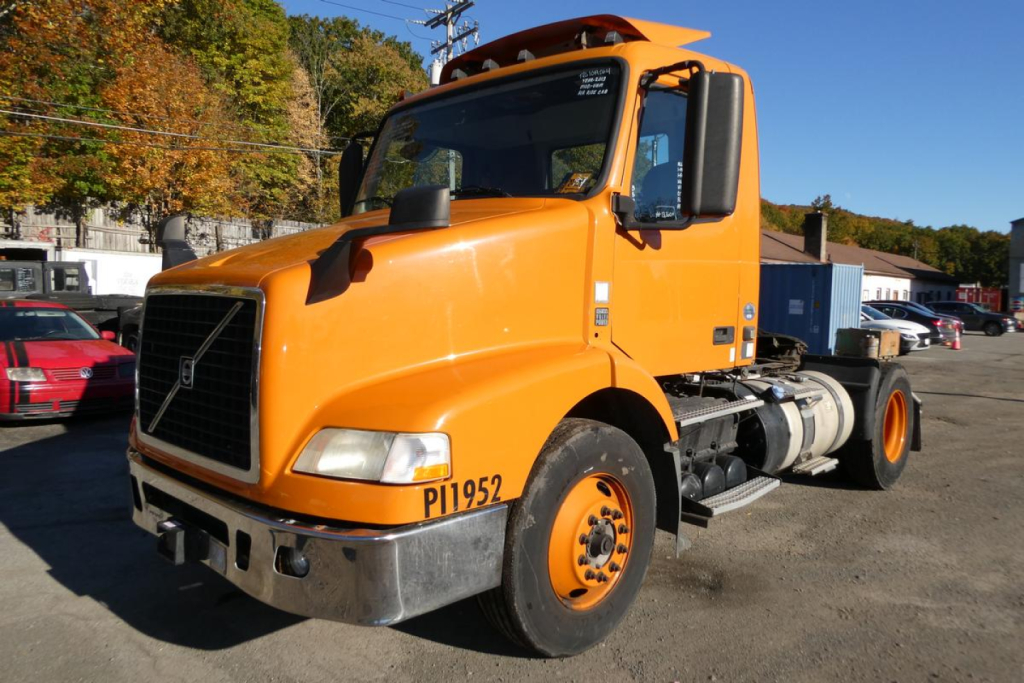
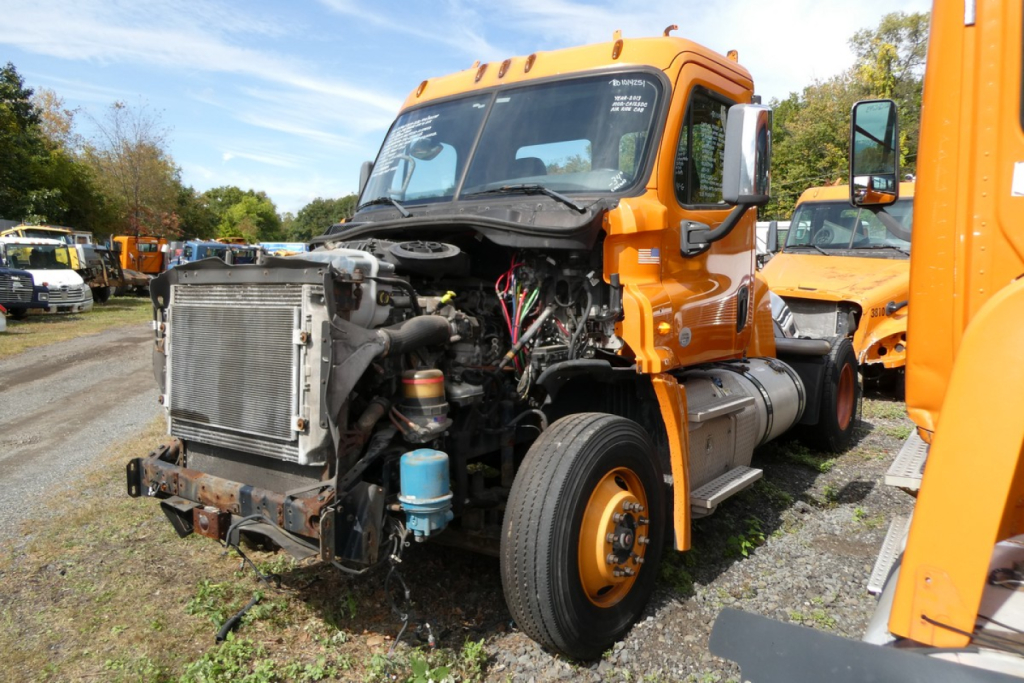
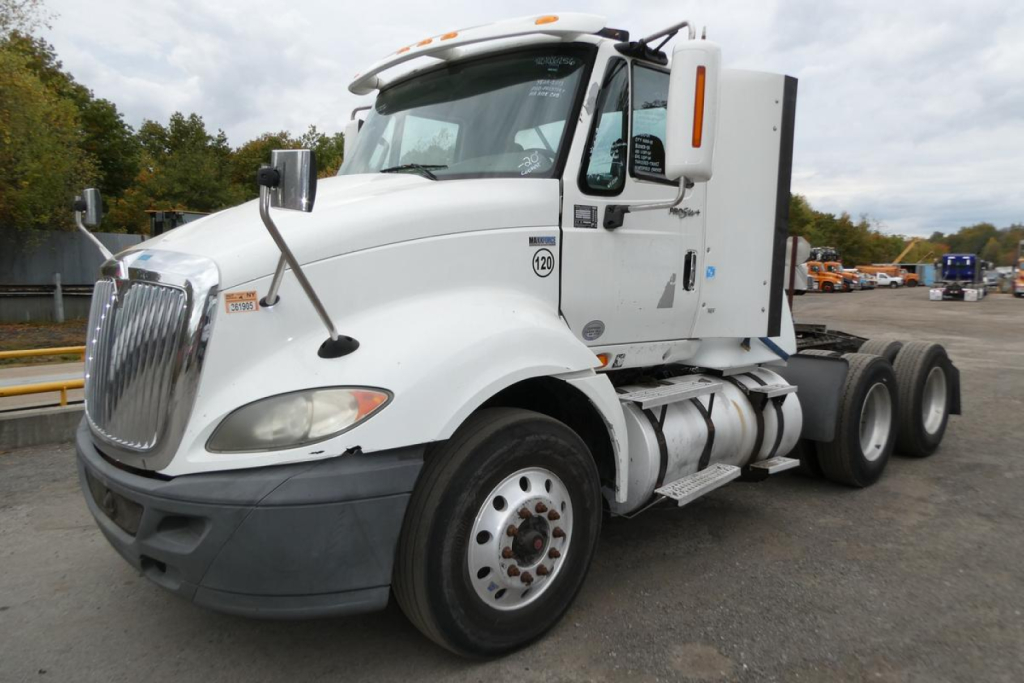
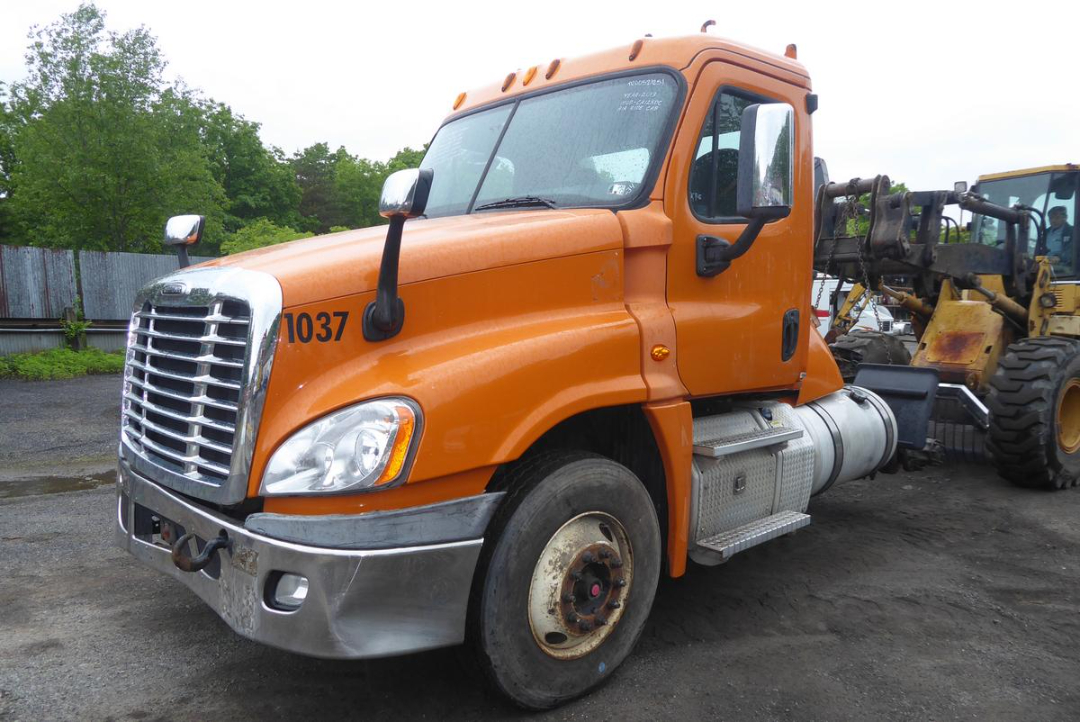
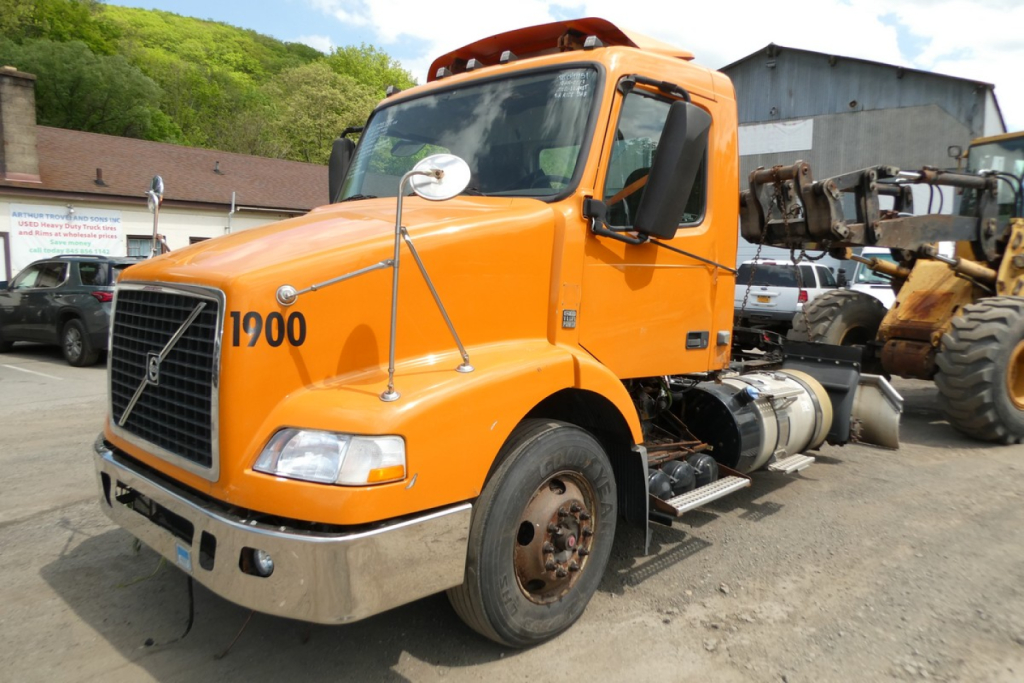
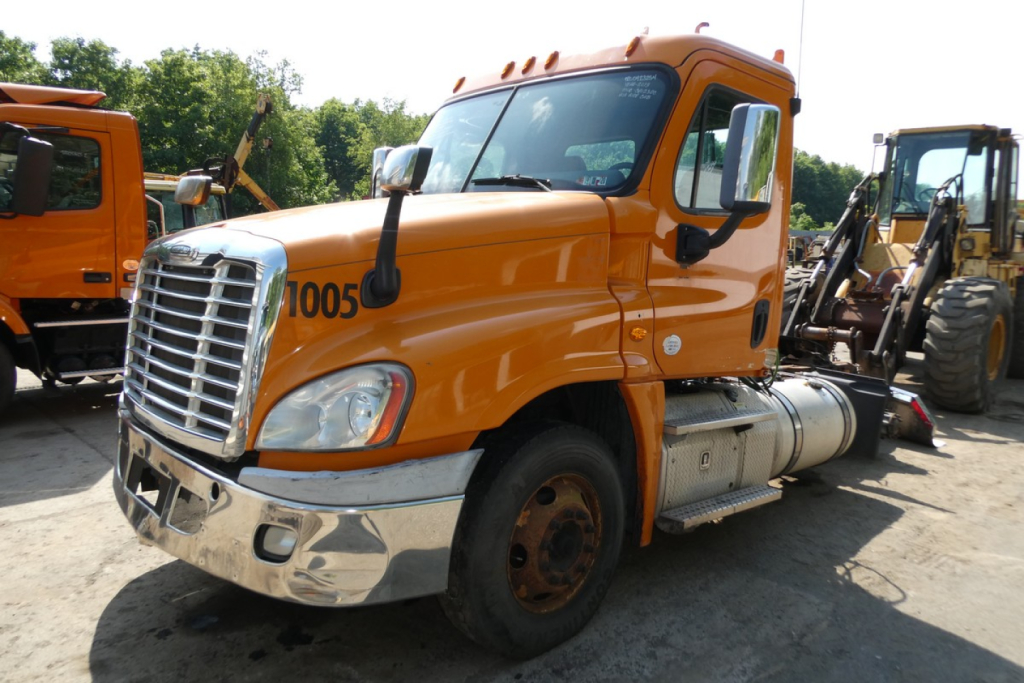
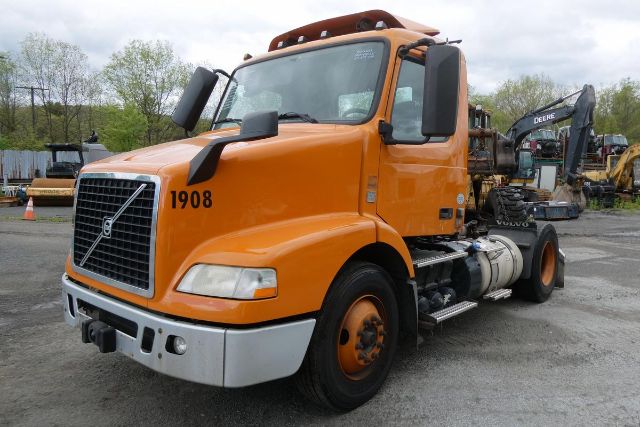
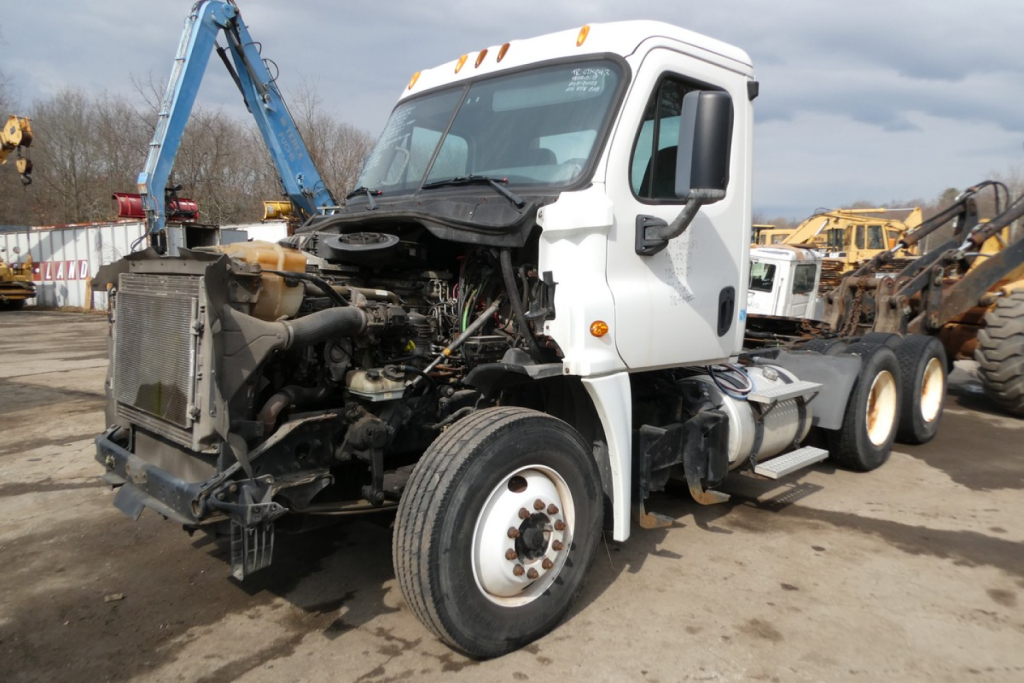
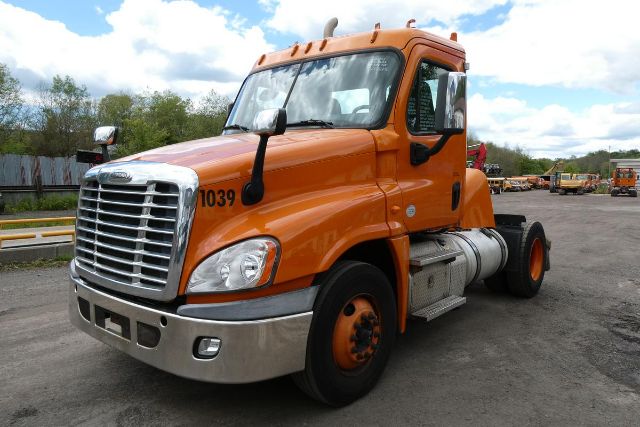
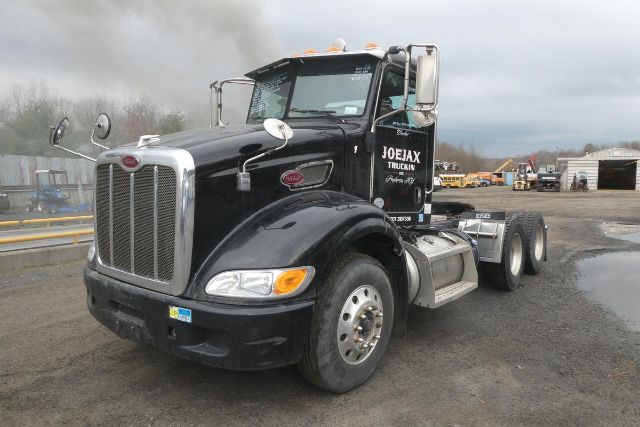
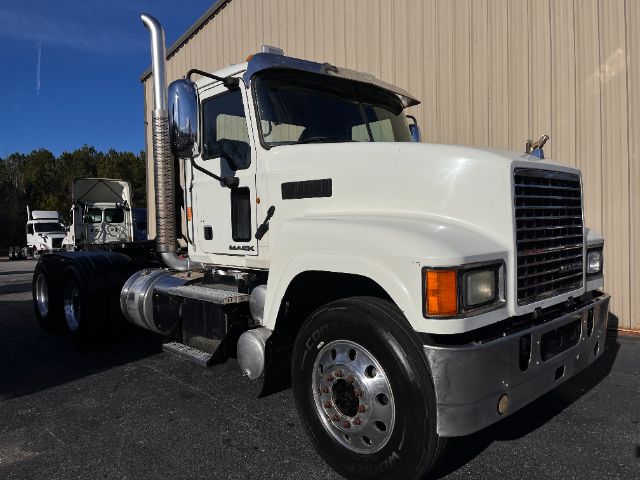
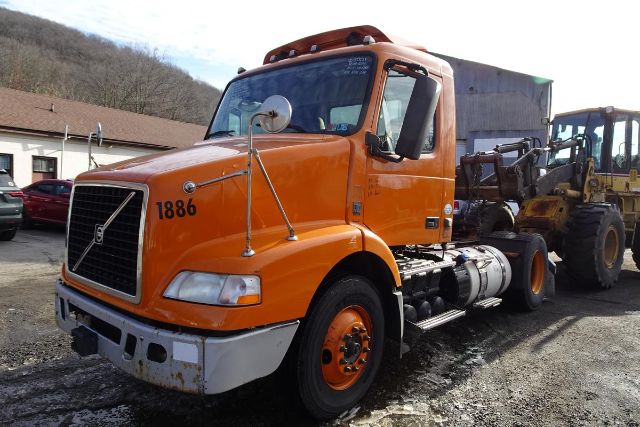
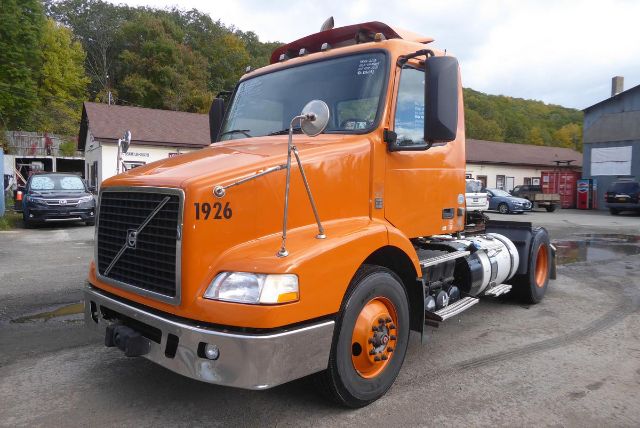
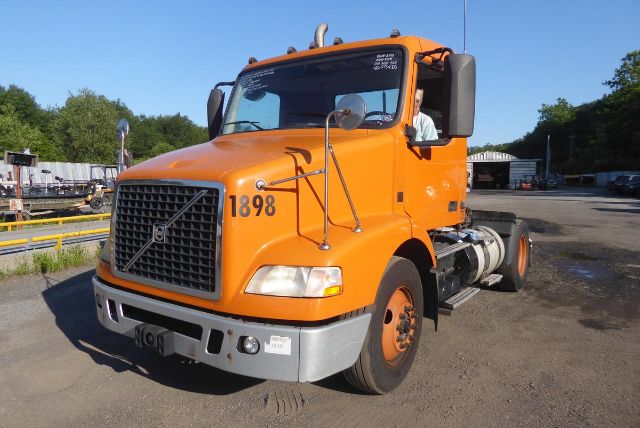
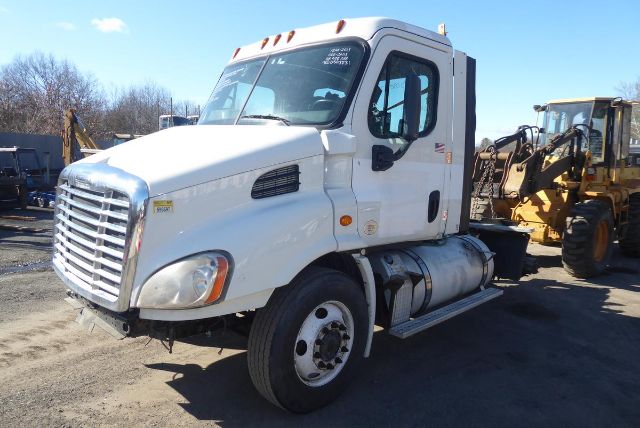
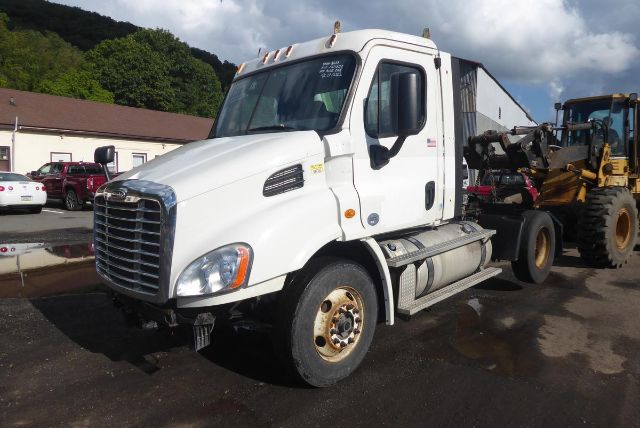
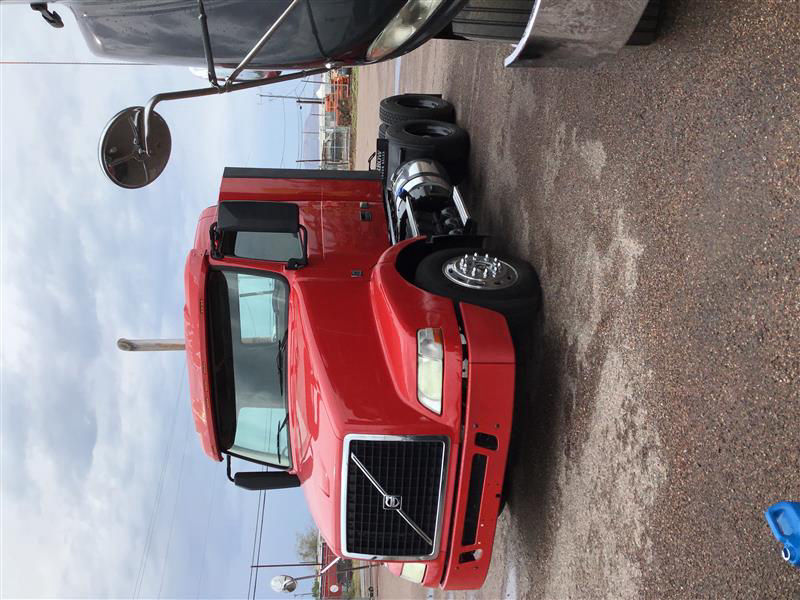
Selling a used 2013 conventional day cab truck? List your used 2013 conventional day cab truck for sale and reach thousands of commercial buyers.
Used 2013 Conventional Day Cab Trucks
Short-wheelbase 4x2 day cab tractors save weight and maneuver well on lighter local delivery routes; tandem-drive 6x4 tractors better suit heavier regional freight and traction demands. Neither axle configuration establishes legal payload by itself; check GVWR, GCWR, axle ratings, tire capacities, and route limits. Match rear axle ratio and transmission gearing to loaded starts and cruising speed, then verify fifth-wheel height, kingpin clearance, and wheelbase against the trailers and docks the tractor will serve.
On a used 2013 tractor, compare ECM mileage and hours with the dash and maintenance records, then perform a cold start and loaded road test. Check blow-by, coolant contamination, turbo response, clutch operation, driveline play, brake wear, and air-system leakage. Retrieve active and inactive fault codes and review regeneration history; a recently cleared warning light does not establish a successful repair. Salt exposure across northern states and Canadian provinces warrants close inspection of frame rails, crossmembers, brake plumbing, and electrical connectors. Canadian winter service also calls for checking block heaters, batteries, and air-dryer performance.
Frequently Asked Questions about Used 2013 Conventional Day Cab Trucks
What license do I need to drive a 2013 day cab tractor?
A 2013 day cab tractor generally requires a Class A CDL in the United States for a combination rated or weighing 26,001 pounds or more when the trailer's GVWR or actual weight exceeds 10,000 pounds. Confirm both weight thresholds with the licensing agency. Canadian tractor-trailer licensing is provincial, commonly Class 1 or Ontario Class A, with the appropriate air-brake qualification. Farm and other exemptions are jurisdiction-specific.
Can a 2013 diesel day cab operate in California?
A 2013 diesel engine generally meets the 2010-or-newer engine requirement under California's Truck and Bus Regulation for heavy trucks. Verify the engine's actual model year, not just the cab's VIN year. A 2013 day cab entering California may also need Clean Truck Check compliance, which covers most diesel trucks over 14,000 pounds GVWR, including out-of-state vehicles. Port work and fleet operations can bring additional requirements.
Is an Allison automatic the same as I-Shift in a 2013 day cab?
No. An Allison automatic uses a torque converter, while Volvo I-Shift is an automated manual with a computer-controlled clutch. The Allison can suit frequent creeping and repeated starts, provided its torque and combination ratings match the work. A used 2013 day cab with I-Shift needs clutch and actuator checks, not just a fluid inspection.
What should I check before buying a non-running 2013 day cab?
A non-running 2013 day cab should be treated as a major-repair project until an independent diagnosis establishes the failure. An engine that turns over may still have damaged bearings, low compression, or coolant intrusion. Confirm that the engine, aftertreatment, ECM, transmission, wiring, and accessories are complete, and identify any missing programming or keys. A running engine still needs oil-pressure verification and a loaded test before the tractor can be judged road-ready.