
Used 2013 Volvo Conventional Daycab Trucks For Sale in New York
Shop used 2013 Volvo conventional daycab trucks, including VNM daycabs with D11 power, I-Shift or manual transmissions, and regional hauling specs.
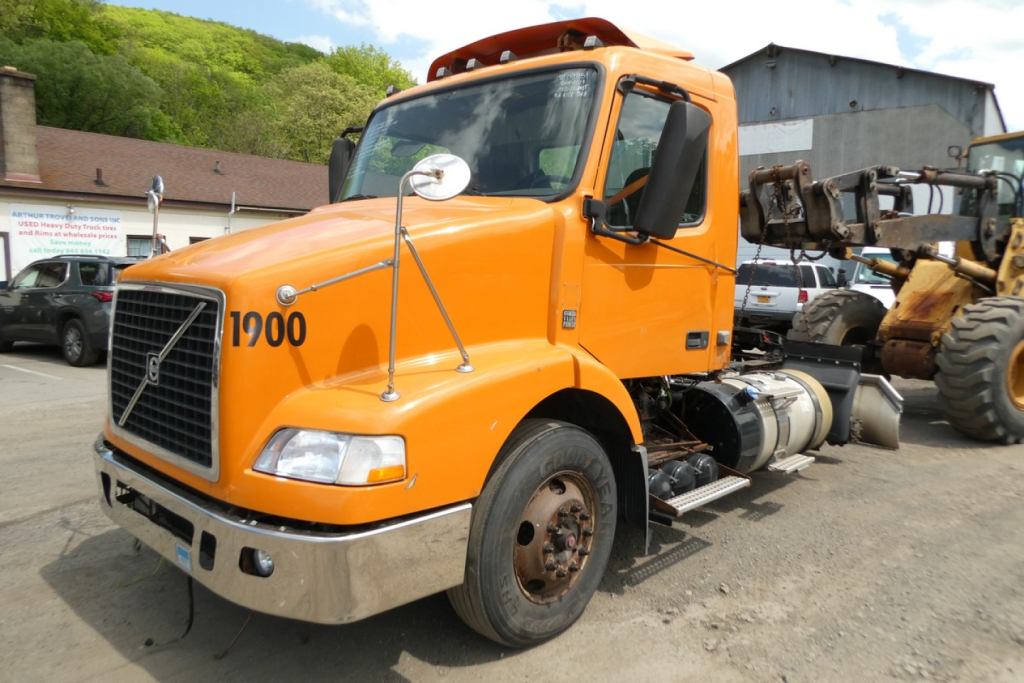
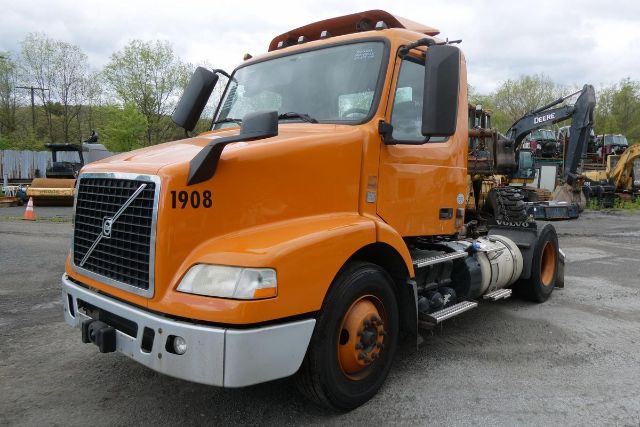
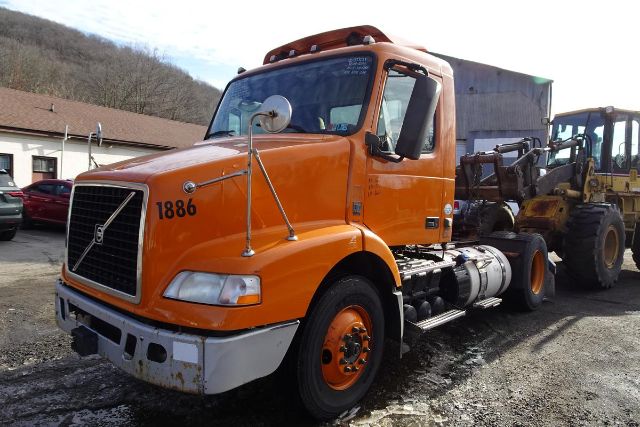
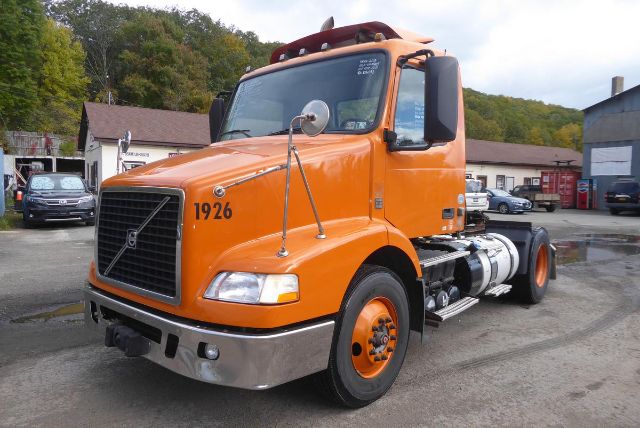
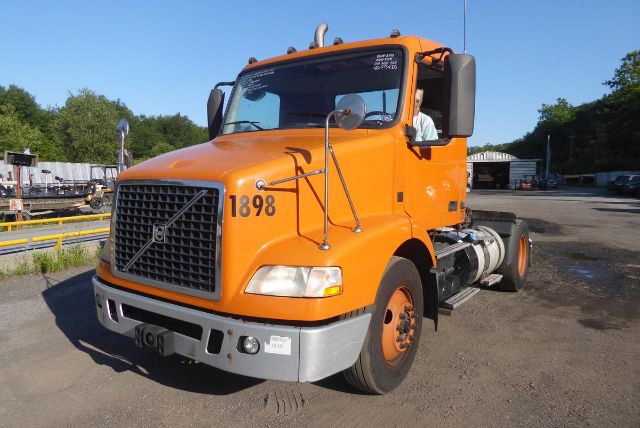
Selling a used 2013 volvo conventional daycab truck? List your used 2013 volvo conventional daycab truck for sale and reach thousands of commercial buyers.
Used 2013 Volvo Conventional Daycab Trucks in New York
The key spec decisions usually start with engine, transmission, and axle ratio. Many 2013 Volvo daycabs were equipped with the Volvo D11 in the 10.8L range, often around 385 hp, which is a solid fit for regional van, reefer, and lighter bulk applications. Buyers should compare manual transmissions against Volvo I-Shift automated manuals based on driver preference, maintenance history, and route profile. Rear axle ratings in this category are commonly around 23,000 lbs with front axles near 12,000 lbs, and ratios such as 3.21 or 3.42 are typical for balancing launch performance with highway efficiency. Wheelbases around 154 inches are common on VNM daycabs and help keep the truck nimble while still allowing proper trailer gap and fifth wheel placement.
Because these are 2013 emissions-era trucks, the aftertreatment system deserves close attention. DEF-equipped Volvo daycabs from this period can be productive trucks, but buyers should verify the condition of the SCR components, sensors, wiring, and ECM before purchase. A truck that runs but is derated, has active engine fault codes, or shows missing emissions components can require substantial repair cost to return to dependable service. It also makes sense to review engine hours alongside odometer readings, especially on regional tractors that may have accumulated significant idle time. Air disc brakes are a notable feature on many Volvo daycabs from this era and can be a real advantage for stopping performance and serviceability, provided caliper and rotor condition are checked carefully.
Cab condition, frame layout, and fifth wheel setup also affect suitability for the job. Many conventional daycabs in this class use a single frame and stationary fifth wheel, which is appropriate for dedicated trailer sets and consistent kingpin settings. Buyers handling mixed trailers may prefer to confirm slider needs, cab-to-axle measurement, and clearance for landing gear on sharp turns. Suspension type, tire size such as 11R22.5, and wheel equipment are all standard checkpoints, but the bigger value decision is whether the truck's spec matches the route. For dense urban work, short wheelbase and lighter tare weight matter. For heavier regional hauling, drivetrain condition, suspension rating, and brake spec matter more. A well-matched 2013 Volvo conventional daycab can still be a cost-effective tractor for fleet replacement, yard support, or local freight service if the emissions system, transmission, and chassis have been evaluated closely.
Frequently Asked Questions about Used 2013 Volvo Conventional Daycab Trucks in New York
What is a 2013 Volvo conventional daycab best suited for?
A 2013 Volvo conventional daycab is generally best suited for regional hauling, local pickup and delivery, drayage, and other short-haul tractor work where a sleeper is unnecessary. The shorter cab and wheelbase make it easier to maneuver in city traffic, tight yards, and crowded docks. In many operations, this type of truck is used for dedicated trailer lanes, warehouse shuttles, and metropolitan freight where driver turnover between shifts and quick in-and-out access are more important than long-haul accommodations.
What engine and transmission combinations are common in a 2013 Volvo daycab?
Common specs include the Volvo D11 diesel engine paired with either a 10-speed manual or a Volvo I-Shift automated manual transmission. The D11 is a popular regional-haul engine because it offers a good balance of fuel economy, power, and lower front-end weight compared with larger displacement engines. I-Shift-equipped trucks can improve driver consistency and reduce clutch wear, while manual transmissions may appeal to buyers who prefer a simpler setup or have in-house familiarity with manual drivetrain service.
What should buyers inspect on a used 2013 Volvo daycab before purchase?
The most important checks are the emissions system, ECM fault history, engine hours, transmission operation, brake condition, and rear suspension wear. On a 2013 truck, DEF and SCR system condition can determine whether the truck is a ready-to-work unit or a repair project. Buyers should also inspect for derate issues, missing aftertreatment components, signs of wiring repairs, air leaks, uneven tire wear, and evidence of frame or fifth wheel abuse. If possible, reviewing service records and connecting diagnostic software to verify active and inactive fault codes can prevent expensive surprises.
Are 2013 Volvo daycabs good for urban and Northeast regional routes?
Yes, they are often a strong fit for urban and Northeast regional use because the VNM-style conventional daycab is compact, maneuverable, and commonly spec'd with wheelbases that work well in tighter markets. That matters in older industrial areas, crowded terminals, and dense delivery zones where turning space is limited. Buyers operating in New York or similar environments should pay particular attention to wheelbase, cab-to-axle measurement, fifth wheel position, and front axle capacity to make sure the truck will handle local streets, bridge formulas, and trailer compatibility.
How important are axle ratio and wheelbase on a Volvo conventional daycab?
Axle ratio and wheelbase have a direct effect on how the truck performs in its intended job. Ratios like 3.21 or 3.42 are common in this class and influence launch feel, cruising rpm, and fuel economy. A shorter wheelbase, such as around 154 inches, helps with maneuverability and dock access, but it also needs to be matched correctly to trailer swing clearance and weight distribution. Buyers should not treat these as minor details, because the right combination can make the difference between a truck that fits the route efficiently and one that creates daily operating compromises.