
Used 2013 Freightliner Trucks For Sale in New York
Browse used 2013 Freightliner trucks for sale in New York, including highway and vocational models with diesel powertrain and fleet-ready specs.
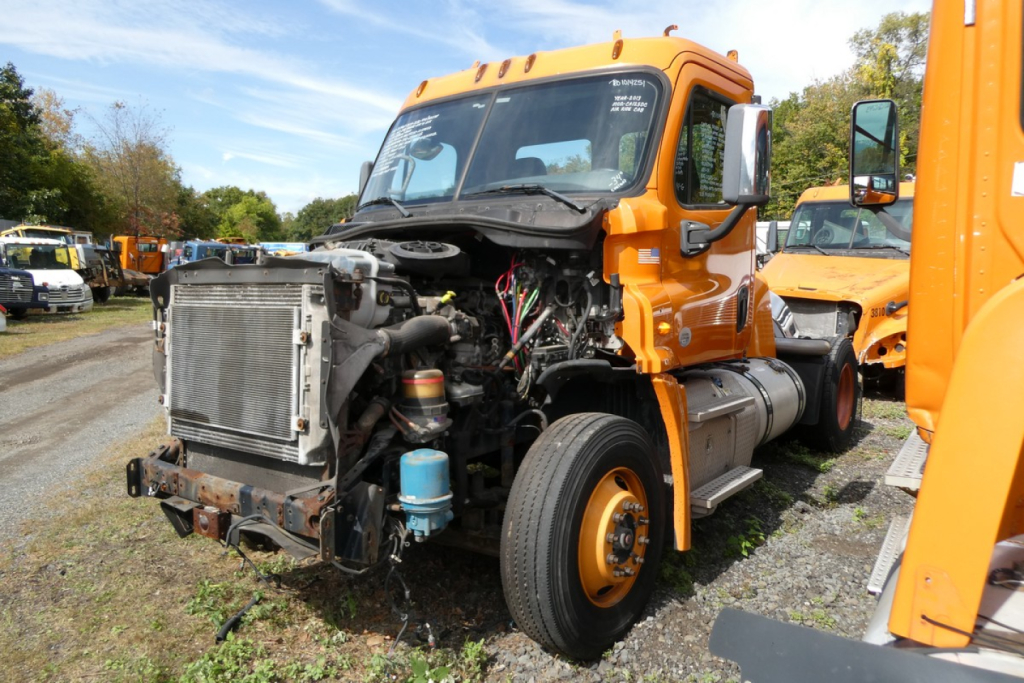
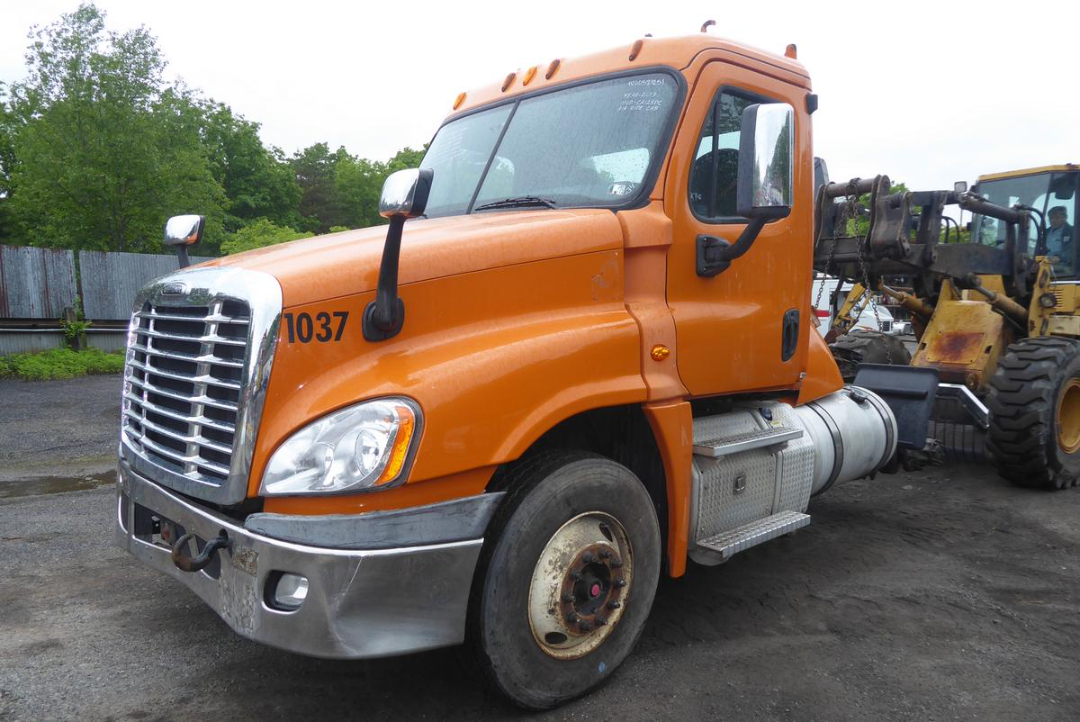
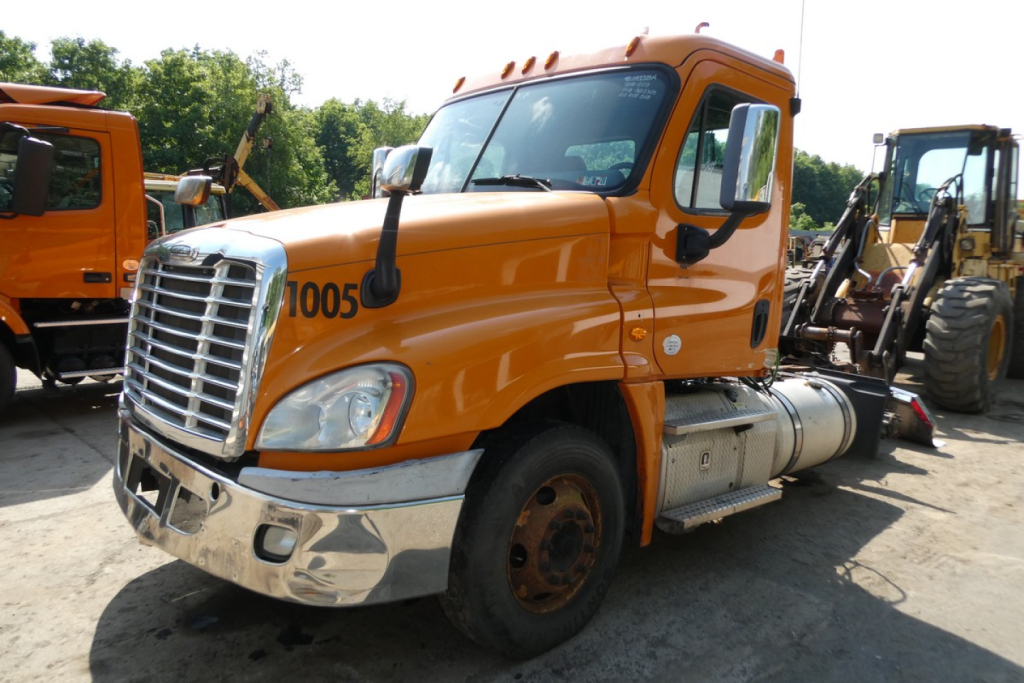
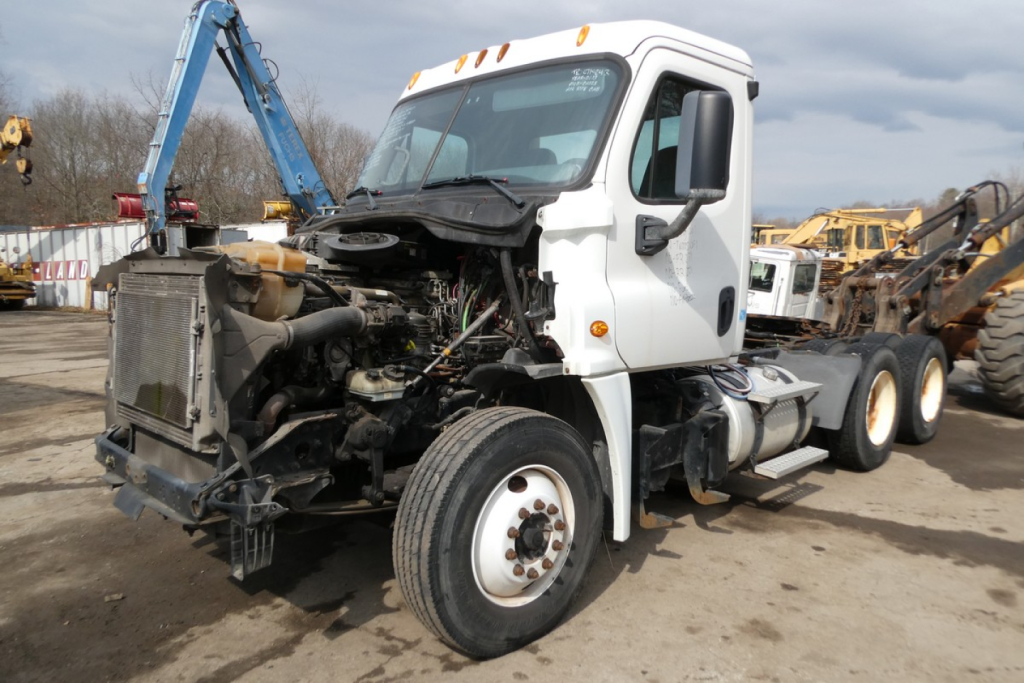
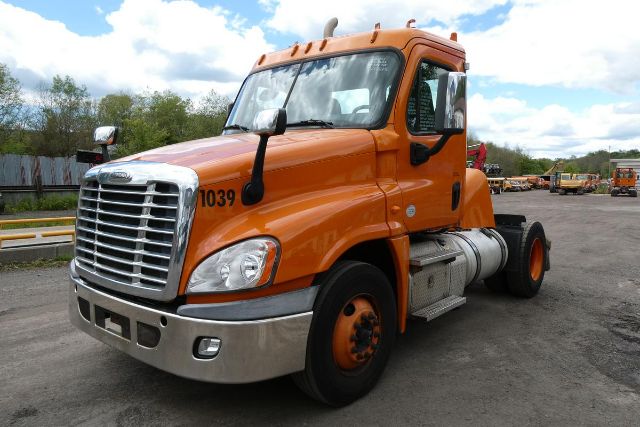
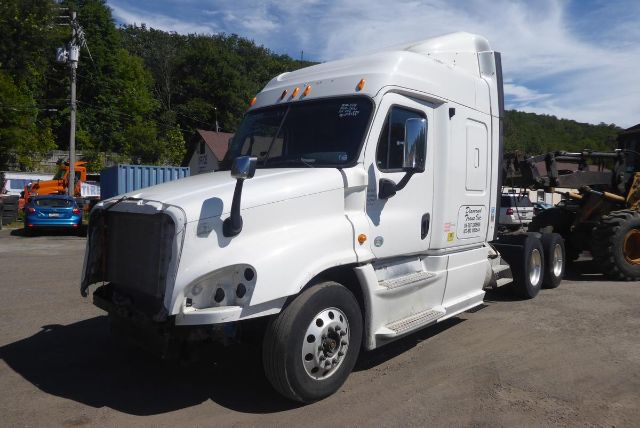
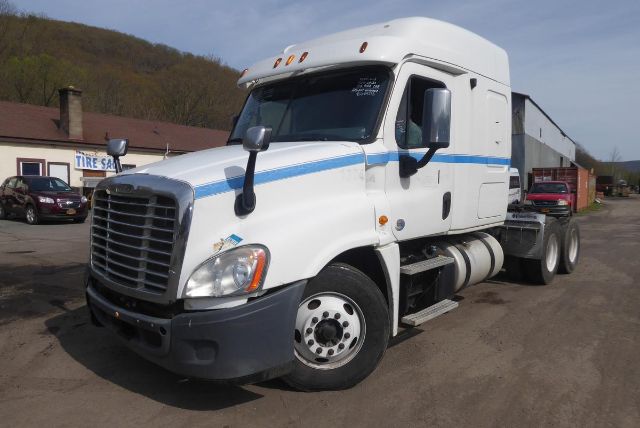
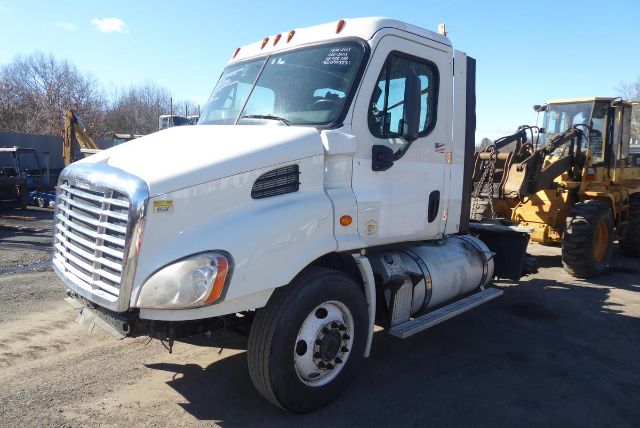
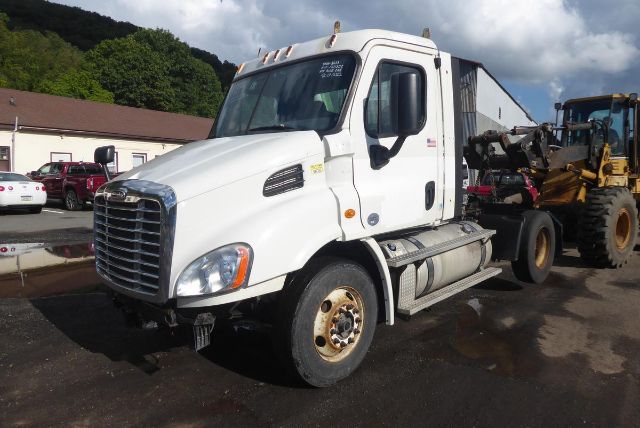
Selling a used 2013 freightliner truck? List your used 2013 freightliner truck for sale and reach thousands of commercial buyers.
Used 2013 Freightliner Trucks in New York
The right 2013 Freightliner starts with the job and the axle spec. Buyers comparing trucks in this year should pay close attention to wheelbase, axle ratings, suspension type, transmission choice, and frame configuration. Day cab tractors often appear with 12,000-pound front axles, 40,000-pound rears, air ride suspension, and fuel-efficient rear ratios for regional freight. Medium-duty and vocational Freightliner trucks may use spring suspension, shorter gearing, PTO provisions, and partial or full double-frame rails for tank, dump, plow, utility, or equipment body applications. Engine choices in this era often include Detroit Diesel and Cummins platforms, paired with manual, automatic, or automated manual transmissions depending on the original duty cycle.
For a used truck in New York, emissions equipment and corrosion condition deserve extra scrutiny. A 2013 Freightliner may have DEF systems, EGR components, diesel particulate filter hardware, and related sensors that need a careful inspection, especially on higher-mileage units or trucks with long idle histories. Look at engine hours alongside odometer readings, and inspect the aftertreatment system, air compressor, air dryer, brake chambers, suspension mounts, frame rails, and wiring. On regional tractors, fifth wheel condition, kingpin setting compatibility, fairings, and tire wear patterns can tell you a lot about prior use. On vocational trucks, check PTO operation, hydraulic lines, pump function, tank or body mounting, and any evidence of frame modifications or corrosion around crossmembers and spring hangers.
Freightliner holds its value in the used market because most shops know the platform and replacement parts are generally easy to source. That makes a 2013 model year attractive for buyers who need a truck that can be repaired without chasing uncommon components. The best purchase is usually the one with the clearest maintenance history and the spec that matches the route, payload, and body requirement. A highway tractor set up for fuel mileage is very different from a municipal or tanker chassis built around PTO use and low-speed durability. Matching the truck to the work is what keeps operating cost under control.
Frequently Asked Questions about Used 2013 Freightliner Trucks in New York
What should I check first on a used 2013 Freightliner truck?
Start with the engine hours, maintenance records, emissions system condition, and frame integrity. On a 2013 truck, the aftertreatment system is a major inspection point, including DEF components, DPF condition, sensors, and any signs of repeated fault history. Also inspect suspension wear, brake system condition, steering components, tire wear patterns, and corrosion on crossmembers, hangers, and electrical connections, especially for trucks that have spent years in New York road salt conditions.
Are 2013 Freightliner trucks good for regional and local hauling?
Yes, many 2013 Freightliner configurations are well suited for regional and local work if the spec matches the application. Cascadia day cabs from this era are commonly used for short to mid-range freight, port work, and distribution runs because they can be equipped with efficient Detroit powertrains, air ride suspension, and highway-friendly axle ratios. Medium-duty Freightliner models are also common in local delivery, utility, and municipal roles where maneuverability and PTO capability matter more than sleeper comfort.
What engines are common in 2013 Freightliner trucks?
Common engine families in 2013 Freightliner trucks include Detroit Diesel and Cummins, depending on model and original application. Highway tractors often use Detroit engines such as the DD13 or DD15, while medium-duty and vocational trucks may be found with Cummins power. The best choice depends less on brand name and more on service history, emissions performance, horsepower and torque rating, and whether the truck was originally spec'd for highway speed, stop-and-go use, or PTO-driven equipment.
Is a 2013 Freightliner too old for fleet use?
Not necessarily. A 2013 Freightliner can still make sense in a fleet if the truck has a sound maintenance background, passes inspection, and fits a lower-cost operating role. Many fleets use this age range for yard spotting, regional runs, seasonal work, vocational service, or backup capacity. The key is to budget realistically for wear items and emissions-related repairs, because the lower purchase price of an older truck should be weighed against expected maintenance and downtime exposure.
How do I choose between a highway Freightliner and a vocational Freightliner from 2013?
Choose based on chassis layout and intended duty cycle, not just price. A highway Freightliner is typically set up around aerodynamics, air ride suspension, tandem drive axles, fifth wheel placement, and fuel economy. A vocational Freightliner is usually built for body installation, PTO operation, heavier frame requirements, lower gearing, and durability in stop-start or off-pavement conditions. If the truck will carry specialized equipment, run hydraulics, or operate in municipal or jobsite service, a vocational chassis is usually the better fit.