
Used 2013 International Trucks For Sale in New York
Have used 2013 international truck to sell? List it here to reach thousands of buyers.
Used 2013 International Trucks in New York
Powertrain and emissions history matter more than the badge alone on a 2013 truck. Many International trucks from this period were spec'd with MaxxForce diesel engines, while some medium-duty units may show other engine configurations depending on application and market. Buyers should verify horsepower and torque ratings, transmission model, rear axle ratio, and whether the truck was built for stop-and-go city work or sustained highway miles. On vocational trucks, check for Allison automatic transmissions, locking differentials, double-frame construction, front axle capacity, and hydraulic setup for dump bodies, plows, spreaders, or auxiliary equipment. On road tractors, pay attention to wheelbase, fifth-wheel setup, suspension type, and fuel tank capacity.
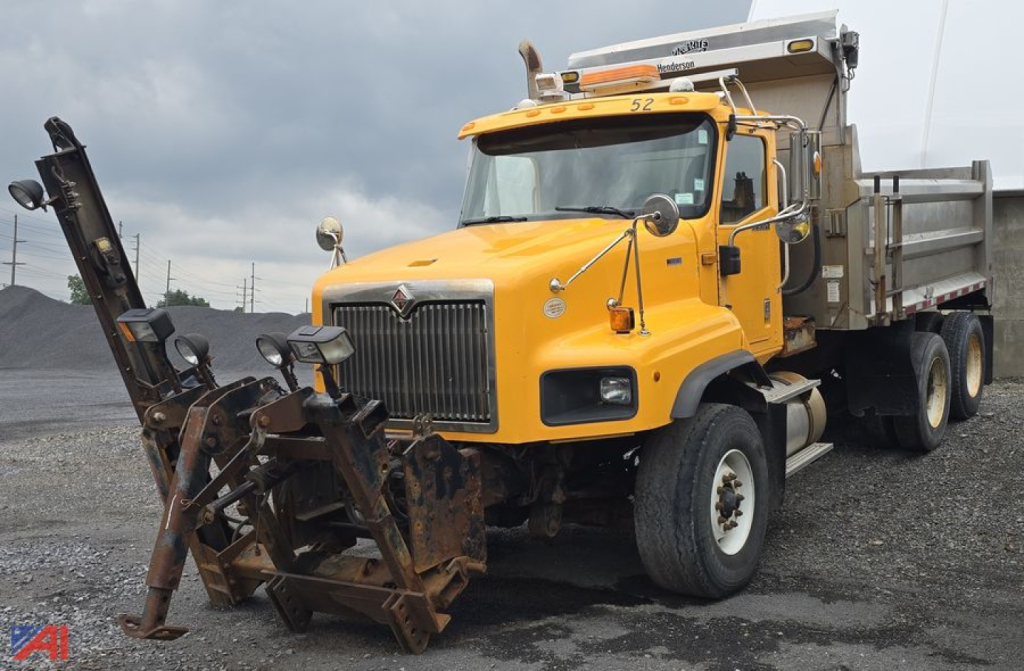
In New York, rust, corrosion, and seasonal equipment use deserve close inspection. Municipal and contractor-owned International trucks often spent winters carrying plows, salt spreaders, or running hydraulic accessories, which can accelerate wear in wiring, brake components, crossmembers, and body mounts. Frame condition, cab corners, floor structure, spring hangers, and the underside of dump bodies or utility bodies should be examined carefully. If the truck has a wet kit, PTO, or central hydraulics, confirm that the system engages cleanly and does not show fluid contamination or excessive leakage. Maintenance records, engine hours, and evidence of emissions-system repairs can be just as important as mileage on a used 2013 unit.
International trucks remain popular because parts availability, straightforward vocational spec options, and broad body-builder support make them practical in mixed fleets. Buyers comparing used 2013 International trucks should focus on application fit first, then validate the hard specs: GVWR, axle ratings, suspension, brake type, body condition, and drivetrain history. A well-matched 2013 International can still be a cost-effective truck for local hauling, snow and ice work, medium-duty delivery, or regional tractor service when the chassis spec aligns with the job.
Frequently Asked Questions about Used 2013 International Trucks in New York
What are the most common 2013 International truck models buyers look for?
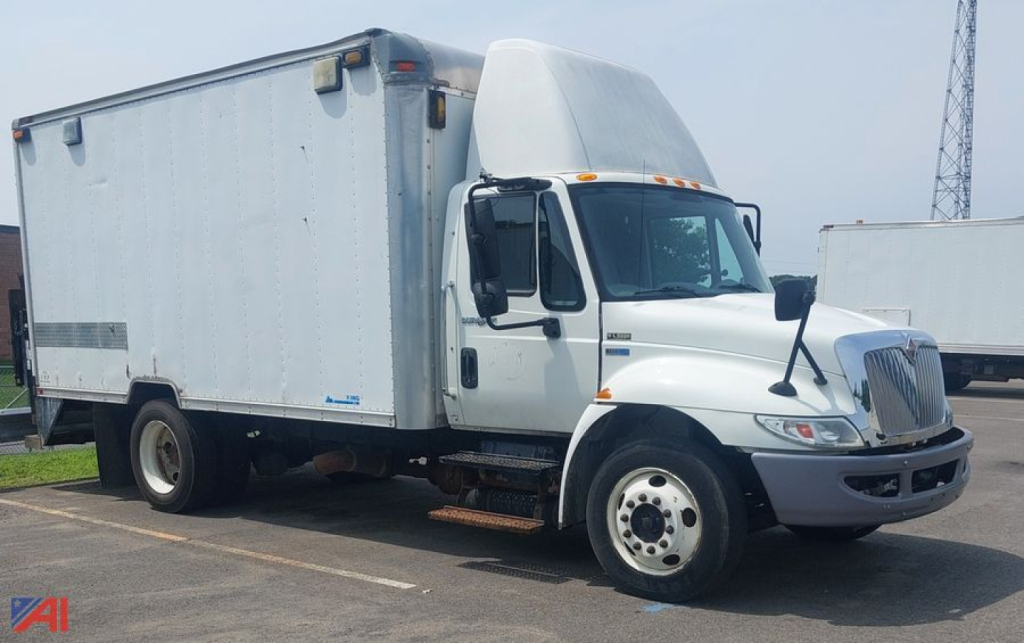
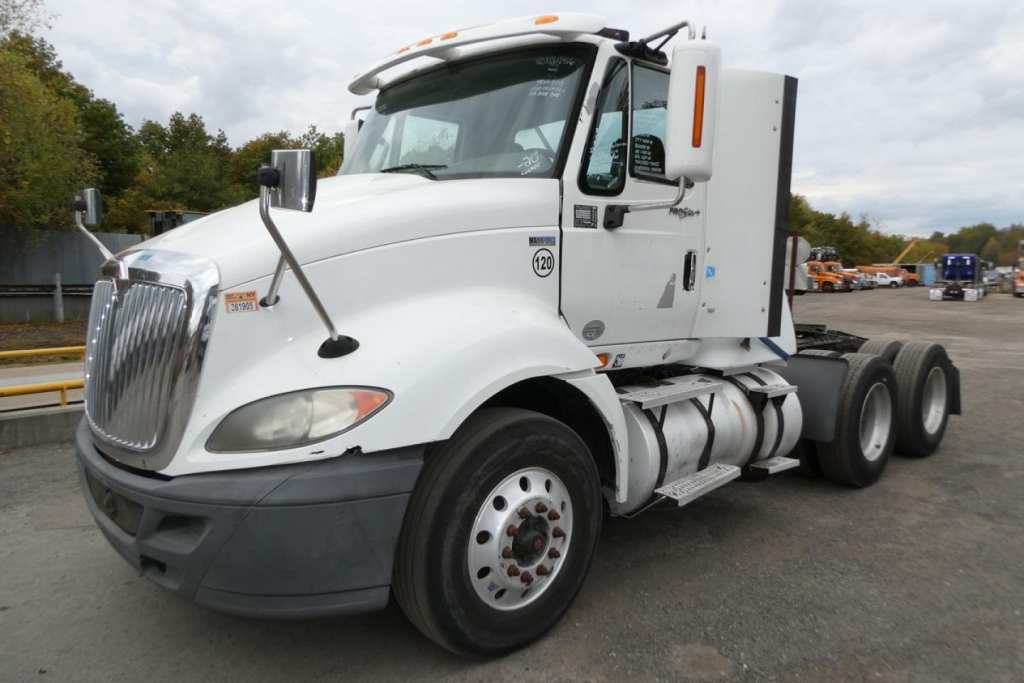
Common 2013 International trucks include ProStar highway tractors, DuraStar medium-duty trucks, and WorkStar vocational models. The ProStar is typically used for regional or over-the-road pulling, while DuraStar and WorkStar units are often found as box trucks, dumps, plow trucks, stake bodies, service trucks, and other municipal or contractor applications. The model family usually tells you more about intended use than the year alone.
What should I inspect first on a used 2013 International truck in New York?
Start with frame and corrosion condition, then move to engine, transmission, suspension, and any vocational equipment. New York trucks often see winter service, so rust on crossmembers, brake lines, cab mounts, body supports, and electrical connections is a major concern. If the truck has a dump body, plow gear, spreader, or PTO-driven hydraulics, test the equipment under operation and inspect for leaks, cracks, and signs of hard municipal use.
Are 2013 International trucks mainly highway tractors or vocational trucks?
They can be either, depending on the chassis and spec. A 2013 International could be a day cab or sleeper tractor set up for freight work, or it could be a severe-service truck built for dump, snow removal, utility, or delivery operations. Buyers should confirm axle configuration, GVWR, wheelbase, suspension, and PTO provisions to make sure the truck matches the intended duty cycle.
Why is the engine and emissions system such an important factor on a 2013 International truck?
A 2013 truck sits in a period where emissions equipment and engine platform differences can strongly affect reliability, service costs, and downtime. Buyers should identify the exact engine model, review maintenance records, and check for documented repairs to emissions-related components. A truck with a sound service history and a powertrain spec that fits the route and load profile is generally a better value than one chosen on price alone.
What specs matter most when comparing used 2013 International vocational trucks?
The most important specs are GVWR, front and rear axle ratings, frame type, suspension, transmission, PTO setup, and body configuration. For dump or municipal work, buyers should also look at double-frame construction, hoist type, hydraulic condition, spreader or plow provisions, and brake specification. These details determine durability, legal payload, and how easily the truck can handle specialized equipment.